Why WMA Turkey Season Ends a Day Early
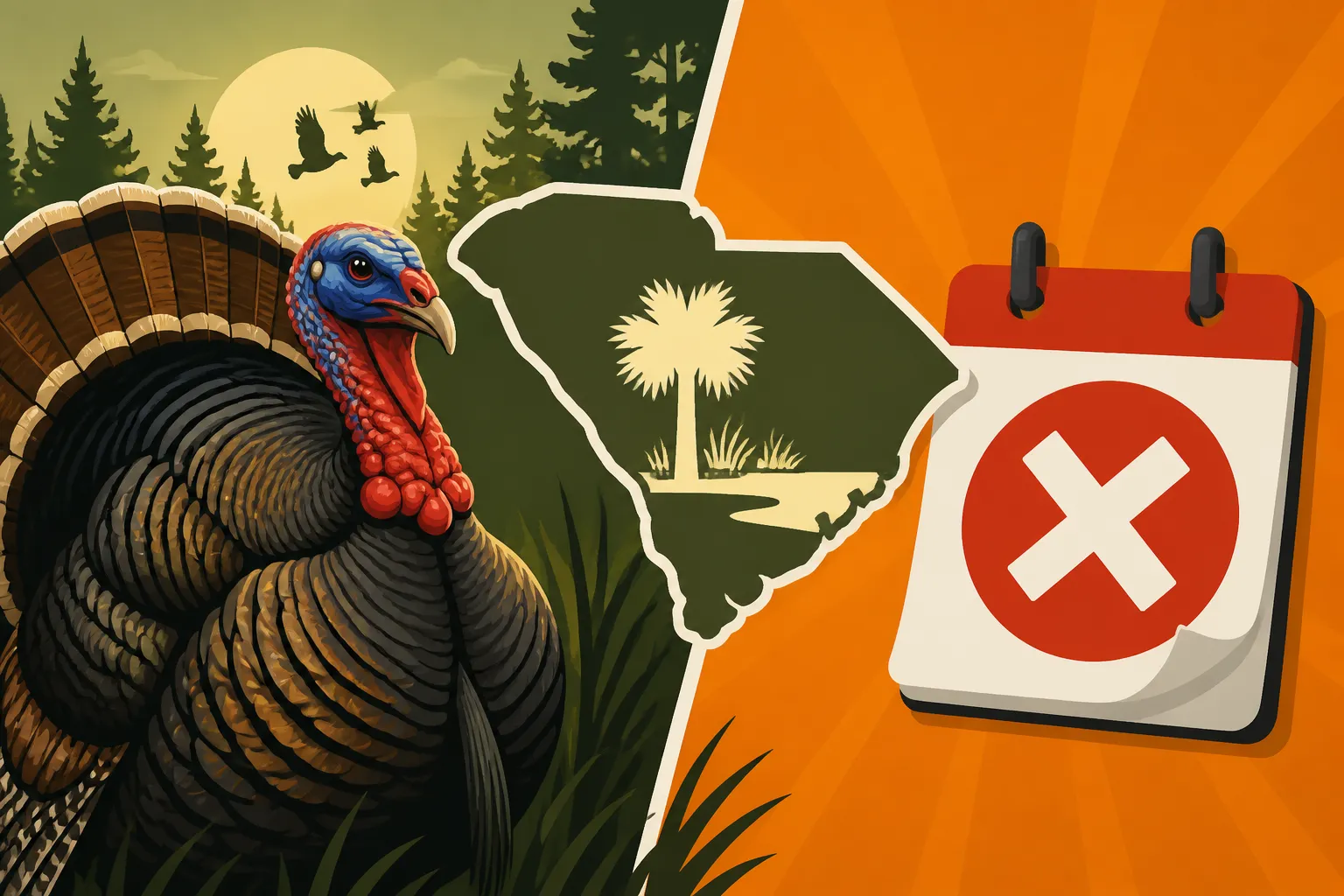
It can be incredibly frustrating to meticulously plan your spring turkey hunt, only to discover that the season dates you’ve marked on your calendar aren't universally applied across all hunting grounds. Many South Carolina turkey hunters, especially those who rely on public access, find themselves scratching their heads when they realize that Wildlife Management Areas (WMAs) often close their turkey seasons a full day earlier than private lands. This guide will break down the crucial reasons behind this specific regulation, helping you understand the 'why' and better plan your pursuit of longbeards.
Understanding South Carolina's Turkey Season Structure
South Carolina's turkey season structure can feel like a patchwork quilt, with different zones and land types having their own specific rules. It's not just a free-for-all; every regulation, no matter how minor it seems, is usually in place for a very good reason rooted in conservation and sound wildlife management.
Statewide Private Land Season
For most hunters on private land, the South Carolina spring turkey season offers a generous window of opportunity. Historically, this season stretches well into May, providing ample time to chase gobblers from the initial fly-down calls to the late-season lull. This longer season on private land is largely due to several factors. Private lands, by their nature, generally experience less overall hunting pressure compared to the easily accessible public WMAs. Landowners often manage their properties with specific wildlife goals in mind, and the dispersed nature of private land hunting means that the cumulative impact on the turkey population is often spread out more thinly.
The flexibility on private land also allows for a more varied approach to hunting, accommodating different work schedules and hunting styles. You might spend mornings scouting your back forty, waiting for the perfect weather window, or simply enjoying the quiet of a mid-week hunt. This extended season is a privilege that comes with land ownership or exclusive access, and it reflects the state's confidence in the turkey population's ability to handle that level of harvest under those conditions. If you're looking for an overview of the full season, our guide on South Carolina Spring Turkey Season Rules offers a great starting point.
The Role of Wildlife Management Areas WMA
Wildlife Management Areas, or WMAs, are crucial pieces of public land managed by the South Carolina Department of Natural Resources (SCDNR) to provide hunting, fishing, and other recreational opportunities. These areas are vital for hunters who don't own private land or belong to exclusive hunting clubs. However, because WMAs are open to the general public, they inherently face much higher hunting pressure. Think about it: a WMA might see dozens, if not hundreds, of hunters over the course of a season, all concentrated in a relatively smaller area compared to the vast expanse of private agricultural or timber land. This concentration of effort means that WMA populations are often under greater stress.
Because of this increased pressure and the need to manage populations sustainably across these public access points, WMAs often come with their own set of specific regulations that can differ significantly from private land rules. These might include special sign-in requirements, limitations on hunting days, or, as we're discussing, different season dates. The goal is always to balance hunter opportunity with long-term conservation, ensuring that future generations also have healthy turkey populations to pursue. You can find more specific details on accessing these lands in our comprehensive article on South Carolina WMA Turkey Rules.
The Specifics of WMA Turkey Season Closure
Now, let's get down to the nitty-gritty of why WMAs close their turkey season a day earlier. It's not an arbitrary decision; it's a carefully calculated move by wildlife biologists and managers.
The Why Behind the Early Close
The primary reason WMA turkey season closes a day earlier is rooted in conservation and population management, specifically regarding poult recruitment. Poult recruitment refers to the number of young turkeys (poults) that survive to adulthood, which is critical for maintaining a healthy and growing turkey population. When turkey season runs too long, particularly in areas of high hunting pressure like WMAs, it can negatively impact this recruitment.
Here's how it plays out: As the season progresses into late April and early May, hens are increasingly on their nests. Gobblers, still driven by the urge to breed, become more focused on finding any remaining receptive hens. This late-season behavior can make gobblers more vulnerable to hunting pressure. An extended season, especially one that continues right up to the very last possible moment, means more hunters are in the woods at a time when turkeys might be especially stressed or focused on breeding activities.
By closing the WMA season a day early, the SCDNR achieves a few critical objectives:
- Reduces late-season gobbler harvest: This leaves more gobblers in the gene pool to breed with any remaining receptive hens, potentially boosting overall breeding success and contributing to healthier Poult-to-Hen Ratios and What They Mean. Even a single day can make a difference in cumulative harvest numbers, especially when multiplied across all WMAs.
- Minimizes disturbance to nesting hens: While hunters are primarily targeting gobblers, human presence in the woods, even for a day, can inadvertently disturb nesting hens. An early closure helps reduce this potential disturbance during a critical nesting period.
- Manages overall hunting pressure: WMAs, as public access points, naturally draw a significant number of hunters. This concentration of effort can put a strain on local turkey populations. Shortening the season by even one day helps alleviate some of that pressure, giving the birds a crucial reprieve, particularly as the season winds down and they've been hunted for weeks. This is a common strategy as part of the broader efforts to address Why South Carolina Turkey Numbers Declined in recent years.
Consider a hypothetical scenario: It's the last weekend of the regular WMA season, and hunters are out in full force, trying to bag that one last bird. If that season were extended by even one day, that's potentially thousands more hunter-hours across all WMAs, all targeting the most vocal and susceptible gobblers. By ending it on a Saturday instead of Sunday, the state effectively removes that final surge of pressure, especially on birds that might be exhausted from weeks of gobbling and chasing hens. This slight adjustment contributes to the long-term health of the turkey population.
Impact on Hunter Opportunity
While the early WMA closure is vital for conservation, there's no denying it can feel like a missed opportunity for hunters. That extra day, especially a Sunday for many, could be the only chance someone has to get back in the woods before work resumes. It might be the day you finally get a clear weather window, or the day a stubborn gobbler finally decides to respond. This cut-off can certainly lead to frustration.
However, understanding the rationale behind it can help hunters adapt their strategies. Instead of viewing it as a loss, consider it a call to maximize your efforts within the available WMA season. This means being more diligent in your Scouting South Carolina Public Land Before Season, being prepared to hunt every possible legal day, and refining your tactics to increase your chances earlier in the season. It also highlights the importance of making the most of every second you have on public land.
For those dedicated to maximizing their time, it might also mean exploring private land opportunities if available, or simply accepting the trade-off that comes with hunting publicly accessible areas where wildlife management takes precedence for the health of the resource.
Navigating WMA Rules and Planning Your Hunt
Hunting on WMAs requires a little extra homework compared to hunting your buddy's private farm. Because of the varied terrain, habitat, and local pressure, rules can differ.
Checking Specific WMA Regulations
It cannot be stressed enough: always check the specific regulations for the WMA you intend to hunt. While the general statewide WMA turkey season might have a specific end date, individual WMAs can have further restrictions. Some might open later, close even earlier, or have specific days of the week designated for hunting.
The best resources for this information are:
- SCDNR Website: The official source for all regulations. They publish yearly hunting digests that outline season dates, bag limits, and WMA-specific rules.
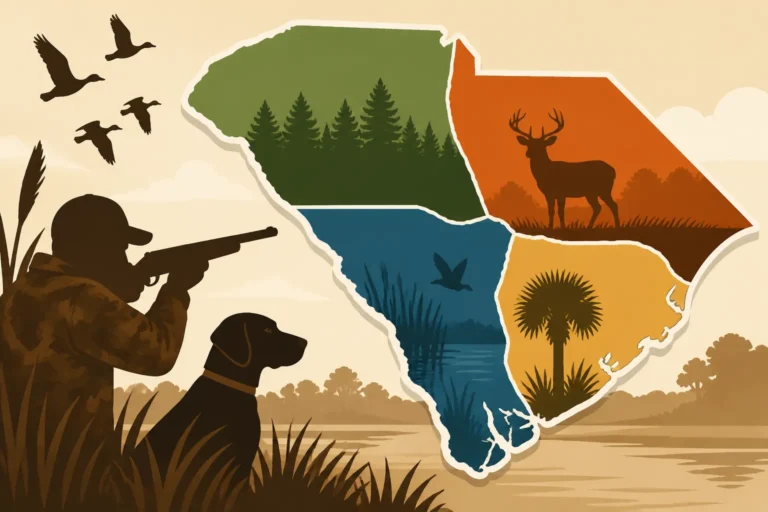
- Go Outdoors SC App/Website: This is an invaluable tool for South Carolina hunters. You can purchase licenses, check regulations, and use the map tool to see WMA boundaries and any special designations. It's truly a game-changer for staying compliant and finding access. You can even check out Buying a License on Go Outdoors SC for more details. Many hunters use the map features to understand South Carolina's Four Game Zones and how they impact season dates.
- GoHunt App: While not an official SCDNR app, many hunters use third-party mapping and information apps like GoHunt to supplement their knowledge. These often integrate public land boundaries and can be very helpful for navigation and understanding land status. Just remember to cross-reference with official SCDNR rules for legality.
Imagine heading out, pumped for a late-season hunt, only to find out that particular WMA had an even earlier closure for specific habitat management reasons. It's happened to the best of us. A quick check of the regulations before you leave the house can save you a wasted trip and potential legal trouble. Make sure you understand all the requirements, including South Carolina WMA Permit Requirements, which are often necessary in addition to your base hunting license and big game permit.
Strategies for a Shorter Season
Knowing you have a shorter window on WMAs means you need to be strategic. Here are a few tips to make the most of your public land turkey hunting:
- Front-Load Your Effort: Don't wait until the last minute. The early season on WMAs can be fantastic, as birds are less pressured and often more vocal. Consider taking a few personal days early in the season to capitalize on this. This is especially true if you enjoy Roost Hunting South Carolina Gobblers.
- Hunt Mid-Week: If your schedule allows, hunting on weekdays will almost always encounter less pressure than weekends. Fewer hunters mean more relaxed birds and a better chance of hearing a gobbler respond to your calls.
- Be Mobile (Run-and-Gun): With potentially more competition and often more open, expansive terrain on WMAs, a Run-and-Gun Turkey Tactics on Public Land approach can be highly effective. Cover ground, listen for gobblers, and be prepared to move quickly to get in position. Don't sit in one spot for hours if nothing is happening.
- Focus on Overlooked Areas: Use mapping tools, including the Using the Go Outdoors SC Map Tool or the GoHunt app, to identify areas of the WMA that might be harder to access or further from main roads. Most hunters won't venture deep into a swamp or hike miles from the truck. These less-pressured pockets can hold hidden gobblers, even late in the season.
- Understand Pressure Points: Learn where other hunters typically set up. If you arrive at a popular spot and see a half-dozen trucks, consider finding an alternative. Sometimes the best strategy is to avoid the crowd rather than compete with it.
- Be Patient and Persistent: Even with a shorter season, the opportunities are there. Being patient, staying positive, and putting in the time will increase your odds. Remember, every gobbler is a trophy, especially on public land.
Broader Conservation Efforts and Their Impact
The early WMA turkey season closure is just one piece of a larger puzzle when it comes to South Carolina's commitment to robust turkey populations. These efforts are dynamic, adapting to changing environmental conditions and population trends.
Poult-to-Hen Ratios and What They Mean
Wildlife biologists closely monitor poult-to-hen ratios as a key indicator of turkey population health and reproductive success. This ratio simply measures the number of poults (young turkeys) observed per hen. A healthy ratio indicates that hens are successfully nesting, hatching, and raising their broods. A declining ratio, however, signals potential problems with reproduction or poult survival, which could be due to factors like predator populations, habitat quality, or disease.
When poult-to-hen ratios are consistently low, it raises red flags for wildlife managers. It suggests that the population isn't replacing itself adequately, and if left unchecked, could lead to a significant decline in overall turkey numbers. The early closure of WMA turkey season is a direct response to concerns about sustaining these critical poult recruitment rates, especially in areas where pressure is highest. This is part of the ongoing effort to ensure healthy South Carolina Turkey Population Trends for future generations.
South Carolina's Overall Turkey Management Goals
The SCDNR's overarching goal for wild turkeys in South Carolina is to maintain healthy, sustainable populations across the state, ensuring ample recreational opportunities for hunters and wildlife enthusiasts. This involves a multi-faceted approach:
- Habitat Management: Improving and creating suitable turkey habitat through prescribed burns, timber management, and planting food sources.
- Research and Monitoring: Conducting studies and surveys to track population trends, health, and harvest data. This informs all management decisions.
- Hunter Education and Regulation: Educating hunters on ethical practices and implementing regulations like bag limits, season dates, and specific WMA rules to manage harvest effectively. This includes recent changes like Why South Carolina Banned Jake Harvest, which aims to protect immature gobblers.
- Enforcement: Ensuring compliance with hunting laws to prevent poaching and illegal harvest.
Every regulation, including the early WMA turkey season closure, is a tool in this management toolbox. It's a testament to the fact that while hunting is a cherished tradition, it must always go hand-in-hand with conservation. By understanding these goals, hunters can become more informed participants in the conservation process, appreciating that sometimes a minor inconvenience like an earlier season closure serves a much larger, more vital purpose: the continued health and abundance of South Carolina's wild turkeys. The journey of How Turkeys Were Restored to South Carolina is a powerful reminder of how effective these management practices can be.
Here’s a quick comparison of the general turkey season lengths for private land versus WMAs in South Carolina:
| Feature | Private Land (General) | Wildlife Management Areas (WMAs) (General) |
|---|---|---|
| Season Length | Longer, typically extending through early May | Shorter, often ending one day earlier than private land |
| Hunting Pressure | Generally lower and more dispersed | Higher and more concentrated due to public access |
| Management Focus | Balances opportunity with landowner preferences | Prioritizes conservation and sustainable use due to high pressure |
| Regulatory Variation | Less variation, follows statewide rules | Highly variable; requires checking specific WMA rules |
| Purpose of Difference | Accommodates varied landowner management goals | Protects vulnerable populations from overharvest and disturbance |
Disclaimer
Please note: Hunting regulations are subject to change. Always consult the latest South Carolina Department of Natural Resources (SCDNR) hunting digests and regulations before planning any hunt. This information is intended as a general guide and not a substitute for official legal documentation.