South Carolina Rabbit Season Dates
Hunting rabbits in South Carolina can be an absolute blast, a classic pursuit that brings back memories for many of us. But if you’re new to it, or just trying to confirm your plans for the upcoming season, navigating the specific dates and regulations can feel like trying to untangle a briar patch after a hard rain. It’s frustrating when you just want a clear answer, and that’s precisely what this guide aims to provide: a comprehensive, no-nonsense breakdown of South Carolina's rabbit season dates and everything you need to know to get out there.
Understanding South Carolina's Rabbit Season Framework
South Carolina offers some fantastic opportunities for small game hunting, and rabbit hunting, in particular, holds a special place in the hearts of many Lowcountry and Upstate sportsmen alike. But unlike deer season, which can have wildly different opening and closing dates across the state's four game zones, the rabbit season framework is generally more unified, which can be a relief. However, that doesn't mean there aren't specific rules and considerations you need to be aware of.
Statewide Season Dates and Key Details
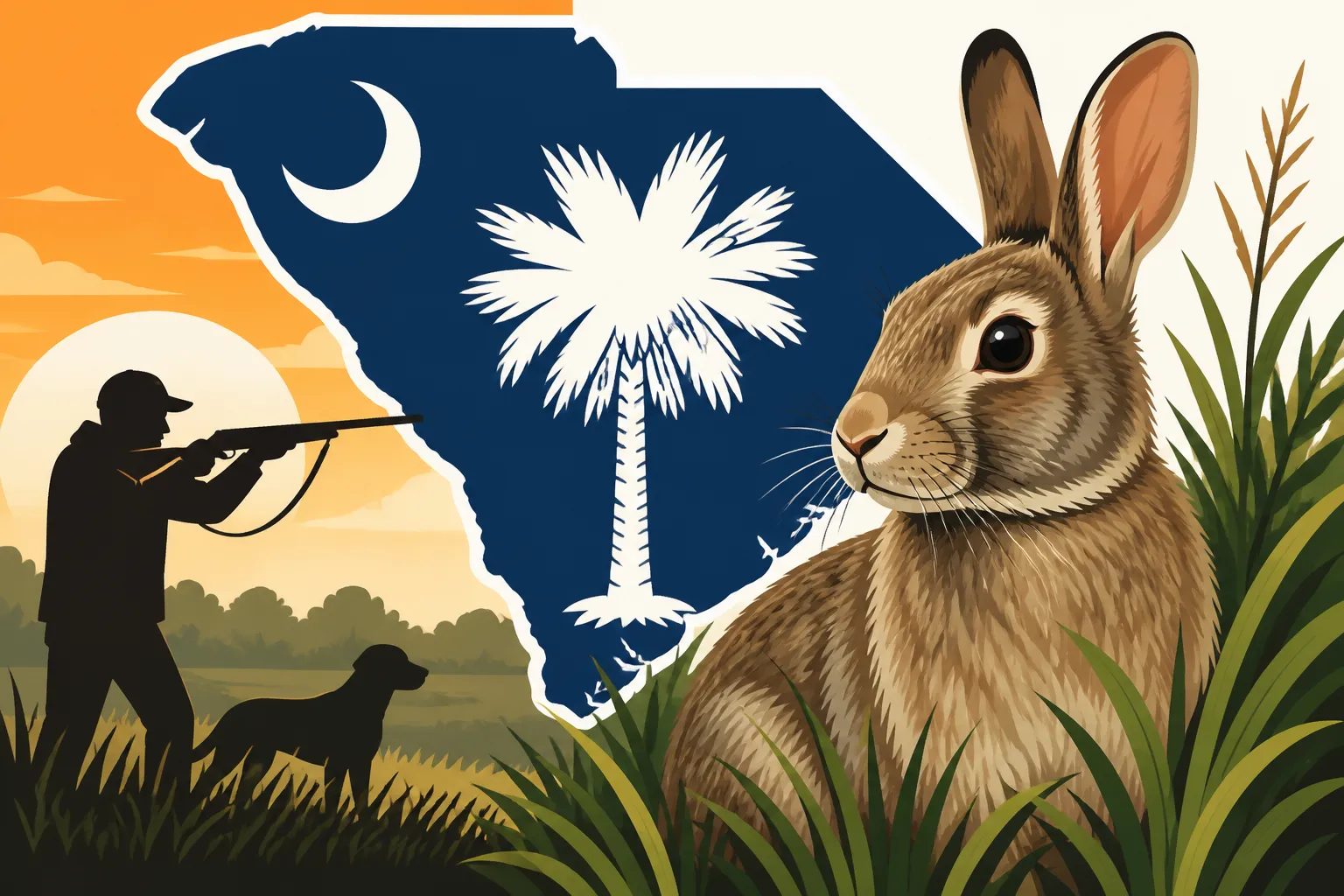
When it comes to the general statewide rabbit season, whether you're chasing cottontails in a regenerated clear-cut or trying to jump a swamp rabbit out of a slough, the dates are typically consistent across private lands. Historically, the season for both cottontail and swamp rabbits opens in mid-September, usually around September 15th, and runs all the way through until early March, often closing around March 1st. This gives hunters a generous window, spanning from the warmer days of early fall into the crisp, cooler days of late winter. It's a long season, allowing ample time to enjoy the sport, whether you're running a pack of beagles or still-hunting with a trusty .22. This extended period is one of the joys of South Carolina Small Game Season Rules, offering flexibility for busy schedules and varying weather conditions.
It’s important to understand that these dates encompass both cottontail rabbits, which you'll typically find in upland brush, field edges, and pine plantations, and swamp rabbits, which prefer the wetter, denser cover of bottomlands and swamps. The South Carolina Department of Natural Resources (SCDNR) manages them under the same general regulations, simplifying things for hunters. However, always remember that these dates are subject to change year to year, so a quick check with the latest SCDNR regulations is always your best bet before planning your hunt. The folks at GoHunt often keep their online resources very current, which can be a helpful cross-reference in your planning.
Distinctions Between Private and Public Land Seasons
While the private land season for rabbits generally follows the statewide dates, hunting on public lands, specifically Wildlife Management Areas (WMAs), can be a different story entirely. WMAs are managed intensively to provide habitat for various species and to control hunter pressure, meaning their seasons are often more restrictive. You might find that some WMAs have significantly shorter rabbit seasons, different bag limits, or even specific days of the week when hunting is allowed.
For example, a WMA might open for rabbits much later than private land, perhaps in November, and close earlier in February, or only permit hunting on certain days like Saturdays. This is done to balance hunting opportunities with habitat management goals and to reduce pressure on other game species. It's critical to remember that if you plan to hunt rabbits on any public land, you'll need to consult the specific WMA regulations. The SCDNR website is the authoritative source, and digital mapping tools from brands like GoHunt can often overlay WMA boundaries and even link directly to their specific rule sets, which is incredibly handy. Don't just assume the statewide private land dates apply; you could inadvertently find yourself in a bind. Always verify the rules for the particular WMA you intend to hunt, as they often have their own unique South Carolina WMA Permit Requirements and season dates.
Daily Bag Limits and Possession Rules
South Carolina sets clear limits on the number of rabbits you can harvest to ensure sustainable populations. For both cottontail and swamp rabbits, the daily bag limit is typically five (5) rabbits per person. This means that in a single day of hunting, you can't take more than five rabbits, regardless of species. This limit is designed to provide a fair chase opportunity while protecting the rabbit population from overharvesting.
Beyond the daily limit, there’s also a possession limit, which traditionally is fifteen (15) rabbits per person. This possession limit applies to any rabbits you have in your possession, whether they were taken on the current day or stored from previous hunts. It's especially relevant if you're hunting multiple days in a row or processing and freezing your harvest at home. It’s a good rule of thumb to keep track of your take, especially if you're hunting with a group. Miscounting or forgetting can quickly lead to an accidental violation. These limits are consistent across private and public lands for both species, ensuring a unified approach to conservation. Always make sure you understand these numbers clearly before heading out, as ignorance of the law is no excuse.
Preparing for Your South Carolina Rabbit Hunt
Rabbit hunting in South Carolina is often a fast-paced, exciting endeavor, especially if you’re running dogs. But successful and safe hunting requires more than just knowing the season dates. Proper gear, understanding licensing, and a bit of scouting can make all the difference between a frustrating day in the brush and a rewarding one afield.
Essential Gear for Rabbit Hunting Success
When gearing up for rabbit hunting in South Carolina, practicality and safety should be your guiding principles. A shotgun is the most common and effective firearm for rabbits, especially when they flush suddenly from thick cover. A 12-gauge or 20-gauge with an improved cylinder or modified choke, loaded with #6 or #7.5 shot, is usually perfect. The lighter 20-gauge is often favored for its lighter recoil and ease of carry through dense undergrowth, making it ideal for younger hunters or those who prefer a more nimble firearm. Many hunters use the same shotguns they would for Shotguns for South Carolina Dove and Quail.
Beyond the gun, protective clothing is paramount. South Carolina’s rabbit habitat often means dense briars, thorny bushes, and plenty of places for snakes to hide. Thick briar-proof pants or chaps are a must to avoid getting shredded. Perhaps even more critical are snake boots or snake gaiters. We are in snake country, particularly in the warmer early season and even on mild winter days. A venomous snake encounter is the last thing you want to deal with, so prioritizing proper footwear is non-negotiable. Check out dedicated articles on Snake Boots for South Carolina Swamp Ground for more detailed advice.
If you’re hunting with dogs, and many rabbit hunters do, you’ll also need dog equipment. This includes sturdy collars, leashes, and potentially GPS tracking collars, especially if your dogs are prone to ranging far in dense cover. A good vest for your dog can also protect them from briars and brambles, and if you’re crossing water, a flotation vest is a smart addition. Remember, your dogs are your partners, so protecting them is just as important as protecting yourself.
Licensing Requirements and Permits
Before you even think about stepping into the woods or fields, you need to ensure you have the proper licenses and permits. In South Carolina, every hunter, unless specifically exempt (like some landowners on their own property), needs a valid South Carolina hunting license. For residents, there are several options, from annual licenses to lifetime permits, but at a minimum, you’ll need a base hunting license. Non-residents will need a non-resident specific license. You can find all the details on South Carolina Resident Hunting License Options.
If you plan to hunt on any of the state’s Wildlife Management Areas (WMAs), you’ll also need a WMA permit in addition to your base hunting license. This permit grants you access to hunt on these public lands and helps fund their management and conservation efforts. You can easily purchase your licenses and permits online through the SCDNR's Go Outdoors SC website or app. This system is pretty user-friendly and allows you to keep proof of your license right on your phone, though it's always a good idea to have a screenshot or physical copy in areas with spotty cell service. GoHunt often integrates directly with these state systems, making it even easier to track your compliance and plan your hunts. Always double-check that you're compliant before heading afield; wardens are out there to ensure everyone is following the rules for the safety of all and the health of our wildlife.
Habitat and Scouting Tips for Rabbits
Finding rabbits in South Carolina often comes down to understanding their preferred habitat: dense, protective cover close to food sources. Rabbits aren't going to be hanging out in wide-open pine stands or manicured fields. They want places where they can quickly dive for safety when a predator (or a beagle) comes calling.
Look for:
- Fencerows and Hedgerows: These are classic rabbit haunts, especially those overgrown with thick vines, blackberry bushes, and brush. They offer both cover and forage. If you're Rabbit Hunting South Carolina Fencerows, pay close attention to the edges where the cover meets an open field.
- Brush Piles and Logging Debris: Any area where timber has been cut and brush piled up provides immediate shelter. Rabbits will quickly move into these areas.
- Clear-cuts with Regrowth: Young pine plantations or clear-cuts that have begun to grow back with briars, young saplings, and weeds are prime rabbit territory. The dense, low-growing vegetation is ideal.
- Swamps and Bottomlands: For swamp rabbits, focus on the edges of swamps, creek bottoms, and areas with thick, wet undergrowth like cane thickets and dense palmetto patches.
- Field Edges: Where a field of soybeans or corn meets a woodline or a thicket, you'll often find rabbits feeding at dawn and dusk, ready to bolt back into cover.
Scouting doesn't have to be complicated. Look for areas with a mix of dense cover and nearby food sources. On the ground, you might spot rabbit droppings (small, round pellets), or well-worn trails through the thickest parts of the underbrush. In agricultural areas, look for nibbled vegetation. Using tools like the GoHunt app can also help you identify areas with dense cover, access points, and property lines, which is crucial whether you're on private land or looking for public WMA access. While rabbits aren't as predictable as deer, finding their preferred "hideouts" is half the battle.
Common Questions and Misconceptions About Rabbit Season
Even with a clear set of regulations, hunters often have specific questions or fall prey to common misconceptions. Let's clear up some of the most frequent queries about rabbit season in South Carolina to ensure you're fully informed and ready to hunt.
When Do Seasons Typically Open and Close?
As we discussed, the statewide rabbit season on private land generally opens around September 15th and closes around March 1st. This six-month window is quite generous, allowing hunters to experience rabbit hunting in various conditions, from the mild days of early fall to the colder, crisper days of winter. This long season is a highlight of South Carolina Squirrel and Rabbit Season Rules. However, it's crucial to remember that "typically" means "usually." While these dates have been consistent for many years, the SCDNR always has the authority to make adjustments.
It’s always a good practice, especially as the season approaches, to check the most current SCDNR Hunting and Fishing Regulations manual. These are available online through the SCDNR website, and often as physical booklets at license vendors. Many hunting apps and websites, including GoHunt, also provide updated season dates, but always use the official SCDNR document as your final authority. Public lands and WMAs, as noted, will almost certainly have different, usually shorter, seasons and specific hunting days. So, while the private land dates are a good general guide, always drill down to the specific location you plan to hunt.
Are There Different Rules for Cottontail vs. Swamp Rabbits?
This is a common question, and thankfully, the answer is straightforward: No, there are generally no different rules for cottontail versus swamp rabbits in South Carolina. Both species are typically covered under the same statewide season dates, daily bag limits, and possession limits. The SCDNR manages them under a unified framework for small game.
This simplifies things considerably for hunters. You don't need to identify the species before shooting, nor do you need to worry about separate bag limits for each. Whether you jump a smaller cottontail from a fencerow or flush a larger, darker swamp rabbit from a creek bottom, they both count toward your daily limit of five. This unified approach makes rabbit hunting less complicated and allows hunters to focus on the thrill of the chase and the dog work, rather than intricate species identification. While their habitats often differ—cottontails preferring drier, brushy uplands and swamp rabbits gravitating toward wetter, dense bottomlands—their legal status for hunters is the same. Understanding the South Carolina Cottontail Population Trend might inform where you choose to hunt, but it won't change the regulations you follow.
Hunting Rabbits with Dogs: Rules and Considerations
Hunting rabbits with dogs is a deeply ingrained tradition in South Carolina, and for many, it's the only way to hunt them. The sight and sound of a pack of beagles working a scent trail through the briars is truly something special. Fortunately, using dogs for rabbit hunting is fully legal and widely accepted across the state, provided you follow general hunting and land-use regulations.
There are no specific state-level restrictions against using dogs for rabbit hunting on private land beyond common sense and courtesy. However, if you are hunting on public lands, such as WMAs or National Forests, you must always check the specific regulations for that area. Some WMAs may have restrictions on dog hunting, either by disallowing it entirely, limiting it to certain days, or requiring dogs to be leashed or have specific identification. Always review the WMA rules to ensure your dog hunting activities are compliant.
Key considerations for Running Beagles on South Carolina Cottontails include:
- Dog Control: Always maintain control of your dogs. This means they shouldn't be running rampant onto private property where you don't have permission to hunt, nor should they be chasing non-game animals or other hunters' dogs.
- Leash Laws: Some public areas or even private hunting clubs might have specific leash requirements in certain zones or at certain times.
- Respect for Landowners: If hunting on private land, ensure you have explicit permission to bring dogs. Some landowners may not appreciate dogs on their property for various reasons.
- Safety: Equip your dogs with bright collars (like blaze orange or yellow) to make them visible to other hunters and to help you keep track of them. In areas with roads, be extra cautious.
Hunting with dogs is an enriching experience, but it comes with the responsibility of ensuring your animals are well-trained, safe, and respectful of property and other users of the land.
Final Thoughts on South Carolina Rabbit Season
Rabbit hunting in South Carolina is a fantastic way to enjoy the outdoors, put some delicious meat on the table, and partake in a rich hunting tradition. With a long, generous season on private lands and specific, albeit often shorter, opportunities on public lands, there's ample chance to get out there. Just remember, the key to a successful and legal hunt always boils down to being informed. Double-check those season dates, especially if you're hitting a WMA, ensure your licenses and permits are in order, and gear up appropriately for the South Carolina habitat. Whether you're a seasoned rabbit hunter with a well-trained pack of beagles or a newcomer looking for a fun small game pursuit, understanding these details will set you up for success. Good luck out there, and may your briar patches be productive!
Disclaimer
This article is intended for informational purposes only and does not constitute legal advice. Hunting regulations can change frequently. Always consult the official South Carolina Department of Natural Resources (SCDNR) website and current year's hunting regulations guide for the most accurate and up-to-date information before planning any hunting trip.