South Carolina’s Four Game Zones
It can feel incredibly frustrating to plan your deer season in South Carolina only to realize that the rules aren't uniform across the state. Many new hunters, and even some seasoned ones, get bogged down in the minutiae of varying opening and closing dates, bag limits, and legal weapons. This comprehensive guide is designed to cut through that confusion, giving you a clear, in-depth understanding of South Carolina's four distinct game zones and how they impact your hunting strategy.
Understanding South Carolina's Unique Game Zone System
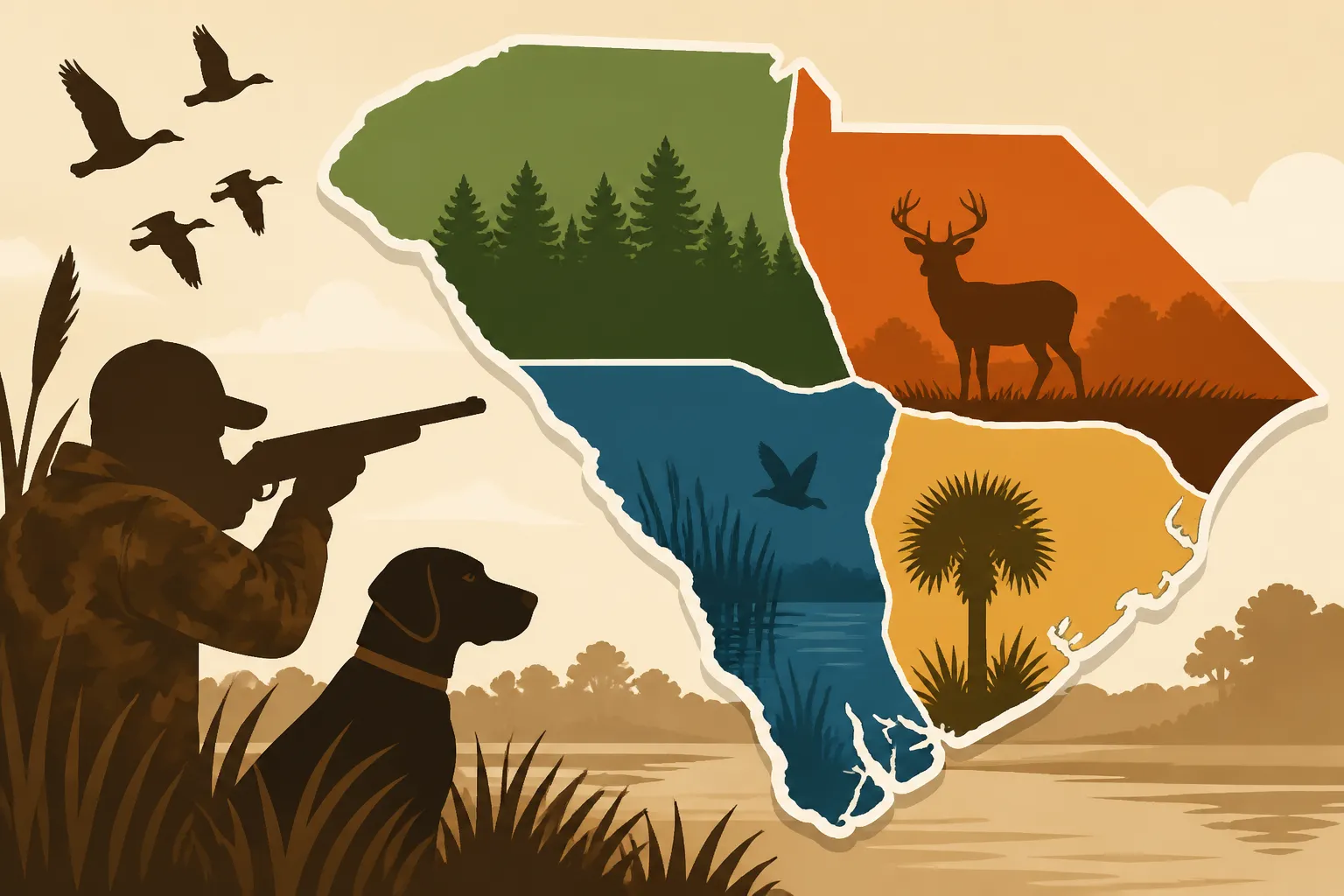
If you've ever tried to make sense of the South Carolina deer regulations, you've probably quickly noticed that it's not a simple "statewide opener" like in some other places. Instead, our state is divided into four primary game zones – Zones 1, 2, 3, and 4 – each with its own set of deer hunting rules and season dates. This system can initially seem like an unnecessary complication, especially for those new to hunting in the Palmetto State, but there's a good reason for it, rooted in geography, deer biology, and historical management practices. It’s not just a random patchwork of rules; it’s a deliberate effort to manage a diverse deer herd across varied landscapes.
The Rationale Behind Divided Seasons
The core reason South Carolina operates with a multi-zone system boils down to the incredible diversity of our state's landscape and, consequently, its deer populations. From the rugged Blue Ridge Mountains in the northwest to the expansive coastal plain and swamps along the Atlantic, deer habitats vary wildly. This variation affects everything from deer density and nutrition to breeding cycles and hunting pressure. A buck in Oconee County, navigating steep slopes and dense mountain laurel, behaves differently and reaches peak rut at a different time than a buck in Beaufort County, slogging through tidal marshes and feasting on abundant agricultural crops.
Because of these ecological differences, a one-size-fits-all season simply wouldn't be effective for deer management. The South Carolina Department of Natural Resources (SCDNR) implements these zones to better align hunting pressure and season timing with local deer herd dynamics. This adaptive approach helps ensure healthy populations, sustainable harvests, and quality hunting opportunities across all regions. It's about recognizing that what works in the Upstate might not work in the Lowcountry, and tailoring regulations to fit those specific needs.
Initial Confusion and Common Misconceptions
Let's be honest: when you first look at the South Carolina hunting regulations, it can feel like you need a degree in cartography and a legal expert on standby. Many hunters initially assume that "different zones" simply means a few days’ difference in the opener. However, the variations are much more significant. For example, the archery season in Zone 4 opens a full six weeks before Zone 1, and the length of the overall deer season can vary considerably too. This creates a huge mental hurdle for hunters trying to understand when and where they can hunt, especially if they have access to land in multiple zones or are planning a trip to an unfamiliar part of the state.
Another common misconception is that these zones apply to all game species equally. While deer season is heavily dictated by these zones, other species like turkey or bear might have entirely different zone structures or even statewide seasons, which only adds to the complexity. It’s crucial not to generalize the deer zone rules to other game. Failing to understand these distinctions can lead to unintended violations, or worse, missed hunting opportunities. It’s a learning curve for sure, but once you get the hang of it, you’ll appreciate the management strategy behind it.
Delving into Zone 1: The Upstate Mountains and Foothills
Zone 1, often referred to as the Upstate Zone, represents the northwestern corner of South Carolina, encompassing the rugged beauty of the Blue Ridge Mountains and their foothills. This is a dramatically different landscape from the rest of the state, characterized by significant elevation changes, dense hardwood forests, and often rockier terrain. Hunting here presents unique challenges and rewards, largely due to its geography and the specific deer population it supports.
Geographical Boundaries and Key Features
Zone 1 covers several counties, including Oconee, Pickens, Greenville, and portions of Spartanburg, Cherokee, and Union counties. When you look at a map, you'll see it as the area furthest north and west. The defining features here are the Appalachian foothills and the majestic Blue Ridge Mountains. Think steep slopes, deep hollows, and dense forest canopy, primarily comprised of oaks, hickories, and pines. Public hunting opportunities are abundant, with large tracts of Sumter National Forest dominating much of the landscape. The deer here are often smaller-bodied than their Lowcountry cousins, adapted to a more challenging environment, but don't let that fool you; they are tough, wily, and hard-earned.
The terrain makes for physically demanding hunts, but it also creates unique deer movement patterns tied to elevation and mast production. You'll find fewer expansive agricultural fields here compared to other zones, meaning deer rely heavily on natural food sources like acorns, soft mast, and browse. This drastically influences where and how you'll hunt. If you're looking for a genuine mountain hunting experience in South Carolina, this is your zone.
Deer Season Specifics for Zone 1
Zone 1 has the latest deer season opener in the state, which can be a bit of a shock if you're used to the August openers of the Lowcountry. The archery season typically kicks off around mid-September, with primitive weapons (muzzleloaders) following in early October, and the general firearms season opening in mid-October. The season usually runs through January 1. This later start is critical because it aligns with the local deer's breeding cycle, or rut, which occurs later in the Upstate compared to other regions. You can find precise dates for the South Carolina's Zone 1 Upstate Deer Season in the SCDNR regulations.
The bag limits are generally consistent statewide for antlered deer, but antlerless limits can vary. For Zone 1, hunters typically have a statewide limit of two antlered deer and an unrestricted number of antlerless deer per day on private land, provided you have the proper tags. On Wildlife Management Areas (WMAs) within Zone 1, however, the rules are often much stricter, with specific quota hunts, sign-in procedures, and reduced bag limits. This late-season close in January offers some fantastic cold-weather hunting opportunities, which are a rarity in much of the state.
Unique Challenges and Opportunities in the Upstate
Hunting in Zone 1 presents a stark contrast to the rest of the state. The most significant challenge is the terrain itself. You'll be doing a lot more walking, climbing, and navigating steep slopes. This calls for different gear, like a good set of trekking poles and sturdy boots. Access can also be tricky, with many areas requiring significant hikes to get away from hunting pressure. This is also a zone where Hunting South Carolina Black Bear Without Bait is a real possibility, adding another dimension to your outdoor pursuits.
However, these challenges also create incredible opportunities. The vastness of the Sumter National Forest means there's always new ground to explore. With fewer hunters willing to tackle the steep climbs, you can often find unpressured pockets of deer. Understanding Wind and Thermals on an Upstate Ridge becomes paramount here, as deer use the elevation to their advantage. The later rut means you can still experience peak breeding activity well into November, offering exciting calling and rattling opportunities when other zones are winding down. It’s a physically demanding hunt, but the rewards are often incredibly satisfying – and the scenery is unbeatable.
Exploring Zone 2: The Central Piedmont and Midlands
Moving east from the Upstate, we enter Zone 2, a significant region often referred to as the Central Piedmont and Midlands. This zone acts as a transition area, blending some of the rolling hills of the Upstate with the flatter, agricultural lands that start to dominate further south. It's a diverse landscape that presents its own unique set of conditions for deer and the hunters pursuing them.
Defining the Midlands Landscape
Zone 2 sprawls across the central part of South Carolina, encompassing counties like Fairfield, Chester, Newberry, Saluda, Edgefield, Laurens, and parts of others. The topography here is characterized by gently rolling hills, interspersed with agricultural fields, managed timberlands (both pine plantations and mature hardwoods), and numerous creek and river drainages that feed into larger systems like the Broad and Saluda Rivers. This varied habitat offers a rich mix of food sources and cover, making it prime deer country.
Unlike the Upstate's heavy reliance on mast, deer in the Midlands often have access to both natural browse and cultivated crops, leading to robust deer populations. You'll see more open areas here, making longer shots a possibility, but also plenty of dense thickets and creek bottoms where deer can hide. This is a region where agriculture meets sprawling timber, creating a mosaic of habitats that deer thrive in, leading to some of the highest deer densities in the state. Many hunters swear by the Midlands for its consistent deer sightings and healthy animals.
Deer Season Regulations for Zone 2
The deer season in Zone 2 typically opens earlier than Zone 1, reflecting the slightly earlier deer biology here, but still later than the coastal zones. Archery season usually begins around mid-September, with primitive weapons following in early October, and the general firearms season opening in mid-October. The season typically concludes on December 31. This season structure allows for hunters to experience various phases of the rut, depending on when they hit the woods.
While the statewide antlered bag limit of two applies, the antlerless limits on private lands mirror Zone 1: unlimited per day with proper tags. Again, for those hunting on WMAs in Zone 2, be sure to check the specific regulations, as they can be much more restrictive than private land rules. Knowing How South Carolina's Four Zones Split the Calendar is vital, and Zone 2 sits right in the middle, offering a good balance between early and late season hunting. The later firearms opener compared to the coastal areas means less pressure during the early archery and primitive weapons seasons, offering a unique opportunity for those dedicated to those methods.
Managing Deer in the Midlands
The mix of agriculture and timber in the Midlands presents both unique challenges and excellent opportunities for deer management. Farmers often contend with deer crop damage, making deer removal a priority, which can mean more lenient hunting opportunities on private lands. However, the abundance of food can also make deer less predictable, as they aren't forced to concentrate on limited natural food sources as much as in areas with less agriculture.
Effective hunting strategies in Zone 2 often involve scouting agricultural field edges, identifying travel corridors between feeding and bedding areas, and understanding how deer use the various timber types, from dense pine plantations to mature hardwood bottoms. Scouting with tools like GoHunt to analyze aerial photos and property lines can be incredibly effective here, helping you pinpoint those crucial pinch points and transition zones that deer frequent. The prevalence of private land means building good landowner relationships is often key to consistent success in this productive deer habitat.
Navigating Zone 3: The Savannah River Basin to the Pee Dee
Zone 3 stretches across the western and central parts of the state, from the iconic Savannah River basin eastward towards the Pee Dee region. This zone is a fascinating blend of river bottomlands, sandhills, and mixed forests, each contributing to a diverse and often challenging hunting environment. It’s a zone that demands a keen understanding of water features and how deer interact with them.
Geographical Extent and Habitat Types
Zone 3 encompasses a broad swath of counties, including Aiken, Barnwell, Bamberg, Orangeburg, Calhoun, Sumter, Clarendon, Lee, Darlington, Chesterfield, and parts of others along its borders. The defining characteristics of this zone are its powerful river systems, particularly the Savannah River, Edisto River, Congaree River, and Black River, all creating expansive bottomland hardwoods and swampy areas. Interspersed with these river systems are areas of rolling sandhills, managed pine forests, and agricultural lands.
The habitat diversity is truly remarkable. You'll find everything from open pine savannas to dense river cane thickets and towering oak flats. This variety means deer have an abundance of food sources and cover, but it also means hunters need to adapt their strategies to suit the micro-habitats within the zone. Deer in these bottomlands are often elusive, utilizing the dense cover and water features to their advantage, making for a truly immersive hunting experience. This zone is home to some fantastic public land opportunities, particularly along the river systems, that offer wild, unpressured hunts.
Deer Season Dates and Bag Limits in Zone 3
Zone 3's deer season typically kicks off earlier than the Upstate and Midlands, with archery season opening around mid-August. Primitive weapons usually start in early September, and the general firearms season follows in mid-September. The season usually runs through January 1. This earlier opener reflects the slightly earlier rut cycle in these regions compared to the Upstate. The long season, which often includes warm-weather hunting at the start, then transitions into the cooler months and the peak of the rut, offers hunters a chance to experience a wide range of deer behaviors.
Similar to other zones, the statewide antlered bag limit of two applies. Antlerless limits on private land are generally unlimited per day with valid tags, but as always, check specific WMA regulations for differences. Hunting in the early archery season often means contending with significant insect pressure and warm temperatures, requiring careful planning for Meat Care Gear for South Carolina Hunters. The extended season offers ample opportunity to fill tags, provided you can adapt to the changing conditions throughout the fall and winter.
Hunting Strategies for River Bottoms and Swamps
Hunting in Zone 3 often means embracing water and dense cover. Deer in river bottomlands and swamps are masters of using the natural landscape for concealment and escape. Strategies here might involve Hunting a Funnel Between Two Swamps or focusing on slight elevation changes within the flat terrain that deer use as travel corridors. Tracking deer sign along the edges of water bodies, looking for rubs and scrapes on slightly higher ground, is a key tactic.
During the warmer early season, deer movement might be concentrated around water sources and dense shade. As the season progresses and the rut approaches, bucks will be actively cruising these bottoms looking for does. Utilizing scents and calls like Rattling Volume in Thick Pine Cover or grunt calls can be effective, especially during the peak breeding phases. Access can be a challenge in some of the deeper swamps, sometimes requiring a canoe or jon boat, but getting into these remote areas can pay off with encounters with truly unpressured deer. Understanding deer movement in these unique environments is paramount for consistent success.
Unpacking Zone 4: The Coastal Plain and Lowcountry Swamps
Zone 4, the Lowcountry Zone, is arguably the most distinct game zone in South Carolina. It encompasses the state's entire coastline and extends inland, defined by its flat topography, expansive swamps, maritime forests, and prolific agricultural lands. This is where South Carolina's deer season kicks off earliest and often feels like a completely different world compared to the mountains of Zone 1.
The Distinctive Lowcountry Environment
Zone 4 covers a vast area, including counties like Horry, Georgetown, Berkeley, Charleston, Colleton, Dorchester, Beaufort, Jasper, and Hampton. The landscape is characterized by its low elevation, rich alluvial soils, and abundant water. Think cypress and tupelo swamps, ancient rice fields, extensive pine and hardwood hammocks, and vast tracts of agriculture like corn, soybeans, and peanuts. The climate is notoriously warm and humid, even well into the fall, which significantly impacts both deer behavior and hunting conditions.
Deer in the Lowcountry often have access to an incredibly rich and diverse food supply, leading to some of the state's highest deer densities and often larger-bodied animals. The dense cover also allows deer to reach older age classes more frequently. You’ll find deer here that are well-versed in navigating swamps and thickets, making them challenging but rewarding to pursue. Iconic hunting areas like the Francis Marion National Forest and the ACE Basin fall within this productive zone.
Deer Season Opener and Length in Zone 4
Zone 4 holds the distinction of having the earliest deer season opener in South Carolina. The archery season typically begins on August 15th, making it one of the earliest openers in the entire Southeast. Primitive weapons usually open around September 1st, and the general firearms season follows in mid-September. The season runs all the way through January 1. This incredibly long season, spanning nearly five months, offers ample opportunities but also demands adaptability from hunters. For specific dates, refer to South Carolina's Zone 4 Coastal Deer Season.
The early opener means hunting in peak summer conditions, with high temperatures, abundant insects, and thick foliage. This requires specific strategies for staying cool, scent control, and immediate game care. The liberal bag limits on private land – two antlered deer statewide and an unlimited number of antlerless deer per day with valid tags – reflect the high deer densities and the need for robust herd management in this region. This often means you can fill multiple tags in a day if you're hunting productive private land.
Adapting to Warm Weather and Dense Cover
Hunting the Lowcountry is a masterclass in adaptation. The initial weeks of the season are often brutally hot and humid, meaning hunters need lightweight, breathable clothing and an unwavering commitment to hydration. Scent control is a constant battle against the heat. Deer movement tends to be crepuscular, with activity concentrated in the cooler morning and evening hours. Locating Late-Season Food Sources for South Carolina Whitetails is crucial, but early on, water sources are equally important.
The dense cover of swamps and thickets also dictates hunting tactics. Shots are often close-range, favoring bows, shotguns, and lever-action rifles. Scouting is paramount to identify subtle trails, rub lines, and bedding areas within the impenetrable vegetation. Using a Ground Blind on South Carolina Public Land is a popular tactic, allowing hunters to blend into the dense foliage without the noise of climbing a tree in humid conditions. Patience and persistence are key, as a Lowcountry buck can seemingly vanish into thin air just yards from your stand. For hunters seeking a unique challenge and a long season, Zone 4 truly delivers.
Why These Zones Matter Beyond Deer Hunting
While the game zones are primarily established for deer management, their influence can sometimes extend, directly or indirectly, to other species. It's easy to get tunnel vision when focusing on deer, but a holistic view of the state's hunting regulations reveals how interconnected everything truly is. Understanding these broader implications can help you better plan your entire hunting calendar.
Turkey Seasons and Zone Overlaps
Unlike deer, South Carolina's wild turkey season operates under a different set of rules, largely unified statewide, but with specific nuances for private land versus Wildlife Management Areas (WMAs). The spring turkey season generally opens around late March or early April and runs through early May, with specific closing dates for WMAs often being earlier than private lands. So, while the deer zones dictate your fall and winter pursuits, your spring turkey hunts largely operate on a statewide calendar with WMA-specific dates, which you can read more about in South Carolina WMA Turkey Rules.
However, the geographical characteristics that define the deer zones — mountains, piedmont, coastal plain — certainly influence turkey populations and their behavior. For instance, mountain turkeys in Zone 1 might behave differently than coastal birds in Zone 4 due to variations in terrain, roosting habitat, and food sources. While the season dates aren't zone-dependent for turkey, understanding the habitat within each deer zone will absolutely help you become a better turkey hunter.
Small Game and Migratory Birds
For many small game species, like squirrels and rabbits, South Carolina typically implements a statewide season, with some minor variations for WMAs. The same often goes for migratory birds like doves, ducks, and geese, which are governed by federal frameworks and state-specific zones that are separate from the deer zones. For example, South Carolina Duck Zone Rules establish three distinct waterfowl zones, which often do not align directly with the four deer game zones. This means you might be hunting deer in Zone 4 but ducks in a completely different waterfowl zone within the same geographical area.
It's crucial to consult the specific regulations for each species you intend to hunt. Assuming that deer zone rules apply to everything else is a common mistake that can lead to confusion or, worse, unintended violations. Always double-check the SCDNR regulations for squirrel, rabbit, dove, or waterfowl to ensure you're hunting legally and ethically. The various habitat types across the deer zones will, of course, influence where you find these small game and bird populations, even if the regulations aren't tied to those specific zones.
Bear Hunting Zones vs. Deer Zones
South Carolina also has specific regulations for black bear hunting, but their management zones are entirely distinct from the deer zones. The state is divided into two primary bear hunting zones: Zone 1 (the Upstate mountains) and Zone 4 (the Coastal Plain). These bear zones loosely correspond to the deer zones with the same numbers but have entirely different boundaries and regulations. For example, South Carolina's Two Bear Hunting Zones operate with very limited seasons, specific tag requirements, and often draw-only permits.
So, while you might be hunting deer in a particular zone, if you're also interested in bear, you must consult the separate bear hunting regulations and their associated zones. This is another prime example of why understanding the specific regulatory framework for each species is so vital in South Carolina. It’s not a uniform system across all game, and recognizing these distinctions is a mark of a responsible and informed hunter.
Planning Your Hunt Across South Carolina's Zones
Navigating South Carolina's four game zones requires careful planning, a bit of mapping savvy, and a commitment to staying informed. It’s not just about knowing the dates, but understanding how to effectively use that information to maximize your hunting opportunities. Whether you're a local hunter with land in multiple zones or a nonresident planning a trip, thoughtful preparation is key to a successful and stress-free season.
Using Technology for Zone Identification
In today's world, there's no excuse for not knowing which game zone you're in. While traditional paper maps have their place, modern technology offers incredible accuracy and convenience. Apps like GoHunt and OnX Hunt allow you to pinpoint your exact location and overlay game zone boundaries directly onto the map. This is an invaluable tool, especially when hunting properties that straddle zone lines or when exploring public lands where boundaries might not be clearly marked.
Before heading into the field, use these apps to familiarize yourself with the zone boundaries relative to your hunting area. You can identify which zone your county sits in using the SCDNR website or app, but nothing beats seeing the exact lines on a detailed satellite image. This preparation eliminates guesswork and ensures you're always compliant with the specific season dates and regulations for the zone you're in. It also helps in scouting, allowing you to identify potential travel corridors that cross zone lines, which can be hotspots for deer movement.
Multi-Zone Hunting Strategy
For hunters with access to land or public areas in multiple game zones, the South Carolina system offers a unique advantage: an extended hunting season that can run from mid-August all the way through January 1st. This allows for diverse hunting experiences and the ability to target different phases of the rut. For example, you could start your season in Zone 4 for the early archery opener, then transition to Zone 3 as the weather cools and the rut picks up there, and finally finish your season pursuing late-rut bucks or winter deer in Zone 1.
Creating a multi-zone strategy means you're effectively extending your hunting calendar by months. It requires a deeper understanding of the distinct rut timings in each zone and how to adjust your tactics accordingly. For instance, Hunting the Rut in the Coastal Zones will be a very different experience than hunting the later rut in the Upstate. Planning your time off, scouting specific properties within each zone, and having the right gear for varying conditions will be crucial. This approach allows you to chase deer throughout the entire fall and early winter, maximizing your time afield and offering unparalleled flexibility.
Staying Informed with SCDNR Resources
While this guide provides a comprehensive overview, the official source for all South Carolina hunting regulations is the South Carolina Department of Natural Resources (SCDNR). Their website, annual hunting guides, and the Go Outdoors SC app are indispensable resources. Regulations can change from year to year, so always make it a point to review the most current rules before each season.
The SCDNR provides detailed maps, specific season dates, bag limits, and any special WMA rules. They also offer valuable insights into herd health and management strategies across the zones. Think of this guide as your conceptual roadmap, but the SCDNR resources are your GPS, offering precise, up-to-the-minute information. Taking the time to read through the official regulations, even if you think you know them, can prevent unexpected issues and ensure you have the most enjoyable and legal hunting season possible.
South Carolina Deer Season Zones At A Glance
Here's a quick reference table to help visualize the general opening dates for deer season across South Carolina's four game zones. Always consult the official SCDNR regulations for exact, up-to-date dates and specific rules for public versus private land.
| Game Zone | Primary Geographic Area | Archery Season Opener (Approx.) | Primitive Weapons Opener (Approx.) | General Firearms Opener (Approx.) | Season Close (Approx.) |
|---|---|---|---|---|---|
| Zone 1 | Upstate Mountains & Foothills | Mid-September | Early October | Mid-October | January 1 |
| Zone 2 | Central Piedmont & Midlands | Mid-September | Early October | Mid-October | December 31 |
| Zone 3 | Savannah River to Pee Dee | Mid-August | Early September | Mid-September | January 1 |
| Zone 4 | Coastal Plain & Lowcountry | August 15th | September 1st | Mid-September | January 1 |
Disclaimer
Please remember that hunting regulations can change. Always consult the most current South Carolina Department of Natural Resources (SCDNR) official hunting guide and website before heading afield. This content is for informational purposes only and should not be considered legal advice.