South Carolina Hunting Licenses and What They Cost
Navigating the labyrinth of hunting licenses, permits, and their associated costs in South Carolina can feel like trying to track a mature buck through a hurricane. It's confusing, it changes, and it seems like every year there's a new rule or fee to decipher. This comprehensive guide is here to untangle all that jargon, breaking down exactly what you need to hunt legally and ethically in the Palmetto State, covering everything from basic licenses to specialized permits and where your hard-earned money actually goes.
Understanding South Carolina's License System
Before you even think about stepping into the woods, it's crucial to grasp the fundamental structure of South Carolina's hunting license system. It's not just a single permit that covers everything; rather, it's a layered approach designed to manage different game species, funding conservation efforts, and ensuring sustainable hunting practices across various landscapes. Understanding this system from the outset will save you headaches and potential fines down the road.
The Base License: Your Foundation
Think of the base hunting license as your entry ticket into the world of South Carolina hunting. This is the absolute minimum requirement for anyone planning to hunt any game animal in the state, unless you fall under very specific exemptions like hunting on your own land or participating in certain mentored youth programs. This foundational license primarily covers small game like rabbits, squirrels, and migratory birds (though migratory birds require additional stamps, which we'll get to shortly). It also covers certain furbearers. Without this base license, you're not legally permitted to hunt anything. It establishes your presence as a registered hunter within the state's system, allowing the South Carolina Department of Natural Resources (SCDNR) to track hunter numbers and fund basic wildlife programs.
Permits: Adding Specific Privileges
Once you have your base hunting license, you'll find that for most of the larger, more sought-after species like deer and turkey, or for hunting on specific public lands, you'll need additional permits. These permits aren't just extra fees; they grant you the specific privilege to pursue certain animals or access particular areas. For example, if you want to chase whitetails, you'll need a big game permit that comes with your deer tags. If you're hoping to call in a spring gobbler, a turkey tag is essential. The system is designed to allow hunters to customize their licenses based on what they actually plan to hunt, rather than forcing everyone to pay for privileges they won't use. It’s an à la carte system, which can be a little confusing at first, but it allows for flexibility and targeted funding for specific species management.
Game Zones and Their Impact on Seasons
While not directly a license or permit you purchase, understanding South Carolina's four distinct game zones is absolutely critical because these zones dictate when and what you can hunt. Each zone has its own set of season dates, bag limits, and sometimes even specific regulations. Your license and permits allow you to hunt, but the game zone you're in tells you when and where those hunting privileges apply. For instance, the deer archery season opens significantly earlier in the coastal Zone 4 than it does in the Upstate's Zone 1. If you plan to hunt across different regions of the state, it's vital to know which zone you're in and to be familiar with its unique calendar. Knowing How South Carolina's Four Zones Split the Calendar is foundational for planning any hunt here.
Resident Hunting Licenses and Their Costs
For those of us lucky enough to call South Carolina home, there are a variety of resident hunting license options designed to fit different hunting habits and budgets. These licenses are generally more affordable than nonresident options, reflecting the investment residents make in the state through taxes and ongoing participation in local economies. It's a system that recognizes and supports its local hunting community, ensuring that conservation efforts are funded by those who benefit most directly.
Annual Resident Licenses
The most common option for resident hunters is the annual base hunting license. This provides the fundamental privilege to hunt small game and some furbearers for a full license year. For many, simply holding this license is enough to enjoy rabbit or squirrel hunting with family or friends. However, if you're like most hunters in South Carolina, you'll likely want to add big game privileges, which require additional permits.
There's also the option for a combined annual resident hunting and fishing license, often referred to as a "sportsman's package." If you enjoy both pursuits, this combo license can be a more economical and convenient choice than purchasing each separately. It streamlines the process and ensures you're covered whether you're chasing whitetails in the fall or casting a line for bass in the spring. The cost for a resident annual hunting license is typically around $12, while the combined hunting and fishing package runs about $25. These are incredibly affordable rates, designed to encourage participation and support for the state's wildlife resources.
Multi-Year and Lifetime Resident Options
For those deeply committed to hunting in South Carolina, or for younger hunters whose parents want to secure their future hunting opportunities, multi-year and lifetime license options offer significant benefits. A multi-year license, usually a 3-year option, can save you the hassle of renewing annually and sometimes comes at a slightly reduced overall cost compared to three individual annual licenses. It’s a convenient choice for consistent hunters who know they’ll be in the field every season.
However, the real gem for residents is the lifetime license. Purchasing a lifetime hunting license (or a combined hunting/fishing lifetime license) ensures that you'll never have to worry about renewing your base license again. While the upfront cost is higher, it pays for itself many times over, especially if you start young. It's not just about the convenience; it's a perpetual investment in South Carolina's wildlife, and it often comes with the added benefit of being immune to future price increases for the base license component. The price for a resident lifetime license varies based on age at purchase, starting at a lower rate for infants and gradually increasing. For example, a lifetime comprehensive hunting and fishing license purchased for a child under 2 can be around $100, while for someone aged 16-64, it's typically around $500. It’s truly a gift that keeps on giving, and you can learn more about South Carolina Lifetime License Options to see if it’s the right fit for you or a loved one.
Nonresident Hunting Licenses and Their Costs
Hunting in South Carolina as a nonresident offers incredible opportunities, from pursuing robust deer populations in the Lowcountry to chasing gobblers in the Upstate mountains. However, the cost structure for nonresident licenses is notably higher than for residents. This isn't meant to deter visitors, but rather to reflect their transient use of the state's resources and to help ensure that a significant portion of conservation funding comes from those who reside within South Carolina and contribute taxes year-round. It's a common practice across states to balance resource allocation and funding.
Annual and Short-Term Nonresident Licenses
Nonresidents have several options depending on the length and frequency of their planned hunts. The annual nonresident hunting license is the most comprehensive option, covering a full license year for small game and furbearers, with additional permits required for big game. This is ideal for those who plan multiple trips throughout the year or for an extended stay in the state. The cost for an annual nonresident hunting license is substantially higher than a resident one, typically around $150.
For hunters making a shorter, dedicated trip, South Carolina offers convenient short-term nonresident licenses. You can choose between a 3-day or a 10-day option, which are perfect if you're visiting for a specific weekend hunt or a week-long excursion. These short-term licenses allow you to pay only for the time you'll be actively hunting, which can be a more cost-effective solution than purchasing a full annual license. For instance, a 3-day nonresident hunting license might cost around $75, while a 10-day option is typically closer to $125. Understanding South Carolina Three-Day Nonresident License Option can help you determine if a shorter duration license suits your hunting plans.
The Higher Price Tag Explained
It's natural for nonresident hunters to feel a bit of sticker shock when comparing prices to their home state or even to South Carolina resident fees. However, this differential pricing is a standard model across the country and serves several important purposes. Primarily, the higher fees for nonresidents contribute significantly to the state's wildlife management and conservation funds. Since nonresidents don't typically pay South Carolina state taxes that contribute to these programs, their license fees become a direct way to support the maintenance of the game populations and habitats they come to enjoy.
Moreover, these fees help manage hunting pressure. By pricing nonresident licenses higher, it can help regulate the number of out-of-state hunters, ensuring that resident hunters also have ample opportunity and that wildlife populations aren't over-pressured. It's a balance designed to provide access for everyone while prioritizing the long-term health of South Carolina's natural resources. While it might feel like a pinch, recognizing that your dollars directly support the very wildlife you are pursuing can make the cost more palatable.
Combo Nonresident Options
Just like residents, nonresidents who enjoy both hunting and fishing can opt for a combined license. This nonresident annual hunting and fishing license offers the convenience of covering both activities under one purchase, potentially saving a small amount compared to buying separate annual licenses. If your South Carolina trip involves chasing redfish in the morning and scouting for deer in the afternoon, this combo can be a smart choice. The price for this comprehensive package usually falls in the range of $200-$250 for an annual term. Always check the most current SCDNR regulations or the Go Outdoors SC website before your trip to confirm the exact prices, as they can be subject to minor adjustments year-to-year.
Essential Big Game Permits and Add-ons
Once you have your base hunting license, whether you're a resident or a nonresident, you'll quickly realize that if you want to pursue South Carolina's prized big game animals—deer, turkey, and bear—you'll need to layer on specific permits. These aren't just arbitrary fees; they are critical tools for game management, allowing the SCDNR to track harvest data, fund species-specific research, and ensure sustainable populations for future generations of hunters. Each permit is designed to manage a particular resource, reflecting the unique challenges and conservation needs of that species.
Deer Hunting Permits
Deer hunting is arguably the most popular big game pursuit in South Carolina, and it requires a dedicated permit. The "Big Game Permit" is mandatory for anyone, resident or nonresident, planning to hunt white-tailed deer. This permit, which typically costs around $30 for residents and $100 for nonresidents, is what grants you the actual deer tags that must be attached to any harvested deer. Without this permit, your base hunting license is insufficient for deer hunting. It’s imperative to understand South Carolina Big Game Permit Requirements before you head to the field.
The Big Game Permit comes with a set number of antlered and antlerless deer tags, which vary slightly between residents and nonresidents. For instance, residents typically receive more antlerless tags than nonresidents. Beyond these standard tags, South Carolina also offers "bonus antlerless tags" for purchase. These are generally available to residents and allow for additional antlerless deer to be harvested, primarily aimed at managing herd numbers and providing more venison for hunters. These bonus tags are particularly useful in areas with high deer densities or for hunters focused on meat acquisition. Knowing about South Carolina Bonus Antlerless Tag Purchase Rules can greatly expand your deer hunting opportunities, especially for filling the freezer.
Turkey Hunting Permits
Spring turkey hunting is an exhilarating challenge, and in South Carolina, it requires a separate turkey permit in addition to your base hunting license. This permit is relatively inexpensive, usually around $5 for residents and $100 for nonresidents, and it provides you with your allotted turkey tags. These tags are crucial for reporting your harvest and managing the state's wild turkey population. The number of tags you receive determines your personal bag limit for the spring season.
It's vital to be aware of the statewide turkey bag limit, which dictates how many gobblers or bearded turkeys you can harvest during the season, regardless of how many tags you possess from other states or licenses. For example, South Carolina's current statewide limit is two gobblers. This limit applies to all hunters, resident and nonresident alike, and is a key component of the SCDNR's efforts to ensure the long-term health and stability of the turkey population. Understanding South Carolina's Statewide Turkey Bag Limit is crucial for legal and ethical hunting.
Bear Hunting Tags
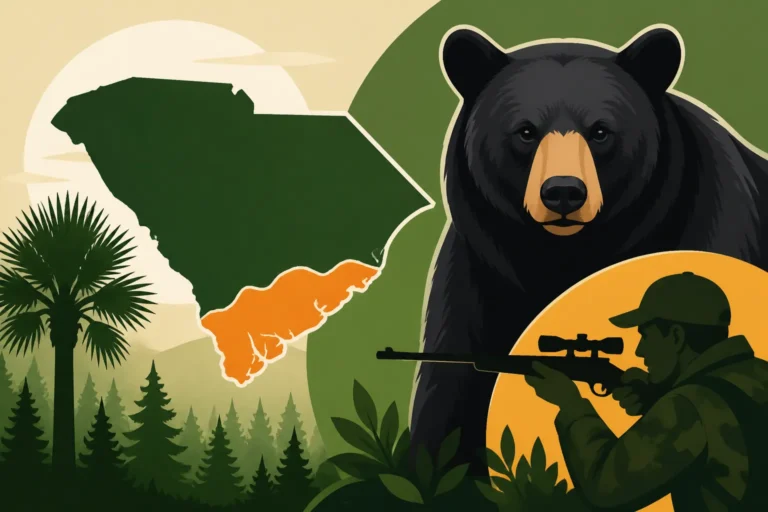
While often overlooked compared to deer and turkey, black bear hunting in South Carolina is a unique and challenging experience, particularly in the Upstate mountains and parts of the coastal plain. Bear hunting is highly regulated, with very limited seasons and specific zones, making a dedicated bear tag an absolute necessity. The cost for a South Carolina bear tag is typically around $25 for residents and $150 for nonresidents.
The seasons are short, usually only a few days, and harvest quotas are in place for certain areas. This strict management is due to the smaller and more localized bear populations compared to deer or turkey. Hunters must secure this bear tag before the season begins, as they are not always readily available once the season approaches. It's also important to be familiar with the two primary bear hunting zones in the state, as regulations and season structures can differ significantly between them. You can find detailed information on South Carolina Bear Tag Requirements and learn more about South Carolina's Two Bear Hunting Zones to plan your hunt carefully.
Specialized Permits for Specific Game or Areas
Beyond the general big game permits, South Carolina's hunting landscape includes specific areas and game species that require additional, more specialized permits. These permits ensure proper management of unique ecosystems like Wildlife Management Areas (WMAs) and specific populations like migratory birds, which are governed by federal as well as state regulations. Each of these permits plays a vital role in funding and regulating specialized hunting opportunities across the state.
Wildlife Management Area WMA Permits
For many hunters, especially those without access to private land, South Carolina's extensive network of Wildlife Management Areas (WMAs) provides crucial public hunting opportunities. However, accessing and hunting on these WMAs requires a separate WMA Permit. This permit is mandatory for all hunters, residents and nonresidents alike, who plan to hunt on any WMA property. The cost for a resident WMA Permit is usually around $30, while nonresidents typically pay about $75.
The WMA Permit isn't just a fee for access; it's a direct investment in the management, maintenance, and enhancement of these public lands. Funds from WMA permits go towards habitat improvement projects, road maintenance, planting food plots, and law enforcement patrols that keep these areas productive and safe for hunting. Some WMAs also operate under quota hunt systems, where hunters must apply and be drawn for limited access. Even for these, the WMA Permit is a foundational requirement. Understanding South Carolina WMA Permit Requirements is your first step to unlocking some fantastic public land hunting. Many hunters find tools like GoHunt invaluable for navigating WMA regulations and boundaries, helping them identify open areas and potential hunting spots with ease.
Migratory Bird Permits and Stamps
If your hunting interests extend to migratory birds—such as ducks, geese, doves, or woodcock—there are specific federal and state requirements you'll need to fulfill. This is where things can get a little more complex, as migratory bird hunting falls under the purview of the U.S. Fish and Wildlife Service as well as the SCDNR.
First, every migratory bird hunter aged 16 and older nationwide must purchase a Federal Duck Stamp. This stamp is not specific to South Carolina; it's a federal requirement, and 98% of its proceeds go directly to conserving wetland habitats for migratory birds across the country. It's truly one of the most effective conservation tools we have. In addition to the Federal Duck Stamp, you'll need a South Carolina Migratory Bird Permit, often referred to as a HIP (Harvest Information Program) certification. This is a free registration that helps the USFWS and SCDNR gather data on migratory bird hunters, which is critical for setting season lengths and bag limits. While HIP is free, the South Carolina Migratory Bird Stamp Cost for a state-specific stamp, often around $10 for residents and $15 for nonresidents, might also be required for certain migratory game birds. Always double-check the current regulations before hitting the dove field or duck blind.
Furbearer and Trapping Licenses
For those interested in pursuing furbearers like bobcats, foxes, raccoons, or opossums, whether through hunting or trapping, specific licenses and regulations apply. While some furbearers can be hunted with a basic hunting license, trapping generally requires a separate trapping license. This is because trapping involves different methods and often different management considerations than hunting.
A South Carolina trapping license is usually required for anyone setting traps for furbearers, with costs typically around $25 for residents and $300 for nonresidents. These licenses ensure that trappers are accountable and that furbearer populations are managed sustainably. Regulations can be quite specific regarding trap types, set locations, and season dates, so it's critical to be thoroughly familiar with the South Carolina Trapping License Requirements before you even think about setting a foothold. Trapping provides an important management tool, especially for species like coyotes and feral hogs, which are often considered nuisance animals.
Youth, Senior, and Special Category Licenses
South Carolina recognizes that hunting is a cherished tradition that spans generations and should be accessible to everyone. To that end, the state offers a variety of discounted or specialized license options for youth, seniors, individuals with disabilities, and active military personnel or veterans. These programs are designed to encourage new hunters, honor seasoned outdoorsmen, and support those who have served our country, making hunting more affordable and accessible for a broader segment of the population.
Youth and Apprentice Licenses
Introducing young people to hunting is vital for the future of conservation, and South Carolina makes it easier with special youth licenses. For residents, children under 16 can often hunt small game without a paid license, though they may still need specific big game tags if they are pursuing deer or turkey. This allows parents to get their children involved in the outdoors without an initial financial barrier.
For those new to hunting, regardless of age, who haven't yet completed a hunter education course, the Apprentice Hunter License is a fantastic program. This license allows an individual to hunt for up to one year under the direct supervision of a licensed mentor (who must be at least 21 years old and have completed hunter education). It’s a trial period, designed to give newcomers a taste of hunting before committing to the full hunter education course. This is a critical stepping stone for many aspiring hunters and you can find more about South Carolina Apprentice Hunter License Rules to see if this is an option for you or a family member. It truly embodies the spirit of South Carolina Mentored Youth Hunting Rules, allowing experienced hunters to pass on their knowledge safely and legally.
Senior and Disability Discounts
South Carolina deeply values its senior citizens and hunters with disabilities, offering substantial discounts and special provisions to ensure they can continue to enjoy the outdoors. For residents aged 64 and older, a senior lifetime license is available. This license, which typically costs around $9, is an incredible value, providing comprehensive hunting and fishing privileges for life at a nominal, one-time fee. It's a way to recognize and reward a lifetime of contributing to the state's community and conservation efforts. You can learn more about South Carolina Senior Hunting License Discounts to see if you qualify.
For hunters with disabilities, South Carolina also offers specific permits and accommodations. These may include disabled hunter permits that allow for certain modifications or assistance in the field, making hunting accessible for those with physical challenges. The SCDNR aims to remove barriers where possible, ensuring that everyone has the opportunity to participate. Details on South Carolina Disabled Hunter Permit Options are available through the SCDNR website and can be life-changing for many passionate hunters facing physical limitations.
Military and Veteran Options
South Carolina is proud to support its active military members and veterans, and this appreciation extends to hunting privileges. The state offers discounted licenses for eligible resident and nonresident active-duty military personnel and veterans. These discounts are a small token of gratitude for their service and sacrifice.
Eligibility for military discounts usually requires proof of active duty status or veteran documentation. The specific discounts and how they apply can vary, so it's always best to check directly with the SCDNR for the most current information. For example, active-duty military stationed in South Carolina may be eligible for resident license prices regardless of their home state. These programs reflect the state's commitment to those who have served. Learning about South Carolina Military Hunting License Discounts can help service members and veterans take advantage of these well-deserved benefits.
How to Purchase and Manage Your Licenses
Once you've figured out exactly which licenses and permits you need, the next step is actually acquiring them. South Carolina has made this process increasingly convenient, offering multiple avenues for purchase and modern ways to manage your credentials. Gone are the days when you absolutely had to visit a physical office; now, technology puts your hunting permits literally at your fingertips.
Online, Phone, and In-Person Options
The most popular and convenient method for purchasing your South Carolina hunting licenses and permits is through the Go Outdoors SC website or its associated mobile app. This platform allows you to buy everything you need from the comfort of your home, anytime, day or night. It’s user-friendly, guides you through the process, and ensures you select the correct licenses based on your residency and hunting plans. Many hunters, especially those who rely on digital tools, appreciate the ease of use. A number of useful apps, including GoHunt, integrate seamlessly with the Go Outdoors SC system, offering additional features for scouting and regulation checks. This makes it a one-stop-shop for managing your hunting life.
If you prefer a more traditional approach, you can still purchase licenses over the phone by calling the SCDNR customer service line, or in person at various authorized license vendors across the state. These vendors often include local sporting goods stores, bait and tackle shops, and some department stores. Buying in person can be a good option if you have specific questions or prefer a physical printout of your license on the spot. No matter your preference, options abound to ensure you can get what you need before hitting the woods. For those looking to streamline their planning, Buying a License on Go Outdoors SC is often the quickest path.
Carrying Proof of License
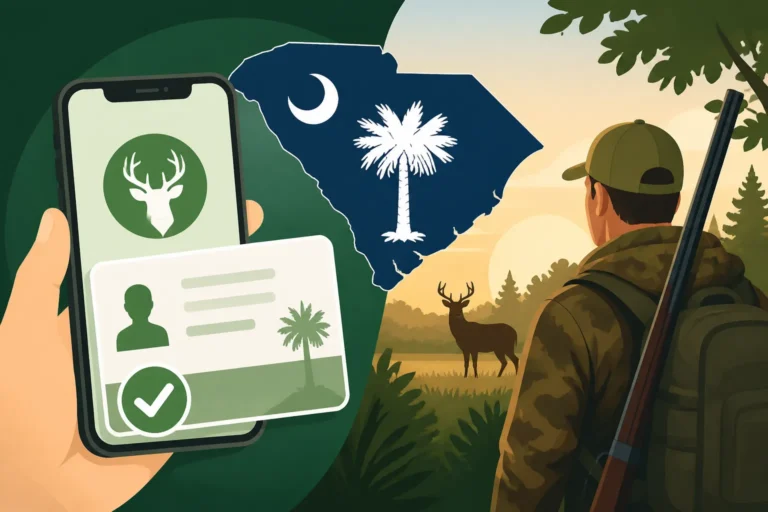
It's one thing to buy your license, but it's another to have it on you when a game warden checks. In South Carolina, you are legally required to carry proof of your current and valid hunting license and all necessary permits while in the field. Fortunately, the SCDNR has embraced technology, allowing hunters to carry digital proof of their licenses. This means you can display your license on your smartphone or other electronic device, which is incredibly convenient.
However, it's always a good idea to have a backup, such as a screenshot on your phone or a physical copy tucked away in your wallet or hunting pack, especially if you hunt in areas with spotty cell service. Nothing ruins a hunt faster than a citation because you couldn't access your license on your phone. Many hunters find that storing their credentials in an app like GoHunt provides a reliable way to access them, even offline. For detailed guidance on this, consider reading Carrying Proof of License on Your Phone to ensure you're always compliant.
License Year and Validity
Understanding the South Carolina license year is crucial for ensuring your permits are always current. Unlike some states that run on a calendar year, South Carolina's hunting and fishing licenses typically operate on a fiscal year cycle. This means they are generally valid from July 1st of one year through June 30th of the following year. So, a license purchased in August 2024 would be valid until June 30th, 2025.
It's a common mistake for hunters to assume their license is valid for a full 12 months from the date of purchase, but that's often not the case with South Carolina's system. Always check the expiration date printed on your license. This staggered system means you might be purchasing your new license for the upcoming season in late summer, even if your current one hasn't expired yet. Being aware of the South Carolina License Year Start Date helps you plan your renewals and avoid any lapses in coverage, ensuring you're always ready for opening day.
Important Considerations Beyond the Price Tag
While understanding the various costs and types of South Carolina hunting licenses is crucial, true preparedness goes beyond just the financial aspect. There are equally important requirements and philosophies that every hunter, new or seasoned, should embrace. These elements ensure not only your legal compliance but also your safety, the well-being of the wildlife, and the preservation of our hunting heritage.
Hunter Education Requirements
Before anyone can purchase an annual South Carolina hunting license (unless they are under 16 or qualify for an apprentice license), they must successfully complete a hunter education course. This is not just a formality; it's a foundational requirement designed to instill safety, ethics, and knowledge of wildlife conservation in every hunter. These courses cover critical topics such as firearm safety, hunting regulations, wildlife identification, shot placement, survival skills, and ethical behavior in the field.
Hunter education courses are offered both in traditional classroom settings and through approved online platforms, making it flexible for different schedules. For many, taking South Carolina Hunter Education Online provides a convenient way to meet this requirement. The skills and knowledge gained from these courses are invaluable, preventing accidents, promoting responsible hunting practices, and fostering a deep respect for wildlife. If you’re an adult looking to start hunting, this is your mandatory first step, and the investment of time is far more valuable than any dollar spent on a license.
Staying Informed About Regulations
The world of hunting regulations is dynamic; rules can change from year to year, and sometimes even mid-season, due to wildlife population shifts, legislative updates, or environmental factors. Relying on what you "heard" last year or what applies in a neighboring state is a recipe for trouble. Every responsible hunter in South Carolina makes it a habit to obtain and thoroughly review the current year's SCDNR Hunting and Fishing Regulations Guide.
This guide is your bible for legal hunting. It details season dates, bag limits, weapon restrictions, WMA rules, and all other pertinent laws. It’s available online as a PDF, and physical copies are often distributed at license vendors. Furthermore, utilizing modern tools and apps like GoHunt can provide real-time updates and interactive maps that integrate regulation boundaries. Always double-check any information you get informally against the official guide. Staying truly informed ensures you’re not only compliant but also participating ethically and safely, respecting the rules designed to protect our natural resources.
The Value of Your License Dollars
When you purchase a South Carolina hunting license or permit, you're not just paying a fee; you are directly investing in the future of wildlife conservation. The vast majority of funds generated from hunting license sales go directly to the SCDNR, where they are earmarked for a wide array of conservation programs. This includes habitat restoration and management on public and private lands, wildlife research and population surveys, game law enforcement, hunter education initiatives, and the acquisition of new public hunting lands.
Furthermore, these state-generated funds are often matched by federal dollars through the Pittman-Robertson Act, a monumental piece of legislation from 1937 that levies an excise tax on firearms, ammunition, and archery equipment. This means that every time you buy a box of shells or a new bow, a portion of that money also goes directly into wildlife conservation, further amplifying the impact of your license fees. So, while the costs may sometimes seem daunting, especially for nonresidents, it's a small price to pay for the incredible privilege of hunting in a state as rich in natural resources as South Carolina, knowing that your contribution directly supports the very wildlife and wild places we cherish. It's a testament to the powerful funding model created by hunters, for conservation.
South Carolina Hunting License and Permit Costs Overview
To help you get a clear picture of the various costs, here's a general overview. Keep in mind that these are approximate figures and can change annually. Always check the official SCDNR website for the most current pricing.
| License/Permit Type | Resident Annual (Approx. Cost) | Nonresident Annual (Approx. Cost) | Notes |
|---|---|---|---|
| Base Hunting License | $12 | $150 | Required for all hunting. |
| Hunt/Fish Combo License | $25 | $225 | Combines hunting & fishing privileges. |
| 3-Day Nonresident Hunting | N/A | $75 | Short-term option for nonresidents. |
| 10-Day Nonresident Hunting | N/A | $125 | Longer short-term option for nonresidents. |
| Big Game Permit (Deer) | $30 | $100 | Required for deer hunting; includes tags. |
| Bonus Antlerless Tags | $5 per tag | N/A (generally residents only) | For additional antlerless deer harvest. |
| Turkey Permit | $5 | $100 | Required for turkey hunting; includes tags. |
| Bear Tag | $25 | $150 | Required for bear hunting; very limited seasons/zones. |
| WMA Permit | $30 | $75 | Required for hunting on all Wildlife Management Areas. |
| Federal Duck Stamp | $25 | $25 | Required for migratory waterfowl (all hunters 16+). |
| SC Migratory Bird Permit | Free (HIP) | Free (HIP) | Required for migratory bird hunters (state registration). |
| SC Migratory Bird Stamp | $10 | $15 | Additional state stamp for migratory birds (check specific rules). |
| Trapping License | $25 | $300 | Required for trapping furbearers. |
| Senior Lifetime (64+) | $9 | N/A | Resident-only; comprehensive hunting/fishing for life. |
| Youth Licenses | Often free/reduced | Free/reduced (check specifics) | Varies by age and game type. |
| Apprentice Hunter License | $5 | $20 | Allows hunting under mentor for one year without hunter education. |
Disclaimer
The information provided in this guide is for general informational purposes only and is subject to change. Hunting regulations, license costs, and season dates are determined by the South Carolina Department of Natural Resources (SCDNR) and can be updated annually or more frequently. Always consult the official SCDNR Hunting and Fishing Regulations Guide and their website (dnr.sc.gov) for the most current and accurate information before planning and executing any hunting activity. Failure to comply with all applicable laws and regulations may result in fines or penalties.