Running a Trapline in Rural South Carolina
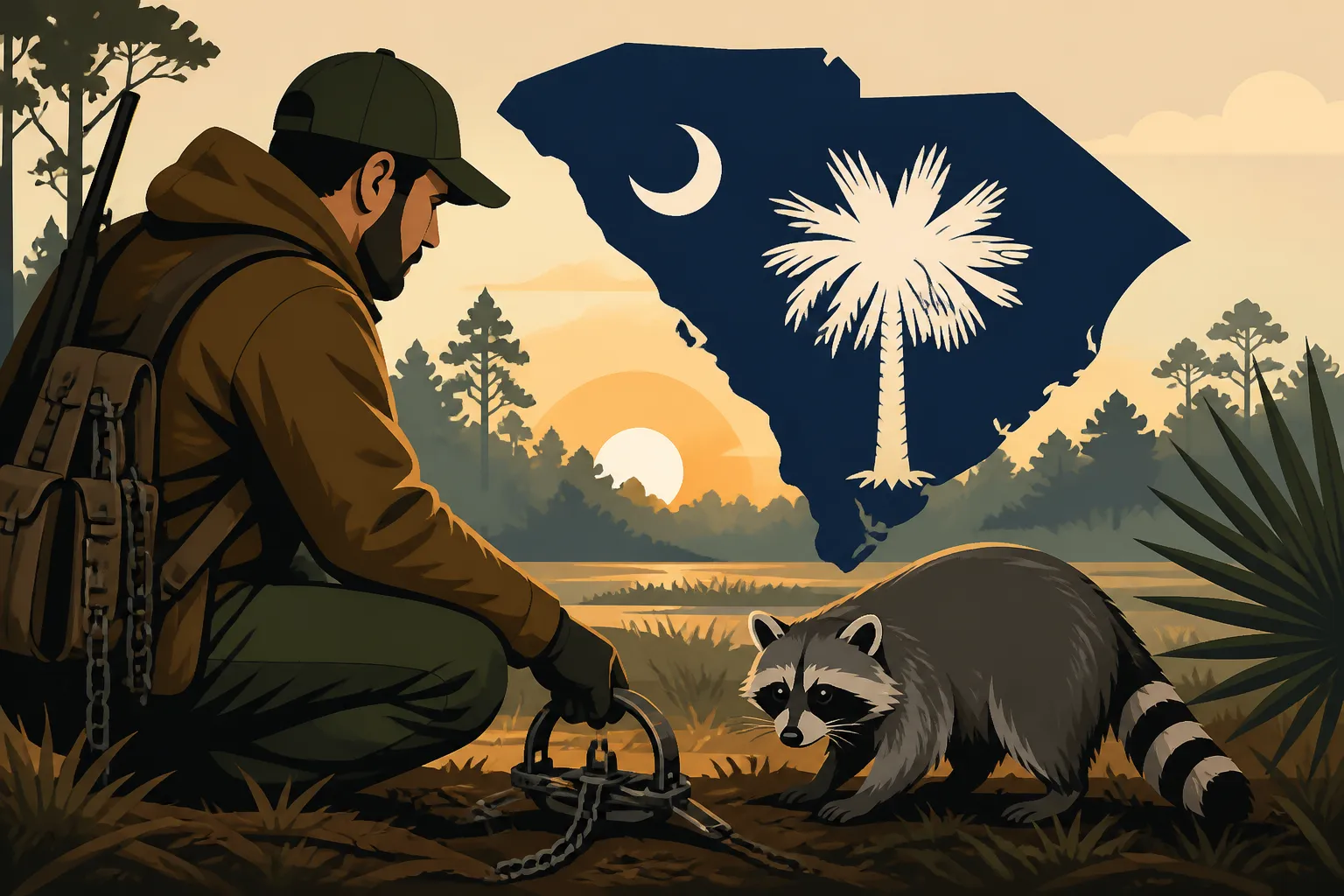
Running a trapline in rural South Carolina offers a tangible connection to the land and a practical way to manage wildlife, whether you're addressing nuisance animals or harvesting furbearers. However, it's not as simple as just putting out a trap; you need to understand the Palmetto State's specific regulations, target the right species, and employ ethical, effective techniques. This comprehensive guide will walk you through the nuances of establishing and maintaining a productive trapline here in South Carolina.
Understanding South Carolina's Trapping Regulations
Before you even think about stepping into the woods with a trap, it's absolutely critical to familiarize yourself with South Carolina's trapping laws. These regulations are in place for a reason – to ensure humane treatment of animals, protect non-target species, and maintain healthy wildlife populations. Ignoring them can lead to hefty fines, loss of privileges, and a black mark on our shared hunting and trapping heritage.
Licensing and Permits for Trapping in South Carolina
Just like with hunting or fishing, a valid license is your first step. In South Carolina, if you plan to trap furbearers, you'll need a specific trapping license in addition to your basic hunting license. The good news is that residents and non-residents alike can obtain these, though the costs will differ. It’s important to remember that these licenses are typically valid for a set period, usually from July 1st to June 30th of the following year. You can purchase these through the SCDNR website or at authorized vendors across the state.
Beyond the basic trapping license, there might be additional permits or requirements depending on what you're trapping and where. For instance, if you're targeting nuisance wildlife outside of established furbearer seasons on your own property, the rules can be a little different. However, for recreational or commercial trapping of furbearers like bobcats, foxes, raccoons, and opossums, that dedicated trapping license is non-negotiable. Always double-check the most current regulations on the South Carolina Department of Natural Resources (SCDNR) website or through the Go Outdoors SC App, which is a fantastic resource for quick checks in the field. Having proof of your license on your person is a must, so make sure it's readily accessible. For a detailed breakdown of costs, you'll want to check out the article on South Carolina Trapping License Requirements.
Legal Trap Types and Restrictions
South Carolina permits a variety of trap types, but there are important restrictions on their use, especially concerning body-gripping traps (like Conibears) and snares. For many furbearers, footholds are a popular and effective choice. However, even with footholds, there are limitations on jaw spread and the type of padding or laminations required to minimize injury to animals. For example, traps used on land for fox or bobcat generally have specific size limits.
Snares are legal in South Carolina for certain species, but they often come with their own set of rules regarding cable diameter, break-away devices, and how far they must be set from public roads or dwellings. Body-gripping traps, like the popular Conibear 220 or 330, are typically restricted to water sets or for specific nuisance control scenarios where the risk to non-target animals is significantly reduced. You can't just set a large Conibear willy-nilly in the middle of a deer trail. The spirit of these laws is animal welfare and preventing incidental take of non-target species, including domestic pets. So, always read the fine print about what's allowed for each species and location.
It's also worth noting the "setback" rules. You can't set traps within a certain distance of a public road, highway, or occupied dwelling without explicit written permission from the landowner or resident. These rules help prevent accidental captures of pets or harm to passersby. Always prioritize safety and adherence to these regulations.
Seasonal Considerations for Furbearers
Unlike deer season, which has staggered openers across the state's four zones, furbearer trapping seasons are generally more uniform statewide, but they do exist and are strictly enforced. You can't just trap year-round for every species. For example, the season for red fox, gray fox, bobcat, raccoon, and opossum typically runs from December 1st to March 1st. This timing is intentional, as it coincides with when furbearer pelts are at their prime quality, meaning thicker, richer fur.
However, certain animals, like coyotes and feral hogs, have much more liberal seasons due to their designation as nuisance animals that cause significant ecological and agricultural damage. In fact, When South Carolina Coyote Season Runs and South Carolina Feral Hog Regulations are designed to encourage year-round removal on private lands, recognizing their destructive impact. Still, even with these species, if you plan to trap them on WMA land, specific regulations and seasons will apply. Always consult the current SCDNR regulations manual or use a reliable app like GoHunt to confirm the exact dates for South Carolina Raccoon Season Dates or South Carolina Fox and Bobcat Trapping Season before you put out your first trap.
Choosing Your Trapline Location and Target Species
A successful trapline starts long before you ever set a trap. It begins with diligent scouting, understanding your quarry, and securing access to productive land. You can have the best traps and lures in the world, but if they're in the wrong spot, you'll be checking empty sets every day.
Scouting for Prime Trapping Locations
Scouting is the cornerstone of any effective trapping effort. You're looking for signs of animal activity – tracks, scat, rub marks, dens, and travel corridors. In South Carolina, this could mean anything from the thick bottomland hardwoods along the Pee Dee River to the mixed pine and hardwood forests of the Upstate or the vast agricultural fields in the Lowcountry.
Consider areas where different habitats meet, often called "edge habitat." These are natural highways for many furbearers. Think about the transition where a dense pine plantation meets an old hardwood creek bottom, or where a farmer's field backs up to a dense thicket. Creek crossings, drainage ditches, old logging roads, and even abandoned homesteads can be hotspots. These locations naturally funnel animals, making your trap placement more efficient. For species like beaver, you'll be looking for signs of their work directly in waterways – chewed trees, dams, and lodges.
Using aerial maps and topographic maps from services like the GoHunt app can give you a bird's-eye view of potential pinch points and travel routes without even stepping foot in the woods. Look for funnels, bottlenecks, and natural barriers that concentrate animal movement. Overlays showing property boundaries are also invaluable, especially if you're Getting Private Land Permission in South Carolina. The more time you spend scouting before the season, the less time you'll spend checking empty traps once it opens.
Identifying Target Species and Their Sign
South Carolina is home to a variety of furbearers and nuisance animals that can be targeted with traps. Each species has its own habits, preferred habitats, and tell-tale signs.
- Coyotes: These opportunistic predators are found statewide. Look for tracks that are typically more oval and symmetrical than a domestic dog, scat containing hair and bone fragments, and even faint trails along field edges or logging roads. South Carolina Coyote Population and Density is high, making them a common target.
- Bobcats: More secretive than coyotes, bobcats prefer dense cover. Their tracks are rounder, lacking visible claw marks in normal stride, and you might find them along creek banks, swamp edges, or old logging roads that offer good cover. They often use similar travel routes as deer. Check out South Carolina's Recovering Bobcat Population for more insights.
- Raccoons: Highly adaptable, raccoons are found virtually everywhere, especially near water sources like creeks, ponds, and swamps. Look for their distinctive "hand-like" tracks in mud and scat piles, often on logs or rocks near water. South Carolina Raccoon Season Dates makes them a popular target.
- Foxes (Red and Gray): Both species are present, with gray foxes preferring more wooded areas and red foxes often found in open fields and farmlands. Their tracks are smaller and more delicate than coyotes, and you might find their scat on prominent objects marking their territory.
- Opossums: Another common, adaptable species found in a wide range of habitats. Their tracks are unique, with the hind foot having a thumb-like digit. They often scavenge and are frequently caught incidentally to other targets. You can find more specific information about South Carolina Opossum and Skunk Trapping to target them specifically.
- Beavers: These aquatic engineers are found in swamps, rivers, and ponds. Look for fresh cuttings, dam construction, lodges, and distinct trails or "slides" where they enter and exit the water. South Carolina Beaver Population and Damage means they can often be a nuisance animal that requires trapping.
- Feral Hogs: While technically not a furbearer, hogs are a significant nuisance animal in South Carolina. They are incredibly destructive and can be trapped. Look for rooting, wallows, rubs on trees, and tracks. Trapping is often the most effective method for large-scale removal.
Navigating Public vs. Private Land Access
The vast majority of successful trapping in South Carolina occurs on private land. This is primarily because public lands, particularly Wildlife Management Areas (WMAs) and National Forests, often have very specific and restrictive trapping regulations, or they may not allow it at all. Always consult the SCDNR regulations specific to the WMA you are interested in. National Forests like Francis Marion and Sumter may have different rules than state WMAs.
On private land, permission is paramount. You absolutely must have written permission from the landowner to trap. This isn't just common courtesy; it's the law. Approaching landowners politely, explaining your intentions (whether it's managing nuisance coyotes or harvesting raccoons for their fur), and offering to share any meat or provide pest control can go a long way. Many landowners appreciate the help in managing problem animals that impact their crops or livestock. Building good relationships with landowners is key to long-term trapping opportunities in rural South Carolina.
Essential Trapping Gear and Setup Techniques
Once you've done your scouting and secured your locations, it's time to gather your gear and learn the art of setting traps effectively. This isn't just about throwing a trap on the ground; it's about precision, concealment, and understanding how an animal interacts with its environment.
Selecting the Right Traps for Your Quarry
The type of trap you choose depends heavily on your target species and the regulations. Here's a breakdown of common trap types:
| Trap Type | Target Species | Best Use | Pros | Cons |
|---|---|---|---|---|
| Foothold | Coyotes, Foxes, Bobcats, Raccoons, Opossums | Land sets, dirt holes, flat sets, blind sets | Versatile, reusable, species-specific | Requires more skill for proper set & concealment |
| Body-Gripper | Raccoons, Opossums, Skunks, Beavers, Muskrats | Water sets, cubbies, trail sets (with restrictions) | Quick, humane dispatch | High risk to non-target animals if misused |
| Snares | Coyotes, Foxes, Hogs | Trail sets, fence crossings, den entrances | Lightweight, effective, cost-efficient | High risk to non-target if not set properly |
| Cage Traps | Raccoons, Opossums, Skunks, Feral Hogs | Nuisance control, live capture for relocation/dispatch | Non-lethal (for live capture) | Bulky, can be avoided by wary animals |
For trapping South Carolina Raccoon and Bobcat, footholds are a popular choice. For coyotes, larger footholds or snares are often used. Beavers are typically taken with body-gripping traps or specialized conibear-style traps designed for water sets. Investing in quality traps is important; they need to be durable, reliable, and able to withstand the elements. Brands like Duke, Victor, Bridger, and MB Traps are well-regarded among trappers.
Beyond the traps themselves, you'll need:
- Trowel or digging tool: For creating dirt holes and bedding traps.
- Hammer or stakes: To anchor traps securely.
- Gloves: Scent control is critical. Use dedicated trapping gloves to avoid leaving human odor.
- Sifters: To apply a fine layer of dirt over your trap for concealment.
- Pry bars or trap setters: To safely set body-gripping traps.
- Wire or cable cutters: For snares and trap repair.
- Heavy-duty pack: To carry all your gear.
Baits, Lures, and Attractants That Work
A good bait or lure can significantly increase your success rate. These aren't just for attracting animals; they're for guiding them exactly where you want them – onto the trap pan.
- Baits: These are typically food items. For canines (coyotes, foxes), spoiled meat, commercial predator baits (often a blend of meat, glands, and preservatives), or even rotten eggs can be effective. For raccoons and opossums, sweet baits like marshmallows, fruit, corn, or commercial sweet pastes work wonders. Beavers respond well to castor lure, which mimics their own scent, or fresh green branches like aspen or willow.
- Lures: These are highly concentrated scents designed to stimulate an animal's curiosity, territorial instincts, or hunger. Gland lures, which come from the animal's own scent glands, are very effective for coyotes and bobcats, as they tap into their social behavior. Curiosity lures, often made from skunk essence or other pungent odors, can draw in a variety of animals.
- Urines: Predator urines (coyote, fox, bobcat) can act as powerful territorial attractants, drawing in other predators to investigate an "intruder." They can be used directly at a set or upwind to draw animals closer.
The key is often a combination of all three. A "dirt hole" set for coyotes, for instance, might involve digging a hole, placing a chunk of rotten meat (bait) inside, dabbing a gland lure on the lip of the hole, and a squirt of coyote urine near the set. This simulates a cached kill, a territorial marker, and an interesting smell, all designed to make the coyote step on your carefully concealed trap. Experimentation is crucial, as what works one day or in one location might not work in another.
Mastering Trap Placement and Concealment
This is where trapping becomes an art. Proper trap placement and concealment are paramount for consistent success.
- Location, Location, Location: As mentioned in scouting, place traps in natural funnels, pinch points, or areas of high activity. For land sets, look for subtle changes in terrain, logs crossing trails, or even where a fence line narrows a travel corridor. For water sets, focus on beaver runs, narrow channels, or culverts.
- Trap Bedding: A trap that moves or wobbles when an animal steps near it will spook them. The trap needs to be bedded solid, meaning it's dug in and packed tightly with dirt so it feels like a natural part of the ground. Use a trowel to dig a bed slightly larger than the trap, place the trap, and then pack soil around it.
- Concealment: This is critical for wary animals like coyotes and foxes. After bedding, sift a fine layer of local dirt over the entire trap, pan included, until it's completely hidden. Blend it with the surrounding environment. Use natural elements like grass, leaves, or pine straw to make it look undisturbed. Avoid leaving large clumps of dirt or unnatural-looking disturbed ground.
- Scent Control: Always wear clean gloves dedicated solely to trapping when handling traps, bait, and lure. Even a faint human scent can be enough to deter an animal, especially wary canines. Some trappers even "age" their traps by leaving them outside to weather and lose any manufacturing odors.
- Anchoring: Securely anchor your traps. This is often done with rebar stakes, earth anchors, or by chaining to a heavy log. An animal caught in a trap will pull and fight, and a poorly anchored trap means a lost animal. Consider the terrain; in sandy lowcountry soils, you might need longer or multiple stakes.
A well-made set looks completely natural, yet funnels the animal into stepping on that one precise spot. It takes practice and attention to detail, but the reward of a well-executed set is undeniable.
Running Your Trapline Effectively and Ethically
Once your traps are set, the real work of running a trapline begins. This involves daily checks, humane animal handling, proper processing, and continuous learning. Ethics should always be at the forefront of every trapper's mind.
Daily Trap Checks and Animal Handling
South Carolina law, like most states, mandates that all traps must be checked at least once every 24 hours. This isn't just a rule; it's a critical ethical responsibility. Daily checks ensure that:
- Animal Welfare: Any animal caught is dispatched humanely and quickly, minimizing stress and suffering.
- Hide Quality: Prolonged exposure to the elements or other predators can damage a valuable pelt.
- Prevent Escape: An animal left too long might chew out of a trap or pull free from a compromised anchor.
- Security: Traps are less likely to be stolen or tampered with if checked regularly.
When approaching a set, do so cautiously and quietly. You never know what might be in the trap, and safety is paramount. If an animal is present, approach from a direction that keeps the animal calm and allows you to execute a quick, humane dispatch. For smaller furbearers, a sharp rap to the head is often sufficient. For larger animals like coyotes, a well-placed shot from a small-caliber firearm (.22LR) is standard practice. Always ensure you have a safe backdrop and adhere to all firearm safety rules. If you're using live-catch traps, you'll need a plan for dispatch or relocation as per regulations.
After dispatch, handle the animal with care. Carry it in a clean bag or on a drag to avoid contaminating other sets with blood or human scent. Remember, trapping isn't just about the catch; it's about the responsible follow-through.
Processing Your Harvest and Hide Preparation
The effort you put into skinning and hide preparation directly impacts the value of your harvest. Whether you're selling furs or tanning hides for personal use, meticulous care is essential.
- Skinning: This requires a sharp knife and a steady hand. The goal is to remove the hide cleanly, minimizing cuts to the fur and leaving as little meat and fat on the pelt as possible. Different animals are typically skinned in different ways – "cased" (like pulling off a sweater, leaving a tube of fur) for most furbearers like fox, bobcat, and raccoon, and "open" (cut down the belly) for beaver and sometimes coyote.
- Fleshing: This is arguably the most crucial step for maximizing hide value. Fleshing involves removing all excess fat and muscle tissue from the inside of the hide. Tools like a fleshing beam and a dull fleshing knife are invaluable. Removing all fat prevents "grease burn" which can damage the fur and cause hair slip.
- Stretching and Drying: Once fleshed, the hide is stretched onto a suitable board or wire stretcher, fur-side in (for cased hides), and allowed to dry in a cool, dry, well-ventilated area. Never dry hides in direct sunlight or with excessive heat, as this can damage the fur. The hide should be periodically checked, and adjustments made to the stretcher to ensure even drying and proper shape.
This entire process, from skinning to drying, is often called "putting up" the fur. Learning proper techniques from experienced trappers or online resources is highly recommended if you're new to it. The quality of your put-up fur directly influences what a fur buyer will pay.
Record Keeping and Continual Learning
A good trapper is always learning and adapting. Keeping detailed records can be a powerful tool for improving your success year after year. Note down:
- Location of each set: GPS coordinates or detailed descriptions.
- Type of set and trap used: Dirt hole, flat set, water set, snare, foothold, etc.
- Bait and lure used: Be specific.
- Weather conditions: Temperature, precipitation, wind direction.
- Species caught and date:
- Any observations: Missed animals, signs of other animals, trap disturbance.
Reviewing these records can help you identify patterns, understand what works best in certain conditions or locations, and fine-tune your strategies. For instance, you might discover that a particular lure works better on coyotes in December than in February, or that a specific type of set is more productive near a certain kind of cover. Apps like GoHunt might offer features for logging catches and observations, making this process even easier.
Continual learning is also about staying current with regulations, participating in trapper education courses, and connecting with other experienced trappers. The trapping community in South Carolina is generally welcoming, and many veterans are happy to share their knowledge, ensuring the traditions and ethics of trapping are passed down responsibly.
Disclaimer
The information provided in this guide is for general informational purposes only and does not constitute legal advice. Hunting and trapping regulations in South Carolina can change, and it is the sole responsibility of the individual hunter or trapper to review and comply with all current federal, state, and local laws and regulations before engaging in any hunting or trapping activities. Always consult the official South Carolina Department of Natural Resources (SCDNR) website and regulations guide for the most up-to-date and accurate information.