Rain Gear for a South Carolina Downpour
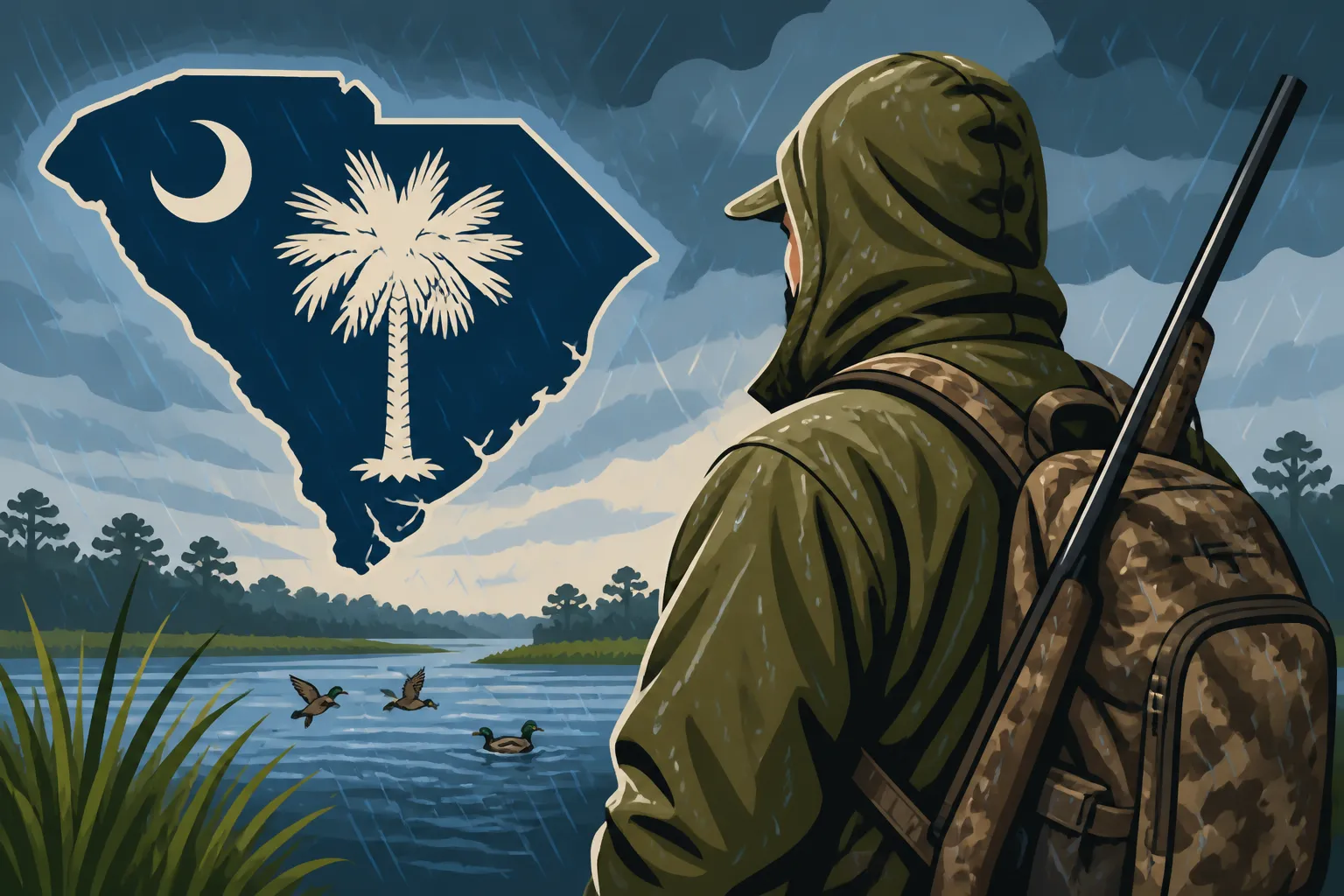
If you've spent any time hunting in South Carolina, you know the feeling: one moment the sun is beating down, and the next, the sky opens up with a vengeance. Getting caught unprepared in a Lowcountry deluge or an Upstate cloudburst isn't just uncomfortable; it can ruin a hunt, make you miserable, and even become a safety concern if you're far from warmth. This guide is all about equipping you with the knowledge to pick out the best rain gear, so you can stay dry, comfortable, and focused, no matter what Mother Nature throws at our beautiful state.
The Unique Challenges of South Carolina Rain
South Carolina's weather can be a real character, often swinging from glorious sunshine to torrential downpours in the blink of an eye. This isn't your average drizzle; our rain comes with its own set of particular challenges that demand specialized rain gear solutions. You can't just grab any old waterproof jacket and expect to stay dry and comfortable here.
Humidity and Heat: A Double Whammy
One of the biggest frustrations hunters face in South Carolina is the inescapable humidity, even when it's raining. A cool, crisp rain might be refreshing elsewhere, but here, it often feels like you're hunting inside a sauna. The air is thick with moisture, and your body is still working hard, generating heat and sweat. If your rain gear isn't designed to handle this unique combination of external wetness and internal perspiration, you'll end up just as soaked from the inside out. You might be completely waterproof on the exterior, but if that sweat has nowhere to go, it condenses and clings to your skin and clothing, leaving you clammy and uncomfortable.
Imagine sitting in a treestand during the early archery season in August, when temperatures can still hover in the 80s even with rain. You've climbed up, settled in, and then a heavy shower begins. If your rain jacket doesn't breathe, that exertion combined with the humid air trapped inside turns into a sticky, miserable experience. You're effectively steaming yourself, and that clammy feeling can be just as distracting and uncomfortable as being outright wet. For those moments, Warm-Weather Clothing for South Carolina Hunters needs to be part of the thought process, even for rain gear.
Sudden Storms and Prolonged Drips
South Carolina is famous for its pop-up afternoon thunderstorms, especially during the spring and summer months. These aren't just light showers; they can be absolute deluges, dumping inches of rain in a short amount of time, often accompanied by strong winds and lightning. You might start your morning hunt with clear skies and feel completely safe, only to have a massive storm roll in unexpectedly, trapping you miles from your truck or camp. Your rain gear needs to be capable of handling these intense, high-volume events without fail.
Then, there are the days of prolonged, steady drips, particularly common during the cooler late fall and winter seasons. These might not be as dramatic as a summer squall, but they are relentless. Hour after hour of constant moisture can eventually penetrate even seemingly waterproof gear if it's not truly up to the task. You might be still-hunting along some Reading South Carolina Mud for Fresh Deer Movement in a persistent drizzle, and after a few hours, you realize your knees or shoulders are starting to feel damp. Dealing with both the sudden, intense downpours and the long, drawn-out wet spells requires versatile and reliable protection.
Terrain and Movement Considerations
Hunting in South Carolina means navigating a diverse range of challenging terrain, from dense pine thickets and tangled briar patches to flooded bottomlands and cypress swamps. Your rain gear can't just be waterproof; it needs to be durable enough to withstand the abuse of pushing through thick cover without tearing. A flimsy shell might keep you dry in an open field, but it won't last long when you're busting through a briar patch on the edge of a clear-cut or navigating a Funnel Between Two Swamps.
The need for quiet movement is another huge factor. Deer, turkeys, and other game animals have incredibly keen hearing. If your rain gear rustles, crinkles, or rubs loudly with every step, you're broadcasting your presence long before you get within range. Many waterproof fabrics, especially older or cheaper varieties, can be notoriously noisy, turning every stalk into a symphony of artificial sound. Trying to move silently through a wet forest while your jacket crackles with every step is an exercise in futility. It requires careful consideration of both fabric type and fit to ensure you can move as stealthily as possible, even in adverse conditions.
Key Features to Look for in South Carolina Rain Gear
When you're trying to outwit a wily buck or call in a gobbler in South Carolina, your gear needs to be an asset, not a hindrance. That's especially true for rain gear, which has to perform under some of the most challenging conditions. It's not just about shedding water; it's about doing so without compromising your hunt.
Waterproofing Ratings and Materials
At the core of any good rain gear is its ability to actually keep water out. Don't fall for "water-resistant" claims if you expect to stay dry in a genuine South Carolina downpour. You need truly waterproof materials. This usually means a garment features a waterproof/breathable membrane, often laminated to the fabric. Brands employ various technologies, but generally, you're looking for something that boasts a high hydrostatic head rating – a measurement of how much water pressure the fabric can withstand before leaking. Look for membranes like Gore-Tex (a widely recognized name), eVent, Pertex Shield, or proprietary options from outdoor brands. These advanced materials have microscopic pores that are too small for liquid water droplets to pass through, but large enough for water vapor (sweat) to escape.
Beyond the membrane itself, pay close attention to the construction. Even the best waterproof fabric is useless if water can seep in through the seams. High-quality rain gear will have all its seams "taped" or "welded," meaning a waterproof tape or sealant has been applied over every stitched seam to prevent leakage. Also, look for Durable Water Repellent (DWR) coatings on the outer fabric. While DWR doesn't make a fabric waterproof, it causes water to bead up and roll off, preventing the outer layer from becoming saturated, which in turn helps the waterproof membrane breathe more effectively. If your outer fabric gets waterlogged, it can create a "wet face" that significantly reduces breathability, making you feel clammy.
Breathability: The Unsung Hero
As we touched on earlier, breathability is paramount, especially in South Carolina's notorious humidity. Waterproofing keeps the rain out, but breathability lets your sweat vapor escape. Without it, you’re creating your own personal rainstorm on the inside. Imagine hiking into a remote stand in the Francis Marion National Forest Hunting during a summer shower. Your heart rate is up, you're generating body heat, and even though it's raining, you're sweating like crazy. If that sweat can't escape through your rain gear, it condenses against the cool inner fabric, saturating your base layers. This isn't just uncomfortable; it can lead to a dangerous chill once you stop moving, even if the air temperature isn't particularly cold.
Good breathable rain gear feels less like wearing a plastic bag and more like wearing a second skin. Features that enhance breathability include the quality of the membrane itself, but also design elements like pit zips (zippers under the arms) and full-length leg zippers on rain pants. These allow you to actively vent heat and moisture when you're exerting yourself, and then close them up when you're sitting still and need maximum protection. When researching options, a resource like GoHunt can be invaluable for finding detailed, hunter-specific reviews that often highlight how well different gear performs in humid, active scenarios. They often break down the technical specifications and real-world performance that matter most to hunters.
Durability and Quietness for the Hunt
South Carolina's woods are not kind to flimsy gear. Whether you're pushing through thick palmetto in the Lowcountry or scrambling over rocky terrain in the Upstate, your rain gear needs to be tough. Snags, thorns, and abrasive surfaces can quickly turn expensive waterproof fabric into a leaky mess. Look for fabrics with a higher denier rating (a measure of fabric thickness and durability) in high-wear areas like the shoulders, elbows, and knees. Ripstop weaves are also a huge plus, as they help prevent small punctures from turning into large tears.
Equally important for hunters is quietness. Nothing will ruin a close encounter faster than the crinkling sound of stiff, noisy rain gear. Some waterproof membranes and outer fabrics, particularly cheaper ones, can sound like you're wearing a potato chip bag. For stalking or still-hunting, this is a deal-breaker. Seek out fabrics that are soft, pliable, and designed to minimize noise when you move. Often, this means a brushed face fabric or a more supple, less rigid membrane. High-end hunting-specific rain gear often prioritizes quietness alongside waterproofing and breathability, understanding that silence is just as crucial as staying dry. Before you invest, try on the gear and move around in it to assess its sound profile. Checking out platforms like GoHunt for hunter reviews can also give you insight into how noisy specific pieces of gear are in the field, as experienced users often comment on this critical aspect.
Types of Rain Gear for Different South Carolina Scenarios
Just like you wouldn't use the same rifle for deer and squirrel hunting, you wouldn't necessarily want the same rain gear for every hunting scenario in South Carolina. Our diverse seasons and terrains call for different levels of protection and features. Understanding the distinctions can help you pick the right tool for the job.
Lightweight Packable Shells for Pop-Up Storms
For those unpredictable South Carolina days when the forecast is iffy, or you just want a reliable "just in case" option, lightweight packable shells are your best friend. These are typically minimalist jackets, and sometimes matching pants, designed to be incredibly light and compress down to a tiny size, easily fitting into a small corner of your daypack. They often feature thinner waterproof/breathable membranes and less durable face fabrics to keep the weight down.
The main advantage here is portability. You can stash a jacket like this in your pack for a Packs for a Sumter Forest Day Hunt or a quick morning sit, knowing you have emergency protection if a surprise shower rolls in. Think of the sudden, intense but often short-lived thunderstorms of late summer or early fall. These shells are perfect for those situations, offering immediate protection without weighing you down or taking up much space. The trade-off is often in durability and long-term comfort for extended periods of heavy rain. They might lack the robust features like multiple pockets, heavy-duty zippers, or reinforced high-wear areas found in more substantial gear. However, for sheer convenience and peace of mind when the weather is uncertain, they're hard to beat.
Mid-Weight Systems for All-Day Comfort
When you're expecting consistent rain, or if you're planning a full day afield in potentially wet conditions, a mid-weight rain system is usually the sweet spot. These setups offer a better balance of durability, breathability, and features compared to the ultra-light shells. They typically include both a jacket and pants, often with more robust waterproof/breathable membranes and tougher face fabrics that can withstand more abuse from briars and brush.
Mid-weight gear is designed for sustained comfort during active hunting in moderate to heavy rain. They often incorporate features like adjustable hoods, cuffs, and waistbands, multiple pockets with waterproof zippers, and sometimes even articulated knees and elbows for better freedom of movement. This is the gear you want when you're Hunting Lowcountry Swamp Deer and know you'll be dealing with persistent dampness, or when the forecast calls for an all-day drizzle while you're stalking a ridge. You can layer effectively underneath them with appropriate Lightweight Layering for Warm-Weather Sits or warmer insulation for colder conditions, making them incredibly versatile for much of South Carolina's hunting season. They're built to keep you dry and comfortable without making you feel bogged down or overly restricted, allowing you to focus on the hunt.
Heavy-Duty Gear for Extreme Conditions
For the most brutal conditions South Carolina can throw at you – think bone-chilling cold rain, extended periods of torrential downpour, or severe weather that demands maximum protection – heavy-duty rain gear steps up to the plate. This is the most rugged, often thickest, and sometimes least breathable option, but it prioritizes absolute waterproofing and durability above all else. These systems are typically constructed with very tough, high-denier fabrics, reinforced in critical areas, and often feature the most advanced and robust waterproof membranes.
While they might not be the most comfortable for high-exertion activities due to their weight and sometimes reduced breathability, they are engineered to keep you dry when nothing else will. If you're planning a late-season hunt into January, battling a cold, driving rain, or engaging in activities where remaining absolutely dry is critical for safety and comfort, this is the gear you need. Hunters who spend extended periods in exposed positions or those who know they'll be facing truly nasty weather often opt for this level of protection. While a platform like GoHunt provides general insights, pay close attention to user reviews specifically mentioning cold, wet conditions when researching these heavier systems. They can offer crucial details on how these garments perform when pushed to their limits in real hunting scenarios.
Head, Hand, and Foot Protection
It’s easy to focus on the jacket and pants, but don't forget that your extremities are often the first to get cold and wet, and this can significantly impact your comfort and ability to operate your gear effectively. A good waterproof hat with a brim is essential. It keeps rain off your face, out of your eyes, and helps maintain your core temperature. Many rain jackets have excellent hoods, but a separate waterproof cap or beanie can add an extra layer of defense and versatility.
For your hands, waterproof gloves are a game-changer. Cold, wet hands quickly lose dexterity, making it difficult to quietly pull back a bowstring, manipulate small gear, or feel the trigger on your rifle. Look for gloves that offer both waterproofing and a good grip, even when wet. Some hunters prefer thinner, more sensitive gloves for shooting, with heavier waterproof mittens or shells to pull over them when not actively engaged.
And finally, your feet. No matter how dry your upper body is, wet feet will make you miserable. Invest in reliable Rubber Boots for Swamp Walking or high-quality waterproof hunting boots that are appropriate for the terrain and weather. For situations where you might be wading through shallow water or encountering significant splashes, waterproof gaiters that cover the top of your boots and the lower part of your pant legs can be invaluable. These prevent water from sneaking in over the top of your boots, especially when moving through wet brush or shallow puddance. You might also consider Waders for South Carolina Tidal Marsh Hunting if you're going to be in deeper water. Keeping your feet dry is fundamental to staying warm and comfortable, allowing you to focus on the hunt rather than your soggy socks.
Practical Tips for Staying Dry and Comfortable
Having the right rain gear is a fantastic start, but knowing how to use it effectively and care for it properly makes all the difference in enduring a South Carolina downpour. It's about more than just putting it on; it's about a holistic approach to staying dry.
Layering Smartly Under Your Rain Gear
Your rain gear is the outer shell, but what you wear underneath is equally critical for comfort and warmth. Avoid cotton at all costs when hunting in wet or potentially wet conditions. Cotton absorbs moisture like a sponge, holds it against your skin, and dries very slowly, which can quickly lead to chilling once you stop moving. Instead, opt for moisture-wicking base layers made from synthetic materials (like polyester) or merino wool. These fabrics pull sweat away from your body, allowing it to evaporate or be pushed through the breathable membrane of your rain gear.
For insulation, choose materials that retain their warmth even when damp. Fleece or synthetic puffy jackets are excellent choices because their fibers don't collapse when wet, unlike down. This layering strategy allows you to regulate your body temperature more effectively. On a warmer rainy day, you might just need a light base layer and your rain shell. When it's colder, you can add a fleece layer in between. Remember, your rain gear's breathability works best when the layers beneath it are also helping move moisture away from your body. A good starting point for any hunt in South Carolina's variable climate, especially if rain is a possibility, is a set of Lightweight Layering for Warm-Weather Sits that can be easily added to or removed.
Venting and Managing Perspiration
Even the most breathable rain gear has its limits, especially when you're working hard in high humidity. This is where strategic use of vents comes into play. Many high-quality rain jackets feature pit zips (zippers under the arms), and rain pants often have full-length side zippers or shorter thigh zips. These aren't just for putting the pants on over boots; they are crucial for dumping excess heat and moisture when you're on the move.
As you hike in or push through thick cover, open those zips to create airflow and prevent internal sweat buildup. Once you reach your stand or blind and settle down, you can zip them back up for full protection. The goal is to avoid getting soaked with sweat before the rain even starts, or while it's actively raining. You're constantly managing the microclimate inside your rain gear, trying to keep your body at a comfortable temperature without letting moisture accumulate. Similarly, adjustable cuffs, waistbands, and hood cinches allow you to fine-tune the fit and ventilation. If you're wearing Scent Control Gear for South Carolina Humidity, proper ventilation of your rain gear will also help prevent trapping too much body odor inside.
Post-Hunt Care and Maintenance
Your rain gear is an investment, and proper care will ensure it performs season after season. After a rainy hunt, never just stuff your wet rain gear into a hunting pack or gear bag. This can lead to mildew, unpleasant odors, and can compromise the integrity of the waterproof membrane over time. Instead, hang your rain gear to air dry completely, ideally in a well-ventilated area away from direct heat sources. Avoid direct sunlight or high heat, as these can damage DWR coatings and membranes.
Once dry, store it in a cool, dry place. Over time, the DWR coating on the outer fabric will wear off, causing water to soak into the face fabric instead of beading up. When you notice this "wetting out" effect, it's time to reapply a DWR treatment. There are many spray-on or wash-in products available specifically for technical outdoor apparel. Reapplying DWR is important not just for water repellency, but also because a saturated face fabric significantly reduces the garment's breathability, making you feel clammy even if the membrane itself isn't leaking. A quick check on a resource like GoHunt often provides detailed guides and product recommendations for maintaining all kinds of hunting apparel, including specific instructions for rain gear care.
| Feature | Lightweight Packable Shells | Mid-Weight Systems | Heavy-Duty Gear |
|---|---|---|---|
| Ideal Use | Emergency, mild showers, unpredictable | Consistent rain, active hunting, all-day | Extreme downpours, cold rain, static sits |
| Weight | Very light, ultra-packable | Moderate, good balance | Heavier, bulky |
| Durability | Lower, prone to snags | Good, reinforced high-wear zones | Excellent, most rugged |
| Breathability | Good (when DWR is functional) | Very good, often with vents | Good (may be less than mid-weight) |
| Quietness | Varies, can be crinkly | Generally quiet, hunting-specific | Can be stiffer, slightly noisier |
| Key Features | Minimalist, simple closures | Adjustable hood/cuffs, pockets, vents | Reinforced areas, robust zippers, fewer vents |
| Typical Season | Early Archery (warm rain), transitional | All seasons (with layering) | Late Fall, Winter (cold rain) |
Disclaimer
This article is for general informational purposes only and does not constitute professional advice. Laws, prices and regulations vary by location and change over time. Consult a qualified professional for guidance on your specific situation.