Brush Pants for South Carolina Fencerows
If you've spent any time hunting or simply pushing through the wild spaces of South Carolina, you know the particular kind of agony that comes from dense undergrowth. Those seemingly innocent green shoots turn out to be a tangled fortress of thorns, briars, and abrasive stalks, tearing at your skin and shredding your everyday pants. This guide is here to walk you through why specialized brush pants aren't just a nicety but a necessity for navigating our beautiful, yet prickly, Lowcountry and Upstate landscapes, and what to look for to save yourself a world of pain and ruined clothing.
Why Brush Pants Are a Necessity, Not a Luxury, in South Carolina
Let's be honest, there's nothing quite like the feeling of anticipating a great hunt, only to have your excitement slowly replaced by a growing irritation in your legs. It starts with a snag, then a prick, then a full-blown assault of thorns that leave your shins looking like you wrestled a feral cat. Regular hunting pants, even those marketed as "rugged," often stand little chance against the relentless vegetation we encounter here in South Carolina. Trying to hunt in jeans or standard softshell pants through a thick fencerow is a recipe for discomfort, distraction, and possibly even an early end to your day.
The reality of hunting our diverse terrain means encountering everything from thorny greenbrier in the swamps to prickly pear cactus in the sandhills, and dense blackberry thickets on old logging roads. This isn't just about avoiding a minor scratch; it's about protecting yourself from painful punctures, deep gouges, and the constant irritation that can completely derail your focus when you should be thinking about the deer sign ahead or the gobbler sounding off. Brush pants are designed specifically to create a barrier against this natural assault, allowing you to move more freely and stay comfortable, which in turn makes you a more effective hunter.
The Gauntlet of South Carolina Undergrowth
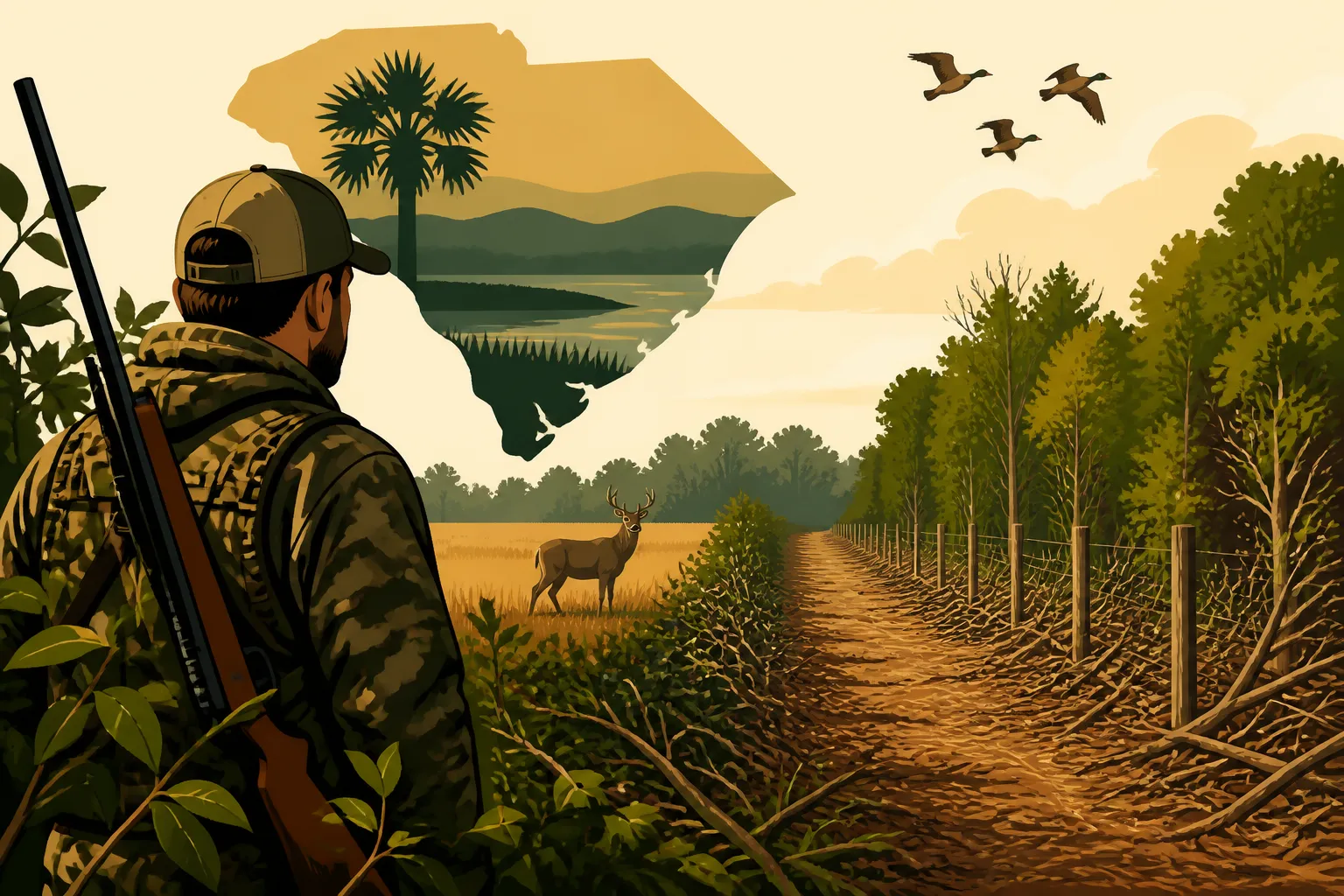
Our South Carolina landscape is incredibly varied, but one constant across many zones is the sheer tenacity of the undergrowth. Whether you're working a Rabbit Hunting South Carolina Fencerows scenario in the Midlands or pushing through thick pine plantations in the Pee Dee, you're going to hit some serious resistance. Think about those iconic South Carolina fencerows – they’re not just lines on a map. They're often neglected strips of tangled vegetation, perfect cover for small game and deer alike, but absolutely brutal on your legs. You'll find yourself pushing through blackberry brambles, sharp-edged palmetto fronds, saw palmetto, and aggressive greenbrier that seem to grab and tear at every step.
Even seemingly innocent patches of tall grass can hide stiff, abrasive stalks that rub your shins raw after a mile or two. In the lowcountry swamps, you might face cane thickets and water-soaked briar patches that are not only sharp but also often wet, adding to the misery. Regular cotton or even thin nylon pants will quickly fray, rip, and offer zero protection. I’ve seen countless pairs of "tough" pants shredded beyond repair after just a few outings in these conditions. It's a frustrating experience to have your gear fail you, and it's even worse when your skin bears the brunt of it.
Protecting Your Hunt and Your Skin
Beyond the obvious discomfort, torn clothing and wounded skin can really impact your hunting performance. When you’re constantly wincing, trying to dodge thorns, or picking briars out of your socks, your focus is split. That deer slipping silently through the timber, or that subtle turkey gobble, might go unnoticed because you're too busy tending to a bleeding leg. Brush pants eliminate this distraction, letting you concentrate on the hunt itself. They turn those forbidding thickets from impassable barriers into merely challenging terrain.
Furthermore, protecting your skin isn't just about comfort; it's about health. Punctures and scrapes from thorny vegetation can lead to infections, especially in warm, humid conditions. We all know how tough it can be to drag a deer out of a swamp, and the last thing you need is a festering wound making it harder. While brush pants aren't snake-proof, their robust construction does offer an extra layer of peace of mind against accidental encounters with snakes that might be hidden in dense cover, especially when paired with Snake Boots for South Carolina Swamp Ground. The goal is to finish your hunt feeling tired but accomplished, not like you lost a fight with a rosebush.
Key Features to Look for in South Carolina Brush Pants
When you're ready to invest in a pair of brush pants that will actually stand up to South Carolina's challenges, you'll quickly realize not all "tough" pants are created equal. It's not just about throwing heavy fabric at the problem; it's about smart design, strategic reinforcement, and choosing materials that perform without weighing you down or cooking you alive in our notoriously warm climate.
Consider the specific demands of our environment: high humidity, sudden downpours, scorching early-season heat, and then surprisingly chilly late-season mornings. Your brush pants need to adapt, protect, and remain comfortable through it all. A truly good pair will feel like an extension of your body, rather than a bulky impediment.
Material Matters: Durability and Breathability
The core of any good pair of brush pants lies in its materials. You need something that can shrug off thorns and abrasion without feeling like you're wearing cardboard. Here are the common contenders:
- Heavy-Duty Canvas/Cotton Blends: Traditional and rugged, these fabrics are incredibly durable. Think old-school briar pants. The downside is they can be quite heavy, slow to dry, and not very breathable, making them less ideal for warm early-season hunts. However, for colder late-season pushes or for static stands where you're not moving much, they offer excellent protection.
- Cordura Nylon: This is where modern brush pants often shine. Cordura is a brand of high-performance fabric known for its exceptional resistance to abrasions, tears, and scuffs. It's much lighter than canvas, dries faster, and can be woven in ways that offer better breathability. Many quality brush pants use Cordura as a primary material or as heavy-duty reinforcement panels.
- Proprietary Blends: Many hunting apparel brands like GoHunt develop their own specialized fabric blends, often combining nylon, polyester, and sometimes even a touch of spandex for flexibility. These blends aim to find the sweet spot between durability, light weight, breathability, and quick-drying properties. When you see claims of "rip-stop" or "abrasion-resistant" fabric, it's often a specially engineered blend designed for exactly this kind of abuse. Look for DWR (Durable Water Repellent) coatings on these fabrics, which help shed light rain and dew, keeping you drier and lighter.
The key is finding that balance. A pant that's impenetrable but feels like wearing a sauna suit isn't practical for a warm South Carolina September. A pant that's lightweight and breathable but shreds on the first greenbrier vine is equally useless. Quality brands like GoHunt often incorporate ventilation features like zippered thigh vents to help you manage heat during strenuous activity.
Reinforcement, Fit, and Functionality
Beyond the base material, smart design features are what separate a good pair of brush pants from a mediocre one.
- Reinforcement: This is crucial. Look for double-layered fabric or specialized face fabric (like heavy Cordura panels) in high-wear areas: the entire front of the leg from the thigh down, especially over the knees and shins. Some pants will have a second layer that extends all the way around the calf, which is excellent for pushing through dense thickets. Stitching should be heavy-duty and reinforced in these areas.
- Fit and Articulation: Brush pants need to be tough, but they also need to let you move. Avoid overly baggy or restrictive fits. Look for articulated knees (a pre-curved design or gussets) that allow for a full range of motion without binding. A comfortable waist that allows for layering (especially if you plan to wear Lightweight Layering for Warm-Weather Sits underneath on colder days) is also important. The leg opening should be wide enough to go over your boots easily, with zippers or snaps often included to cinch them down.
- Pockets: You might not think much about pockets until you need one, but practical pocket placement and construction are invaluable. Look for deep, secure pockets that can hold essentials like your phone, knife, or calls without snagging or dumping them out as you push through brush. Zippered cargo pockets are a huge bonus for keeping gear secure.
- Other Functional Details: Small things can make a big difference. Boot hooks, for instance, are tiny hooks on the cuff of the pant that attach to your laces, preventing the pant leg from riding up as you walk. Strong belt loops are essential for carrying a heavy belt or sidearm. Some pants even include built-in gaiter systems or adjustable ankle cuffs that can keep debris out of your boots, crucial when you're wading through pine straw or loose soil.
Choosing the Right Brush Pants for Your Hunting Style and Terrain
The "perfect" pair of brush pants really depends on your specific hunting activities and the terrain you frequent most often here in South Carolina. A hunter primarily chasing deer in the dense coastal swamps might need something different than someone focusing on upland birds in pine savannas. It’s about tailoring your gear to your mission.
Think about how much ground you typically cover, the density of the cover, and the average temperatures you'll encounter. A dedicated upland hunter might prioritize lighter weight and flexibility for long walks, while someone pushing thick river bottoms for hogs might opt for maximum puncture resistance, even if it means a little more bulk. There's no one-size-fits-all, but understanding your needs will help you narrow down the best choice.
Fencerow Pheasant Hunts vs. Deep Swamp Deer Drives
Let's imagine two very different hunting scenarios common in South Carolina:
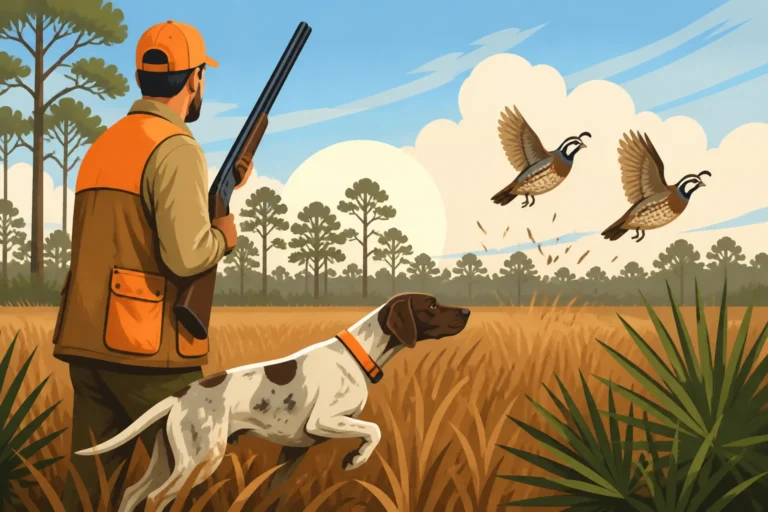
- Upland Bird Hunting (e.g., Quail, Rabbit): If you're primarily walking long distances through overgrown fields, Rabbit Hunting South Carolina Fencerows, or pine plantations for small game, you'll prioritize mobility and comfort. You'll still need excellent briar protection on the front of the legs, but you might lean towards lighter-weight Cordura blends that offer good breathability for those miles of walking. A slightly slimmer, more athletic fit might be preferred. Brands like GoHunt offer lines designed specifically for upland hunters, focusing on that balance of protection and agility. These pants often pair well with Upland Vests With Water Capacity for a complete, mobile system.
- Big Game Hunting in Dense Cover (e.g., Deer Drives, Still-Hunting Swamps): For situations where you're pushing deer through thick swamp bottoms, still-hunting through deep timber, or accessing remote areas for Hunting a Funnel Between Two Swamps, maximum protection might take precedence. Here, heavy-duty canvas or multi-layer Cordura reinforcement that wraps further around the leg, sometimes even with a full double layer on the seat, could be beneficial. Breathability is still important, but a slightly heavier garment might be tolerated for the superior defense against truly punishing vegetation. If you're often Dragging a Deer Out of a Swamp, you'll appreciate every bit of extra durability your pants can offer.
Here’s a quick comparison:
| Feature | Upland/Fencerow Hunting | Deep Swamp/Deer Drive Hunting |
|---|---|---|
| Priority | Mobility, Breathability, Front-Leg Briar Protection | Maximum Puncture/Abrasion Resistance, Full-Leg Reinforcement |
| Material Focus | Lighter Cordura blends, proprietary breathable fabrics | Heavy canvas, multi-layer Cordura, thick face fabrics |
| Weight | Lighter for long walks | Moderate to heavy, prioritizing protection over weight |
| Fit | More athletic, articulated for movement | Roomier for layering, still allowing movement |
| Reinforcement | Strong front-leg panels, knee/shin focused | Extended wrap-around reinforcement, possibly seat reinforcement |
| Water Resist. | DWR coating good for dew/light rain | Strong DWR or even waterproof panels for wet conditions |
Warm Weather vs. Cool Weather Considerations
South Carolina weather can swing wildly within a season, sometimes even within a single day. Your brush pants need to be versatile enough to handle both the steamy August opener and a crisp January morning.
- Warm Weather (Early Archery, September Dove): For those sweltering early season hunts, breathability is paramount. Look for pants with lighter base fabrics, strategically placed zippered vents (often on the thighs), and moisture-wicking properties. While you still need protection, overheating can be just as detrimental to your hunt as thorns. Some GoHunt models, for example, are designed with warm-weather performance in mind, using lighter Cordura or synthetic blends that dry quickly. When you're Warm-Weather Sitting Strategy in South Carolina, you'll appreciate anything that helps regulate your body temperature.
- Cool Weather (Late Season Deer, Winter Small Game): As temperatures drop, especially in the Upstate or during a cold front, your brush pants need to accommodate layering. A slightly looser fit allows you to wear thermal base layers underneath without feeling restricted. While insulation isn't typically built into brush pants (that would make them too hot for most of the season), the thicker fabric itself will offer some wind resistance and warmth. If you’re planning to be out during Hunting Into the January Zone 1 Close, a pair that can handle an insulating layer and still protect you in dense thickets is ideal.
Ultimately, the best strategy is to have at least one solid pair of brush pants that can handle the core conditions you face. If you hunt year-round or in vastly different zones, you might even consider two pairs: one optimized for warm-weather mobility and another for cooler-weather protection and layering. Regardless, ensuring your brush pants are part of your core Warm-Weather Clothing for South Carolina Hunters is a smart move for comfort and safety.
Care and Maintenance for Longevity
You've invested in a good pair of brush pants – maybe even a quality pair from a brand like GoHunt – and they've saved your legs from countless briars. Now, how do you keep them performing season after season? Proper care isn't just about cleanliness; it's about extending the life of your gear and ensuring it's ready for the next challenge. South Carolina's humid climate, red clay, and diverse vegetation can be tough on fabrics, so a little post-hunt attention goes a long way.
Ignoring maintenance can lead to premature wear, loss of water repellency, and even unpleasant odors that can betray your position in the field. Think of your brush pants as a tool, and just like your rifle or bow, they perform best when they're well-maintained. Don't let a season of hard hunting ruin your investment.
Keeping Your Gear in Top Shape
After a long day of busting brush and maybe dragging a deer, it's tempting to just toss your pants in a corner. Resist the urge!
- Initial Cleaning: First, shake out any loose dirt, leaves, and especially pine straw. Use a stiff brush to gently dislodge dried mud or clay. The sooner you get this off, the easier it is. Our notorious red clay can really stain if left to set.
- Washing Instructions: Always check the manufacturer’s tag. Most brush pants, especially those made from synthetic blends or Cordura, can be machine washed on a gentle cycle with cold water. Avoid harsh detergents, bleach, or fabric softeners. These can break down technical fibers, clog DWR coatings, and reduce the effectiveness of your pants. Use a scent-free detergent if you plan to hunt deer in them. For truly stubborn stains, pre-treat with a mild stain remover (again, scent-free if possible).
- Drying: Air drying is almost always best for technical hunting apparel. Hang your brush pants in a well-ventilated area, out of direct sunlight. High heat from a dryer can damage synthetic fibers and DWR coatings. If you must use a dryer, use the lowest heat setting or a tumble-dry-no-heat option. The key is to ensure they are completely dry before storing them to prevent mildew, especially important in our humid climate.
- Re-proofing (if necessary): Over time, the DWR coating on your pants will wear off, and water will start to soak in rather than bead up. You can restore this repellency with a spray-on or wash-in DWR treatment designed for outdoor gear. Brands like GoHunt often recommend specific products or methods to maintain their fabrics’ performance. This is particularly important if you frequently hunt in wet conditions, like Hunting Coastal Marsh Waterfowl where you might be exposed to spray or high humidity.
Extending the Life of Your Investment
Brush pants are an investment, and like any good tool, they should last.
- Prompt Repairs: Small tears or loose stitching, if caught early, can be easily repaired with a heavy-duty sewing kit or a patch. Leaving them will only allow the damage to worsen, potentially turning a minor fix into a ruined pair of pants. Consider carrying a small repair kit in your Packs for a Sumter Forest Day Hunt for quick field fixes.
- Proper Storage: When the season is over, ensure your brush pants are clean and completely dry. Store them in a cool, dry place away from direct sunlight. Hanging them prevents creases and allows for air circulation. Avoid cramming them into a compressed bag for extended periods, as this can degrade certain materials.
- Assess and Replace: While good brush pants are built to last, they won’t last forever. Periodically inspect them for excessive wear, thinning fabric, or irreversible damage. If the protective qualities are significantly compromised, it might be time to replace them. It's better to invest in a new pair than to suffer through a hunt with inadequate protection or risk injury. Remember, these pants aren't just clothing; they're an essential piece of safety and comfort gear for the dedicated South Carolina hunter.
Disclaimer
This article is for general informational purposes only and does not constitute professional advice. Laws, prices and regulations vary by location and change over time. Consult a qualified professional for guidance on your specific situation.