South Carolina Deer Farm Regulations
It can be incredibly confusing to navigate the labyrinth of rules and regulations surrounding deer in South Carolina, especially when you start looking beyond the wild populations we all love to pursue. For many, the idea of a "deer farm" conjures up a lot of questions, and frankly, some deep-seated concerns about disease and the integrity of our wild deer herd. This comprehensive guide is here to untangle the South Carolina Deer Farm Regulations, explaining why they exist, what they entail, and how they impact everyone invested in the health of our deer.
The Complex World of Deer Farms in South Carolina
The concept of keeping deer in captivity, whether for breeding, antler production, or other purposes, is a nuanced topic that stirs passionate debate among hunters, landowners, and wildlife managers alike. In South Carolina, like many other states, deer farms exist, but they operate under a very specific and strict set of regulations designed to protect our natural resources. It’s not simply a matter of putting up a fence; it's a deeply regulated industry for very good reasons.
Why Regulate Deer Farms?
At the heart of all deer farm regulations is a fundamental concern for the health and genetic integrity of our wild white-tailed deer population. The primary driver behind these stringent rules is the looming threat of Chronic Wasting Disease (CWD). CWD is a fatal neurological disease affecting cervids (deer, elk, moose) that is highly contagious and has no known cure. Once it takes hold in an area, it's incredibly difficult to eradicate, devastating wild herds and impacting hunting traditions. South Carolina has, thankfully, remained CWD-free, a status wildlife officials fight tirelessly to maintain. This includes strict oversight of any captive cervid facilities.
Beyond CWD, there's also the risk of other diseases, like Epizootic Hemorrhagic Disease (EHD), which can be amplified in captive environments and potentially spread to wild deer. Furthermore, the introduction of non-native deer species or subspecies, or even genetically altered deer from captive breeding programs, could dilute the genetic pool of our native South Carolina whitetails, potentially leading to less resilient or well-adapted animals. The public perception of hunting and wildlife management is also a factor; uncontrolled captive deer operations can easily undermine conservation efforts and ethical hunting principles.
Who Oversees South Carolina's Deer Farms?
In South Carolina, the responsibility for regulating deer farms is a collaborative effort, primarily between the South Carolina Department of Natural Resources (SCDNR) and Clemson University Livestock-Poultry Health (CULPH). It’s not a simple one-agency show, and this dual oversight highlights the complex nature of managing both wildlife resources and agricultural interests.
SCDNR focuses on protecting the wild deer population from potential disease transmission, genetic contamination, and other ecological impacts that captive cervids might pose. They are concerned with the overall health and sustainability of the wild herd, which is why their involvement is crucial. CULPH, on the other hand, approaches deer farms from a livestock health perspective. They oversee disease surveillance, testing protocols, and the general welfare of the animals within the captive facility, treating them much like any other agricultural livestock from a health standpoint. This inter-agency cooperation is critical, but it also means that operators of deer farms must navigate regulations from both entities, ensuring compliance across the board. For anyone interested in general land management and hunting in the state, understanding these distinctions, and how the state monitors its wild resources, is crucial. Many landowners, for instance, utilize tools like GoHunt to keep track of property lines and understand land-use regulations.
Key Regulations Governing Deer Farms in South Carolina
Operating a deer farm in South Carolina isn't something you can just decide to do on a whim. There are extensive requirements that must be met, designed to create a buffer between captive and wild populations and to ensure the health and ethical treatment of the animals. These regulations cover everything from the initial application process to the day-to-day operations and even what happens when an animal dies.
Licensing and Permitting Requirements
Before a single deer can be legally housed in a captive facility, prospective deer farmers must go through a rigorous licensing and permitting process. This isn't a simple form; it's a multi-step application that involves both SCDNR and CULPH. Applicants typically need to submit detailed plans for their facility, including diagrams of enclosures, biosecurity protocols, and veterinarian care plans. There are application fees, and thorough inspections are conducted to ensure the proposed facility meets all structural and operational criteria. These criteria are designed to ensure the safety of the animals, prevent escape, and minimize any potential interaction with wild deer. It’s a lengthy process, often involving site visits and reviews, to ensure that anyone operating such a facility understands and is committed to the responsibilities involved. This contrasts significantly with the simpler process of acquiring a hunting license through the Go Outdoors SC portal, which covers the pursuit of wild game rather than the raising of captive animals.
Fencing, Enclosures, and Biosecurity Measures
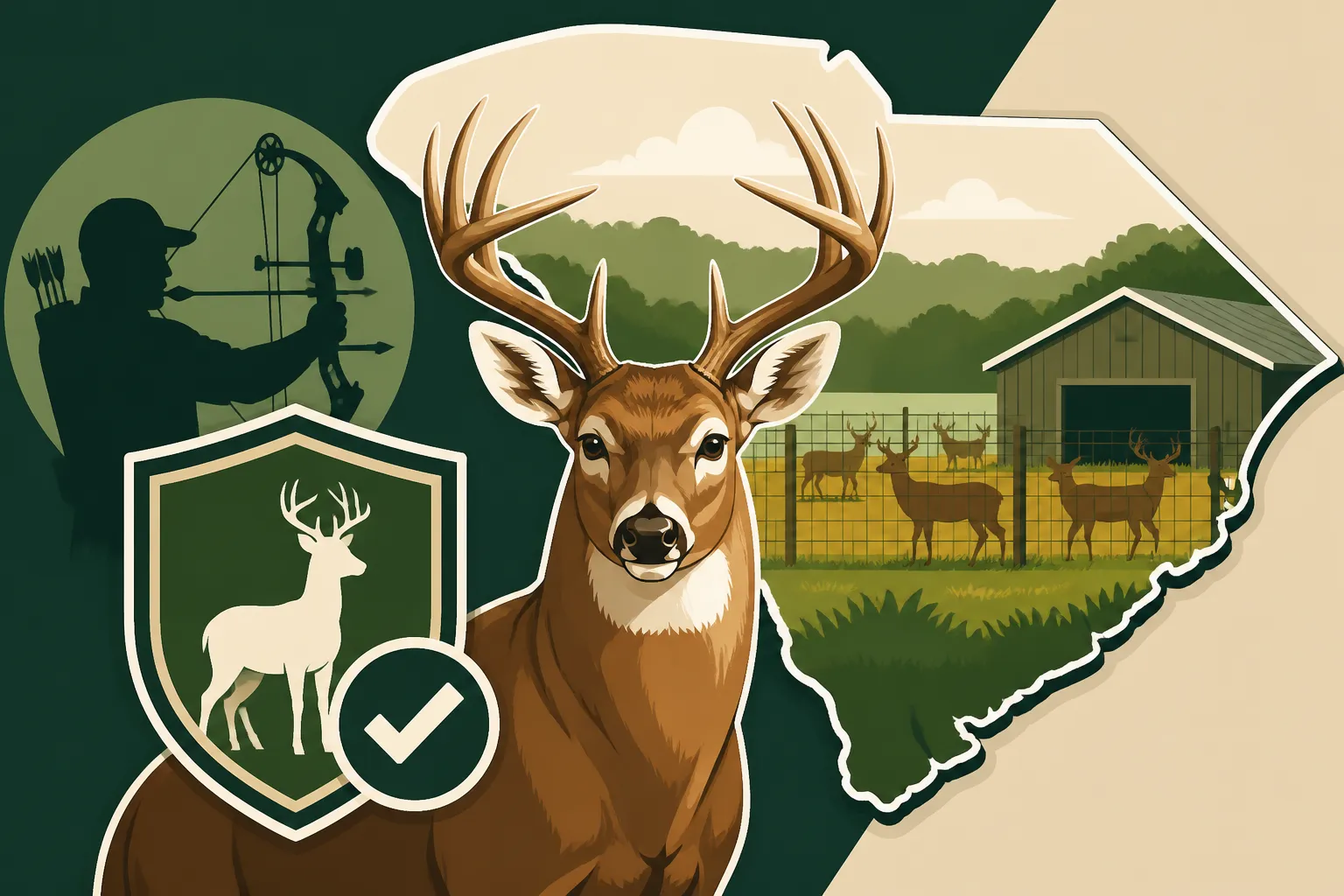
The physical infrastructure of a deer farm is arguably its most critical component. Fencing is not just about keeping the captive deer in; it’s equally about keeping wild deer out. Regulations typically require double-fencing systems, often with specific height and mesh size requirements, to create an impenetrable barrier. This prevents nose-to-nose contact between captive and wild cervids, which is a major pathway for disease transmission. These high-security fences must be regularly inspected and maintained to prevent breaches.
Beyond physical barriers, biosecurity measures are paramount. This includes protocols for managing feed and water, disposing of waste, controlling pests, and limiting human traffic. Staff entering and exiting enclosures must often follow strict sanitization procedures. The idea is to create a contained environment that minimizes any risk of disease entering or leaving the facility. Even if you're just a private landowner interested in South Carolina Deer Damage Permits for Farmers, the emphasis on controlled environments and minimizing interaction with wild deer carries over, albeit in a different context. Understanding property lines and potential deer movement corridors is critical for any land manager, and services like GoHunt can be quite helpful in mapping these boundaries, reinforcing the need for strict controls around captive facilities.
Health Testing and Disease Surveillance Protocols
Disease surveillance is a non-negotiable aspect of deer farming in South Carolina. All captive cervids are subject to mandatory health testing, particularly for CWD. This usually involves post-mortem testing of any deer that dies on the farm, providing vital data to CULPH and SCDNR. Should a deer test positive for CWD, the implications are severe, often involving depopulation of the entire herd to prevent the disease's spread. This is a testament to how seriously South Carolina takes its CWD-free status.
Regular herd health checks by a licensed veterinarian are also often required, monitoring for other illnesses like EHD, bluetongue, or tuberculosis. Any signs of disease must be reported promptly to CULPH. This proactive and reactive surveillance system is a cornerstone of protecting the broader wild deer population. South Carolina has a robust South Carolina's CWD Surveillance Program for its wild deer, and the captive cervid program complements this by targeting potential high-risk sources.
Acquisition, Sale, and Transport of Captive Deer
The movement of captive deer, whether into, out of, or between facilities, is perhaps the most heavily scrutinized aspect of deer farming. Strict regulations govern where deer can be sourced from and where they can be transported to. This is to prevent the unwitting introduction of disease from other states or regions. For instance, there are strict rules against importing live cervids from states with known CWD cases, and any interstate movement usually requires extensive health certificates and permits. These protocols are very similar in spirit to the rules prohibiting hunters from Why You Cannot Bring a Deer Carcass Into South Carolina from out of state, or the general South Carolina Carcass Import Restrictions that apply to wild game.
Every transaction, whether buying or selling, must be meticulously documented and reported to the relevant authorities. This chain of custody ensures traceability, meaning that if a disease outbreak were to occur, officials could quickly identify the source and any potentially exposed animals.
The Impact of Deer Farming on Wild Deer Populations
The presence of deer farms, even highly regulated ones, always carries a degree of risk and raises important questions about their potential impact on South Carolina's cherished wild deer populations. Wildlife agencies work tirelessly to balance agricultural interests with conservation, but the wild animals remain the priority.
Preventing Disease Transmission to Wild Herds
This is, without a doubt, the paramount concern. A single escape from a CWD-infected deer farm, or a single breach that allows a wild deer to interact with an infected captive animal, could have catastrophic consequences for South Carolina's wild deer herd. The disease's slow progression and long incubation period mean that an outbreak could go undetected for years, silently spreading before it's identified. This is why every regulation, every fence requirement, and every health test is focused on maintaining the integrity of the barrier between captive and wild cervids.
The state's vigilance in keeping Why South Carolina Stays CWD-Free is a collective effort, and deer farms are under intense scrutiny to not become a weak link. Every hunter, every landowner, and every citizen benefits from this careful management, as a CWD outbreak would forever change the landscape of deer hunting in our state.
Genetic Purity and Ecological Concerns
While disease is the most immediate threat, long-term genetic and ecological concerns also play a role in regulation. Introducing deer with different genetic backgrounds, even if they are the same species, could inadvertently weaken the local wild population's ability to thrive in its specific environment. Wild deer in the Upstate, for instance, are adapted to different conditions than those in the Lowcountry. Mixing these genetics could disrupt the natural evolutionary process that makes our deer so robust.
Furthermore, any large concentration of deer, even captive ones, can create localized ecological impacts, such as increased browsing pressure on vegetation if any escapes were to occur. While these issues are less acute than disease, they are part of the broader picture of why careful oversight is needed for operations that involve manipulating deer populations. Our native White-Tailed Deer Across South Carolina are a product of their environment, and maintaining that natural integrity is a conservation goal.
Ethical Considerations and Public Perception
The very existence of deer farms can be an ethical minefield for many. Hunters, especially, often have strong feelings about the "wildness" of game animals and the ethics of breeding deer for specific traits or for commercial purposes. Concerns about "canned hunts" (where animals are hunted in small, fenced enclosures with little chance of escape) are often at the forefront of these discussions, even though South Carolina has explicit laws against such practices for deer.
The SCDNR and other wildlife agencies are always mindful of public perception, as it directly impacts support for conservation efforts and hunting itself. Maintaining strict regulations and transparent oversight helps to reassure the public that deer farms are not undermining the ethical standards or conservation goals that underpin South Carolina hunting traditions.
Common Questions and Misconceptions About Deer Farms
Given the complexities and occasional controversies surrounding deer farms, it's natural for people to have a lot of questions. Let's clear up some of the most common misunderstandings and provide clarity on related issues.
Are "Canned Hunts" Legal in South Carolina?
This is perhaps the most common question, and the answer, for deer, is a resounding NO. South Carolina law explicitly prohibits "canned hunts" or shooting deer within enclosed areas that prevent them from escaping. SCDNR considers this an unethical practice that goes against the principles of fair chase hunting and wildlife conservation. While deer farms may breed deer, the animals are not used for hunting within the enclosures in South Carolina. The regulations are specifically designed to prevent any blurring of the lines between captive deer management and the ethical pursuit of wild game governed by the South Carolina Deer Season Structure Explained.
What About Rehabilitation Facilities for Injured Deer?
It's important to distinguish between commercial deer farms and wildlife rehabilitation facilities. Wildlife rehabilitators, who care for injured or orphaned wild animals with the goal of returning them to the wild, operate under separate permits and regulations. These facilities are focused on temporary care and release, not long-term captivity or breeding. They play a vital role in wildlife conservation and are licensed by SCDNR specifically for that purpose. If you encounter an injured animal, contacting a licensed rehabilitator, as covered in our guide on South Carolina Wildlife Rehabilitation for Injured Game, is the appropriate action, rather than assuming it's part of a deer farm operation.
How Can the Public Report Concerns or Violations?
Public vigilance plays a crucial role in maintaining the integrity of South Carolina's wildlife resources. If you have concerns about a suspected illegal deer farm operation, a potential disease outbreak, or any other violation of wildlife laws, it's imperative to report it to the authorities.
The SCDNR maintains a hotline for reporting wildlife violations, including poaching or non-compliance with captive cervid regulations. You can typically find this information on the SCDNR website. Clemson Livestock-Poultry Health should also be contacted for concerns specifically related to animal health or farm biosecurity. Providing as much detail as possible, including location, dates, and observed activities, will assist authorities in their investigations. Don't hesitate to report; it’s how we protect our wild deer, just like we would Reporting a Poacher in South Carolina.
South Carolina Deer Farm Regulations Overview
| Regulatory Body | Primary Focus | Key Responsibilities | Licensing/Permitting | Enforcement & Oversight |
|---|---|---|---|---|
| SCDNR | Protection of Wild Deer Populations | Preventing disease, genetic contamination, and ecological impact | Permits for captive cervid facilities (wildlife perspective) | Regular inspections, enforcement of wildlife laws |
| Clemson Livestock-Poultry Health | Livestock Health & Biosecurity | Disease surveillance, testing, animal welfare, facility health | Licensing for captive cervid facilities (livestock health) | Mandated testing, disease outbreak response, facility audits |
| Combined Goal | Maintain SC's CWD-free status & protect native genetics | Strict controls on fencing, movement, and animal health | Dual agency approval required for operation | Collaboration for comprehensive oversight |
Disclaimer
The information provided in this guide is for general informational purposes only and does not constitute legal advice. Hunting regulations, licensing requirements, and wildlife management policies in South Carolina are subject to change. Always consult the most current regulations published by the South Carolina Department of Natural Resources (SCDNR) and Clemson University Livestock-Poultry Health (CULPH) or seek professional legal counsel before engaging in any activities related to deer farming or wildlife management.