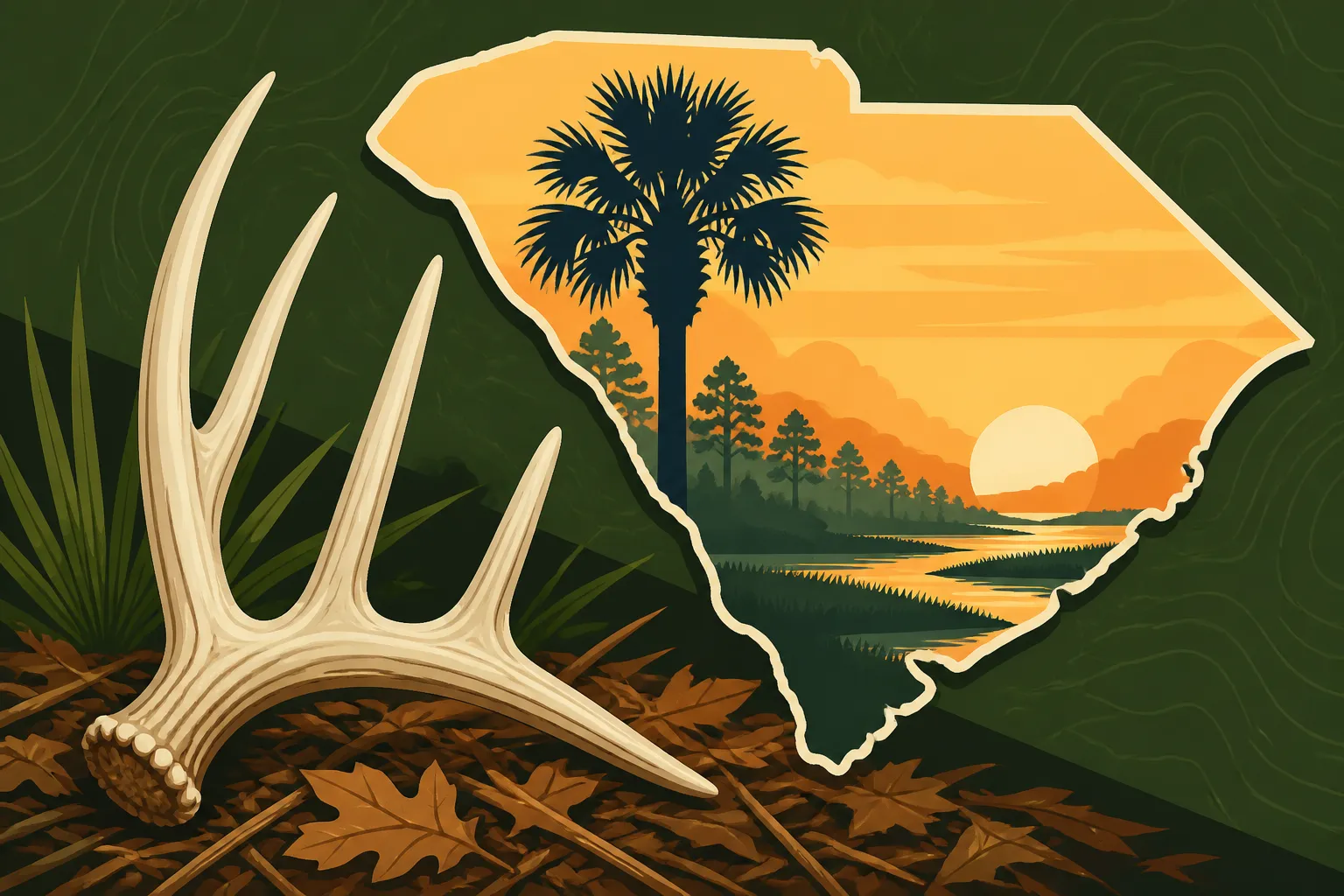
Shed Hunting on South Carolina Public Land
There's nothing quite like the bittersweet feeling when deer season closes. The gear gets put away, the days grow colder, and for many of us, a bit of that woods-fire dies down. But for a dedicated few, it's just the start of another exciting season: shed hunting. Trying to find those discarded antlers on South Carolina's public lands can feel like searching for a needle in a pine needle stack, especially with our diverse habitats. This guide is all about helping you understand the unique challenges and rewards of shed hunting right here in the Palmetto State, offering practical strategies to increase your odds and get you back into the timber.
The Unique Appeal and Challenges of Shed Hunting in South Carolina
Shed hunting isn't just about finding bone; it's about reconnecting with the land, understanding deer movement, and extending your hunting season without a weapon. For many, it's a treasure hunt that provides invaluable scouting information for the next deer season. Our South Carolina landscape, however, presents some distinct factors that make shed hunting a different beast compared to more northern states.
Why Southern Shed Hunting is Different
Unlike states with harsh, snowy winters, South Carolina rarely sees conditions that force deer into concentrated wintering areas. Our deer herd remains fairly spread out, continuing to browse and move across a wider range of habitat throughout the cooler months. This means you don't often find those massive "shed piles" you see in online videos from the Midwest or Rockies. Instead, it's often a solitary discovery, a single piece of bone tucked under a palmetto or nestled in a river bottom. The mild weather also means that rodents and other small critters get to the sheds faster, gnawing them down for their calcium and mineral content. So, if you're not out there relatively soon after the drop, you might be finding chewed-up nubs instead of pristine antlers.
The Rewards Beyond the Bone
Even if you don't fill a five-gallon bucket with antlers on every outing, the real reward of shed hunting is the intel you gather. You're walking the deer's winter home, learning their travel patterns, identifying new food sources, and pinpointing bedding areas when the woods are largely quiet and undisturbed. You'll stumble upon old scrapes, fresh rubs, and subtle trails you'd never see from a stand during hunting season. This kind of hands-on, boots-on-the-ground scouting is incredibly valuable. It helps you understand where the deer spend their time post-rut and pre-spring green-up, giving you a massive advantage when next season rolls around. It’s also a fantastic way to stretch your legs, get some fresh air, and just be present in nature during a time when many hunters are cooped up.
Finding the Right Spots: Public Land Hotbeds for Sheds
South Carolina has a fantastic array of public lands, from national forests to Wildlife Management Areas (WMAs). But not all public land is created equal when it comes to finding sheds. Knowing where to focus your efforts can save you countless hours of walking through unproductive territory. The key is understanding deer behavior and habitat preferences during the late winter and early spring.
National Forests and WMAs: Where to Focus
Areas like the Francis Marion National Forest or the Sumter National Forest are vast and offer incredible opportunities, but they can also be overwhelming. The same goes for many of our state's WMAs. When you're looking for sheds on these expansive tracts, think about transition areas. Deer love edges: where a thick pine plantation meets a hardwood bottom, or where a clear-cut is regenerating into new browse. Look for areas with a good mix of cover for bedding and nearby food sources. Creek bottoms, particularly those with persistent green browse like honeysuckle or privet, are excellent choices. Deer often follow these natural travel corridors, and the denser cover provides security while they're shedding. Remember, deer are often drawn to areas that provide both sustenance and security during this transition period. You might consider checking out different sections, like the Enoree Ranger District or the Long Cane Ranger District within the Sumter National Forest, as deer densities and habitat types can vary.
Key Habitat Features to Scout
Deer tend to drop their antlers in places where they feel safe, are feeding, or are moving slowly. This means focusing your search on:
- Bedding Areas: These are prime spots. Look for thickets, dense pine stands, and south-facing slopes that offer warmth and protection from cold winds. Think about where Francis Marion Bucks Bed —often in thick, regenerating clear-cuts or dense palmetto stands.
- Food Sources: While acorns might be long gone, deer are still browsing on woody stems, evergreen leaves, and early spring forbs. Areas with lingering food plots (if on WMA land that allows them) or natural browse like privet, honeysuckle, or greenbrier are magnets for deer. Agricultural field edges, especially those with some residual crops (like soybeans or corn) bordering thick cover, are also gold mines.
- Travel Corridors: Trails connecting bedding areas to feeding areas are obvious places. Look for well-worn paths along creek banks, power line cuts, or along the edges of swamps. Deer often use these corridors daily, increasing the chances of an antler dropping along the way.
- Obstacles and Fences: Any place where a deer might jump or exert themselves, like a fence line, ditch crossing, or even a steep bank, can cause an antler to pop off. Don't overlook these often-missed locations.
| Game Zone | Typical Shedding Period | Primary Habitat Focus for Sheds | Scouting Notes |
|---|---|---|---|
| Zone 1 Upstate | Late January – Mid-March | Mountain slopes, mature hardwoods, creek bottoms, regenerated clear-cuts | Focus on south-facing slopes for warmth. Look for traditional feeding and bedding areas along ridges. Reading a Ridge for Upstate Deer is crucial here. |
| Zone 2 Midlands | Early January – Late February | Ag field edges, hardwood bottoms, transition lines between pines and hardwoods, creek drains | High deer densities and agricultural influence mean good potential. Focus on travel routes between fields and thick cover. Check power lines and ditches. |
| Zone 3 Central | Early January – Late February | Mixed pine-hardwood forests, river swamps, agricultural periphery, cutovers | Similar to Midlands, but with more swamp influence. Walk the edges of cypress swamps and hardwood river bottoms. |
| Zone 4 Coastal | Mid-December – Late February | Coastal plain swamps, dense pine plantations, maritime forests, open agricultural fields | Earliest shedding often. Look for dense cover near water sources and residual crops. Public land along the coast can be productive. Think about Hunting Lowcountry Swamp Deer habitat. |
Timing and Tactics for South Carolina Shed Hunting
Timing is everything, and in South Carolina, the window can be relatively short and competitive. You'll need a solid plan and an understanding of deer behavior to maximize your success.
When South Carolina Bucks Shed Their Antlers
The exact timing for when South Carolina Bucks Shed Antlers can vary quite a bit, even within our relatively small state. Generally, the rut plays a huge role. Bucks will typically start dropping their antlers a few weeks to a couple of months after the peak of the rut in their specific area.
- Coastal Plain (Zones 2, 3, 4): The rut tends to be earlier here, often peaking in October or early November. This means you can expect sheds to start hitting the ground as early as mid-December, continuing through January and into February. These are often the first antlers you can find.
- Upstate (Zone 1): The rut in the Upstate is generally later, usually peaking in November, sometimes even into early December. Consequently, most of the antler drop happens from late January through mid-March.
The general rule of thumb is to start searching about 2-3 weeks after the last significant rut activity you observed. If you've been watching deer all season, you'll have a good idea of when they're winding down. Early February through mid-March is usually prime time statewide, but starting earlier in the Lowcountry can be very rewarding.
Effective Search Strategies on Public Land
Once you've identified promising areas, how do you actually find those elusive sheds?
- Slow and Steady Wins the Race: This isn't a race. Walk slowly, with your head on a swivel. Imagine you're tracking a deer, but instead of looking for tracks, you're scanning for a piece of bone. Look under bushes, behind logs, and in thick cover. Most sheds aren't lying out in the open.
- Grid Search or Transects: Especially in open timber or fields, employing a grid search pattern with a partner (or just mentally marking off sections) can be very effective. Walk parallel lines, about 10-20 yards apart, systematically covering an area. On thicker public lands, walk defined transects along features like logging roads, power lines, or creek beds, then branch out into the timber. Using the Go Outdoors SC App or a dedicated mapping app like GoHunt (for general planning and scouting) can help you keep track of where you've been and where you need to go, preventing you from missing spots or covering the same ground twice.
- Focus on Deer Sign: When you find a fresh deer trail, follow it. If you find a well-used bedding area, grid-search it thoroughly. The more fresh deer sign you find, the higher your chances of finding a shed. Pay attention to Reading South Carolina Mud for Fresh Deer Movement, as this indicates recent activity.
- Post-Rain Scouting: A good rain can clean off sheds, making them brighter and easier to spot against the damp leaf litter or pine straw. However, be mindful of softer ground and potential for boggy areas in some of our Lowcountry public lands.
- Bring a Dog (If Permitted): A trained shed dog can be an incredible asset. Make sure dogs are allowed on the specific WMA or National Forest land you're hunting and always keep them leashed or under strict voice control if off-leash rules apply. Check WMA regulations carefully, as some areas have strict rules regarding dogs outside of specific hunting seasons.
Essential Gear and Safety Tips for Shed Hunters
Shed hunting might not involve a firearm, but it still requires preparation and a focus on safety, especially when you're exploring the often remote areas of Public Hunting Land in South Carolina.
What to Carry in Your Pack
Your shed hunting pack should be similar to what you'd carry for a day hunt, minus the weapon:
- Water and Snacks: Dehydration can sneak up on you, even on cooler days. Always carry more water than you think you'll need.
- Navigation: A fully charged phone with a reliable mapping app (like the Go Outdoors SC app) is crucial. Consider a backup GPS unit or a physical map and compass, especially if you're deep in areas like Sumter National Forest where cell service can be spotty. Knowing how to use these tools is just as important as having them.
- First-Aid Kit: Blisters, cuts, insect bites – they happen. A basic first-aid kit can address minor issues quickly.
- Layers of Clothing: South Carolina weather can be unpredictable. Dress in layers you can easily add or remove.
- Snake Boots: Even in late winter, our mild climate means snakes can be active. Protect your feet and lower legs, especially in swampy or brushy areas.
- Gloves: For handling thorny bushes and protecting your hands when picking up sheds.
- Small Saw or Pruners: Helpful for clearing small branches if you find a shed tangled in brush.
- Trash Bag: Pack out everything you pack in, and perhaps a little extra if you find someone else's litter. Keep our public lands clean.
Safety Considerations on Public Land
- Check Regulations: Always, always verify the specific rules for the WMA or National Forest land you plan to visit. Some WMAs have seasonal closures, specific entry requirements, or restrictions on activity. The Go Outdoors SC app is an excellent resource for this.
- Blaze Orange: Even though it's not deer season, other activities like small game hunting or even late-season primitive weapons hunts might be happening. Wear some blaze orange to be visible, especially if you know there's Hunting Pressure on South Carolina Public Land. It's a simple step that significantly increases your safety.
- Tell Someone Your Plan: Let a friend or family member know where you're going, your estimated return time, and what to do if they don't hear from you.
- Weather Awareness: Keep an eye on the forecast. South Carolina can have sudden thunderstorms, and even mild temperatures can turn chilly with rain.
- Respect Wildlife: While you're shed hunting, you're in the deer's living room. Be observant, but give wildlife their space.
- Critter Control: Be aware of ticks and chiggers. Treat your clothing with permethrin and apply repellent to exposed skin.
By preparing properly and adopting a focused strategy, you can transform your post-season blues into exciting shed hunting adventures on South Carolina's public lands. It's a fantastic way to stay connected to the woods and gain invaluable insights for future hunts.
Disclaimer
The information provided in this guide is for general informational purposes only and does not constitute legal advice. Hunting regulations, license requirements, and WMA rules can change frequently. Always consult the most current South Carolina Department of Natural Resources (SCDNR) regulations and local public land rules before engaging in any hunting or outdoor activity. It is your responsibility to know and follow all applicable laws and regulations.