Hunting Deer After a Cold Front
Deer behavior changes after South Carolina cold fronts, explaining increased feeding activity and shifted bedding areas.
Close the distance.
Archery, muzzleloader, and firearm techniques — calling, stand placement, still-hunting, spot-and-stalk, and the weapon rules that change at the state line.
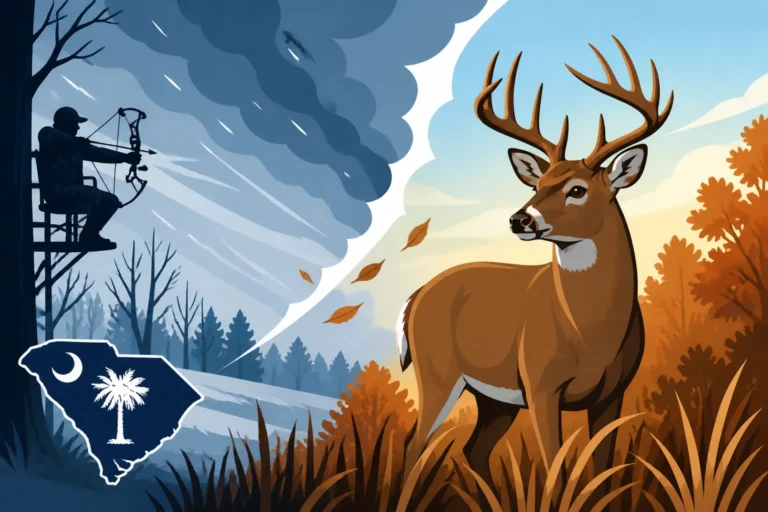
Deer behavior changes after South Carolina cold fronts, explaining increased feeding activity and shifted bedding areas.
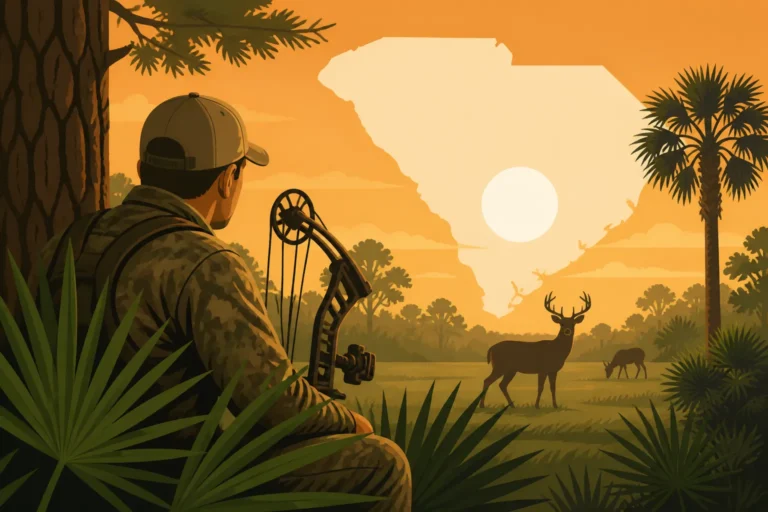
South Carolina warm weather deer hunting requires shifting stand locations to water sources, thick canopy cover, and creek bottoms.
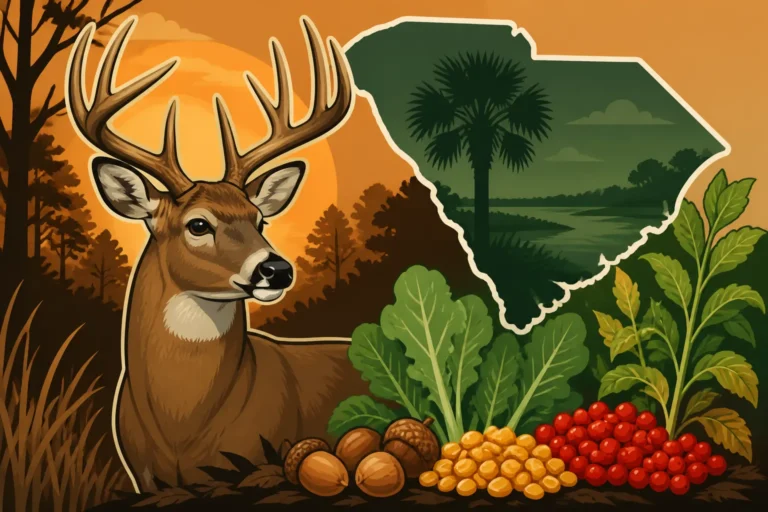
South Carolina whitetail food sources during winter help hunters find deer seeking survival calories and late season nutrition.
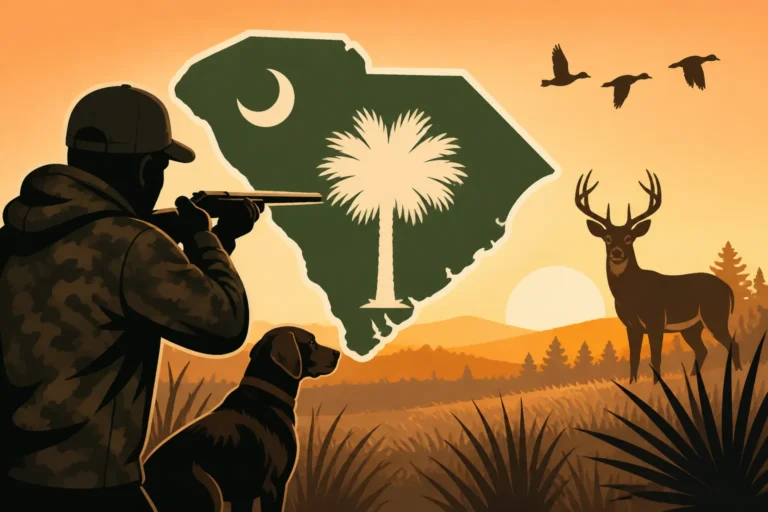
South Carolina Zone 1 deer hunting in January offers a late-season opportunity shaped by colder mountain climates and regional biology.
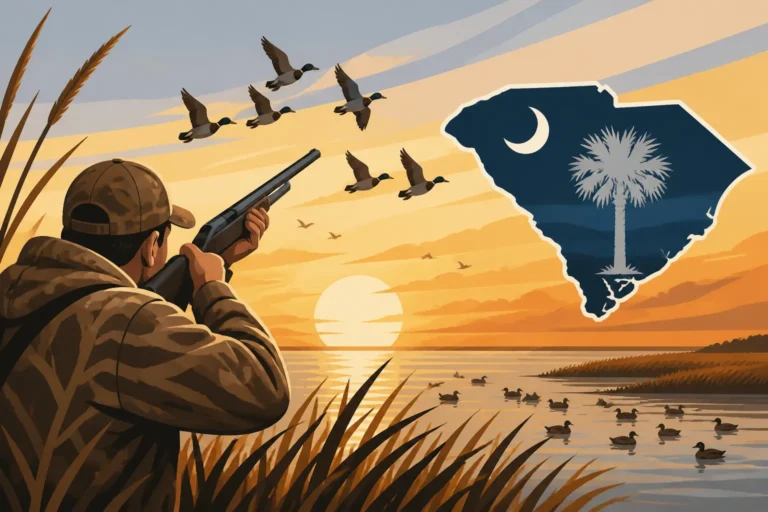
South Carolina coastal deer season opening weekend crowds, public land access bottlenecks, and strategies for finding hunting solitude.
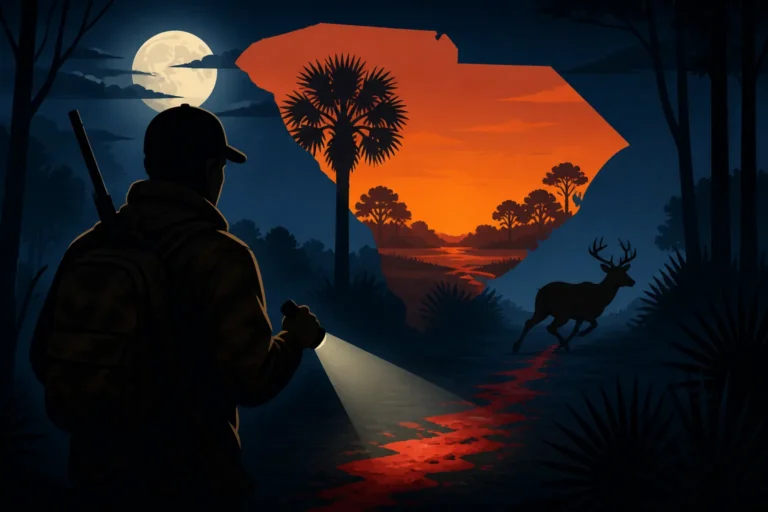
Blood trailing whitetail deer after dark in South Carolina involves specific legal regulations, safety risks, and retrieval strategies.
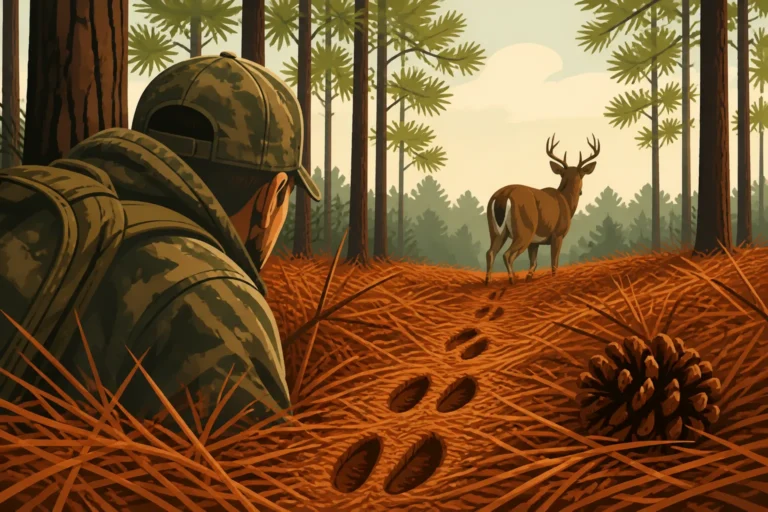
Tracking a deer through dense South Carolina pine straw requires specific methods to find blood and disturbed ground cover.
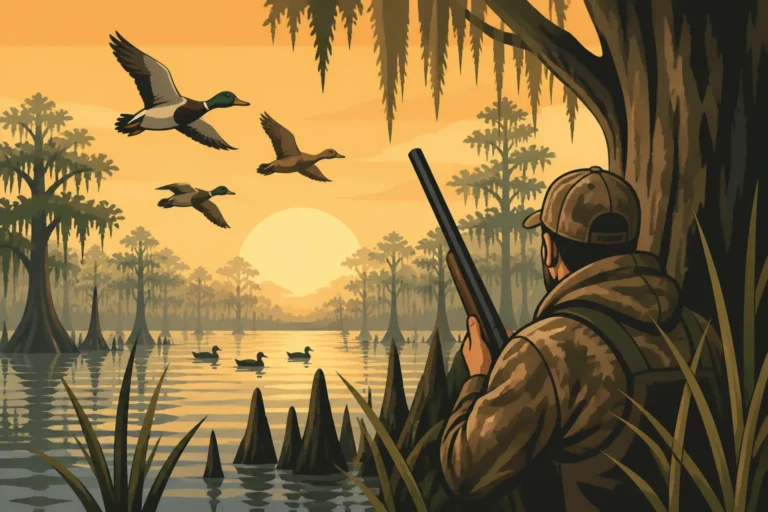
Proper stander placement around a Lowcountry swamp helps hunters push deer into clear shot opportunities during South Carolina drives.
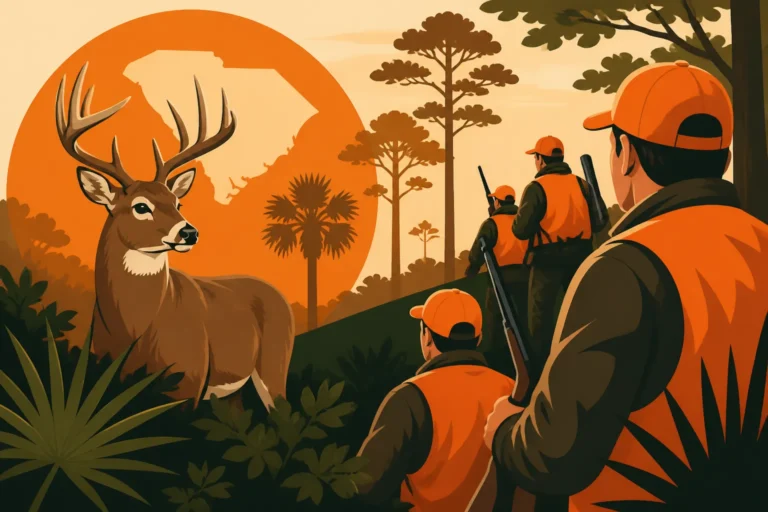
Small group deer drives require smart planning, micro scouting, and quiet communication to push South Carolina whitetails effectively.
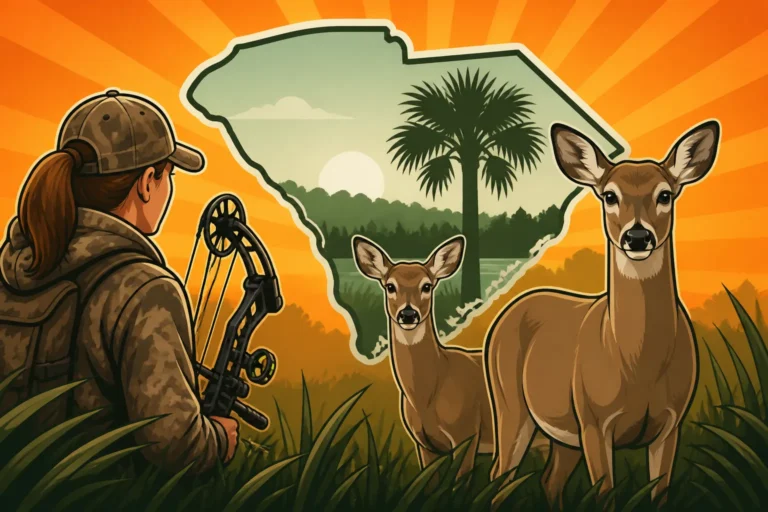
South Carolina game zone regulations and bag limits explain how hunters can harvest two antlerless deer in a single day on private land.