Allendale County Public Hunting Access
Trying to find public hunting access in South Carolina can feel like searching for a needle in a haystack sometimes, especially when you're looking at a county like Allendale, which is so heavily dominated by private timberland and agricultural operations. It’s a common frustration to see fantastic habitat and know the deer are there, but have no legal place to set foot. This guide is here to cut through that confusion, giving you the real scoop on where you might find public hunting opportunities in Allendale County or in the immediate surrounding area, what to expect, and how to maximize your chances of success.
Understanding Allendale County's Hunting Landscape
When you look at a map of Allendale County, it’s easy to get the impression that every acre is spoken for. And in many ways, that’s not far from the truth. This region, nestled in the heart of the South Carolina Lowcountry, boasts vast tracts of timberland managed by large forestry companies and agricultural fields stretching for miles, all of which are typically private property.
The Predominance of Private Land
It’s no secret that the Lowcountry, including Allendale County, is rich in natural resources that have historically supported industries like timber and farming. These operations require large landholdings, which have naturally led to a landscape where private ownership is the overwhelming norm. For hunters, this translates into a significant challenge: finding a place to hunt that doesn't require a hefty lease fee or a personal connection to a landowner. It can be incredibly disheartening to drive through what looks like prime deer or turkey country, only to see "No Trespassing" signs every few hundred yards. This isn't just an Allendale problem; it's a common thread throughout much of the state's prime hunting ground. The sheer scale of these private holdings often means that public lands are more fragmented or located in areas that might seem less desirable at first glance.
Many of these private lands are leased out to hunting clubs, some of which have been passed down through generations. This long-standing tradition of private land hunting means that new hunters, or those without established connections, often struggle to gain access. It's a tough reality to face when you're passionate about getting out into the woods. However, understanding this landscape is the first step toward strategically identifying the public opportunities that do exist and approaching them with realistic expectations and the right tactics. You’re not alone in feeling this squeeze; it’s a constant puzzle for many of us who love to hunt here in the Palmetto State.
Identifying Key Public Access Opportunities in the Allendale Region
While Allendale County itself might not be brimming with expansive state or federal public hunting grounds, there are crucial public access opportunities nearby that deserve your attention. The key is often looking beyond the county lines, or identifying the smaller, often overlooked parcels that are available. For instance, the Webb Wildlife Center, while technically in Hampton County, borders Allendale and offers significant hunting opportunities that hunters in Allendale can readily access. It's one of those spots where you might need to drive a little, but the effort can absolutely pay off.
The South Carolina Department of Natural Resources (SCDNR) manages various Wildlife Management Areas (WMAs) across the state, and while Allendale may not have a massive WMA within its borders, understanding the proximity of others is vital. It's really about thinking regionally. When considering How Many Acres of Public Land South Carolina Has in total, it becomes clear that while some areas are rich, others, like Allendale, require a more focused search for adjacent opportunities. These areas are managed for wildlife, which means they often boast excellent habitat, even if they sometimes experience higher hunting pressure due to their limited availability. Always check the current SCDNR maps and regulations, as boundaries and rules can change. This proactive research is your best friend in a county where public land is a precious commodity.
Navigating Wildlife Management Areas (WMAs) in the Allendale Region
When you're looking for public hunting in the Allendale area, the Webb Wildlife Center WMA is often the first and best option that comes to mind. It’s a gem, but like all public land, it comes with its own set of rules and considerations.
Specific WMA Details: Webb Wildlife Center and Beyond
The Webb Wildlife Center is a substantial WMA, encompassing thousands of acres of diverse Lowcountry habitat, including bottomland hardwoods, pine uplands, and cypress swamps, all bordering the Savannah River. This diversity means it supports a wide array of game species, from whitetail deer and wild turkeys to various small game and waterfowl. It's a productive area, precisely because it’s managed with wildlife in mind. You’ll find some truly beautiful, wild country here, which is a stark contrast to some of the more intensely managed timber tracts on private land.
Deer hunting at Webb can be excellent, with good numbers of deer, though trophy animals are always a challenge on public land. Turkey hunting, when permitted, also draws a crowd. The varied terrain means you might find yourself still-hunting through thick palmetto and gallberry undergrowth one day, and setting up on a hardwood ridge overlooking a swamp the next. Waterfowl opportunities also exist, especially along the river and in its associated wetlands, making it a truly multi-faceted hunting destination. However, due to its popularity and prime location, expect company, particularly during opening weeks and on weekends. Hunters travel from all over the Lowcountry to experience what Webb has to offer.
While Webb is the primary public hunting destination immediately adjacent to Allendale County, it’s always worth checking the SCDNR website for any smaller, lesser-known public tracts that might exist or be acquired. Sometimes, smaller, scattered parcels, often part of heritage preserves or specific WMA programs, can offer unique, less-pressured opportunities if you're willing to do the legwork to find them. These might not be as vast as Webb, but they can provide a quiet morning hunt.
Essential Permits and Regulations
Hunting any WMA in South Carolina, including Webb Wildlife Center, requires more than just your base hunting license. You’ll absolutely need a South Carolina WMA Permit Requirements in addition to your South Carolina Hunting Licenses and What They Cost. These permits are crucial because they fund the management and maintenance of these valuable public hunting grounds. Don’t even think about stepping into a WMA without having all your paperwork in order; the game wardens patrol these areas regularly and are vigilant about ensuring compliance.
Beyond the permits, WMAs often have specific, sometimes intricate, regulations that differ from statewide rules or private land hunting. For Webb, you'll need to pay close attention to the season dates and specific hunt types. Some WMA hunts are part of quota draw systems, meaning you have to apply and be selected to hunt on certain days or for certain species. Others are open to the public on specific days but might require a sign-in/sign-out procedure at a designated kiosk. Always check the most current SCDNR WMA regulations booklet or the online portal well in advance of your hunt. For instance, primitive weapons seasons might have different opening and closing dates than general gun seasons. Rules on vehicle access, camping, treestand placement, and even legal shooting hours can also vary. It’s a lot to keep track of, but it’s all there to ensure fair chase, sustainable harvests, and a safe experience for everyone. Never assume that what's legal on private land is legal on a WMA; always do your homework!
Practical Tips for Hunting Public Land Near Allendale
Hunting public land successfully, especially in an area like Allendale County where access can be limited and pressure higher, requires a strategic approach. You can’t just show up and expect to find unpressured game; you have to work for it.
Pre-Season Scouting and Digital Tools
Before you ever step foot in the woods with your hunting gear, the most critical step is thorough pre-season scouting. This doesn't just mean driving around the perimeter; it means getting boots on the ground or, at the very least, a comprehensive digital reconnaissance. Start by pulling up the SCDNR WMA maps for areas like Webb Wildlife Center. Look for terrain features that might concentrate deer or funnel movement, such as pinch points between swamps and uplands, old logging roads, or transitions between different timber types. Rivers and creeks are huge players in the Lowcountry, often dictating how deer move.
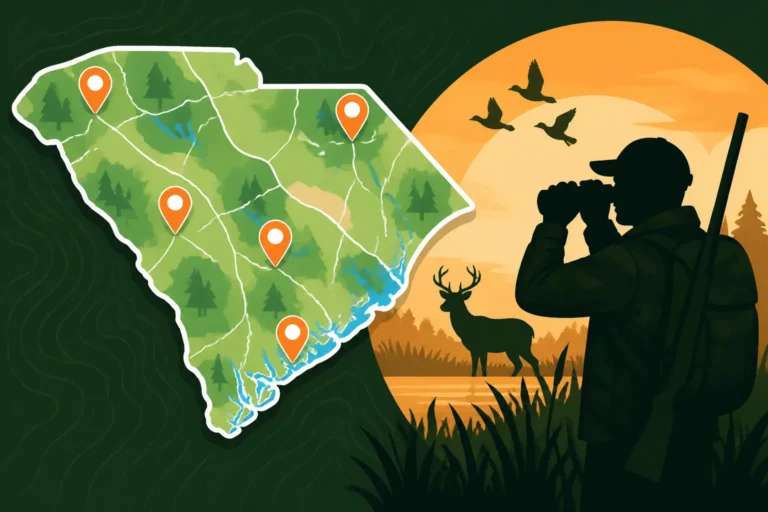
Digital tools have revolutionized this part of the game. Applications like onX Hunt are absolute game-changers for public land hunters. They allow you to overlay public and private land boundaries with detailed satellite imagery, topo maps, and even timber harvest data. This means you can identify potential access points, find unpressured pockets of public land that are difficult to reach, and scout out promising terrain features right from your couch. You can mark waypoints for potential stand sites, bedding areas, or travel corridors, saving you precious time and effort during the actual season. Similarly, GoHunt offers robust mapping features and often integrates with state wildlife agency data, giving you another layer of information. Using these tools to identify those "hidden" spots—the little fingers of public land extending into private holdings, or the patches surrounded by thick cover that most hunters avoid—can make all the difference. Remember, the goal is to find where the game wants to be and how to get there without alerting them or crossing private property. Also, don't forget the Scouting With the Go Outdoors SC App which provides a wealth of information directly from the SCDNR. It's an invaluable resource to have right in your pocket.
Tactics for Pressured Public Land
Once you’ve identified a promising spot, the real work begins. Public land, especially popular WMAs like Webb, often sees significant hunting pressure. This means deer and other game are acutely aware of human presence and will adjust their patterns accordingly. To succeed, you need to think differently than you might on private, low-pressure land.
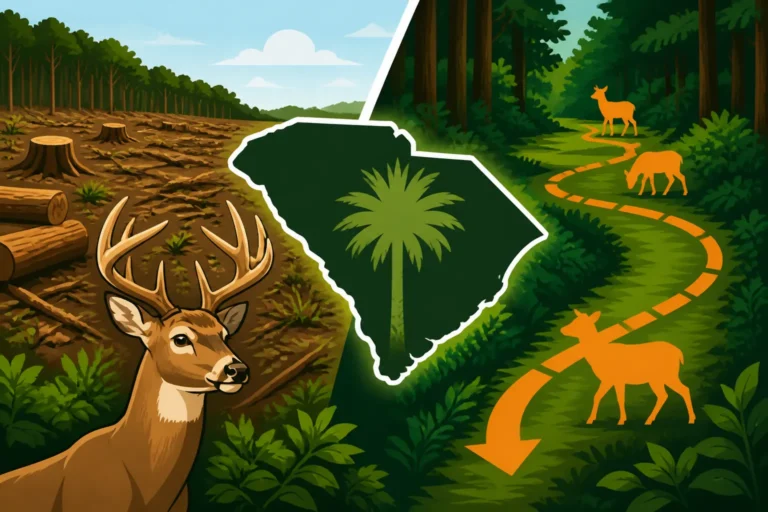
One of the most effective strategies is to go where others won't. This often means embracing difficult terrain. Look for areas that require a long walk in, involve crossing swampy ground, or navigating dense, nasty thickets. Most hunters will stick to easy-access points and well-worn trails, creating a "donut hole" effect where game will avoid the edges and retreat deeper into the harder-to-reach core. This is where Finding Ground Others Walk Past truly comes into play. If you're willing to put in the effort, you'll often find less-pressured animals in these remote pockets.
Another key tactic is focusing on entry and exit routes. On pressured land, deer will often move primarily at first light and last light, using thick cover to travel. Your approach needs to be silent and undetected. Consider using the wind to your advantage, planning your route so you're not walking directly into a deer's nose. Setting up well before dawn and staying until after dark, even if it means a long walk out with a headlamp, can put you in a position to catch deer transitioning from bedding to feeding areas, or vice-versa. Additionally, always be mindful of Hunting Pressure on South Carolina Public Land. If you see a dozen trucks at the main entrance, consider a different access point or a much longer hike. Sometimes, moving just a few hundred yards further than the next guy can be the difference between seeing a deer and seeing nothing but other hunters.
Game Species and Seasons to Target
Allendale County, and the broader Lowcountry region, offers a variety of hunting opportunities across different game species. Knowing what to target and when is crucial for a successful season.
Deer Hunting Strategies in the Lowcountry
Deer hunting is, without a doubt, the most popular pursuit in the Allendale region, just as it is across much of South Carolina. The Lowcountry's fertile soils, abundant water, and diverse habitat—from vast pine plantations to dense hardwood bottoms and agricultural fields—create an environment where deer thrive. While deer density might not always be as high as some pockets in the Midlands, there are certainly plenty of whitetails to go around.
For public land deer hunting in the Lowcountry, particularly in Zone 3 (which Allendale falls into, alongside many other counties in the southern part of the state), the seasons are generally quite long, offering ample opportunity. You can find detailed breakdowns of these seasons in articles like South Carolina Deer Season Structure Explained. Archery season often opens in mid-August, offering the challenge of warm-weather hunting, while gun seasons typically follow in September or early October and run well into the new year. This long season means you can adapt your tactics as the year progresses. Early season, when temperatures are still high, often means focusing on water sources and shaded bedding areas near food. As the season cools, deer will shift more towards available mast crops (acorns!) and agricultural fields. The rut, typically peaking in late October through November in the Lowcountry, provides an exciting window for calling and rattling. Understanding the local food sources and how deer utilize them, whether it’s a cut cornfield, a mature oak stand, or a cypress swamp edge, is paramount. Remember that South Carolina Deer Population Estimate numbers show a healthy herd, giving you a good chance of success if you put in the work.
| Game Species | Typical Season in Zone 3 (Allendale) | Common Habitat | Hunting Strategy Notes |
|---|---|---|---|
| White-Tailed Deer | Archery (Mid-Aug – Jan 1) | Pine plantations, hardwood bottoms, agricultural fields, swamp edges. | Focus on travel corridors between bedding and feeding. Use scent control. Look for fresh rubs, scrapes, and tracks. Early season: water and shade. Rut: rattling, grunting. Late season: remaining food sources like greens. |
| Wild Turkey | Spring (Late March – Mid-May) | Hardwood ridges, field edges, open pine stands. | Locate roosting birds. Call softly early, more aggressively later. Patience is key. Use decoys sparingly on public land. Avoid fanning/reaping on WMAs. Check South Carolina Spring Turkey Season Rules for exact dates and WMA specifics. |
| Squirrel (Gray/Fox) | Fall/Winter (Mid-Sept – Early March) | Oak flats, hardwood bottoms, creek drainages. | Walk slowly, listen for cuttings, spot and stalk. Focus on mast crops like acorns and hickory nuts. Best after a cold snap. Consult South Carolina Squirrel and Rabbit Season Rules. |
| Rabbit (Cottontail) | Fall/Winter (Mid-Sept – Early March) | Thick brush, fencerows, clear-cuts, briar patches. | Ideal for hunting with beagles or pushing dense cover with small groups. Look for fresh sign along edges. Consult South Carolina Squirrel and Rabbit Season Rules. |
Other Opportunities: Turkey and Small Game
While deer often steal the spotlight, Allendale and its surrounding public lands offer other rewarding hunting experiences. Wild turkey hunting, in particular, can be phenomenal. Spring turkey season in South Carolina, usually running from late March through mid-May, provides a challenging and thrilling hunt. Public lands like Webb often have strong turkey populations, though just like deer, they become very wary of human presence. Locating birds on the roost, setting up well in advance of fly-down, and using a variety of calls can all contribute to success. Patience is paramount, as is understanding South Carolina Spring Turkey Season Rules, especially regarding WMA-specific regulations and bag limits.
For those who enjoy a more relaxed pace or want to introduce new hunters, small game hunting for squirrels and rabbits is a fantastic option. South Carolina Squirrel and Rabbit Season Rules generally allow for a long season from mid-September to early March, providing plenty of opportunity. Squirrels are abundant in the hardwood bottoms and oak flats of the Lowcountry, offering a fun and challenging hunt, whether you're still-hunting or using a squirrel dog. Rabbits, found in thickets, fencerows, and clear-cuts, are a classic pursuit, often hunted with beagles, providing fast-paced action. These hunts are not only enjoyable but also provide delicious table fare and are a great way to spend time outdoors without the intense pressure often associated with big game.
The bottom line is that while Allendale County presents a unique challenge for public land hunters due to its private land dominance, opportunities absolutely exist. With careful planning, smart use of modern tools, and a willingness to put in the effort to find unpressured areas, you can have a very rewarding hunting experience in this part of the Lowcountry.
Disclaimer
This article is for general informational purposes only and does not constitute professional advice. Laws, prices and regulations vary by location and change over time. Consult a qualified professional for guidance on your specific situation.