Why the Coast Draws Waterfowl Every Winter
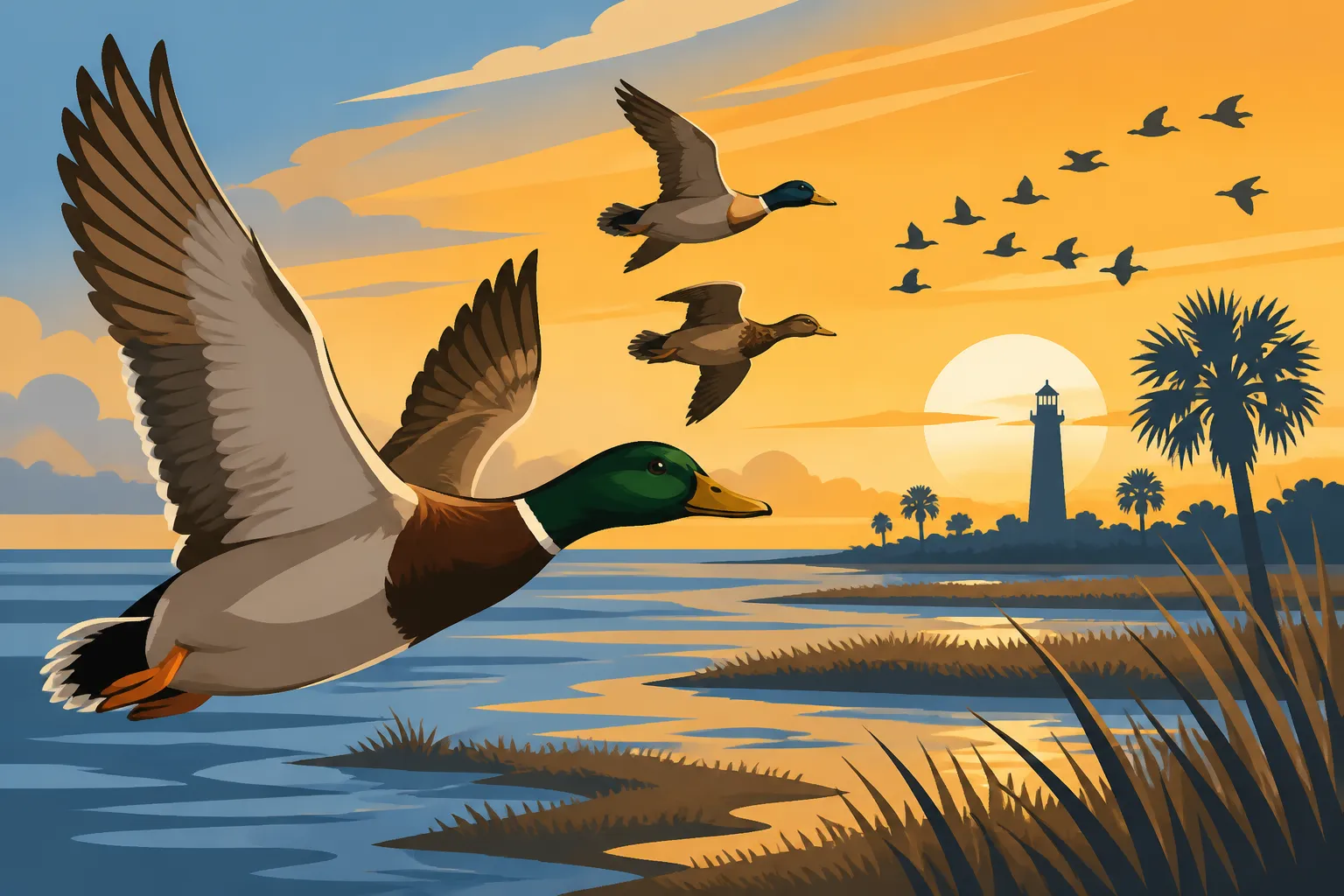
Anyone who has spent a winter morning in the South Carolina Lowcountry can tell you there's a special kind of magic in the air – the kind accompanied by the whistle of wings and the distant chatter of ducks. It's a natural phenomenon that draws countless waterfowl to our coastline each year, yet many hunters still wonder about the exact forces at play. This guide aims to pull back the curtain on why our South Carolina coast becomes such an irresistible winter haven for migratory ducks and geese.
The Abundant Habitat: A Waterfowler's All-You-Can-Eat Buffet
When you think about why birds choose a place, it almost always comes down to food and shelter. The South Carolina coast, particularly the expansive Lowcountry, offers an incredible diversity and abundance of both, creating a veritable paradise for migrating waterfowl. It’s not just one type of landscape, but a complex mosaic that caters to a wide array of species.
Tidal Marshes and Estuaries: The Salty Pantry
Our coastal plain is crisscrossed with vast expanses of tidal marshes and intricate estuary systems. These areas, constantly flushed by the ebb and flow of the Atlantic, are brimming with life. For many dabbling ducks, like pintails, widgeon, and green-winged teal, these brackish and salt marshes are a crucial feeding ground. They thrive on the seeds of marsh plants, various invertebrates, and the submerged aquatic vegetation like widgeon grass and eelgrass that carpet the shallow bottoms. These plants provide not only sustenance but also excellent cover from predators and harsh weather. Imagine a massive, shallow dinner plate that refills itself with food twice a day – that's what these marshes offer. You can spend a lifetime Hunting Coastal Marsh Waterfowl and still discover new honey holes.
Freshwater Swamps and Managed Impoundments: The Inland Larder
Just a stone's throw inland from the salt marsh, you'll find extensive freshwater swamps and, perhaps most famously, the remnants of historic rice fields. These freshwater systems are goldmines for species like wood ducks, mallards, and gadwall. Our lowland swamps, with their towering cypress and tupelo trees, offer secluded foraging grounds rich in acorns, cypress seeds, and aquatic insects. Meanwhile, the legacy of rice cultivation has given us a network of managed impoundments. Landowners and state agencies diligently manage water levels in these former rice fields, flooding them in the fall to create ideal conditions. This practice makes seeds, tubers, and waste grains easily accessible to ducks, turning these areas into prime feeding and resting spots. The ACE Basin, for instance, is world-renowned for its managed impoundments, drawing an incredible number of birds each season. Hunters often employ specialized tactics like Layout Blind Hunting Lowcountry Rice Fields to take advantage of these unique setups.
Agricultural Fields: Supplemental Nourishment
Beyond the natural wetlands, a significant amount of agriculture exists along the South Carolina coast, especially in counties that border the marsh. Fields of corn, soybeans, and other grains, particularly those that are flooded or near water, provide a supplemental food source for ducks and geese. After harvest, waste grain offers an easy meal, especially for larger birds like Canada geese. This mix of natural and cultivated food sources ensures that waterfowl have a diverse and resilient diet available throughout the winter, reducing their need to expend precious energy searching for food.
The Mild Climate: A Respite from Northern Winters
One of the most immediate and impactful reasons ducks and geese flock to South Carolina's coast is our famously mild winter climate. While folks up North are breaking out ice augers and snow shovels, we're often enjoying crisp, cool mornings that are perfect for a hunt, with open water readily available.
Ice-Free Waters and Accessible Food
Waterfowl, especially dabbling ducks that feed on the surface or in shallow water, rely on open water to survive. As winter tightens its grip on the northern states and Canada, lakes, ponds, and rivers freeze solid, locking away their essential food sources. This pushes birds south along the Atlantic Flyway, seeking areas where they can feed and rest without expending massive amounts of energy breaking ice or constantly flying in search of thawed waters. The South Carolina coast rarely experiences prolonged freezing conditions, meaning our marshes, impoundments, and open waters remain accessible and productive for much of the season. This allows birds to feed freely and conserve their energy, which is critical for survival and eventual spring migration. This is also why many hunters prefer a Warm-Weather Sitting Strategy in South Carolina during the early parts of the season.
Longer Growing Seasons for Natural Forage
Our temperate climate also supports a longer growing season for the very plants waterfowl rely on. Marsh grasses, wild millets, and other aquatic vegetation continue to produce seeds and tubers later into the fall and early winter compared to more northern latitudes. This extended availability of natural food, coupled with the mild temperatures, means birds find a consistent and renewable food supply without having to continuously relocate. It's a key factor in the South Carolina Waterfowl Migration Timing and how long birds stay once they arrive.
The Atlantic Flyway Funnel: A Geographic Bottleneck
South Carolina's position along the Atlantic Flyway is not merely convenient; it's a geographic funnel that naturally concentrates migratory waterfowl along our coastline.
A Natural Migration Corridor
The Atlantic Flyway stretches from the Arctic breeding grounds all the way down to the Caribbean and South America. As millions of birds begin their southward journey, they follow established routes, often hugging major geographical features like coastlines and river valleys. The broadness of the flyway up north begins to narrow as birds push further south. By the time they reach the mid-Atlantic and southeastern coast, the continental shelf and the Appalachian Mountains tend to compress these migration routes into a denser corridor. South Carolina's extensive coastal plain, with its contiguous wetlands, becomes a highly visible and attractive stopover point – a natural beacon for tired, hungry birds. Using a mapping tool like GoHunt can visually illustrate these flyway corridors and help hunters identify potential bottlenecks where birds might concentrate during their journey.
Proximity to Critical Stopovers
Our coast isn't just an end destination; it's a vital link in a chain of stopover points. Birds utilize these areas to rest, refuel, and stage for the next leg of their journey. South Carolina provides that critical respite before some species continue further south to Florida or even into Latin America. The sheer size and interconnectedness of our coastal wetlands allow for large numbers of birds to spread out, reducing pressure on individual feeding grounds and providing a sense of security. This continuous flow of new birds means that even if one area sees a lot of hunting pressure, fresh ducks are often just a short flight away. The ACE Basin National Wildlife Refuge Hunting area serves as a prime example of a protected, high-quality stopover that underpins the entire region's waterfowl attraction.
Managed Lands and Conservation Efforts: Humans Enhancing Nature's Bounty
While natural factors are paramount, human conservation efforts and careful land management have played an undeniable role in maintaining and enhancing the South Carolina coast's appeal to waterfowl.
Historic and Modern Wetland Management
The story of South Carolina's waterfowl habitat is inextricably linked to the history of rice cultivation. While the era of rice plantations is long past, the infrastructure of dikes and impoundments remains. Conservation organizations and state agencies have recognized the incredible potential of these structures and actively manage them for waterfowl. This involves precise water level manipulation, controlled burning, and planting specific crops to create ideal feeding and loafing areas. This proactive management ensures that prime habitat is consistently available year after year. Hunters looking for public access to these managed areas should familiarize themselves with South Carolina Managed Waterfowl Area Draw Rules.
Wildlife Management Areas and National Wildlife Refuges
South Carolina is home to numerous Wildlife Management Areas (WMAs) and National Wildlife Refuges (NWRs) specifically managed for migratory birds. These include well-known jewels like the Santee Coastal Reserve, Bear Island WMA, Donnelley WMA, and portions of the Cape Romain NWR. These protected lands serve as critical wintering grounds, offering safe havens where birds can rest and feed undisturbed, building up reserves before their long spring migration. These areas are managed with science-based practices to maximize their ecological value for waterfowl, often involving partnerships with organizations dedicated to wetland conservation. Tools like GoHunt can be invaluable for identifying the boundaries and access points for these WMAs and NWRs, helping hunters understand where they can participate in these regulated hunts.
Table: Key Coastal Habitats and Waterfowl Attracted
| Habitat Type | Primary Waterfowl Species Attracted | Key Food Sources |
|---|---|---|
| Tidal Brackish & Salt Marsh | Green-winged Teal, Pintail, Widgeon, Gadwall, Scaup, Bufflehead | Widgeon grass, eelgrass, marsh grass seeds, invertebrates |
| Freshwater Swamps & River Bottoms | Wood Duck, Mallard, Gadwall, Black Duck, Ring-necked Duck | Acorns, cypress seeds, wild millet, aquatic insects |
| Managed Rice Impoundments | Mallard, Green-winged Teal, Pintail, Wood Duck, Gadwall, Shoveler | Waste rice, corn, millet, tubers, aquatic invertebrates |
| Agricultural Fields (Flooded) | Canada Goose, Snow Goose, Mallard, Pintail | Waste corn, soybeans, wheat, cover crops |
These collective efforts, combining the inherent natural advantages of our coastline with dedicated human stewardship, solidify South Carolina’s reputation as a premier wintering ground for waterfowl. Understanding the South Carolina Duck Zone Rules and South Carolina Waterfowl Zones and Seasons is essential for any hunter hoping to participate in this incredible natural phenomenon.
Disclaimer
This article is for general informational purposes only and does not constitute professional advice. Laws, prices and regulations vary by location and change over time. Consult a qualified professional for guidance on your specific situation.