Deer Meat Yield From a South Carolina Buck
It's a question every South Carolina hunter asks themselves after a successful hunt: "How much meat am I actually going to get from this buck?" We've all been there, staring at a deer in the back of the truck, mentally calculating pounds of venison for the freezer. The reality is often a little different from the hopeful estimates, and understanding the factors that influence your deer meat yield is crucial for managing expectations, planning your processing, and making sure not a single delicious morsel goes to waste. This guide will walk you through what to expect when harvesting a South Carolina buck, from field to freezer, and help you get the most out of your hard-earned venison.
Understanding "Yield" – It's More Than Just the Field Dress Weight
When we talk about the amount of venison you'll take home, it's easy to get caught up in different measurements. Live weight, field-dressed weight, and boneless meat yield are three very different numbers, and mixing them up can lead to some disappointing surprises when you finally get that meat packed and sealed.
Live Weight vs. Field Dressed vs. Boneless Meat
Let's break down these terms because they're often used interchangeably, but they shouldn't be.
Live Weight: This is the deer's weight when it was still alive and kicking. It includes everything: blood, guts, hide, bones, meat – the whole enchilada. Unless you're weighing a deer on a scale directly after the shot and before any processing, this number is usually an estimate. Many hunters use general estimates based on age and region, or compare their deer to known weights from their area. It’s a good benchmark for bragging rights or for understanding the overall health of your deer herd, but it’s not what ends up on your dinner plate.
Field Dressed Weight: This is the weight of the deer after you’ve removed the internal organs (stomach, intestines, etc.) in the field. This is typically the first step in processing a deer and is crucial for cooling the carcass quickly, especially in South Carolina's often warm hunting weather. You’ll be surprised how much weight those internal organs contribute! A good rule of thumb is that field-dressed weight is usually about 20-25% less than the live weight. So, if you estimated a 150-pound live weight buck, you might be looking at a field-dressed weight of 110-120 pounds. This is the weight often taken at check stations or when a deer is weighed at a processor before further butchering.
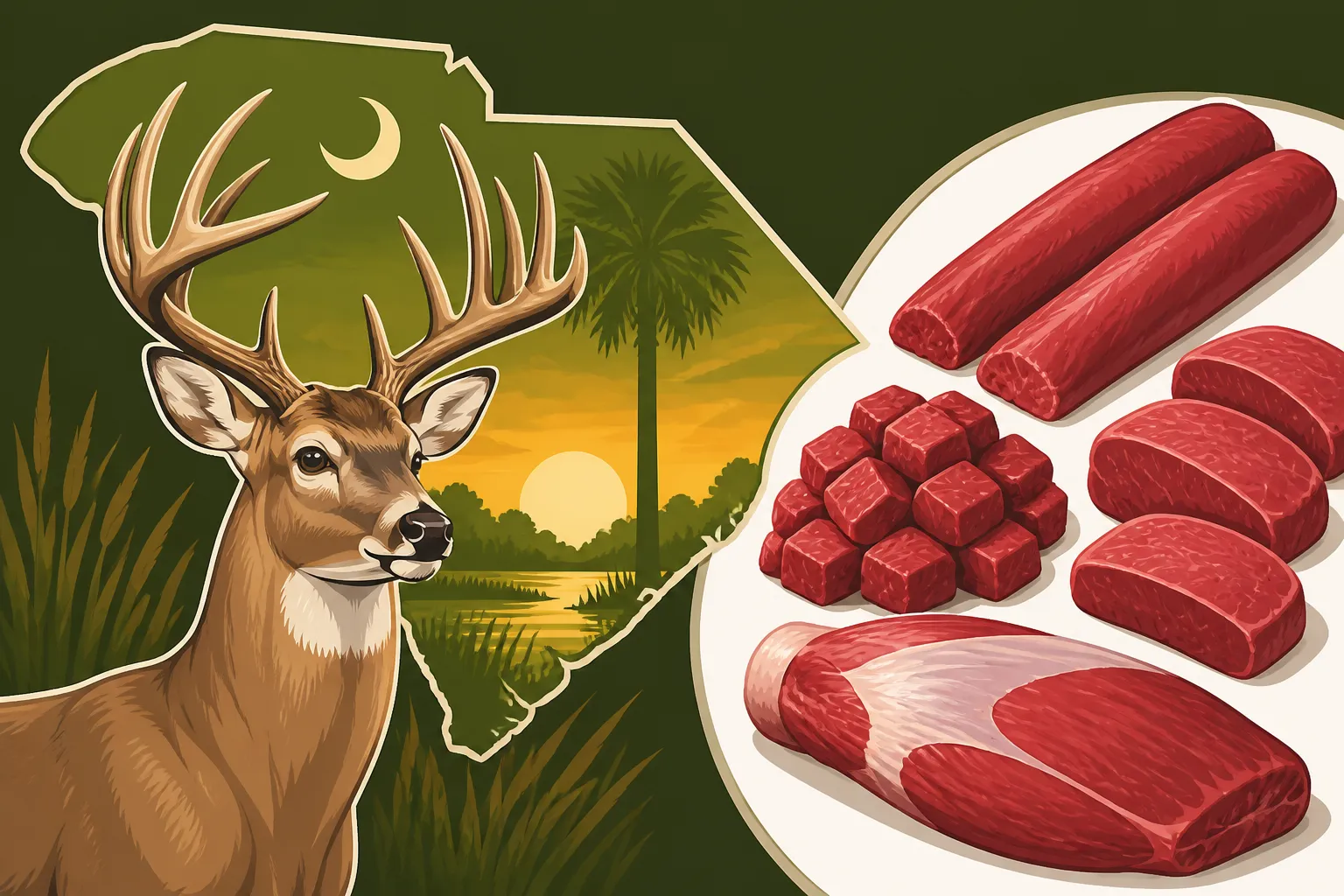
Boneless Meat Yield: This is the holy grail for most hunters – the actual weight of the meat you'll put into your freezer. This is after the hide has been removed, the head and lower legs are off, and all the bones, gristle, and undesirable fat have been trimmed away. This boneless yield is what really matters for meal planning. It's significantly less than the field-dressed weight, often around 50-60% of the field-dressed weight, or roughly 30-40% of the live weight. So, that 150-pound live weight buck that field dressed at 110-120 pounds might only yield 55-70 pounds of boneless meat. Knowing this helps you manage your expectations and plan for freezer space.
Factors Affecting a Buck's Live Weight
A deer's size, and therefore its meat yield, isn't just random. Several factors play a significant role in how big that buck grows. Understanding these can help you better estimate the potential yield from the deer you harvest.
Age: This is arguably the biggest factor. A yearling buck (1.5 years old) simply hasn't had the time to put on the muscle and fat that an older, more mature buck (3.5, 4.5, or even 5.5+ years old) has. Yearlings are still growing their frame, while older bucks are filling out and developing more robust muscle mass. You can expect a much lower yield from a young buck compared to an old bruiser.
Nutrition and Habitat: Just like any animal, deer need good food to grow big. Areas with abundant, high-quality forage – think agricultural fields, rich hardwood bottoms, or well-managed forests – will typically produce heavier, healthier deer than areas with poor nutrition or overpopulation. For instance, a buck harvested from the fertile soil and plentiful crops of the Midlands or Pee Dee regions might be significantly heavier than a buck of the same age from a more marginal habitat in some parts of the Upstate or deep coastal swamps. Before you even head afield, a quick look at the satellite imagery on an app like GoHunt can give you clues about the available food sources and terrain, which often correlate with the health and size of the deer herd in an area.
Time of Year: The season you harvest your buck also impacts its weight. Bucks are typically at their heaviest in the late summer and early fall, before the rigors of the rut begin. During the breeding season (the rut), bucks are expending an incredible amount of energy, often barely eating as they chase does and fight rivals. It's not uncommon for a mature buck to drop 15-20% of its body weight during the peak of the rut. If you harvest a buck in December or January, especially after a prolonged rutting period, it will likely be lighter than if you had taken the same animal in September.
Stress and Health: Disease, injury, or prolonged periods of stress can also impact a buck's overall health and weight. While less common, a deer dealing with a significant health issue might have a lower body weight and, consequently, a reduced meat yield. Fortunately, South Carolina has proactive measures in place to monitor herd health and prevent serious outbreaks.
Typical Meat Yield Ranges for South Carolina Whitetails
Now that we understand the factors, let's talk about some realistic numbers for South Carolina deer. It's important to remember these are averages, and individual deer can vary.
Average Boneless Meat for Different Buck Sizes
South Carolina deer aren't generally known for being the behemoths found in some northern states, but we still have healthy deer populations capable of growing good body weights, especially in certain regions.
- Yearling Buck (1.5 years old): These young bucks might have small antlers or spikes, and their body weight reflects their youth. A typical yearling in South Carolina might have a live weight of 90-120 pounds. After field dressing and deboning, you're usually looking at 35-50 pounds of boneless venison. This is still a fantastic amount of high-quality protein for your family!
- Young Adult Buck (2.5-3.5 years old): These are often the "meat and potatoes" deer for many hunters – good body size, developing antlers, and still relatively tender meat. A 2.5-3.5 year old buck could weigh 120-160 pounds live. From these, you can realistically expect 50-70 pounds of boneless meat.
- Mature Buck (4.5+ years old): These are the older, wiser bucks that have survived several seasons. They've had time to really fill out, and while their antlers might be impressive, their body mass is often just as significant. A truly mature buck in South Carolina could push 160-220+ pounds live weight. These animals can yield anywhere from 70-100+ pounds of boneless venison. Of course, these are the deer that are often harder to come by, but when you do get one, the freezer will be well-stocked.
For a deeper dive into how deer weights vary, you might find this article helpful: South Carolina Deer Weight Averages by Region.
Regional Differences in Carcass Size and Yield
South Carolina is a diverse state, from the mountains to the coast, and this diversity in habitat directly impacts the average size of deer in different regions. You can definitely see a difference in body size and therefore meat yield across the four game zones.
- Coastal Plain (Zone 4): This region, particularly the Lowcountry, is famous for having a high deer population density and a very early season opener. However, the deer here tend to be smaller-bodied on average. While there are exceptions, a mature buck from the Lowcountry might weigh less than a similar-aged buck from the Upstate or Midlands. The abundant, but sometimes less nutrient-dense, forage and higher population numbers can contribute to this. If you’re hunting the ACE Basin for deer, for example, your expectations for yield might be slightly adjusted.
- Midlands (Zones 2 & 3): This central part of the state often has a good balance of agriculture and diverse habitat. Many hunters find that bucks from the Midlands exhibit excellent body size due to better nutrition from crops like corn, soybeans, and peanuts, alongside natural forage. This can translate to higher boneless meat yields for similar-aged deer compared to the coastal plain.
- Upstate (Zone 1): The mountain and piedmont regions of the Upstate generally produce the largest-bodied deer in South Carolina. The longer growing season, richer soils, and more diverse forage, including abundant mast crops like acorns in years when they hit, contribute to healthier, heavier animals. A 150-pound field-dressed buck is a much more common sight in the Upstate than it might be closer to the coast. If you're comparing Upstate Versus Lowcountry Deer, you'll definitely notice a difference in average body weight.
Understanding these regional nuances is key. A "big buck" in the Lowcountry might be a different size than a "big buck" in the Upstate, but both provide incredible venison.
Maximizing Your Meat Yield After the Shot
Harvesting a deer is just the first step. What you do immediately after the shot and during the butchering process has a huge impact on how much quality meat you actually get into your freezer. Wasting meat is a cardinal sin for any ethical hunter.
Importance of Prompt Field Dressing and Cooling
This cannot be stressed enough, especially in South Carolina's often sweltering heat. The moment a deer is down, bacterial growth begins, and internal heat can quickly spoil meat.
Get to it Quickly: The sooner you can field dress your deer, the better. This removes the heat-generating internal organs, allowing the carcass to cool down. In early season, when temperatures might still be in the 80s or 90s, every minute counts. Don't drag a deer for miles before field dressing if you can help it. If you need to know more, check out Field Dressing a Deer in Warm Weather.
Proper Cooling: After field dressing, getting that carcass to a cool place is paramount. If you're at camp, hanging it in a shaded, well-ventilated area is essential. Many hunters use coolers filled with ice, especially if they have to transport the deer a distance or if ambient temperatures remain high. Quartering the deer and placing the meat on ice immediately can save it in truly hot conditions. This quick cooling prevents spoilage and sets the stage for better-tasting venison. You’re also preventing potential meat loss from souring or bacterial contamination.
Efficient Butchering Techniques
Whether you do it yourself or take it to a professional, how the deer is butchered makes a world of difference in your final yield.
DIY Butchering: If you process your own deer, take your time and learn proper techniques. The goal is to remove as much meat as possible while leaving behind bone, gristle, and silver skin. Many hunters are opting for the "gutless method" these days, which involves skinning and quartering the deer in the field without ever opening the body cavity. This can be great for solo hunters or difficult terrain and can result in very clean meat, maximizing your take. Another resource to consider if you do your own processing is Butchering a Deer at Camp or perhaps learning about Bone Saws Versus the Gutless Method. GoHunt also has some great resources and videos on processing, helping hunters get the most from their harvest.
Commercial Processors: If you take your deer to a professional processor, they are usually experts at maximizing yield. They have the right tools, experience, and cold storage facilities to handle your deer efficiently. Be clear about what cuts you want (steaks, roasts, ground meat, sausage) and if you want any specific parts back, like the tenderloins or heart. While there's a cost involved, the convenience and assurance of high-quality processing are invaluable to many hunters.
Practical Considerations for Your Freezer
After all the hard work in the field and the effort of processing, the final step is getting that precious venison safely into your freezer. Proper storage ensures that your hard-earned meat tastes great for months to come.
Planning for Freezer Space
That 50-70 pounds of boneless meat from a typical South Carolina buck can take up a surprising amount of space!
Estimating Needs: Before the season even starts, consider your freezer capacity. If you're consistently harvesting multiple deer or planning to fill your South Carolina Statewide Antlered Bag Limit, you'll need ample room. A good rule of thumb is about 1 cubic foot of freezer space per 35-40 pounds of packaged meat. So, a 70-pound yield would need roughly 2 cubic feet.
Packaging Matters:
- Vacuum Sealing: This is hands-down the best method for long-term storage. It removes all the air, preventing freezer burn and keeping your venison fresh for a year or even longer. While it requires an initial investment in a vacuum sealer, it pays off in preserving the quality of your meat.
- Butcher Paper: A more traditional and still effective method. Use heavy-duty, freezer-grade butcher paper, wrapping the meat tightly to exclude as much air as possible. Then, use freezer tape to secure it. While not as long-lasting as vacuum sealing, properly wrapped meat in butcher paper can last 6-9 months.
Always label your packages with the date and type of cut (e.g., "Buck Steak – 10/25").
Utilizing All the Edible Parts
An ethical hunter respects the animal and strives to use as much of it as possible. Deer meat yield isn't just about roasts and steaks.
Beyond the Primal Cuts: While everyone loves venison backstrap and tenderloin, there's a lot more to a deer.
- Ground Venison: A huge portion of your yield will likely be ground meat, perfect for chili, burgers, meatloaf, and tacos. You can grind it plain or mix it with pork or beef fat to add moisture and flavor, which is especially good for recipes where you want a higher fat content.
- Stew Meat: The tougher cuts from the shoulders and hindquarters, or smaller scraps, are ideal for stew meat. Slow cooking breaks down the connective tissues, making them incredibly tender and flavorful.
- Organ Meats: Don't forget the "odd bits"! The heart and liver are nutrient-dense and delicious. Sliced and pan-fried, deer heart is a delicacy for many hunters. Liver, while not for everyone, can be prepared similarly or ground into pâté.
- Bones: Even the bones have value! They can be used to make rich, nutritious venison stock, perfect for soups and sauces.
Using every part of the animal you can is a great way to honor your harvest and ensures you truly maximize your deer meat yield. And for those looking to expand their culinary horizons, consider exploring Best-Eating Game in South Carolina to discover new ways to enjoy your venison.
Disclaimer
This article is for general informational purposes only and does not constitute professional advice. Laws, prices and regulations vary by location and change over time. Consult a qualified professional for guidance on your specific situation.