South Carolina Alligator Population
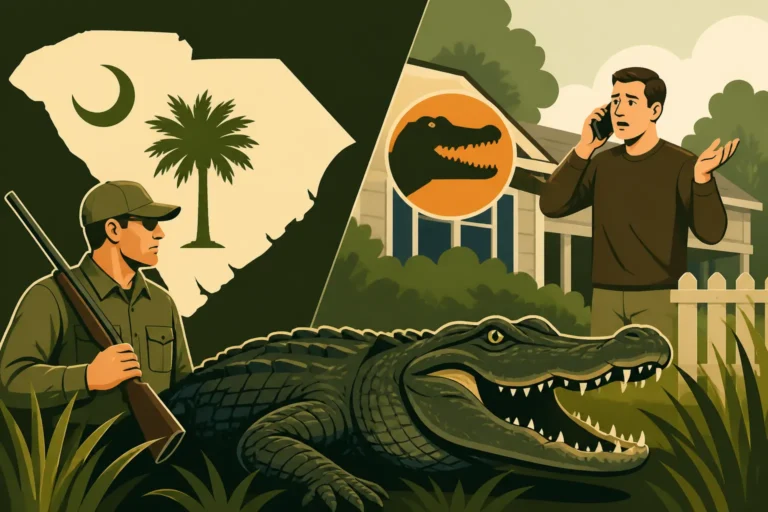
It’s an undeniable truth: spending time outdoors in South Carolina means you’re sharing the landscape with some incredible wildlife, and few creatures command as much respect and curiosity as the American alligator. While seeing one sunning on a bank can be a thrilling experience, many folks also have questions about just how many alligators call our state home, where they prefer to live, and how we coexist safely. This guide will dive deep into the fascinating world of South Carolina's alligator population, exploring their habitats, historical journey, and the efforts made to ensure their continued presence in our beautiful state.
Understanding South Carolina's Alligator Habitat
When you think of alligators, you probably picture murky swamp waters and sun-drenched banks, and you wouldn't be wrong. South Carolina offers a diverse range of environments that perfectly suit these ancient reptiles, allowing them to thrive from our bustling coastlines to our quiet inland waterways. Understanding where they live is the first step to appreciating their role in our ecosystem and planning your own outdoor adventures safely.
Coastal Marshes and Estuaries
Our vast coastal marshes and estuaries are prime alligator territory. These areas, where freshwater rivers meet the salty Atlantic, create a brackish environment that alligators have adapted to masterfully. Think of places like the ACE Basin, where the Ashepoo, Combahee, and Edisto Rivers converge into a rich tapestry of tidal creeks and marsh grass. Here, the mix of water salinity means a plentiful food supply for alligators, from various fish and crabs to wading birds and smaller mammals.
Hunters venturing into these zones for species like waterfowl often report alligator sightings, especially in the warmer months. These dense, nutrient-rich environments provide excellent cover for hunting and basking, making them ideal nurseries for young alligators as well. The intricate network of guts and sloughs offers countless hidden spots for these apex predators to lie in wait, especially around dawn and dusk when they are most active. Learning about Hunting Coastal Marsh Waterfowl will often put you in close proximity to these amazing reptiles.
Freshwater Swamps and Rivers
Move slightly inland from the coast, and you'll find extensive freshwater swamps and slow-moving rivers that are equally beloved by alligators. The Lowcountry, with its cypress and tupelo forests like those found in the Francis Marion National Forest, provides classic alligator habitat. These deeply shaded, often stagnant waters offer cool retreats during the scorching summer and plenty of deep holes for alligators to burrow into during colder spells.
The blackwater rivers, such as the Edisto, Combahee, and Black River, are also teeming with alligators. These river systems provide a continuous corridor of suitable habitat, allowing populations to expand and migrate. When you’re spending time in a lowcountry swamp, perhaps Hunting Lowcountry Swamp Deer, you'll quickly realize that the alligators are an integral part of that ecosystem, often seen patrolling the deeper channels or sunning on fallen logs. Their presence here is a testament to the health of these wetland environments, as they sit at the top of the food chain, keeping other populations in check.
Inland Ponds and Lakes
Even further inland, alligators have successfully colonized many ponds, lakes, and even golf course water hazards across the state. While not as prevalent as in the coastal and swamp regions, pockets of alligator populations exist in various reservoirs and man-made impoundments. These areas often provide a stable food source and less tidal fluctuation, making them comfortable homes.
It's not uncommon to find alligators in larger lakes, especially those fed by significant river systems. They're adaptable creatures, and if a body of water can sustain them with food and offers suitable nesting sites, they'll often establish a presence. This is why residents and visitors alike, even in areas that aren't strictly "swamp country," need to remain aware of their surroundings near any freshwater body, particularly at dawn and dusk. The presence of these reptiles reminds us that South Carolina’s wild character extends far beyond just its coastal reaches.
Historical Overview and Conservation Success
The story of the American alligator in South Carolina is a compelling one, a true testament to successful conservation efforts. There was a time when these magnificent creatures faced dire threats, but through dedicated protection and management, their population has rebounded remarkably, making them a conservation success story.
Near Extinction and Early Protection Efforts
It's hard to imagine now, given their prevalence, but American alligators were once on the brink of extinction. Throughout the 19th and early 20th centuries, unrestricted hunting for their valuable hides and meat, coupled with habitat destruction, decimated alligator populations across the southeastern United States, including South Carolina. The scales and skin were highly prized for leather goods, leading to relentless pursuit that pushed these animals to critically low numbers.
By the mid-20th century, the alarm bells were ringing loudly. Scientists and conservationists realized that without intervention, this iconic species could be lost forever. This led to significant federal and state protections. In South Carolina, like many other states, laws were enacted to ban alligator hunting entirely and protect their habitats. These early, critical steps were foundational to their eventual recovery, providing the breathing room the species desperately needed to begin its slow climb back.
The Alligator's Comeback Story
The protections put in place worked, perhaps even beyond initial expectations. With hunting pressure removed and critical habitats preserved, alligator populations began to recover steadily. It wasn't an overnight process, but gradually, over decades, their numbers swelled. Females started nesting more successfully, and young alligators had a better chance of surviving to adulthood. This comeback is often cited as one of the greatest successes in wildlife conservation history.
By the late 1980s and early 1990s, alligators were no longer considered endangered. In fact, their populations had recovered so robustly that they were removed from the federal endangered species list, a true triumph for wildlife management. Their recovery in South Carolina mirrored this national trend, with healthy populations re-establishing themselves throughout their historical range and even expanding into new territories. This success story highlights the profound impact that well-informed conservation policies and public support can have on restoring vulnerable species.
Current Population Status and Management
Today, South Carolina boasts a thriving and healthy alligator population, a testament to decades of careful management. The state's wildlife department now actively monitors alligator numbers, ensuring that the population remains sustainable and balanced within the ecosystem. This involves regular surveys, habitat assessments, and careful regulation of activities that might impact them.
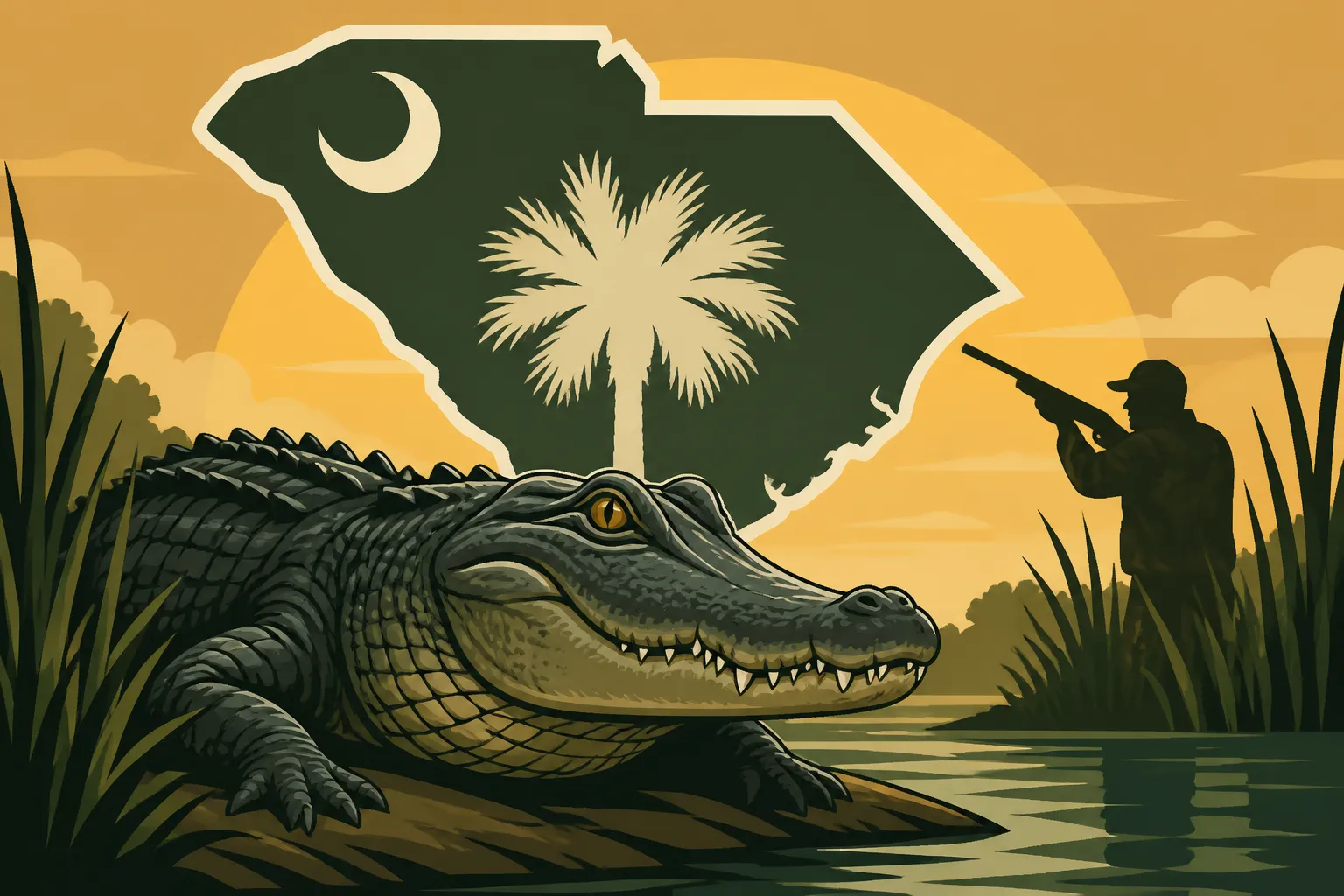
Because their numbers are robust, regulated hunting seasons for alligators have been implemented in South Carolina. These carefully controlled hunts are not about reducing the population indiscriminately but rather about managing it, targeting nuisance animals, and providing unique recreational opportunities for residents and non-residents. These hunts are strictly managed through a lottery system, ensuring only a limited number of tags are issued each year, allowing the population to remain strong. Understanding the context of South Carolina's Two Bear Hunting Zones might give you a similar perspective on controlled hunting as a management tool.
Alligator Behavior and Ecology in the Lowcountry
To truly appreciate South Carolina's alligator population, it helps to understand their day-to-day lives and how they interact with their environment. These magnificent reptiles are intricate parts of the Lowcountry ecosystem, playing vital roles that ripple through the food web.
Diet and Feeding Habits
Alligators are opportunistic predators, meaning they'll eat just about anything they can catch. Their diet is incredibly varied, shifting as they grow. Young alligators often feast on insects, small fish, frogs, and crustaceans. As they mature, their diet expands to include larger fish, snakes, turtles, birds, and small mammals like raccoons, muskrats, and even feral hogs. Yes, they can even help manage the populations of Feral Hogs Across South Carolina in certain areas, particularly when those hogs venture too close to the water's edge.
They are ambush predators, often waiting patiently for prey to come within striking distance before launching a lightning-fast attack. They also aren't above scavenging, taking advantage of carcasses they find. This broad diet places them at the top of the food chain in many aquatic environments, helping to keep other animal populations in check and contributing to the overall health of wetlands and rivers. Their powerful jaws and keen senses make them incredibly effective hunters, essential for ecosystem balance.
Nesting and Reproduction
The cycle of life for a South Carolina alligator begins with nesting, typically in late spring or early summer. Female alligators construct large mounds of vegetation, mud, and debris in secluded, damp areas near water, such as dense marsh grasses or swamp edges. The decomposing vegetation generates heat, which helps incubate the eggs. What's truly fascinating is that the temperature inside the nest actually determines the sex of the hatchlings! Warmer temperatures tend to produce males, while cooler temperatures result in females.
A single nest can contain anywhere from 20 to 50 eggs. The female alligator will vigilantly guard her nest against predators, including raccoons and other egg-eaters, for the entire incubation period, which lasts about 60 to 70 days. Once the eggs hatch, she'll often help her young get to the water and may even protect them for several months, a rare display of parental care among reptiles. This dedication to their offspring is crucial for the survival of the species, ensuring the next generation can navigate the perils of early life.
Seasonal Movements and Basking
Alligators in South Carolina exhibit distinct seasonal behaviors, heavily influenced by temperature. During the warmer months, they are highly active, spending their days hunting, feeding, and basking in the sun to regulate their body temperature. You'll often see them stretched out on banks, logs, or floating just below the surface with only their eyes and nostrils visible, soaking up the heat.
As temperatures drop in late fall and winter, alligators become less active. While they don't truly hibernate, they enter a state of brumation, a reptilian equivalent of hibernation, where their metabolism slows considerably. They'll seek out burrows, deep holes, or muddy banks to ride out the colder weather. On unusually warm winter days, it's not uncommon to see them emerge for a quick bask, but their overall activity levels are significantly reduced. Understanding these seasonal patterns is key for anyone exploring areas where alligators reside, whether you're hunting deer or simply enjoying a walk.
Alligator Encounters and Public Safety
With a healthy and growing alligator population, encounters between humans and alligators are a reality across much of South Carolina. While these animals are generally shy and prefer to avoid people, it's crucial to understand how to coexist safely and what to do if an interaction occurs.
Minimizing Conflicts with Alligators
The best way to ensure safety around alligators is to understand their behavior and avoid situations that might lead to conflict. A primary rule of thumb is never feed an alligator. Feeding alligators, directly or indirectly, teaches them to associate humans with food, making them lose their natural fear and increasing the likelihood of aggressive encounters. This includes not throwing fish scraps or other food into water where alligators live. Hunters cleaning game near water, for instance, should always dispose of carcasses far from the water's edge to prevent attracting these predators.
It's also wise to keep a respectful distance from alligators you encounter. If you see one, observe it from afar and don't approach it. Always keep pets on a leash and away from the water's edge, as they can resemble natural prey to an alligator. Children should be supervised closely near water bodies. Be extra vigilant during dawn and dusk, as these are peak activity times for alligators. By following these simple guidelines, you can significantly reduce the risk of an unwanted encounter. The GoHunt app, with its detailed maps, can even help you identify potential alligator habitat around ponds and slow-moving creeks where you might be exploring or hunting.
Reporting Nuisance Alligators
Sometimes, despite best efforts, an alligator can become a nuisance. This usually happens when an alligator loses its natural fear of humans, often due to being fed, or if it establishes territory in an area with high human activity, such as a backyard pond or a public swimming area. If an alligator is displaying aggressive behavior, approaching people, or has taken up residence in an inappropriate location, it's considered a nuisance.
In such cases, it's important not to try and handle the situation yourself. Instead, contact the South Carolina Department of Natural Resources (SCDNR). They have trained professionals who can assess the situation and, if necessary, safely remove the alligator. Reporting these incidents promptly ensures public safety and allows wildlife officials to manage the situation responsibly. Their expertise is invaluable in relocating or handling problem alligators without endangering people or the animals themselves.
Understanding Alligator Hunting Opportunities
As mentioned, South Carolina does offer a highly regulated alligator hunting season, a significant aspect of the state's management strategy. This isn't just about recreation; it's a tool to maintain a healthy population balance and address nuisance alligators that might pose a risk to public safety. Tags for these hunts are allocated through a lottery system, meaning only a limited number of individuals get the opportunity each year.
The hunting season is typically conducted with strict regulations regarding size, location, and methods. Participants must complete an alligator hunting education course and adhere to all legal requirements. This controlled harvest helps ensure the long-term sustainability of the population while providing a unique experience for hunters. For those interested in understanding the broader regulatory framework around hunting in the state, resources like the South Carolina Big Game Permit Requirements or South Carolina Hunting Licenses and What They Cost can provide valuable context on how such programs are structured.
Monitoring and Research Efforts
The continued success of South Carolina's alligator population isn't left to chance. Dedicated state wildlife agencies and research institutions constantly monitor alligator numbers, health, and habitat to ensure their long-term viability and to inform management decisions.
Population Surveys and Estimation Methods
Keeping track of a large, elusive reptile population across vast and often inaccessible terrain is no small feat. SCDNR biologists employ various methods to conduct alligator population surveys. One common technique involves night spotlight surveys. Biologists travel designated routes in boats at night, using spotlights to detect the reflective eyes of alligators. The number of alligators observed, categorized by size, provides data for estimating population density and trends in specific areas.
Another crucial method involves nest surveys. Locating and monitoring alligator nests provides valuable data on reproductive success and recruitment into the population. Researchers may also use capture-and-release programs, where alligators are temporarily caught, measured, marked (e.g., with passive integrated transponders or PIT tags), and then released. This allows for individual identification and helps track growth rates, movements, and survival over time. These diverse survey methods, often supplemented by citizen reports, create a comprehensive picture of the South Carolina Alligator Population dynamics.
Tracking Studies and Habitat Use
Beyond simply counting alligators, researchers are keen to understand how these animals use their habitat. This involves tracking studies, where alligators are fitted with small transmitters that allow biologists to monitor their movements. These transmitters can be implanted or attached externally, sending signals that reveal an alligator's travel patterns, preferred basking sites, den locations, and even where they forage for food.
Such studies are critical for identifying essential alligator habitats, understanding migration corridors, and determining how human development or environmental changes might impact their movements. For example, a tracking study might reveal that a significant portion of a local population uses a particular stretch of river for breeding or a specific marsh for overwintering. This information is invaluable for land management decisions, ensuring that critical habitats remain protected. When using detailed mapping tools, such as those found on platforms like GoHunt, you can visualize the complex interplay between waterways, swamps, and upland areas that define alligator territory.
Public Involvement in Reporting
While scientific surveys provide robust data, public involvement also plays a vital role in monitoring the alligator population. Residents and visitors often act as an extended network of eyes and ears, reporting alligator sightings, especially in unexpected locations or when an animal appears to be in distress. These citizen reports, when channeled through official channels like the SCDNR, can provide valuable supplementary data on distribution, unusual behaviors, or potential nuisance situations.
Furthermore, hunters and outdoor enthusiasts often share their observations. For example, during hunts in areas like Hunting the ACE Basin, hunters might notice a change in alligator presence or behavior, which can be an early indicator of environmental shifts. The more information collected from various sources, the clearer the picture becomes of the overall health and distribution of the alligator population. This collaborative approach between professional wildlife managers and an informed public is a cornerstone of effective conservation in South Carolina.
| Alligator Habitat Type | Prevalence | Typical Characteristics | Common Co-occurring Game Species |
|---|---|---|---|
| Coastal Marshes/Estuaries | High | Brackish water, tidal flow, dense Spartina grass, mudflats | Waterfowl, White-Tailed Deer Across South Carolina (edges) |
| Freshwater Swamps/Rivers | High | Cypress/Tupelo trees, slow-moving blackwater, deep holes | Deer, Wild Turkeys in South Carolina, South Carolina's Black Bear Population |
| Inland Ponds/Lakes | Moderate | Static or slow-moving freshwater, some vegetation, open water | Fish, migratory birds, small game |
| Retention Ponds/Canals | Localized | Man-made, often in developed areas, limited natural food | None (nuisance potential higher) |
| Pee Dee River Bottoms | High | Large river systems, floodplains, oxbow lakes, dense woods | Deer, hogs, waterfowl |
Disclaimer
This article is for general informational purposes only and does not constitute professional advice. Laws, prices and regulations vary by location and change over time. Consult a qualified professional for guidance on your specific situation.