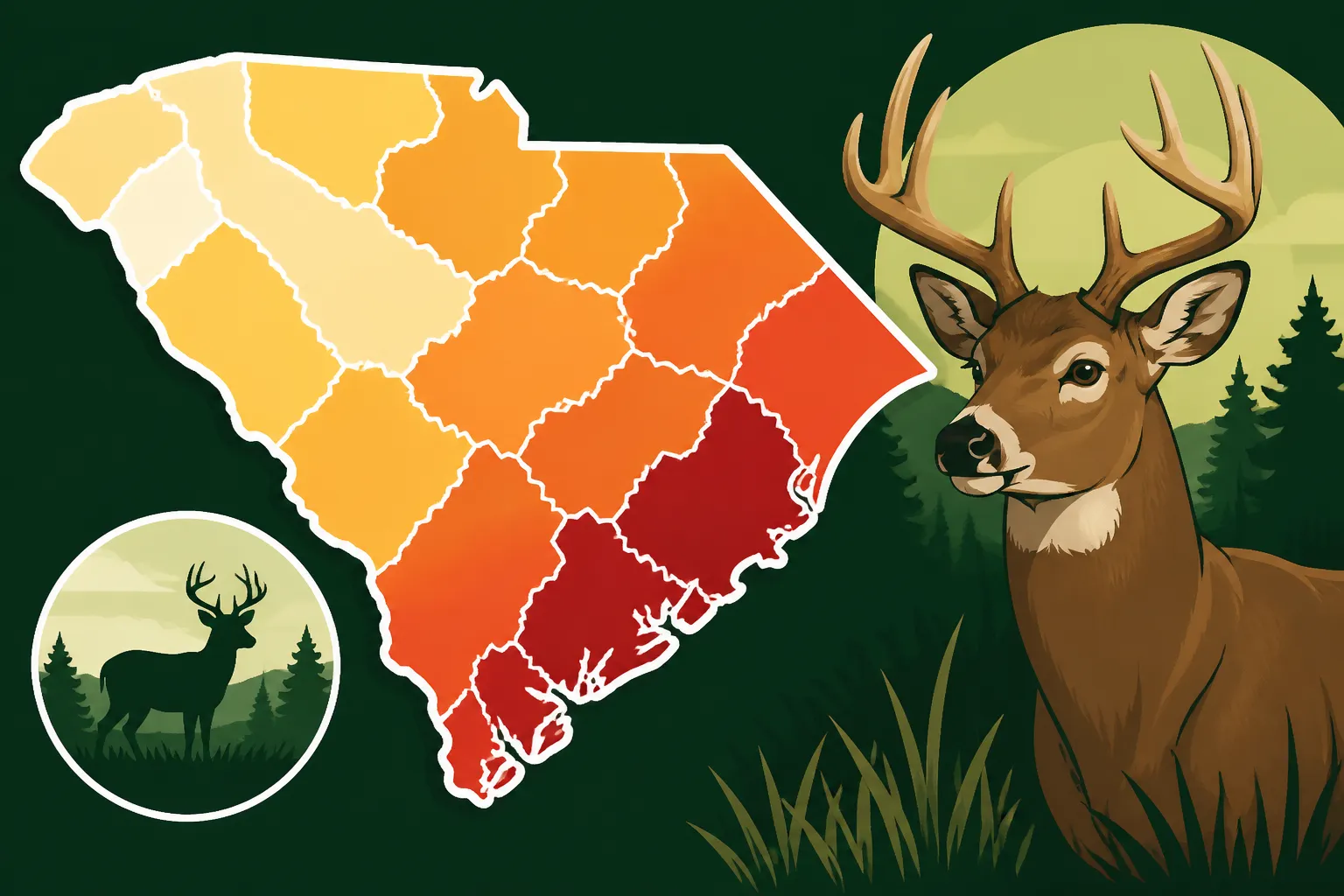
Deer Density by South Carolina Zone
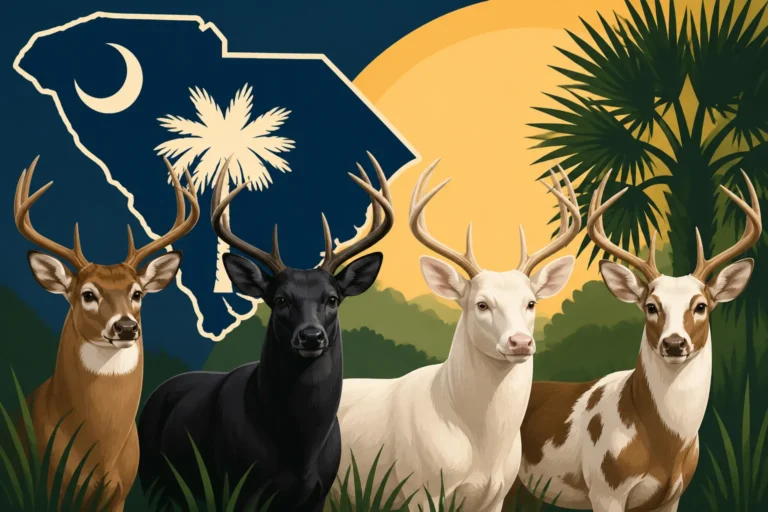
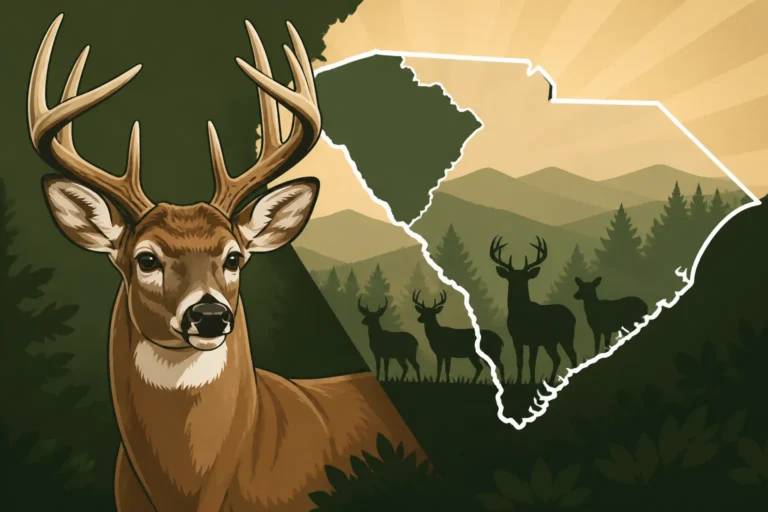
It can be incredibly frustrating to hit the woods season after season, only to feel like you're playing a game of hide-and-seek with ghosts while your buddies in another part of the state are practically tripping over deer. Understanding why deer populations vary so wildly across South Carolina isn't just academic; it's absolutely critical for anyone looking to consistently put venison in the freezer. This comprehensive guide will peel back the layers of South Carolina's unique geography, habitat, and management strategies to explain deer density by each of our four distinct game zones, helping you pinpoint where the deer are and why.
Unraveling South Carolina's Deer Zones and Their Impact
South Carolina isn't a monolithic hunting landscape. Far from it! Our state is broken down into four distinct game zones, and these aren't just arbitrary lines on a map. They're carefully considered divisions that reflect ecological differences, habitat types, and historical deer management practices, all of which directly influence when and where you can hunt, and perhaps most importantly, how many deer you'll encounter. For any serious hunter, grasping the nuances of these zones is the first step toward consistent success.
The Historical Foundation of Four Distinct Zones
The creation of South Carolina's four game zones wasn't an overnight decision. It evolved over decades, largely in response to the varying recovery rates of our deer herd after historic declines and the diverse environmental conditions found across the state. Think about it: the rolling Appalachian foothills in the Upstate are a world apart from the vast, cypress-filled swamps of the Lowcountry. These fundamental differences in terrain, soil, and vegetation naturally support different population densities and antler growth potential. Early wildlife biologists recognized this, and the zone system was designed to allow for tailored management strategies, including varying season lengths and bag limits, to best suit the local deer populations. This proactive approach helped rebuild and sustain a healthy deer herd statewide, although density levels still fluctuate significantly between these zones. When you look at the big picture, the zone system is a testament to adaptive wildlife management, acknowledging that a one-size-fits-all approach just doesn't work for South Carolina's diverse ecosystems.
How Zone Boundaries Shape Hunting Opportunities
The boundaries of these zones dictate everything from your season opener to your hunting methods. For instance, hunters in the Lowcountry's Zone 4 typically enjoy one of the earliest archery openers in the nation, often starting in mid-August. This early start reflects a management strategy for a high-density herd in a region with abundant food sources and a longer growing season. Conversely, if you're hunting in the mountainous Zone 1 Upstate, your season kicks off significantly later, often in October, aligning with a different rut timing and a less dense, more timber-centric deer population. These staggered seasons mean that a dedicated hunter might find themselves chasing deer for months on end by shifting between zones, provided they have access to land in each. Understanding these differences, which are well-documented in guides like our overview on South Carolina's Four Game Zones, is paramount. It informs not just when you hunt, but how you prepare. The early coastal opener, for example, demands specific warm-weather gear and meat-care strategies that wouldn't be as critical during a late-season hunt in the cooler Upstate.
The Complex Dance of Factors Influencing Deer Density
Deer density isn't a static number; it's a dynamic reflection of countless environmental and biological variables. Imagine trying to solve a puzzle where the pieces are constantly shifting. That's essentially what wildlife management faces when trying to maintain a healthy and sustainable deer population. For us hunters, understanding these underlying factors helps demystify why one area might be teeming with deer while another, just a few miles away, seems barren. It's a symphony of nature and human influence, all playing a part in the numbers we see (or don't see) in the field.
Habitat Quality and Food Source Diversity
At the heart of any robust deer population is quality habitat and a diverse, readily available food supply. Deer, especially whitetails, are browsers, meaning they thrive on a variety of leaves, twigs, forbs, and fruits. Areas with a mosaic of different habitat types—dense cover for bedding, open areas for foraging, and consistent water sources—will naturally support more deer. Think about a fertile river bottom offering lush browse, mast-producing hardwoods like oaks, and adjacent agricultural fields providing highly nutritious crops. This kind of varied landscape provides deer with everything they need to thrive and reproduce. Conversely, vast monoculture pine plantations, while offering some cover, often lack the dietary diversity to sustain high deer densities, especially if they are heavily managed with frequent burns that reduce understory growth. This is why regions with diverse ecosystems, such as parts of the Congaree National Park boundary adjacent to private hunting lands or the rich agricultural belts of the Midlands, consistently show higher deer numbers compared to extensive stretches of less diverse timberland. The more nutrient-rich and varied the menu, the healthier and more numerous the deer herd will be.
Predation, Disease, and Environmental Pressures
Beyond food and cover, deer populations are constantly shaped by external pressures. Predation, primarily from coyotes in South Carolina, can significantly impact fawn survival rates, especially in areas with high coyote densities. While coyotes rarely take down healthy adult deer, their impact on vulnerable fawns can put a serious dent in recruitment numbers. Disease is another silent killer that can quickly decimate local herds. Epizootic Hemorrhagic Disease (EHD) periodically sweeps through parts of the state, particularly during drought conditions, leading to localized die-offs. While the South Carolina deer herd has fortunately remained Why South Carolina Stays CWD-Free, other diseases can still take their toll. Environmental factors also play a massive role. Severe droughts can reduce forage and water availability, stressing deer and making them more susceptible to disease. Conversely, prolonged periods of excessive rain can lead to flooding in low-lying areas, displacing deer and impacting their access to food and shelter. These natural checks and balances are crucial to ecosystem health, but for hunters, they mean that deer density can fluctuate year-to-year, even in prime areas, making it important to stay informed about local conditions.
Human Influence: Hunting Pressure and Management Strategies
No discussion of deer density would be complete without acknowledging the significant role of human influence. Hunting itself is a primary management tool. Varying season lengths, bag limits, and antler restrictions (or the lack thereof, as is often the case in South Carolina) all shape the deer population. In zones with longer seasons and higher antlerless bag limits, hunters can help manage herd numbers closer to carrying capacity, reducing pressure on the habitat and potentially improving the health of the remaining deer. Public land hunting, particularly in popular areas within the Francis Marion National Forest or Sumter National Forest, often experiences higher hunting pressure, which can make deer more nocturnal and challenging to locate.
However, management goes beyond simply issuing tags. The South Carolina Department of Natural Resources (SCDNR) actively monitors deer health, habitat conditions, and harvest data to make informed decisions. Programs for collecting deer harvest data, often through online reporting like the Go Outdoors SC platform, are vital for tracking population trends. By submitting your harvest information promptly, you're directly contributing to the data that helps shape future seasons and ensures sustainable deer populations across all zones. This ongoing partnership between hunters and wildlife agencies is essential for the long-term health of our deer resource. If you're looking for detailed information on how these regulations are structured, our guide on South Carolina Deer Season Structure Explained offers an excellent overview.
Decoding Deer Density in Zone 1: The Upstate
Ah, the Upstate. When many people think of deer hunting in South Carolina, their minds often drift to the coastal plains or agricultural fields. But Zone 1, encompassing the Blue Ridge foothills and mountain ranges, offers a completely different, often more challenging, but incredibly rewarding experience. This region, while not typically boasting the sheer numbers of deer found elsewhere, is unique in its terrain and hunting culture.
Mountain Foothills and Forested Landscapes
Zone 1 is characterized by its dramatic elevation changes, mixed hardwood and pine forests, and a distinctly mountainous feel compared to the rest of the state. Think less swamp, more ridge lines and deep hollers. This landscape means that deer habitat often revolves around timber-driven food sources like acorns and forest browse. You'll find a significant portion of public land here, particularly within the Sumter National Forest, which provides ample room to roam but also requires a different hunting approach. The dense canopy and rugged terrain can make spotting deer challenging, and tracking a deer through South Carolina pine straw can be a real workout! This environment naturally leads to different deer behaviors; bucks might have larger home ranges, and deer often follow specific elevation contours or creek bottoms when moving. The key here is understanding topography and how deer use it to their advantage, particularly in relation to bedding and feeding areas. Our guide on Reading a Ridge for Upstate Deer delves into this tactical aspect.
Understanding Deer Numbers in the Upstate
Deer density in Zone 1 is generally lower than in the coastal and central regions of South Carolina. This isn't necessarily a bad thing; it just means it's a different kind of hunt. The fragmented agricultural land, combined with extensive national forest tracts that aren't as nutrient-rich as river bottoms or cultivated fields, results in a more spread-out deer population. You won't often see large herds of deer moving through the timber. Instead, you'll be focusing on smaller family groups or solitary bucks. However, lower density doesn't equate to lower quality. The challenging terrain and reduced pressure in some remote public land areas can allow bucks to mature, potentially growing impressive antlers. While the sheer volume of deer may be less, the reward of harvesting a mature Upstate buck that has navigated these rugged landscapes is a trophy in itself. Hunters in this zone often rely on extensive scouting and a deep understanding of deer movement patterns within the timber to find success.
Strategic Hunting for Success in Zone 1
Hunting the Upstate requires a more patient, strategic, and often more physically demanding approach. Still-hunting along ridgelines, identifying saddles and funnels, and understanding wind and thermals on an Upstate ridge are crucial tactics. Stand placement needs to consider the undulating terrain and how deer use elevation to travel. Because of the lower deer density, covering ground and meticulously scouting for fresh sign like rubs, scrapes, and tracks becomes even more critical. You might spend more time hiking and less time sitting, embracing a more active hunting style. The season here is tailored to allow deer to reach maturity, with a later opening date that often aligns with cooler weather and the peak of the rut in the Upstate. For those who enjoy a more solitary, wilderness-like experience, and the challenge of outsmarting a timber deer, Zone 1 offers a truly unique slice of South Carolina hunting.
Exploring Deer Abundance in Zone 2: The Midlands
The Midlands of South Carolina, stretching across the central part of the state, often acts as a transition zone between the mountains and the coast. It's a fascinating area for deer hunters because it combines elements of both, creating a diverse landscape that can, in many places, hold impressive deer densities and the potential for truly exceptional bucks. If you're looking for that sweet spot of good numbers and quality animals, the Midlands should definitely be on your radar.
Agricultural Heartlands and Mixed Forests
Zone 2 is a tapestry of agricultural fields, ranging from corn and soybeans to cotton, interspersed with significant tracts of mixed pine and hardwood forests, and bottomland swamps along major river systems like the Congaree and Wateree. This mix is a deer hunter's dream. The fertile soils support lush crops that provide abundant, high-energy food sources for deer, leading to better body condition and antler growth. These agricultural pockets create ideal edge habitat where deer can feed in fields at night and retreat to dense cover during the day. Beyond the farms, the river bottoms provide dense cover and diverse natural forage, acting as vital travel corridors and bedding areas. It's this perfect storm of nutrition and sanctuary that makes the Midlands so productive. Hunters often focus on entry routes through standing soybeans or hunting a standing cornfield in farm country when targeting deer in this zone.
Why the Midlands Often Holds Robust Deer Numbers
The combination of abundant food from agriculture and diverse natural cover in the woodlands and river systems means that Zone 2 often supports some of the highest deer densities in the state, rivaling or even exceeding parts of the coastal plain for sheer numbers. Deer here tend to have smaller home ranges due to the readily available resources, making them potentially easier to pattern once you locate them. This region is also frequently cited as being among the Best South Carolina Counties for Big Bucks, largely due to the excellent nutrition that allows bucks to express their full antler potential. The sustained food sources mean deer can maintain good health through the winter, leading to strong fawn recruitment in the spring. This robust population is a testament to the synergistic relationship between managed agriculture and well-maintained natural habitats, creating an environment where deer truly thrive.
Navigating Hunting Pressure in Prime Midlands Areas
With high deer densities and the potential for big bucks comes increased hunting pressure, particularly on private land that’s leased or owned by clubs. Securing hunting access in the prime agricultural areas of the Midlands can be competitive and costly. However, there are still opportunities on smaller woodlots near suburban Columbia or through diligent efforts in Knocking on Doors in Lowcountry Farm Country (a strategy that applies well here too). Public land options, such as portions of the Manchester State Forest or some WMAs, exist, but they often require more effort to scout and navigate the competition. Hunters in the Midlands learn to adapt, often utilizing ground blinds on South Carolina field edges or tree stands overlooking bottlenecks between cover and food sources. Effective scouting, sometimes aided by tools like the GoHunt app to identify property lines and potential access points, becomes even more important to find those overlooked pockets where deer feel secure. Despite the pressure, the reward of hunting in such a deer-rich environment makes the effort well worth it for many.
Gauging Deer Density in Zone 3: The Pee Dee Region
Tucked away in the northeastern corner of South Carolina, Zone 3, commonly known as the Pee Dee region, presents another unique hunting landscape. Defined by its namesake river and extensive timberlands, it offers a different set of challenges and opportunities for deer hunters. It might not get as much attention as the Lowcountry or the Upstate, but make no mistake, the Pee Dee holds its own when it comes to deer.
River Systems, Swamps, and Timber Plantations
The Pee Dee region is largely shaped by the winding paths of the Great Pee Dee and Little Pee Dee Rivers, which carve out extensive bottomland swamps, cypress-tupelo sloughs, and fertile river bottoms. These river systems are the lifeblood of the deer habitat here, providing dense cover, consistent water, and a rich variety of natural forage. Beyond the river corridors, the landscape transitions into vast timber plantations, often dominated by pines, interspersed with agricultural fields. This mosaic creates excellent transitional zones where deer can browse in the timber, bed in the dense river swamps, and forage in nearby fields. Much like the Midlands, this combination is favorable for deer, but the prevalence of thick swamps adds a layer of complexity to hunting and deer recovery. Getting a deer out of a lowcountry swamp is a challenge you learn to prepare for!
Deer Populations Along the Pee Dee River Basins
Deer density in Zone 3 can be quite variable, but typically ranges from moderate to high, especially along the fertile river bottoms and areas adjacent to agricultural lands. The constant availability of water and the dense cover in the swamps provide excellent refuge, allowing deer to thrive. While perhaps not reaching the peak densities of some Lowcountry areas, the Pee Dee consistently produces a healthy deer population. The timberland, while not as diverse in food sources as agricultural areas, still provides necessary cover and browse, particularly during mast years when acorns drop. Hunters who learn to read the river systems and understand how deer navigate these watery landscapes will find success. The deer here are often accustomed to thick cover and can be masters of evasion, making them a worthy adversary.
Effective Tactics for Pee Dee Deer Hunters
Hunting in the Pee Dee often means adapting to the wet, swampy conditions and extensive timber. Setting up in funnels between two swamps or along scrape lines along a logging road can be highly effective. Still-hunting the edges of swamps or slowly working through timber stands where visibility is limited requires patience and keen observation. Many hunters utilize climbing stands or hang-on stands to gain elevation above the dense undergrowth, but ground blinds can also be effective when brushed in properly on a field edge. Due to the thicker cover, rattling volume in thick pine cover might need to be adjusted, and grunt calls in mature South Carolina timber can be very effective in drawing in curious bucks. Because of the blend of agriculture and dense natural cover, deer here often behave somewhat like those in the Midlands, but with an added emphasis on utilizing the swampy terrain for security. Knowing how to efficiently field dress a deer in warm weather is crucial here, given the often mild temperatures during the early season.
High Density Dynamics of Zone 4: The Coastal Plain
If there’s one region in South Carolina renowned for its deer, it’s Zone 4, the sprawling Coastal Plain. This zone, often referred to as the Lowcountry, is a deer hunter's paradise, famous for its incredibly long seasons, abundant deer, and unique hunting traditions. But what exactly makes this area such a hotspot for whitetails? It’s a combination of geology, climate, and strategic management that creates a truly exceptional deer hunting experience.
Lowcountry Swamps, Agricultural Fields, and Long Seasons
Zone 4 is characterized by its relatively flat topography, extensive bottomland hardwood swamps, tidal marshes, vast agricultural operations, and maritime forests closer to the coast. This diverse mix creates an almost perfect storm for deer habitat. The fertile soils support lush natural vegetation and highly productive agricultural fields, providing a year-round buffet for deer. Crops like soybeans, corn, and peanuts offer high-protein food sources, while the swamps and dense maritime forests provide ample cover and sanctuary. This abundance of resources allows for a truly unique season structure, including Hunting the Earliest Coastal Zone Opener in mid-August. This early start, combined with one of the longest seasons in the nation (extending well into January), is a direct reflection of the robust deer population and the management goal of allowing hunters ample opportunity to manage herd numbers.
The Factors Behind Zone 4's Prolific Deer Herd
The high deer density in Zone 4 is no accident; it’s the result of several interconnected factors. First, the climate allows for an extended growing season, meaning deer have access to fresh forage for more months out of the year compared to other zones. This consistent nutrition leads to healthier deer, higher reproductive rates, and stronger fawn survival. Second, the vast tracts of private land, often managed for timber and agriculture, provide ideal conditions. Landowners frequently implement habitat improvements and food plots, further enhancing the carrying capacity. Third, the sheer variety of habitat types – from the edges of coastal rice fields to dense coastal maritime forest edges – offers an incredible array of food and cover. This varied landscape allows deer to spread out but also concentrates them in specific areas, creating exciting hunting opportunities. Even with liberal bag limits for both antlered and antlerless deer, the population remains strong, a testament to the excellent habitat.
Adapting Your Approach to Coastal Hunting Conditions
Hunting in Zone 4 demands specific strategies, especially during the warm, humid early season. Early archery hunts require diligent attention to scent control gear for South Carolina humidity and advanced bug protection for early archery season. Tree stand setups in Francis Marion National Forest or other lowcountry public lands might mean choosing spots that get a good breeze or are positioned near water sources where deer might frequent. Due to the high density, hunters often have success with a variety of methods, from still-hunting to setting up on traditional field edges or along major travel corridors leading into swamps. The liberal antlerless limits mean that filling two antlerless tags in a day is quite common, contributing to herd management. For serious hunters, monitoring local conditions and deer patterns is crucial, and utilizing resources like the GoHunt app to check weather patterns, wind direction, and property boundaries can give you a significant edge in these target-rich environments. The sheer volume of deer can make for incredibly exciting and action-packed hunts, truly embodying the spirit of South Carolina hunting.
South Carolina Deer Zones Overview
To give you a quick comparative glance at the unique characteristics of each South Carolina Game Zone regarding deer density, season length, and typical habitat, here's a helpful table. Remember, these are general observations, and local conditions can always vary.
| Feature | Zone 1 (Upstate) | Zone 2 (Midlands) | Zone 3 (Pee Dee) | Zone 4 (Coastal Plain) |
|---|---|---|---|---|
| Typical Habitat | Mountainous, forested, mixed hardwoods/pine | Agricultural fields, mixed forests, river bottoms | River bottoms, swamps, pine plantations, agriculture | Lowcountry swamps, agriculture, maritime forests |
| Deer Density | Moderate to lower | Moderate to High, good quality bucks | Moderate to High | High, often highest in the state |
| Season Length | Shorter, later opener (October) | Medium, earlier opener (September) | Medium, earlier opener (September) | Longest, earliest opener (August) |
| Primary Challenge | Rugged terrain, lower density, mature timber | Hunting pressure, securing private land access | Thick swamps, river access, dense cover | Warm weather, insects, dense cover, early rut |
| Hunting Style | Still-hunting, aggressive scouting, topography focus | Field edge stands, food plot focus, patterning deer | Swamp edges, river corridors, timber still-hunting | Stand hunting, early season archery, high volume |
Disclaimer
Always consult the latest South Carolina Department of Natural Resources (SCDNR) regulations before planning any hunt, as rules and season dates can change annually. This guide is for informational purposes only and does not supersede official state regulations.