White-Tailed Deer Across South Carolina
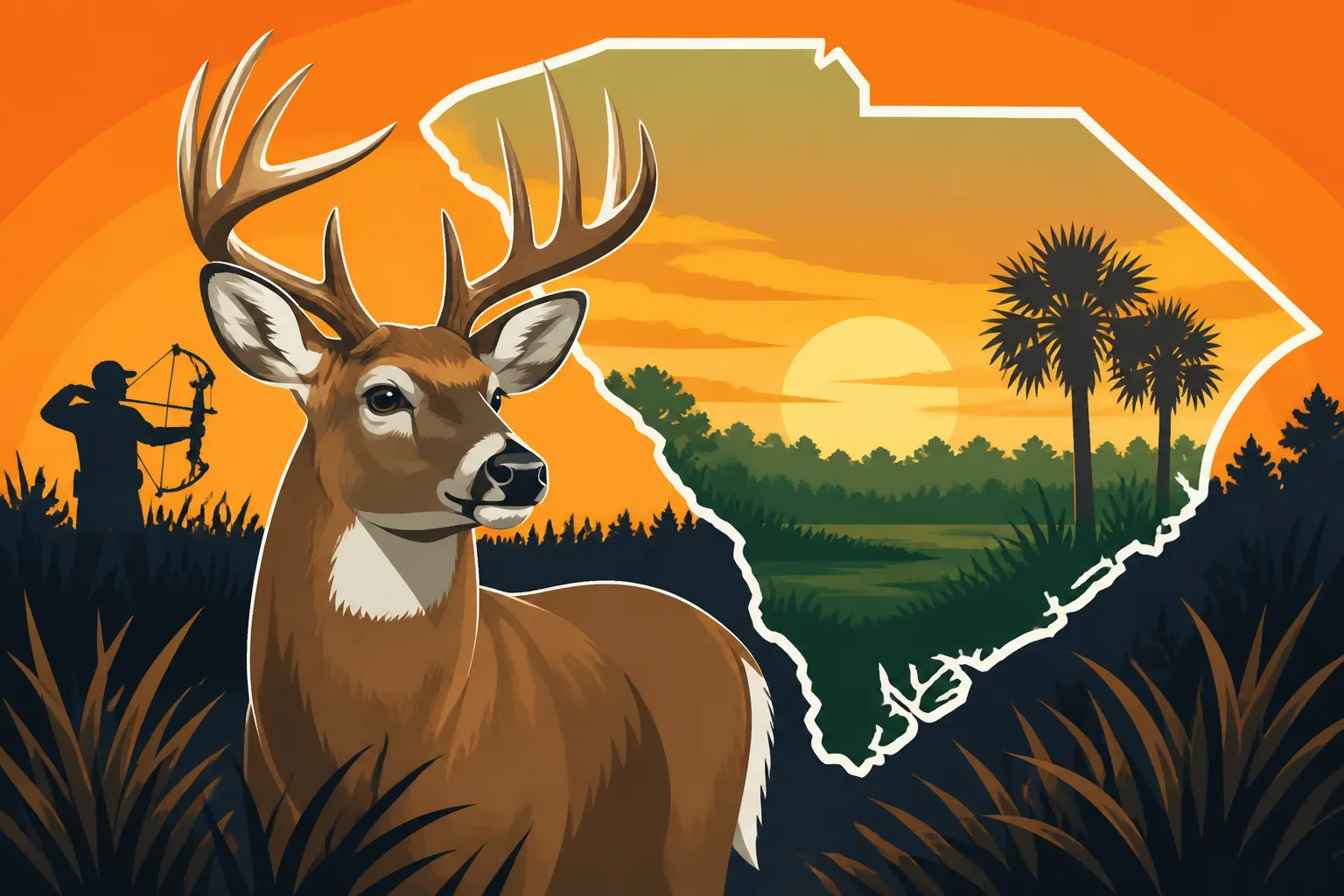
For many of us who live and breathe hunting in the Palmetto State, the white-tailed deer is more than just game; it's a way of life, a constant challenge, and a source of endless fascination. But let's be real, understanding the complexities of our deer herd, from the vast coastal plain to the rugged Upstate mountains, can feel like trying to solve a Rubik's Cube blindfolded. This guide is here to untangle those complexities, offering a deep dive into South Carolina's white-tailed deer, helping you connect with the land and the animals we pursue on a more profound level.
Understanding South Carolina's White-Tailed Deer Population
The story of white-tailed deer in South Carolina is one of remarkable recovery and adaptation. From near extirpation in the early 20th century to a thriving population today, it's a testament to dedicated conservation efforts and the deer's inherent resilience. But this success story isn't uniform; different regions of our state present unique challenges and opportunities for these incredible animals.
Historical Overview and Restoration Efforts
Back in the day, if you wanted to hunt deer in South Carolina, you were probably looking at very few options, mostly in isolated pockets of the Lowcountry. Unregulated hunting, coupled with widespread habitat destruction from logging and agricultural expansion, decimated deer numbers across the state. It's hard to imagine now, but the vast, thriving herds we see today were once just a dream.
The turnaround began in the mid-20th century with significant restoration efforts spearheaded by the South Carolina Department of Natural Resources (SCDNR). This involved trapping deer from areas with healthy populations, primarily the ACE Basin and coastal islands, and relocating them to suitable habitats across the state. Imagine the logistics of catching wild deer and transporting them to new territories – it was a monumental task! These efforts, combined with strict hunting regulations and habitat improvements, slowly but surely brought our deer back from the brink. It’s a powerful reminder of how conservation can genuinely make a difference.
Current Population Estimates and Trends
Today, South Carolina boasts a robust and healthy deer population, estimated to be somewhere in the ballpark of 700,000 to 750,000 animals. That's a lot of deer, and it’s a far cry from the mere thousands that roamed the state a century ago. However, these numbers aren't static. We've seen some fluctuations in recent years, with a general trend of stabilization or slight decrease in certain areas after decades of rapid growth. This isn't necessarily a bad thing; it often indicates that populations are reaching carrying capacity in some areas, or that other factors, like increased predation or habitat changes, are at play.
Monitoring these trends is crucial for wildlife managers. SCDNR uses various methods, including harvest data, spotlight surveys, and fawn recruitment studies, to keep a finger on the pulse of the herd. Understanding these numbers helps them adjust seasons and bag limits to ensure the long-term health and sustainability of our deer. As hunters, being aware of these trends in your local area can also help you adjust your expectations and strategies for the season.
Deer Density Across the Game Zones
One of the most significant factors influencing your hunting experience in South Carolina is the variation in deer density across our four distinct game zones. If you've hunted both the Lowcountry and the Upstate, you know exactly what I'm talking about – it’s like hunting two different species in two different states. To truly understand the differences, it helps to know How South Carolina's Four Zones Split the Calendar.
- Zone 4 (Coastal Plain/Lowcountry): This zone, encompassing much of the southeastern part of the state, typically boasts the highest deer densities. Think about it: abundant food sources, lush habitat, and a long growing season contribute to thriving populations. While you might see more deer here, they often live in dense cover like swamps and thick woods, making them challenging to hunt. This is where you might find yourself Hunting Lowcountry Swamp Deer more often than not.
- Zones 2 & 3 (Piedmont/Midlands): As you move inland, deer densities often remain high, especially in agricultural areas and mixed pine-hardwood forests. The Midlands, in particular, has a reputation for producing good numbers of deer, and sometimes some truly impressive bucks due to better nutrition and slightly less hunting pressure than some coastal areas.
- Zone 1 (Upstate): The mountainous and hilly terrain of the Upstate generally has the lowest deer densities. The habitat can be less productive, with larger tracts of unbroken timber and fewer agricultural fields. Don't get me wrong, there are still plenty of deer, but you might have to work a little harder to find them. When you're Reading a Ridge for Upstate Deer here, every sign of a whitetail feels like a major victory.
This variation means that your approach, from scouting to stand placement, needs to be tailored to the specific zone you're hunting. What works in a coastal swamp probably won't be effective on an Upstate ridge.
Regional Differences in South Carolina Deer
It's not just the number of deer that changes across South Carolina; it's also their size, their habits, and even the pressures they face. From the thick, marshy grounds of the coast to the steep inclines of the Upstate, South Carolina's diverse geography has sculpted distinct deer populations.
Coastal Plain Deer: Swamp Ghosts and Farm Country Browsers
The Lowcountry, particularly Zone 4, is often considered the deer hunting capital of South Carolina. Here, deer densities are incredibly high, and the seasons open earlier than anywhere else in the state. If you’re a bowhunter, you’re often dealing with heat and humidity that would make a sauna jealous, but the opportunities are plentiful. These deer are generally smaller-bodied than their Northern counterparts, a result of the region's climate and nutrition profile. They mature quickly due to the long growing season and abundant forage, but often don't reach the large body sizes or massive antler growth seen in other states.
However, don't mistake smaller body size for an easy hunt. Coastal plain deer are masters of evasion. They live in incredibly thick cover – think impenetrable pocosins, vast river swamps, and dense pine plantations. These "swamp ghosts" can seemingly disappear into thin air. In agricultural areas, you'll find them hitting soybean fields and corn stubble hard, but they're quick to retreat to the nearest thicket at the slightest hint of pressure. Their patterns often revolve around these dense sanctuaries and the food sources surrounding them. Hunting these deer requires patience, stealth, and often a willingness to get a little (or a lot) wet and muddy.
Midlands Bucks: The Land of Opportunity
Moving into the Midlands (Zones 2 and 3), you'll encounter a different caliber of deer, quite literally. This region, characterized by a mix of agriculture, timberland, and suburban sprawl, offers a fantastic blend of high deer density and better nutrition. The soil quality tends to improve here, leading to more nutrient-rich forage like acorns and agricultural crops. This better diet often translates to larger-bodied deer and, crucially, bucks with the potential for more impressive antler growth.
The Midlands offers diverse hunting environments, from vast managed timber tracts to smaller woodlots tucked between farms. You might find yourself setting up on a field edge watching for a buck emerging from a hardwood bottom, or still-hunting through a pine plantation. Hunting pressure can vary widely, from intense on some public lands and smaller private leases to relatively light on well-managed larger tracts. The challenge here is often finding the perfect balance between food, cover, and water, and understanding how bucks utilize these resources in a more fragmented landscape. Many hunters agree that this region holds some of the Best South Carolina Counties for Big Bucks.
Upstate Whitetails: Mountain Acorns and Big Timber
When you head to the mountainous and hilly regions of the Upstate (Zone 1), the deer hunting landscape changes dramatically. Here, deer densities are typically lower than in the rest of the state, and the season opens considerably later. The deer themselves tend to be larger-bodied, more akin to northern whitetails, but their antler growth can be variable, largely dependent on the mast crop of any given year.
The Upstate is characterized by vast tracts of national forest land, such as the Sumter National Forest, providing immense public hunting opportunities. The terrain is rugged, with steep ridges, deep hollows, and dense hardwood forests dominated by oaks, hickories, and pines. Acorns are a primary food source here, and a good mast crop can mean a healthy deer herd, while a poor one can make hunting extremely tough. Deer in the Upstate often have much larger home ranges due to the lower food density and expansive habitat. Hunters here must be prepared to cover a lot of ground, often hiking significant distances away from roads. Understanding wind and thermals in this hilly terrain is paramount, as deer frequently bed on leeward slopes and travel along ridge lines. It’s a different kind of hunting, requiring a different kind of effort, but the rewards of a hard-earned Upstate buck are unparalleled.
Deer Behavior and Biology Unique to South Carolina
Understanding how deer behave throughout the year, especially during the breeding season, is critical for any successful hunt. South Carolina’s unique climate and diverse habitats create some interesting quirks in whitetail biology and behavior that are worth exploring.
The South Carolina Rut: A Long and Varied Affair
One of the most talked-about, and sometimes frustrating, aspects of South Carolina deer hunting is our extended and often "scattered" rut. Unlike the sharp, intense rut periods seen in many northern states, South Carolina's breeding season can stretch for months, from late August all the way into November, and even December in some coastal areas. This drawn-out period is primarily attributed to our long growing season and historical reintroduction efforts using deer from various genetic backgrounds.
This means that instead of one distinct peak of breeding activity, you might encounter does coming into estrus over a broader window, leading to multiple "mini-ruts" throughout the fall. While this offers more opportunities to catch bucks on the move, it also means there are fewer days of truly intense, all-day buck activity that hunters dream about. Understanding when the rut peaks in your specific area is key. For example, Hunting the Rut in the Coastal Zones often means dealing with very early activity, sometimes even before cooler weather sets in, while Hunting the Rut in the Upstate Zone can push much later into the fall, sometimes coinciding with colder temperatures and dropping leaves. Knowing these local variations can help you time your hunts for maximum effectiveness.
Feeding Habits and Habitat Preferences by Region
Deer are creatures of habit, and those habits are largely dictated by their environment and available food sources. In South Carolina, these preferences shift dramatically from one region to another.
- Coastal Plain: In the Lowcountry, deer thrive on a diverse diet of woody browse, forbs, and agricultural crops. They’ll hit soybean fields, peanut patches, and cutovers hard, but they also rely heavily on the natural vegetation within the swamps and thickets, like muscadine vines, greenbrier, and various aquatic plants. Their preferred habitats are often the dense edges where different cover types meet – a swamp edge bordering a field, or a clear-cut next to mature timber.
- Midlands: The Midlands offers a richer buffet. Acorns from various oak species (red oaks, white oaks) are a massive draw, especially in the fall. Agricultural fields, from corn to winter wheat, provide essential carbohydrates and protein. Deer here will often gravitate towards creek bottoms and drainages that offer both cover and a consistent food supply. Managed pine plantations with good understory growth also provide excellent bedding and browse.
- Upstate: In the mountains, acorns become even more critical, sometimes dictating deer movement for miles. When the mast crop is good, deer will key in on specific oak ridges. When it's poor, they might travel extensively to find alternative food sources like greenbrier, honeysuckle, or even browse on pine seedlings in clear-cuts. Water sources are usually plentiful in the Upstate's numerous creeks and springs, so food and security cover are typically the main drivers of movement.
Understanding these localized feeding habits and habitat preferences is paramount for successful scouting and stand placement. Tools like GoHunt can be invaluable here, allowing you to use satellite imagery and property boundaries to identify potential food sources, bedding areas, and travel corridors, even when you're not physically in the woods.
Antler Growth and Age Structure Considerations
Antler growth in South Carolina whitetails is a complex interplay of genetics, nutrition, and age. While genetics provide the potential, it's the combination of good nutrition and, most importantly, age that allows bucks to express their full antler potential.
In South Carolina, our long seasons and historically liberal bag limits have, in some areas, led to a relatively young buck age structure. This means many bucks are harvested before they reach their prime antler-growing years (typically 3.5 to 5.5 years old). While there are exceptions, particularly in well-managed private lands, seeing truly mature, large-racked bucks can be challenging on many public lands.
SCDNR encourages hunters to consider passing on younger bucks, especially those 1.5 years old, to allow them to mature. This kind of voluntary restraint, combined with selective harvesting of does to balance the herd, can lead to a healthier age structure and more impressive antlers across the landscape. The statewide antlered deer limit in South Carolina is set to encourage this, but ultimately, it's up to each hunter to make responsible decisions in the field. Knowing How Many Antlered Deer Residents Can Take and adhering to the guidelines is a good starting point for herd management.
| South Carolina Deer Characteristics by Zone | Coastal Plain (Zone 4) | Midlands (Zones 2 & 3) | Upstate (Zone 1) |
|---|---|---|---|
| Deer Density | Very High | High to Moderate | Moderate to Low |
| Body Size | Smaller | Medium to Large | Larger |
| Antler Potential | Moderate | High | Variable |
| Rut Timing (Peak) | Sept – Nov (Early Peak) | Oct – Early Dec | Late Oct – Nov |
| Primary Habitat | Swamps, River Bottoms, Agriculture | Mixed Forests, Agriculture, Pine Plantations | Hardwood Forests, Mountains |
| Common Food Sources | Browse, Acorns, Soybeans, Peanuts | Acorns, Corn, Wheat, Browse | Acorns, Browse, Forbs |
| Hunting Pressure | High (Early Season) | Moderate to High | Moderate |
Factors Influencing Deer Health and Management
Maintaining a healthy deer herd isn't just about managing harvest; it's also about understanding the threats and challenges deer face in their environment. From disease to predation, these factors play a crucial role in population dynamics and overall herd well-being.
Chronic Wasting Disease CWD Surveillance and Prevention
Chronic Wasting Disease (CWD) is a devastating neurological disease that affects deer, elk, and moose. It's always fatal and, unfortunately, there is no vaccine or cure. The good news is that South Carolina remains CWD-free, a status that SCDNR and hunters alike work diligently to maintain. We all know how concerning CWD is, and the thought of it reaching our state is something no hunter wants to imagine.
SCDNR has a robust surveillance program in place, actively testing hundreds of deer annually for CWD. This involves collecting samples from harvested deer, particularly during the early archery season and opening weekend, from specific target areas. It’s important to understand How South Carolina Monitors for CWD Every Year and why it's so critical. A key part of prevention involves strict regulations on importing deer carcasses or certain parts from states where CWD has been detected. This is why you cannot bring a whole deer carcass into South Carolina from out of state; only deboned meat, clean skulls, and antlers are typically allowed. These rules are a small inconvenience for a massive preventative measure, helping to safeguard our state's deer herd from this terrible disease.
Predation and Its Impact on Fawn Recruitment
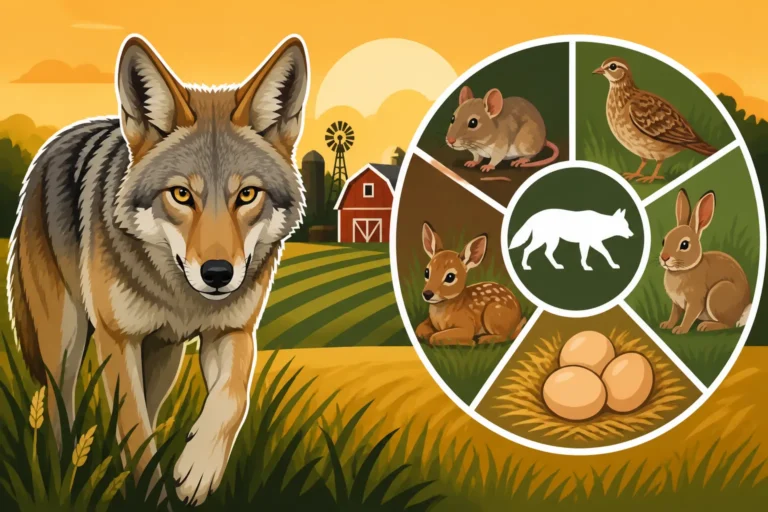
While CWD is a serious concern, more immediate and constant pressure on our deer populations comes from predation, particularly on fawns. Coyotes, which have rapidly expanded their range into South Carolina over the past few decades, are now the primary predator of fawns. Studies have shown that coyote predation can significantly impact fawn survival rates, especially in areas with high coyote densities. This means fewer fawns make it to adulthood, which can slowly lead to a decrease in the overall deer population over time.
It's a frustrating reality for hunters and wildlife managers alike. We see fewer young deer on our properties, and it's often attributed directly to the increased coyote presence. Other predators like bobcats and black bears also take fawns, but coyotes are the most widespread and impactful. Management strategies often include encouraging coyote harvest, both by hunters and trappers, though completely eliminating their impact is likely impossible given their adaptability and prolific breeding. Understanding this dynamic helps explain some of the population fluctuations we observe year to year.
EHD and Other Environmental Challenges
Deer also face environmental challenges, with Epizootic Hemorrhagic Disease (EHD) being one of the most significant. EHD is a viral disease transmitted by biting midges, often called "no-see-ums." It typically flares up in late summer and early fall, especially during drought conditions followed by heavy rains, which create ideal breeding grounds for the midges. EHD can cause widespread localized die-offs, and it's always heartbreaking to find dead deer, particularly mature bucks, succumb to it.
The good news is that EHD doesn't always have the same impact statewide; some areas might be hit hard one year while others are spared. Deer can also develop immunity, meaning older deer often survive subsequent exposures. While EHD outbreaks are natural and usually short-lived, they can temporarily reduce deer numbers in affected areas. Other environmental factors, such as severe weather events (hurricanes, ice storms) or habitat loss due to development, also play a role in the long-term health and distribution of South Carolina's white-tailed deer. Recognizing these challenges helps us appreciate the resilience of the deer and the importance of habitat conservation.
Effective Scouting and Hunting Strategies for South Carolina Whitetails
Hunting South Carolina deer effectively means being a perpetual student of the woods. Our diverse landscapes demand adaptable strategies, constant scouting, and a willingness to adjust your approach based on what the deer are telling you. It's rarely a one-size-fits-all scenario, and that's part of the fun – and frustration!
Pre-Season Scouting: Reading the Landscape
Pre-season scouting is absolutely non-negotiable for consistent success, especially if you're hunting public land or new ground. Don't wait until opening day to hit the woods. Get out there well before the season starts, preferably in late summer or early fall when the leaves are still mostly on the trees but cooler weather might provide some relief. This is your chance to really "read" the landscape.
Look for historical sign: old scrapes, rubs from last year, and established trails. These often indicate consistent travel corridors. Pay close attention to current food sources – what acorns are dropping? Are there any soft mast crops like persimmons or muscadines? Where are the fresh tracks, droppings, and active rubs? This is where a good mapping app, like those offered by GoHunt, truly shines. You can mark potential bedding areas, food sources, and pinch points from your couch, then confirm them on the ground. When it comes to public lands, understanding the lay of the land will pay dividends. Often, finding ground that others walk past involves going a little farther or looking at areas that don’t immediately jump out at you on a map. Remember, your goal is to find where deer want to be and how they get there, before any hunting pressure changes their patterns.
Adapting Tactics to Seasonal Food Sources
Deer are highly driven by their stomachs, so understanding and adapting to seasonal food sources is paramount. This is especially true in a state like South Carolina with its long growing season and varied agricultural landscape.
- Early Archery Season (August/September): This is often warm-weather hunting. Deer are hitting lush green browse, early dropping acorns, and agricultural crops like soybeans and peanuts. Focus your efforts on these prime food sources, especially in the cooler hours of morning and evening. You'll need a good Warm-Weather Sitting Strategy in South Carolina for this time of year.
- Mid-Season (October/November): The acorn crop is in full swing by now, often becoming the deer’s preferred food source. Identify active oak trees, especially white oaks first, then red oaks. If there's a poor acorn year, deer will shift back to browse and persistent agricultural crops like standing corn or winter wheat. Creek bottoms and swamp edges often hold deer as they transition between bedding and feeding.
- Late Season (December/January): By now, most natural food sources are depleted. Deer will be focused on whatever is left, which often means agricultural fields with residual crops, winter food plots (if on private land), and persistent browse like honeysuckle or privet. Hardwood bottoms and thick cover become crucial for both food and thermal protection as temperatures drop.
Being able to scout actively throughout the season, even if it's just checking specific spots or observing from a distance, will help you stay on top of these food shifts and keep your stands in the right locations.
Understanding Hunting Pressure and Finding Secluded Spots
South Carolina's long deer seasons mean that deer are subjected to hunting pressure for many months, especially on public lands. This pressure makes deer incredibly wary and nocturnal, quickly altering their patterns and pushing them into the thickest, most secluded cover. If you plan to be Hunting South Carolina Public Land Before Season, know that those opening weekend crowds are going to impact deer movement.
The key to success, particularly on public ground, is to find those "sanctuary" areas that other hunters overlook or are unwilling to access. This might mean hiking an extra mile or two into a remote block of national forest, or finding a small, overlooked parcel of WMA land surrounded by private property. Look for natural barriers like deep creeks, dense swamps, or steep ravines that deter casual hunters. These areas often hold older, wiser bucks that have learned to avoid human contact.
Using a mapping tool to identify these hard-to-reach pockets, and then committing to the effort it takes to get there, can dramatically increase your odds. Sometimes it's about finding a small bench on a ridge that no one else sees, or a secluded island in a vast swamp. Deer, especially mature bucks, will always gravitate towards the path of least resistance from human interference.
Harvesting and Post-Harvest Practices
Bringing down a deer is just one part of the hunting journey. What happens next is equally, if not more, important. From adhering to reporting requirements to properly caring for the meat, responsible post-harvest practices ensure that your efforts are respected and that the resource is managed ethically.
South Carolina's Deer Bag Limits and Reporting Requirements
Before you even step into the woods, it's crucial to understand South Carolina's deer bag limits and mandatory reporting requirements. These rules are in place to help manage our deer herd and ensure its long-term health. The statewide bag limit allows residents to harvest a certain number of antlered bucks and unlimited antlerless deer (subject to daily limits per zone and season types). Non-residents have different antlered limits. Always check the current SCDNR regulations, as they can change annually.
Once you harvest a deer, South Carolina law requires you to tag it immediately with a valid deer tag. You then have a very specific timeframe to report your harvest through the SCDNR's online Game Check system or the Go Outdoors SC app. It’s imperative to follow these steps correctly. Forgetting to tag or report your deer can lead to penalties. This system allows SCDNR to collect vital data on harvest rates, buck-to-doe ratios, and overall population health, all of which inform future management decisions. Understanding and complying with South Carolina Deer Reporting Requirements is a fundamental responsibility of every hunter.
Field Dressing and Meat Care in Warm Climates
Hunting in South Carolina often means dealing with warm temperatures, especially during the early archery season. Proper field dressing and meat care become absolutely critical to prevent spoilage and ensure you get the best possible venison. There's nothing more disheartening than having to discard meat because it wasn't handled correctly.
As soon as your deer is down, the priority is to get it field dressed. Remove the guts promptly to allow the carcass to cool internally. If you're deep in the woods, consider quartering the animal and putting the meat into game bags to allow air circulation. A sturdy set of game bags is worth its weight in gold. Even if the temperature is in the 70s or 80s, you need to cool that meat down quickly. Get it on ice as soon as possible, either by placing bags of ice inside the chest cavity or by filling large coolers with ice and submerging the quartered meat. If you're using coolers, make sure to drain the water regularly and replenish the ice. This immediate cooling process is the single most important step in preserving your venison in warm South Carolina weather.
Deer Management: Contributing to a Healthy Herd
Every time we pull the trigger or release an arrow, we're not just harvesting an animal; we're participating in wildlife management. Our individual decisions collectively impact the health and balance of the local deer population. One of the biggest ways hunters can contribute is through selective harvest.
While many hunters prioritize harvesting bucks, responsible management often means harvesting does. In areas with high deer densities, reducing the doe population helps balance the buck-to-doe ratio, reduces competition for food resources, and can lead to healthier, larger deer overall. It also encourages bucks to be more active during the rut, as they have to search harder for receptive does. Conversely, in areas with lower deer numbers, a conservative approach to doe harvest might be more appropriate. Supporting SCDNR's efforts by complying with regulations, reporting your harvests accurately, and making informed decisions in the field helps ensure a thriving white-tailed deer population for generations to come.
Future of White-Tailed Deer Hunting in South Carolina
The landscape of hunting in South Carolina is constantly evolving, and the future of white-tailed deer hunting hinges on our collective commitment to conservation, ethical practices, and adapting to new challenges. It's about looking beyond the next season and planning for the long haul.
Conservation Efforts and Habitat Improvement
The health of South Carolina's white-tailed deer herd is inextricably linked to the quality and quantity of available habitat. As development continues across the state, prime deer habitat is often fragmented or lost entirely. This makes proactive conservation efforts and habitat improvement initiatives more vital than ever. SCDNR, along with various conservation organizations like the National Wild Turkey Federation (NWTF) and the Quality Deer Management Association (QDMA, now NDA), work tirelessly to protect and enhance habitat.
These efforts can include everything from prescribed burns to create early successional habitat, to timber stand improvements that promote diverse understory growth, and the creation of wildlife openings and food plots on public and private lands. Hunters can play a direct role by supporting these organizations, volunteering for habitat projects, and practicing good land stewardship on their own properties or leases. For example, promoting native warm-season grasses and planting beneficial trees like oaks and persimmons can provide year-round food and cover, directly benefiting deer and a host of other wildlife. It's a continuous effort, but one that yields significant returns for our deer.
Hunter Education and Ethical Practices
As an experienced hunter, you know that hunting is far more than just pulling a trigger. It's about respect for the animal, the land, and the tradition itself. Ensuring the future of deer hunting in South Carolina relies heavily on continuing to educate new generations of hunters and upholding the highest ethical standards. This includes understanding and following all regulations, practicing safe firearm handling, making humane shots, and respecting private property.
The SCDNR's hunter education program is the cornerstone for new hunters, teaching not just safety, but also wildlife biology, conservation principles, and ethical decision-making. Mentoring new hunters, taking them afield, and passing on a strong ethical foundation is one of the most important things we can do as seasoned outdoorsmen and women. It’s about more than just filling a tag; it’s about fostering a deep connection to the outdoors and ensuring a positive public perception of hunting. This often includes being aware of issues like South Carolina's Blaze Orange and Pink Options, which are in place for safety.
Embracing the Evolving Landscape
The reality is that South Carolina's landscape is always changing. Urbanization is encroaching on traditional hunting grounds, deer populations fluctuate, and new challenges like climate change and invasive species emerge. The future of white-tailed deer hunting will require adaptability and an open mind from hunters and wildlife managers alike.
This might mean embracing new technologies for scouting and tracking, like advanced mapping applications or trail cameras. It could involve supporting new hunting seasons or methods designed to address specific population needs, like urban archery programs. It definitely means staying informed about research and regulations. The conversation around deer management is dynamic, and as hunters, our voices are crucial. By staying engaged, advocating for sound science-based management, and remaining flexible in our approaches, we can ensure that future generations will have the opportunity to experience the thrill and challenge of pursuing white-tailed deer across the beautiful state of South Carolina.
Disclaimer
Please note that hunting regulations, seasons, and bag limits are subject to change by the South Carolina Department of Natural Resources (SCDNR). Always consult the most current SCDNR hunting regulations guide before heading afield to ensure compliance with all state laws. The information provided in this article is for general guidance and informational purposes only and does not constitute legal advice.