South Carolina Fox and Bobcat Trapping Season
For many seasoned outdoorsmen in South Carolina, the pursuit of elusive furbearers like foxes and bobcats through trapping represents a cherished tradition and a vital wildlife management tool. However, navigating the specific regulations, license requirements, and season dates for these animals can often feel like deciphering an ancient scroll. This comprehensive guide aims to cut through the confusion, providing you with all the detailed information you need to understand the South Carolina fox and bobcat trapping seasons, ensuring you can set your traps legally, ethically, and effectively.
Navigating South Carolina's Furbearer Regulations and Licensing
Before you even think about buying traps or scouting a new line, understanding the legal framework is paramount. Trapping isn't just a casual pastime; it's a regulated activity designed to ensure sustainable populations and ethical practices. The South Carolina Department of Natural Resources (SCDNR) sets clear guidelines, and it's your responsibility to know and follow them.
The Importance of a Valid Trapping License
Just like hunting or fishing, trapping in South Carolina requires specific permits. You can't simply head out with a shovel and a snare. First and foremost, you'll need a base South Carolina hunting license. This foundational license is a prerequisite for almost any outdoor harvest activity in the state. Once you have that, you'll need to acquire a separate trapping license. This is critical. Without it, any trapping activity, regardless of your intent, is illegal. These licenses ensure that participants have at least a basic understanding of the rules and contribute to the funding of wildlife management programs that benefit all species.
Whether you're a long-time resident of the Palmetto State or visiting from out of state, there are different options to consider. South Carolina Resident Hunting License Options typically offer more affordable rates and broader access to certain permits. Non-residents, while welcome, will find their South Carolina Nonresident Hunting License Options and associated trapping permits come at a higher cost. It's always best to purchase your licenses well in advance of the season through the Go Outdoors SC portal, or at an authorized vendor, to avoid any last-minute stress. For a deeper dive into what's required, take a look at our guide on South Carolina Trapping License Requirements. Missing this step could lead to significant fines and the forfeiture of your equipment and catch, turning a promising season into a costly headache.
Understanding Legal Trapping Devices and Methods
South Carolina law is quite specific about the types of traps you can use and how they must be deployed. The goal is to promote humane practices and reduce the chance of catching non-target animals. Generally, footholds (often called leg-hold traps), conibear-style traps, and snares are permitted, but there are strict limitations on their use. For instance, foothold traps must meet certain size requirements to minimize injury, and they are often required to have smooth jaws or laminated jaws, or be padded, to further reduce harm.
Conibear traps, which are designed for a quick, humane kill, also have size restrictions, especially when set on land. Larger conibears might be restricted to water sets to avoid incidental catches of larger mammals. Snares, while effective, come with their own set of regulations concerning loop size, cable diameter, and the use of break-away devices to allow larger non-target animals to escape. You absolutely cannot set any trap within 10 feet of a public road, and traps must be checked at least once every 24 hours. This daily check is not just a rule; it's an ethical obligation to minimize stress and suffering for any captured animal. Ignorance of these specific device rules is not an excuse, so it's vital to study the current SCDNR furbearer regulations guide each year, as they can sometimes change.
Specific Trapping Seasons for Fox and Bobcat in South Carolina
The beauty and challenge of furbearer trapping often revolve around timing. The seasons are carefully crafted to coincide with periods when pelts are prime and to manage populations effectively. Understanding these specific windows is crucial for both success and compliance.
Coastal Plain and Piedmont Fox Seasons
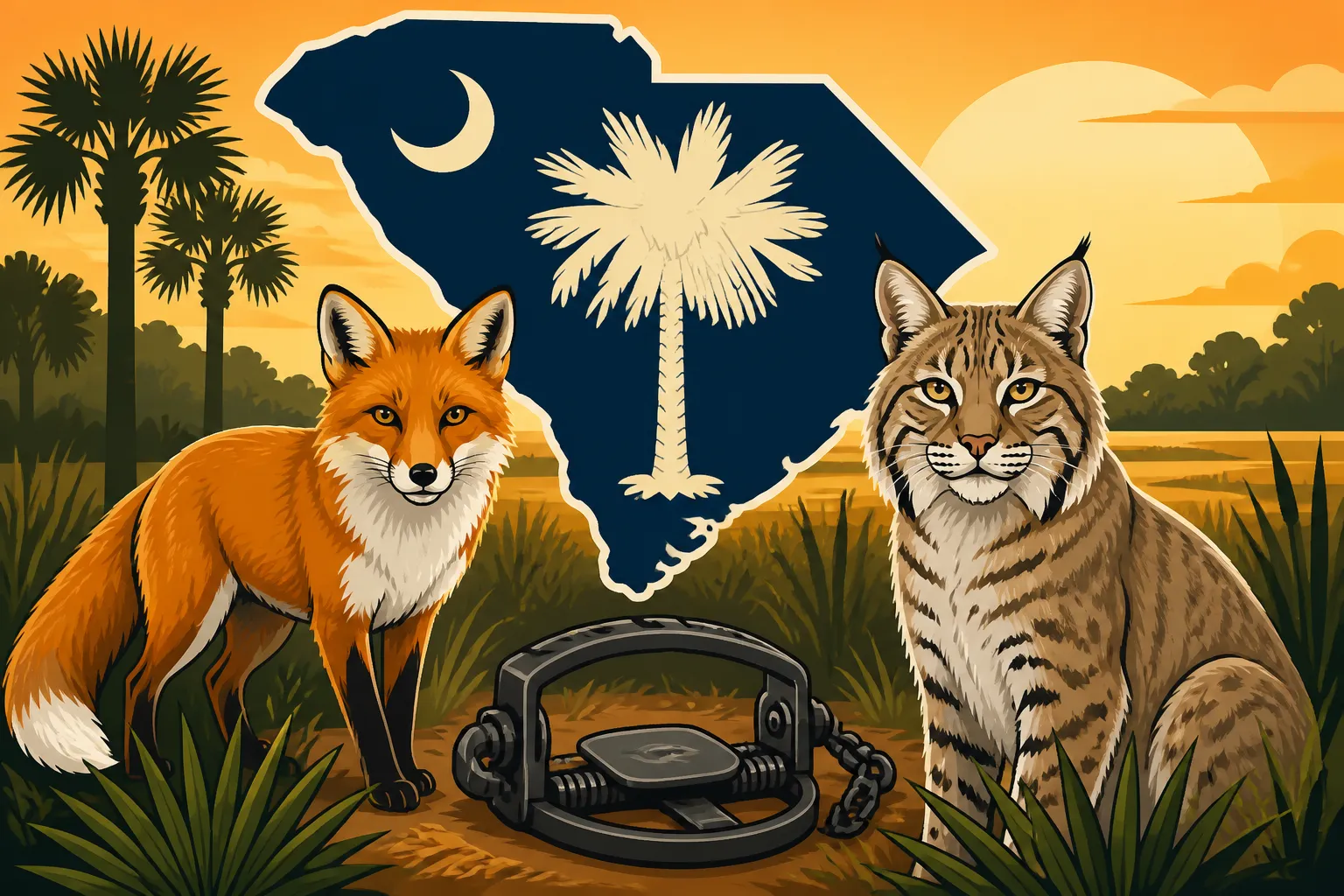
South Carolina actually recognizes two distinct species of fox for trapping purposes: the gray fox and the red fox. While both are widespread, their populations and prime pelt times can vary slightly, as can the specific trapping regulations depending on where you are in the state. Historically, the trapping season for foxes, particularly in the Coastal Plain and Piedmont regions, often runs from early October through mid-March. This extended season is designed to capture the period when their fur is densest and most valuable, after the summer shedding and before the spring breeding season.
It's worth noting that the specific open and close dates can sometimes differ slightly between zones or be adjusted by the SCDNR based on population data. For example, some counties in the coastal areas might have slightly different start or end dates compared to those further inland in the Piedmont. These variations are often a result of localized population management goals or ecological considerations. Always consult the most current SCDNR Furbearer Regulations booklet before setting your traps to confirm the exact dates for your specific trapping location. The goal is to ensure sustainable harvest, allowing these agile predators to maintain healthy numbers while providing opportunity for trappers.
Statewide Bobcat Trapping Opportunities
Bobcats, the elusive short-tailed wildcats that prowl South Carolina's diverse landscapes, are a prized furbearer. Unlike foxes, whose seasons might see regional variations, the bobcat trapping season tends to be more uniform across the entire state. Typically, the bobcat season also aligns with a similar window as the fox season, often opening in October and extending through mid-March. This consistent statewide approach simplifies things for trappers, as you won't need to worry about county-by-county date differences for this particular species.
The consistency reflects the statewide management strategy for bobcats, which, thanks to conservation efforts, have seen a healthy resurgence in recent decades. For more insight into their presence in the state, consider reading our article on South Carolina's Recovering Bobcat Population. There are generally no statewide harvest limits on bobcats for trappers, meaning you don't have a strict bag limit like you might for deer or turkey. However, ethical trappers understand the importance of self-regulation and ensuring local populations remain robust. Just like fox, the season is timed to coincide with prime fur quality, making the effort of setting a line worthwhile for those seeking their beautiful pelts.
| Species | Typical Season Start | Typical Season End | Regions Covered | License Required | Notes |
|---|---|---|---|---|---|
| Red Fox | Early October | Mid-March | Statewide | Base + Trapping | Regional variations possible, check SCDNR |
| Gray Fox | Early October | Mid-March | Statewide | Base + Trapping | Regional variations possible, check SCDNR |
| Bobcat | Early October | Mid-March | Statewide | Base + Trapping | Generally consistent statewide dates |
Note: Always consult the current year's SCDNR Furbearer Regulations for exact dates and any potential changes.
Ethical Trapping Practices and Responsible Management
Trapping isn't just about catching an animal; it's a skill-based pursuit that comes with significant ethical responsibilities. As a trapper, you're a steward of the land and its wildlife, and your actions reflect on the entire trapping community. Responsible management is key to ensuring these opportunities remain available for future generations.
Best Practices for Humane and Selective Trapping
Humane trapping is at the core of responsible furbearer management. This starts with selecting the right traps for the target species and setting them correctly. A properly bedded foothold trap, for instance, should be stable and free of wobbles, minimizing discomfort for a captured animal. Scent control is also paramount; wearing gloves, using clean tools, and boiling or dyeing traps can reduce human odor, increasing your chances of success and preventing animals from "spooking." More importantly, it helps avoid catching non-target animals that might investigate unfamiliar scents.
Selective trapping means doing everything you can to target the animals you intend to catch while minimizing accidental catches of other species. This often involves careful placement – setting traps away from known trails of domestic animals or areas frequented by protected species. And, as mentioned earlier, the 24-hour check rule is non-negotiable. Inspecting your traps daily ensures that any caught animal is dispatched quickly and humanely or released if it's a non-target species. This diligence reduces stress and injury, reflecting a true commitment to ethical practice. Trapping plays a vital role in balancing predator populations, such as Coyotes and Predators in South Carolina, and preventing overpopulation of certain species that could impact others.
Landowner Permission and Public Land Considerations
One of the most critical aspects of responsible trapping in South Carolina, and frankly, anywhere, is securing proper land access. On private land, you must have permission from the landowner. This isn't just a courtesy; it's the law. Walking onto someone's property and setting traps without explicit consent is trespassing and can lead to severe penalties. Many experienced trappers recommend getting written permission, even from friends or family. This protects both you and the landowner in case of any misunderstanding or incident. Our guide on South Carolina Trespass and Permission Law delves deeper into these legalities, and it's always wise to know if Do You Need Written Permission in South Carolina? for your specific situation.
Public lands, such as Wildlife Management Areas (WMAs) or National Forests, often have their own specific regulations for trapping. While a statewide trapping license covers you, these areas might have additional permits, specific access restrictions, or even designated "no trapping" zones. Always check the individual WMA regulations before deploying your traps on public ground. It's not uncommon for these areas to have different season dates or rules than private land. Tools like GoHunt can be incredibly valuable here, offering detailed maps with property boundaries and public land overlays, helping you identify legal trapping areas and navigate access points effectively. Being proactive about understanding land status prevents legal issues and fosters good relationships with landowners and fellow outdoorsmen.
Post-Harvest Requirements and Carcass Management
You've done the hard work of scouting, setting, and checking your traps, and you've successfully harvested a fox or bobcat. What comes next is just as important as the trapping itself. Proper post-harvest procedures ensure compliance with regulations and honor the animal.
Reporting and Tagging Procedures
For many larger game animals like deer and turkey, South Carolina has strict reporting and tagging requirements. You might be wondering if the same applies to furbearers like foxes and bobcats. Historically, and currently, the SCDNR does not typically require trappers to report individual fox or bobcat harvests or affix tags to their pelts, unlike the system for big game. This simplifies the process for trappers, but it doesn't mean there's no oversight. Population data is often collected through surveys of trappers, fur buyers, and other methods.
However, rules can change, and it's always your responsibility to verify the most current regulations directly with the SCDNR. Never assume. Check the official SCDNR Furbearer Regulations booklet for the current year before you head out. While specific reporting might not be mandatory for individual animals, keeping good records of your catches can be beneficial for your own tracking and for potential future market sales. This also differs significantly from other trapping efforts, such as when Trapping South Carolina Feral Hogs, which, while generally unregulated for harvest, still benefits from knowledge of population impact.
Handling and Preparing Furbearer Pelts
Once an animal is harvested, the work begins to prepare the pelt. The quality of the pelt largely dictates its value, whether you're selling it to a fur buyer or keeping it for personal use. The first step is skinning, which needs to be done carefully to avoid cuts or damage to the fur. Foxes are typically skinned "case-skinned," meaning the hide is pulled off inside-out like pulling off a sock, leaving a tube of fur. Bobcats can be case-skinned or open-skinned, depending on the preference of the buyer or your intended use.
After skinning, the pelt needs to be fleshed – removing all fat and muscle tissue adhering to the hide. This is a crucial step for preventing spoilage and ensuring the pelt dries properly. A dull fleshing knife and a proper fleshing beam make this process much easier. Finally, the pelt is stretched and dried. This typically involves placing the pelt on a wire or wooden stretcher, fur-side out (for fox) or fur-side in (for bobcat, then turned fur out after partial drying), and allowing it to air dry in a cool, well-ventilated area away from direct sunlight or heat. The specific dimensions of the stretcher can impact the final shape and appeal of the pelt. Proper handling directly impacts the outcome, ensuring you make the most of your ethical harvest. Remember to always properly dispose of the carcass, taking into consideration local regulations and contributing to South Carolina Wildlife Disease Monitoring by reporting any unusually sick animals to SCDNR. This ensures a healthy ecosystem for all.
Disclaimer
Always consult the latest South Carolina Department of Natural Resources (SCDNR) regulations for specific season dates, licensing requirements, and legal trapping methods, as these can change annually. This guide is for informational purposes only and should not replace official state publications.