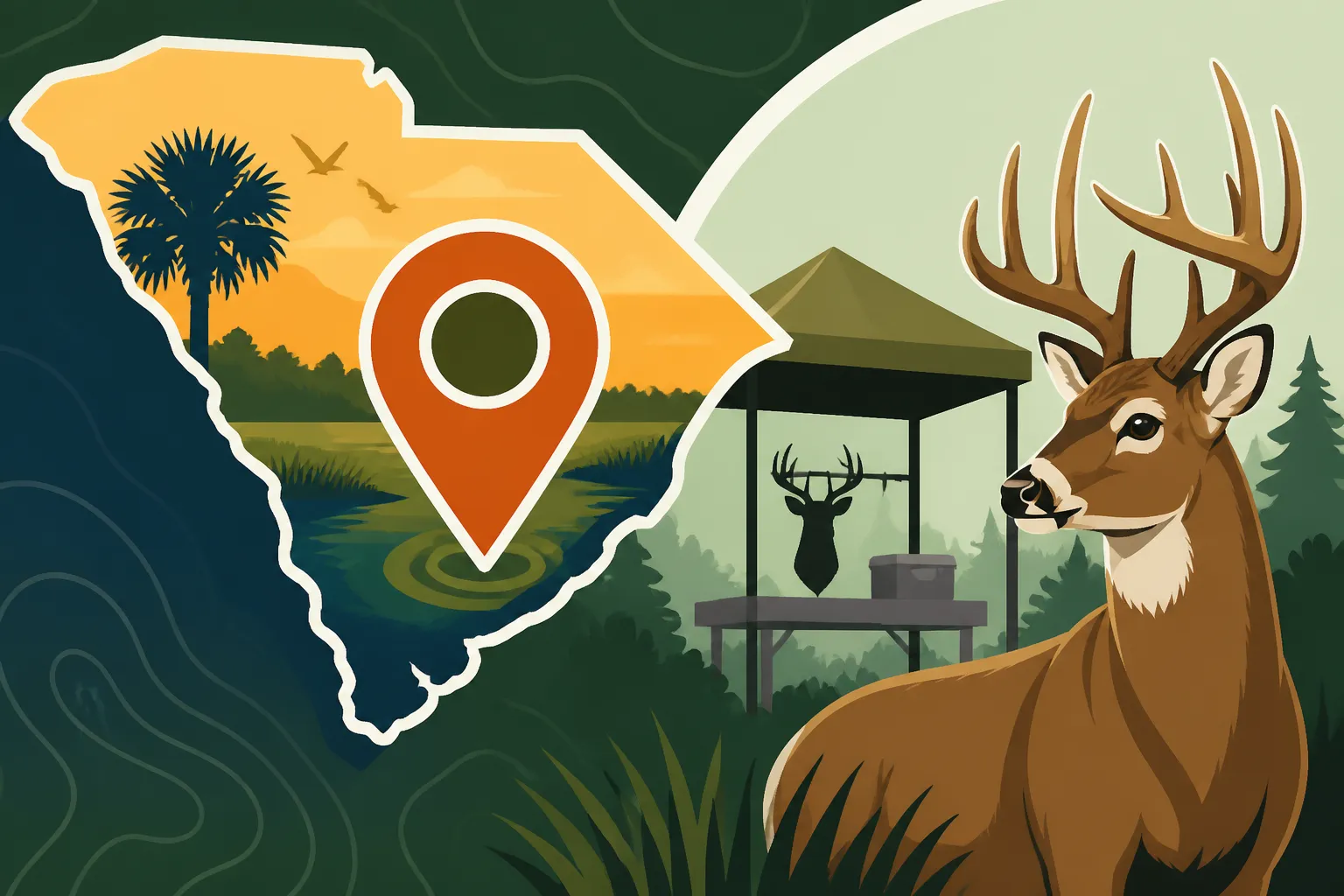
Finding a South Carolina CWD Sampling Station
It's an unfortunate truth that our passion for hunting comes with responsibilities that go beyond just ethical harvesting and managing game populations. One of the biggest concerns for deer hunters across the country, and right here in the Palmetto State, is Chronic Wasting Disease (CWD). While South Carolina has been fortunate enough to remain CWD-free, that status isn't by accident—it's thanks to proactive surveillance and the participation of hunters like you. The challenge, however, can often be figuring out where and how to contribute your harvest for sampling. This comprehensive guide is here to walk you through everything you need to know about finding and utilizing a CWD sampling station in South Carolina, ensuring you're doing your part to keep our deer herd healthy for generations to come.
Understanding South Carolina's CWD Surveillance Program
Nobody wants to see a healthy deer herd threatened, and that's exactly why understanding and participating in CWD surveillance is so crucial. It’s not just a bureaucratic hoop; it’s a frontline defense for our wildlife.
Why CWD Monitoring is Crucial for Our Deer Herd
Let’s be honest, CWD is a nightmare scenario for any deer hunter. This fatal neurological disease affects cervids—that's deer, elk, and moose—and there's currently no vaccine or cure. It’s caused by abnormal proteins called prions, which slowly damage the animal's brain and nervous system, leading to emaciation, abnormal behavior, and ultimately, death. What makes it particularly insidious is that it can spread through direct animal-to-animal contact, as well as indirectly through contaminated soil, plants, or even feed.
South Carolina has been extremely proactive in its efforts to prevent CWD from entering the state, and that vigilance has paid off, maintaining the critical status of Why South Carolina Stays CWD-Free. It’s a constant battle, and every hunter plays a vital role. Without regular monitoring, an outbreak could go unnoticed for too long, potentially devastating local deer populations and forever changing the landscape of hunting in South Carolina. Imagine the joy of seeing a healthy buck or doe, knowing that their future isn't clouded by this silent threat. That peace of mind comes from knowing we're all doing our part.
The Role of Sampling Stations in Prevention
So, what exactly do these sampling stations do? Simply put, they are designated locations where hunters can voluntarily submit samples from their harvested deer. The process usually involves collecting specific tissues, primarily the brain stem and lymph nodes, which are then sent to a diagnostic lab for CWD testing. These samples provide a critical snapshot of the herd's health across different regions of the state.
Think of these stations as the eyes and ears of our wildlife management agencies. They provide a convenient and accessible way for hunters, who are often the first to notice changes in wildlife populations, to contribute directly to the scientific effort. Without these samples, the South Carolina Department of Natural Resources (SCDNR) wouldn't have the data needed to quickly identify if CWD ever made its way into the state. It's a fundamental part of How South Carolina Monitors for CWD Every Year, allowing for early detection and, hopefully, rapid response strategies if needed. Hunter participation truly forms the backbone of the entire South Carolina CWD Surveillance Program.
Locating a CWD Sampling Station Near You
Finding a CWD sampling station shouldn't add another layer of stress to your hunting trip. Thankfully, the SCDNR has made strides to make this process as straightforward as possible.
Utilizing the SCDNR Website and Go Outdoors SC App
The first and most reliable place to find an up-to-date list of CWD sampling stations is the official South Carolina Department of Natural Resources (SCDNR) website. They maintain an interactive map and a comprehensive list that's regularly updated, especially as deer season ramps up. I always recommend checking this resource before you head out, as locations and hours can sometimes change.
To navigate it:
- Head to the SCDNR website: Look for the "Wildlife" section, then usually a "Deer" or "CWD" specific page.
- Find the CWD Surveillance Information: This section will typically have links to maps and lists of sampling locations.
- Use the Interactive Map: The map usually allows you to filter by county or even by type of station, showing you exactly where the closest drop-off points are. It’s visually intuitive and helps you plan your post-harvest route.
For those of us who live by our smartphones in the field, the Go Outdoors SC app is another fantastic tool. This isn't just for Buying a License on Go Outdoors SC or checking your game. While its primary function for CWD might be more related to South Carolina Deer Reporting Requirements once you've harvested, the SCDNR often integrates CWD station locations or links to that information directly within the app or its website portal. It's an indispensable tool for Scouting With the Go Outdoors SC App and staying connected to all things South Carolina hunting. Many hunters also use third-party mapping tools like GoHunt for their detailed aerial imagery and public/private land boundary overlays, which can be useful for general scouting and navigating to sampling stations if they’re located near public access points or WMA offices. Always cross-reference with the official SCDNR list for the most accurate CWD station information, but GoHunt can certainly aid your overall situational awareness in the field.
Types of CWD Sampling Stations Available
Not all CWD sampling stations are created equal, and understanding the different types can help you choose the most convenient option for your harvest.
- Staffed Drop-Off Points: These are often found at SCDNR offices, certain Wildlife Management Areas (WMAs), or sometimes at specific events like deer processing days. The biggest advantage here is that trained personnel are on-site to assist you, ensure proper sample collection, and answer any questions you might have. The downside? They usually have limited hours of operation, often only during typical business hours or specific weekends during peak season. If you harvest a deer late in the evening, this might not be your immediate go-to.
- Self-Service Kiosks: These have become increasingly popular for their convenience. You'll often find them at 24/7 public access points, such as WMA entrances or local fire stations. They typically involve a cooler or freezer unit where you can deposit your deer's head after filling out a provided information tag. These are fantastic for those late-night harvests or if you're hunting in a remote area without easy access to a staffed facility. The key is to follow the instructions very carefully to ensure your sample is viable.
- Participating Taxidermists and Processors: Many local taxidermists and meat processors have partnered with the SCDNR to act as official CWD sampling stations. This can be incredibly convenient if you're already taking your deer to one of these businesses. They're equipped and trained to collect the necessary samples as part of their regular service, often with a small fee or as part of their processing costs. It's a great way to streamline your post-harvest tasks.
| Station Type | Pros | Cons | Typical Locations |
|---|---|---|---|
| Staffed Drop-Off | Expert assistance, questions answered | Limited hours, not 24/7 | SCDNR offices, WMA offices, special events |
| Self-Service Kiosk | 24/7 accessibility, high convenience | Requires careful self-sampling/tagging | WMA entrances, public land access points |
| Processor/Taxidermist | Integrates with existing services | May have a fee, not all participate | Local deer processors, taxidermy shops |
No matter which type you choose, the important thing is that you contribute. Every sample helps build a stronger defense against CWD.
The Deer Sampling Process at a Station
Submitting your deer for CWD sampling doesn't have to be complicated, but a little preparation goes a long way to ensure your sample is collected correctly and contributes effectively to the surveillance program.
Preparing Your Harvest for Submission
You’ve made a successful harvest – congratulations! Now, before you head to the sampling station, there are a few crucial steps to take to ensure your deer is ready for CWD testing.
First and foremost, remember that in South Carolina, all harvested deer, whether antlered or antlerless, must be reported through the Game Check system. This is your responsibility as a hunter and is separate from CWD sampling, but often done around the same time. Familiarize yourself with South Carolina Deer Reporting Requirements and make sure to report your deer promptly after the harvest. You can do this easily via the Go Outdoors SC app or the SCDNR website.
When it comes to preparing for CWD sampling, the key is the head and neck. The brainstem and lymph nodes in the neck are the tissues scientists test for CWD prions.
- Keep it Cool: If you're not heading straight to a sampling station, keep the head and neck cool. In South Carolina's warm climate, this is vital. Place it in a cooler with ice, especially if you anticipate any delay. Heat can degrade the tissues, making them unsuitable for testing.
- Tagging: Make sure your deer is properly tagged as per SCDNR regulations. This often means attaching your deer tag to the carcass, typically on the ear or antler.
- Minimal Contamination: While gutting, try to avoid getting digestive contents on the head or neck area, though this is less critical for a CWD sample than for meat processing. The main thing is to keep the area as clean as possible.
You don't need to do any complex dissection yourself. The professionals at staffed stations or the instructions at self-service kiosks will guide you on what to do with the whole head, or perhaps just the head and upper neck. Just focus on keeping that crucial part cool and clean until you can submit it.
Step-by-Step at a Self-Service Kiosk
Let's walk through a common scenario: you’ve harvested a deer, it’s late, and the nearest staffed station is closed. You’re heading to a 24/7 self-service kiosk.
- Locate the Kiosk: Using the SCDNR map, drive to your chosen self-service station. These are often well-marked with signage.
- Read Instructions Carefully: Every kiosk should have clear, laminated instructions. Read them completely before you do anything. They’ll outline the exact process, what information is needed, and how to collect and store the sample.
- Gather Supplies: Kiosks typically provide all necessary supplies: sample bags, zip ties, disposable gloves, and information cards/tags. Sometimes, a small tool might even be available for specific sample collection, but often you're just dropping off the head.
- Fill Out the Information Card: This is paramount. You'll typically need to provide:
- Your name and contact information (phone, email).
- Your hunter ID or license number (refer to your South Carolina Hunting Licenses and What They Cost).
- The date and county of harvest.
- The approximate location of the harvest (e.g., specific WMA, nearest town, GPS coordinates if you use an app like GoHunt).
- Deer sex and approximate age (buck/doe, fawn/yearling/adult).
- Your deer tag number, which should match the one on the deer.
- Any visible symptoms of illness, though CWD often shows no obvious signs until late stages.
- Prepare the Sample: If the kiosk requires you to take a specific sample (like a brain stem sample using a provided tool), follow the instructions precisely. If it's a head drop-off, ensure the head is clean and properly tagged with the information card.
- Secure and Label: Place the collected sample (or the tagged head) into the provided bag, seal it, and securely attach the filled-out information card. Use the provided zip ties if instructed. Clear and accurate labeling ensures your sample can be tracked and tested properly.
- Deposit the Sample: Place the bagged and labeled sample/head into the designated cooler or freezer unit. Ensure the lid is securely closed.
- Clean Up: Dispose of any gloves, packaging, or waste in the provided receptacle. Leave the station tidy for the next hunter.
Results for CWD tests usually take a few weeks. The SCDNR will typically notify you directly if your deer tests positive (which is extremely rare in SC) or will provide a portal on their website where you can check the status of your submitted sample using your ID number. Staying informed about the South Carolina CWD Surveillance Program means understanding these follow-up steps.
Important Considerations and Best Practices
Being a responsible hunter goes beyond the shot; it includes understanding and adhering to regulations designed to protect our natural resources. When it comes to CWD, these considerations are critical.
Carcass Import Restrictions and Your Role
One of the most vital layers of defense against CWD entering South Carolina comes from strict carcass import restrictions. It’s absolutely essential that you understand and comply with these rules, especially if you hunt in other states.
Simply put, Why You Cannot Bring a Deer Carcass Into South Carolina from states, provinces, or countries that are known to have CWD. This restriction is in place because the prions that cause CWD can linger in certain parts of the deer carcass for extended periods, even if the animal itself didn't show symptoms. Transporting these parts could inadvertently introduce the disease to our state.
However, you can still bring back certain processed parts. Which Carcass Parts South Carolina Still Allows to be imported are generally:
- Deboned meat.
- Clean hides without the head.
- Clean skulls or skull caps that have had all brain and nervous tissue removed.
- Antlers, or antlers attached to a skull cap that has been cleaned as above.
- Finished taxidermy products.
This means if you're hunting in a neighboring state like North Carolina or Georgia, or even further afield in a CWD-positive area, you must process your deer before crossing back into South Carolina. This might mean field-boning your deer or using an out-of-state processor before bringing the meat home. It's a minor inconvenience compared to the devastating impact CWD could have on our local deer populations and hunting heritage. Your adherence to these rules is a direct contribution to preventing a CWD outbreak here.
Staying Informed and Supporting the Initiative
The world of wildlife management is constantly evolving, and staying informed about CWD and other critical issues is part of being a dedicated hunter. The SCDNR is the primary source for the most accurate and up-to-date information regarding CWD surveillance, new sampling stations, and any changes in regulations related to South Carolina Deer Season Structure Explained or carcass import rules.
Here's how you can stay ahead of the curve:
- Subscribe to SCDNR Updates: Sign up for email newsletters from the SCDNR. They often send out timely alerts regarding season dates, regulation changes, and CWD initiatives.
- Regularly Check the SCDNR Website: Before each season, and periodically throughout, visit their CWD section to check for new sampling station locations or changes to existing ones.
- Engage with Your Hunting Community: Talk to fellow hunters, join local hunting clubs, and participate in discussions. Often, local knowledge about new stations or best practices spreads quickly through these networks. Just remember to always verify information with official SCDNR sources.
- Volunteer or Participate: If you have the opportunity to volunteer at a staffed sampling station or participate in other SCDNR events, it's a great way to learn more and give back.
Ultimately, preventing CWD from taking hold in South Carolina is a collective effort. Every time you submit a sample, abide by import restrictions, or simply share accurate information with a fellow hunter, you're helping to safeguard our state's incredible deer hunting opportunities. It ensures that the future of hunting here in the Palmetto State remains vibrant and healthy, allowing us all to enjoy the outdoor traditions we cherish.
Disclaimer
Please remember that hunting regulations and CWD surveillance protocols can change. Always consult the official South Carolina Department of Natural Resources (SCDNR) website or their most current regulations digest for the most accurate and up-to-date information before planning your hunt or submitting a sample. This guide is for informational purposes only.