Zone 1 Upstate Season Dates
Trying to make sense of South Carolina’s deer season can feel like trying to hit a moving target, especially with different zones throwing curveballs at your hunting calendar. If you're planning to chase whitetails in the beautiful mountains and rolling foothills of the Upstate, understanding the precise Zone 1 season dates is absolutely essential for lining up your hunts and making sure you’re always on the right side of the law.
Understanding South Carolina's Game Zones
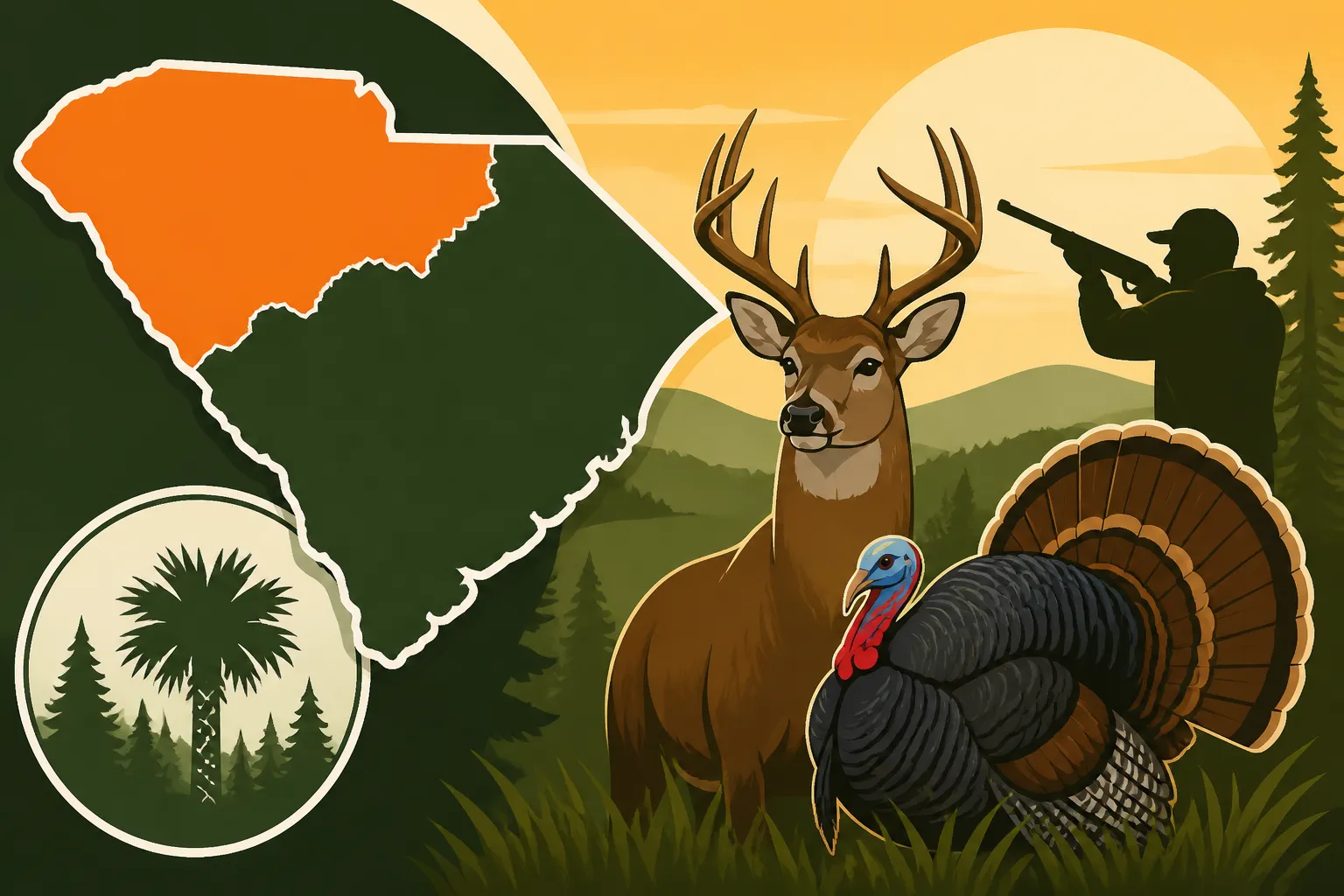
It’s no secret that South Carolina is a diverse state, from its coastal marshes to its ancient mountains, and that diversity extends directly to its hunting seasons. The state is carved into four distinct game zones, each with its own set of rules and, crucially, its own opening and closing dates for various game species. This system can be a head-scratcher for new hunters or those coming from states with more uniform regulations, but it’s designed to manage deer populations and hunting pressure effectively across very different ecosystems. Zone 1, often simply called the "Upstate Zone," encompasses the northwestern corner of the state, including counties like Oconee, Pickens, Greenville, Spartanburg, and parts of others. It’s a world away from the humid, early openers of the coastal plain.
Why Zone 1 Stands Apart
The Upstate truly is a different beast when it comes to hunting. While hunters in the coastal Zone 4 might be battling mosquitos and sweltering August temperatures on opening day, those in Zone 1 are typically enjoying cooler weather, more significant elevation changes, and a completely different forest type. This geographical distinction leads directly to biological differences in the deer herd, most notably a later rut. Deer in the Upstate often breed later than their Lowcountry cousins, which necessitates a later hunting season to align with peak deer activity. The habitat is also less agricultural and more forested, with hardwoods dominating the ridges and bottoms, influencing deer movement and food sources. This unique environment makes Zone 1 a challenging but incredibly rewarding place to hunt, requiring different scouting and hunting tactics than you might use elsewhere in the state. For a broader perspective on how these differences play out across the state, it's worth understanding How South Carolina's Four Zones Split the Calendar.
Geographic Boundaries of the Upstate
Zone 1 stretches across the mountainous and piedmont regions of South Carolina. Imagine the rugged terrain where the Appalachian foothills meet the rolling land just before the flatter central plains. This area is characterized by dense hardwood forests, pine plantations, rocky outcrops, and a network of creeks and rivers. Key public land hunting opportunities here include portions of the Sumter National Forest, particularly the Andrew Pickens and Enoree Ranger Districts. These vast tracts offer challenging hunting but can hold impressive deer. Understanding these boundaries isn't just about knowing where your hunting license is valid; it’s about recognizing the landscape and habitat that define the deer in this region. If you’re unsure which zone your specific hunting spot falls into, a quick check on the South Carolina Department of Natural Resources (SCDNR) website or a mapping application like GoHunt can quickly clarify any ambiguity. Knowing these precise boundaries is your first step to a successful and legal hunt in the South Carolina Upstate.
Deer Season Dates in Zone 1
Alright, let's get down to brass tacks: the actual dates. Zone 1 has a distinct deer season structure that reflects its unique environment. Unlike the blazing hot August openers you find closer to the coast, the Upstate offers a season that kicks off later in the year, often coinciding with more pleasant weather and the exciting lead-up to the rut. This later start means you're generally hunting deer that are more active during daylight hours as temperatures drop, making for a different, often more invigorating, hunting experience. This structure is part of the larger South Carolina Deer Season Structure Explained that aims to manage deer populations statewide.
Archery Season Specifics
For the bowhunters out there, Zone 1 typically opens its archery season in mid-September. This can be a fantastic time to be in the woods. While it's still warm enough that deer will often stick to thicker cover during the day, the evenings and mornings can bring crisp air that really gets the blood pumping. You'll be focusing on traditional food sources like acorns (if it's a good mast year) and early browse. Stand placement around bedding areas, pinch points, and water sources becomes critical. Early archery season is also an excellent time to pattern deer before they get heavily pressured. However, patience is key. The deer haven't started their hard rutting behavior yet, so you're mostly playing a game of ambush. Many hunters who meticulously scout with tools like GoHunt leverage this early season to get a jump on understanding deer patterns before the woods fill up with more hunters. It’s also worth noting that crossbows are generally permitted during the entire archery season in South Carolina, giving hunters more flexibility.
Primitive Weapons Season Windows
Following archery season, Zone 1 transitions into a primitive weapons season, typically kicking off in early October. This is a special time for many hunters who relish the challenge and tradition of hunting with muzzleloaders, crossbows (yes, they often fall under primitive weapons here, confirming Crossbow Rules During South Carolina Archery Season), and certain other single-shot firearms. The primitive weapons season often falls right as the weather really starts to cool down consistently, meaning deer are often moving more freely during daylight hours. Leaves might be starting to turn, making for some absolutely breathtaking hunts in the Upstate mountains. This period offers a great opportunity to get into the woods with less competition than during the peak modern firearms season, providing a unique blend of challenge and tranquility. For detailed information on what qualifies, make sure you're up to date on South Carolina Primitive Weapons Season Rules.
Modern Firearms Season Details
The grand finale for deer hunting in Zone 1 is the modern firearms season, which typically begins in mid-October and runs through January 1. This extended season gives hunters plenty of opportunities to fill their tags, encompassing the peak of the rut in the Upstate. If you're specifically interested in Hunting the Rut in the Upstate Zone, this is your prime window. During this time, bucks are far more preoccupied with breeding, leading to increased movement and a higher chance of encountering a trophy. It’s a period of intense activity, where rattling, grunting, and diligent scouting for scrapes and rubs can pay off handsomely. Later in the season, as the rut winds down, deer will shift their focus back to food, making late-season food sources like persistent acorns or green fields crucial. This long season allows for flexibility, letting hunters adapt their strategies as the weather and deer behavior change from autumn through early winter. The popularity of this season means public lands can see increased pressure, so smart hunters use mapping software to find less-pressured pockets, even on well-used land, or focus their efforts during weekdays.
Special Considerations for Upstate Deer Hunters
Hunting in Zone 1 isn't just about knowing the dates; it's about understanding the nuances of the region itself. The Upstate presents a unique set of challenges and rewards that differ significantly from hunting the flat, often agricultural landscapes of the Lowcountry. Successful hunters here learn to adapt their gear, their strategy, and their mindset to these specific conditions.
Antlered and Antlerless Bag Limits
South Carolina has specific statewide bag limits for both antlered and antlerless deer, but it’s crucial to understand how those apply in Zone 1. Generally, residents can harvest up to five antlered deer statewide, but only two of those can come from Zone 1. Non-residents typically have a lower antlered limit, usually two statewide. For antlerless deer, the limit is typically two per day, regardless of the zone, but these can only be harvested during the open antlerless season. This often starts later in the Upstate than on the coast, and sometimes has specific days or periods designated for antlerless harvest. Always consult the most current SCDNR regulations booklet or their website to confirm these numbers, as they can change annually. Ignoring these limits isn't just a minor infraction; it's a serious violation that can cost you your license and more. Planning your harvest strategically throughout the season, especially if you hunt multiple zones, is vital to stay within legal bounds.
Public Land Regulations in Zone 1
Many hunters in the Upstate rely heavily on public land opportunities, particularly within the vast tracts of the Sumter National Forest Hunting. However, hunting on these lands comes with its own set of rules that often go beyond the statewide regulations. For instance, specific Wildlife Management Area (WMA) permits are usually required in addition to your regular hunting license and big game permit. You'll need to know about South Carolina WMA Permit Requirements before heading out. WMAs often have their own unique season dates, weapon restrictions, and even specific rules about stand placement, vehicle access, and trail cameras. Some areas might be draw-only, or have specific sign-in/sign-out procedures. It's imperative to check the WMA regulations for the specific area you plan to hunt. These details are often listed in the annual SCDNR hunting guide and are available through their online map tools, which are very user-friendly. Hunting public land in the Upstate means doing your homework, but the reward is access to some truly wild and beautiful country. Tools like GoHunt can be invaluable for navigating property lines and WMA boundaries, helping you avoid accidental trespass or misunderstanding regulations.
The Impact of Appalachian Weather
The weather in the Upstate, particularly in the mountainous regions, can be dramatically different from the rest of South Carolina. While the Lowcountry might be experiencing mild autumns, the Upstate can see much cooler temperatures, early frosts, and even significant snowfall in the higher elevations. These weather patterns directly influence deer behavior. Cold snaps can trigger increased feeding activity, while heavy rains or snow can push deer into more sheltered areas. Understanding Wind and Thermals on an Upstate Ridge is not just a suggestion, it's a necessity for stand placement, as these factors play a huge role in how your scent travels. Hunters need to be prepared for fluctuating conditions, carrying appropriate layers, waterproof gear, and even traction aids if venturing into steep terrain. Furthermore, the topography itself, with its steep ridges and deep hollows, creates unique thermal currents that can carry your scent further than you'd expect, making scent control even more critical.
Other Key Hunting Seasons in the Upstate
While deer hunting often takes center stage, the Upstate offers a rich tapestry of other hunting opportunities throughout the year. From the thrilling challenge of spring turkeys to the pursuit of black bears and the nostalgic simplicity of small game, there's always something for the dedicated outdoors person in Zone 1.
Spring Turkey Season Outlook
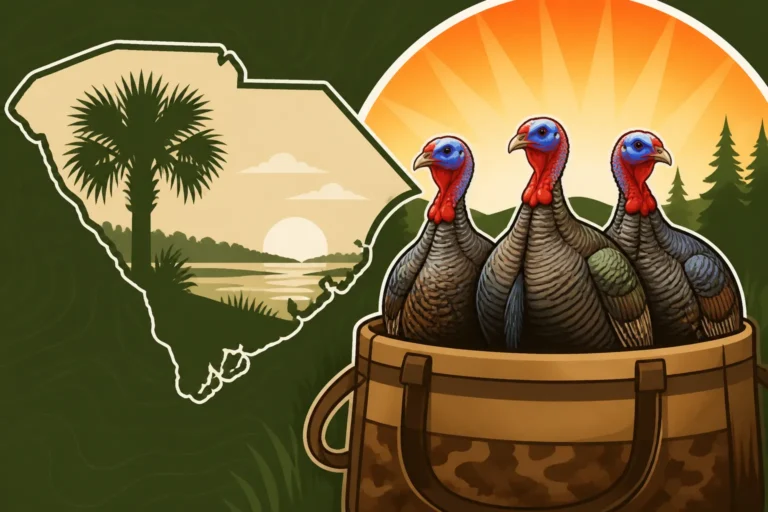
After the deer season closes, the anticipation quickly shifts to spring turkey hunting. Zone 1 offers some excellent turkey hunting, though it can be a challenging endeavor. The season typically runs from late March or early April through early May on private lands, with WMAs often having slightly different dates. You'll definitely want to read up on South Carolina Spring Turkey Season Rules before hitting the woods. The mountainous terrain means those gobblers can often be found on high ridges or along creek bottoms, and their calls echo impressively through the valleys. Locating birds, establishing a setup that provides good visibility, and mastering various calling techniques are all part of the Upstate turkey hunter's toolkit. Success often hinges on extensive scouting to find roosting areas and strut zones before the season even begins. Be prepared for some serious hiking, as these birds can cover a lot of ground in a day. The Upstate also recently banned the harvest of jakes, so you'll be focusing your efforts on mature gobblers, which can make for even more thrilling hunts.
Bear Hunting Opportunities
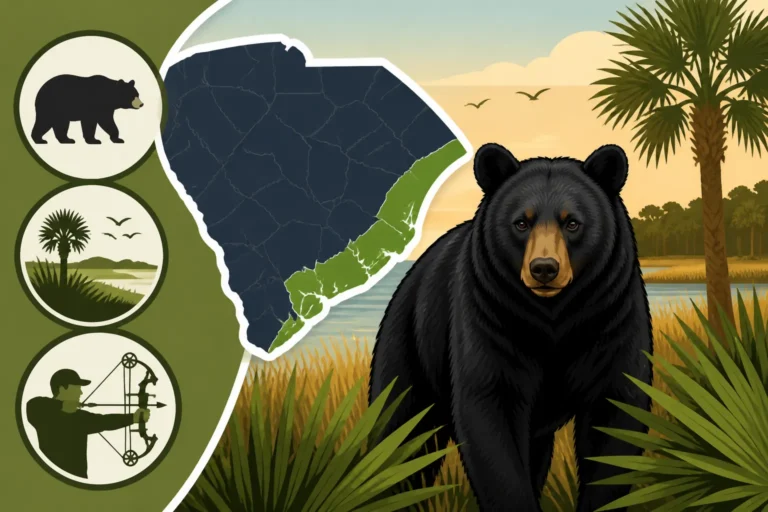
South Carolina might not be famous for bear hunting like some Western states, but the Upstate's Zone 1 is one of the state's two designated bear hunting zones and offers unique opportunities for pursuing these elusive animals. The bear season here is typically short and specific, often held in October, sometimes with separate windows for still-hunting and dog drives. It's crucial to consult the annual regulations for South Carolina's Two Bear Hunting Zones as season dates, specific areas, and tag requirements are very stringent. These bears typically inhabit the rugged, remote areas of the Sumter National Forest's Andrew Pickens Ranger District. Hunting them often involves steep climbs, dense cover, and a deep understanding of their movements and food sources, particularly during a mast year. Securing a bear tag is generally a requirement, and available tags can be limited. This is a true big-game hunt that demands significant preparation, physical stamina, and a willingness to venture deep into the wilderness.
Small Game and Furbearer Seasons
For those who appreciate the fast-paced action of chasing squirrels and rabbits or the strategic challenge of furbearer trapping, Zone 1 has plenty to offer. Squirrel season typically runs from the fall through late winter, often overlapping with deer season, which can make for some exciting multi-species hunts. The vast hardwood forests of the Upstate are prime squirrel habitat, offering abundant mast crops. Rabbit season also opens in the fall and extends through winter, providing opportunities for hunters with beagles or those who enjoy jump-shooting thickets. You'll want to check the specific dates for South Carolina Squirrel and Rabbit Season Rules to ensure you're compliant. Beyond these traditional small game animals, furbearers like raccoons, opossums, and coyotes offer year-round hunting or trapping opportunities, depending on the species and land type. Coyote hunting, in particular, has become increasingly popular due to their population growth and impact on other game species. These seasons provide an excellent way to introduce new hunters to the sport or to simply enjoy a different kind of challenge when deer and turkey seasons are closed.
Planning Your Zone 1 Hunt
A successful hunt in South Carolina's Upstate, especially in Zone 1, isn't just about showing up with a gun or bow. It requires careful planning, adherence to regulations, and a solid understanding of the terrain and wildlife. Without proper preparation, even the most skilled hunter can face frustration or, worse, legal trouble.
Essential Licenses and Permits
Before you even think about setting foot in the woods, you need to make sure your paperwork is in order. Every hunter in South Carolina needs a valid hunting license. Residents and non-residents have different options, and costs vary, so it's important to understand South Carolina Hunting Licenses and What They Cost. Beyond the base license, deer hunters will require a big game permit, which includes tags for antlered and antlerless deer. If you plan to hunt on public lands, specifically Wildlife Management Areas (WMAs) within Zone 1, a WMA permit is also mandatory. Additionally, migratory bird hunters will need a Federal Duck Stamp and HIP certification. All these licenses and permits can be conveniently purchased online through the Go Outdoors SC website or app, which even allows you to carry proof of your license on your phone. Always double-check that you have all the necessary credentials for the species and location you intend to hunt. It’s better to spend a few extra minutes reviewing than to risk a fine or, worse, losing your hunting privileges.
Scouting and Preparation
Once your licenses are sorted, the real work begins: scouting. This is perhaps the most critical component of a successful Upstate hunt. With its rugged terrain and dense forests, knowing the land intimately can give you a significant edge. Start with aerial photos and topographic maps – physical or through mapping apps like GoHunt – to identify potential bedding areas, travel corridors, pinch points, and food sources. Understanding how deer move along ridges and through saddles is paramount. For insights into this process, check out Reading Aerial Photos for Upstate Deer. Pre-season boots-on-the-ground scouting, looking for tracks, rubs, scrapes, and feeding sign, will confirm your map analysis. Pay close attention to available mast crops, as acorns are a huge draw for deer in the Upstate. Setting trail cameras can provide valuable intelligence on deer patterns and times of movement. Beyond deer, scouting for turkey sign (feathers, droppings, tracks) or bear sign (scats, claw marks on trees) is equally important for those seasons. Finally, physical preparation is key for Zone 1. The hills and often thick cover can be demanding, so make sure you're in good shape for the exertion of hiking and potentially dragging out game.
Staying Updated and Safe
Regulations change, and conditions in the woods are always dynamic. Make it a habit to check the SCDNR website annually for any updates to season dates, bag limits, or WMA rules. Weather forecasts should be monitored diligently, especially during bear or late-season deer hunts when conditions can turn quickly. Always inform someone of your hunting plans, including your location and expected return time. Carry a fully charged phone, a GPS device or reliable mapping app like GoHunt, a first-aid kit, and essential survival gear, particularly if you venture into remote public land areas. Blaze orange requirements are mandatory during certain firearms seasons, so ensure you have the correct amount displayed. By staying informed, prepared, and safety-conscious, you'll maximize your enjoyment and success while hunting in South Carolina's magnificent Upstate.
Here's a quick reference for the main deer season dates in Zone 1:
| Season Type | Typical Start Date (Private Land) | Typical End Date (Private Land) | Key Features & Considerations |
|---|---|---|---|
| Archery | Mid-September | Mid-October | Cooler weather, focus on food/bedding, less pressure. |
| Primitive Weapons | Early October | Mid-October | Muzzleloaders/crossbows, often coincides with pleasant fall weather. |
| Modern Firearms | Mid-October | January 1 | Longest season, includes peak rut, highest pressure, late-season food. |
Disclaimer
Please remember that hunting regulations, dates, and requirements can change. Always consult the most current South Carolina Department of Natural Resources (SCDNR) regulations guide for the specific year you plan to hunt to ensure full compliance with all state and local laws. This guide is for informational purposes only and should not be considered legal advice.