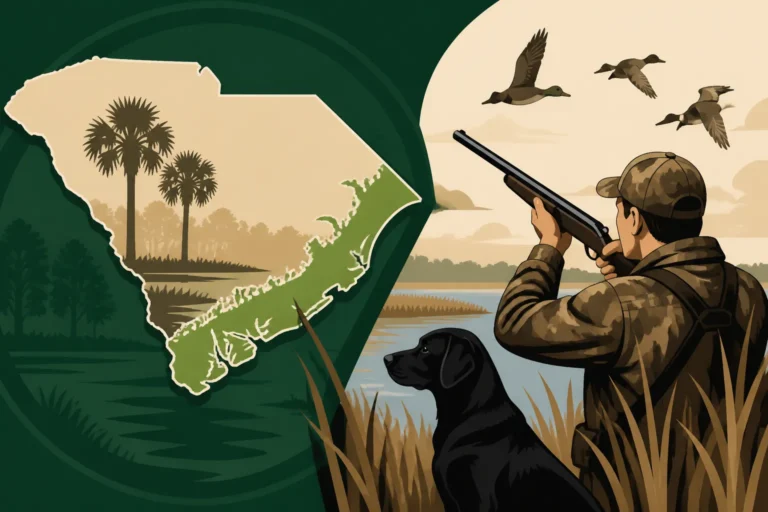
South Carolina Waterfowl Zones and Seasons
Trying to make sense of waterfowl hunting seasons and zones in South Carolina can feel like trying to hit a fast-flying teal with a slingshot—frustrating, confusing, and often leaving you scratching your head. Between federal regulations, state rules, various species-specific limits, and those ever-important "splits" in the season, it’s a lot to keep straight. This comprehensive guide is here to break down South Carolina's waterfowl zones and seasons, helping you navigate the regulations so you can focus on what truly matters: calling in ducks and geese.
Deciphering South Carolina's Waterfowl Zones
South Carolina, positioned perfectly along the Atlantic Flyway, is a prime destination for migratory waterfowl. But with great opportunity comes the need for careful management, which is why our state has specific waterfowl zones. Understanding these zones is your first step to a successful and legal hunt, as season dates can vary significantly between them. It’s not just about knowing when ducks are here, but where you can legally hunt them on certain dates.
The Atlantic Flyway's Influence on South Carolina
Our location here in South Carolina is absolutely critical when we talk about waterfowl. We're part of the massive Atlantic Flyway, a superhighway in the sky that countless ducks, geese, and other migratory birds use as they travel from their northern breeding grounds down to their warmer wintering areas. Think of it like a major interstate, but for birds, stretching all the way from Canada down to the Caribbean. This means we're not just dealing with resident birds, but a huge influx of migrants that pass through or winter right here in our coastal marshes, inland impoundments, and agricultural fields.
Because these birds are constantly on the move, and their populations are managed on a continental scale, federal regulations play a huge role in dictating our season lengths and bag limits. The U.S. Fish and Wildlife Service, in conjunction with flyway councils, sets the framework. Our state wildlife agency, the SCDNR, then works within those federal guidelines to set specific dates and zones that best reflect local conditions and bird populations. This intricate dance ensures that while we get to enjoy incredible hunting opportunities, we're also doing our part to conserve these amazing birds for future generations. For a broader look at when these birds are arriving, check out our guide on South Carolina Waterfowl Migration Timing.
Understanding South Carolina's Duck Zones
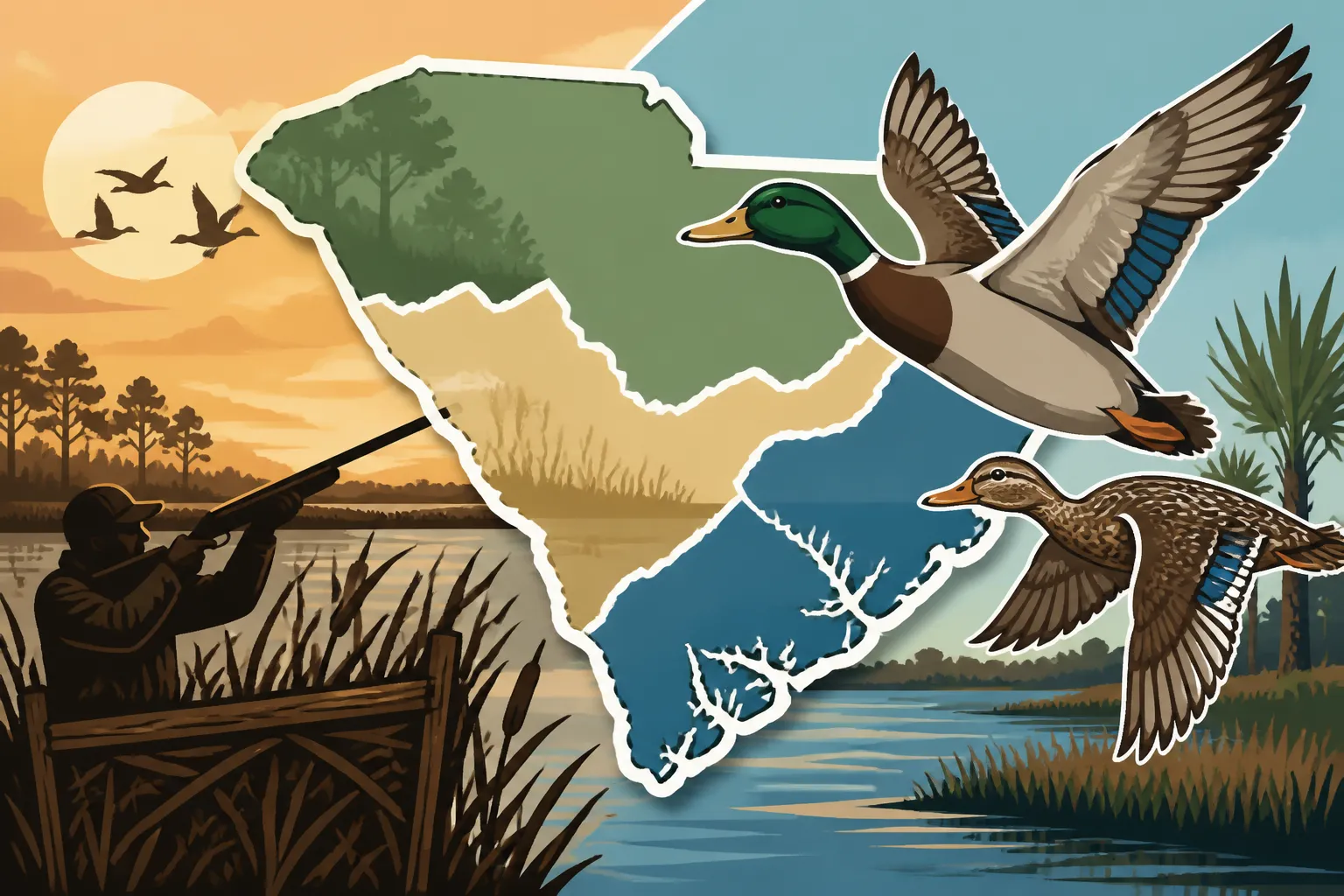
When it comes to duck hunting, South Carolina actually operates under two primary zones: the Coastal Zone and the Inland Zone. It's not as complex as some states with multiple splits, but it's crucial to know which zone you're in. These zones aren't just arbitrary lines on a map; they're drawn to account for differences in habitat, hunting pressure, and, most importantly, the timing of duck migrations and wintering patterns. The Coastal Zone, for instance, often sees earlier concentrations of certain species due to its proximity to the ocean and the vast network of tidal marshes and brackish impoundments.
The Inland Zone, on the other hand, comprises the rest of the state, including the Piedmont and the Midlands, where ducks tend to utilize larger river systems, beaver ponds, and agricultural impoundments. The season dates might be slightly different for these two zones, reflecting when birds are most likely to be present and available for harvest. It's a system designed to maximize hunting opportunity while maintaining healthy waterfowl populations. Always double-check which zone applies to your intended hunting area before setting your dates. You can find detailed breakdowns of these distinctions in guides like South Carolina Duck Zone Rules.
Key Counties in Each Zone
To make things even clearer, let's talk about some specific counties and how they fall into these zones. Knowing this beforehand can save you a lot of headache and ensure you're hunting within the correct season dates. Generally, the Coastal Zone includes counties like Beaufort, Charleston, Colleton, Dorchester, Georgetown, Hampton, Horry, Jasper, and parts of Berkeley and Williamsburg counties that are east of specific highways or rivers. These are your classic Lowcountry hunting grounds, famed for their rice fields and tidal creeks.
The Inland Zone then encompasses pretty much everything else, from the rolling hills of the Upstate (counties like Greenville, Spartanburg, Oconee) down through the Midlands (Richland, Lexington, Sumter). If you're hunting around places like the Santee Cooper lakes or along the Congaree River, you're firmly in the Inland Zone. Always remember that boundary lines can sometimes be a bit tricky, especially if you're hunting right on the edge of a zone. When in doubt, it’s best to consult the current SCDNR waterfowl regulations map or use a reliable hunting app like GoHunt, which often has detailed land and zone overlays. Better safe than sorry when it comes to migratory bird laws!
General Waterfowl Season Structure
South Carolina's waterfowl season isn't just one long stretch; it's typically broken into several segments, or "splits." This split season structure is common across the country and is designed to align hunting pressure with the migration patterns of various duck and goose species. It allows for opportunities throughout the fall and winter, accounting for early arrivals like teal, the main push of mallards and wood ducks, and later-season birds that tough out the colder months.
Early Teal Season – A Quick Start
For many dedicated waterfowlers, the early teal season is the unofficial start to fall hunting. It's a short, fast, and exciting sprint, typically held in September, long before the main duck season opens. This season is specifically for blue-winged and green-winged teal, and sometimes cinnamon teal if they happen to wander this far east. The beauty of early teal season is that these birds are often already present, having completed their breeding and started their southward migration much earlier than other duck species.
Hunting early teal is a completely different ballgame than a mid-winter mallard hunt. The weather is usually still warm, sometimes uncomfortably so, and the mosquitoes are often out in full force. You're often hunting over smaller water bodies, flooded fields, or shallow impoundments where these zippy little birds feed. It’s a great way to shake off the rust, pattern your shotgun, and get some early action. Just remember, only teal are fair game during this short window, so positive identification is absolutely critical. This brief but intense period offers a unique challenge and a fantastic opportunity to kick off your waterfowl season with a bang.
The Main Duck and Goose Season Splits
After the early teal season wraps up, there's usually a pause before the main duck and goose seasons open. These main seasons are characterized by their "splits"—periods of open hunting followed by short closures, then reopening again. This approach is a strategic move, allowing hunters to target the bulk of the migrating birds as they move into and through the state. For ducks, South Carolina typically has a first split, often in November, followed by a closure, and then a longer second split that runs from December through January.
These splits are designed to coincide with major migratory pushes and to offer respite periods for the birds, which can help distribute hunting pressure. It also means hunters might experience different conditions and see different species during each split. For geese, particularly Canada geese, the seasons often run concurrently with ducks or have slightly different, sometimes longer, continuous periods. It’s essential to look at the current year's SCDNR regulations, as these dates can shift annually based on federal frameworks and population assessments. These splits require careful planning, but they ultimately provide extended opportunities across various phases of the migration.
Late Season Opportunities
While many hunters might focus on the initial flurry of activity when seasons first open, the late season, typically running through December and into January, offers some incredibly rewarding opportunities. By this point, many of the earlier migrants have settled into their wintering grounds, and birds that have traveled further south are beginning to arrive or are firmly established. The weather is usually colder, and ducks and geese are often more patterned and concentrated around consistent food sources or protected roosting areas. This means that scouting becomes even more critical, but if you put in the time, you can find some fantastic late-season action.
You might encounter more wary birds during this period, as they've been pressured throughout the flyway. Decoy spreads and calling tactics often need to be more refined. However, the colder temperatures can also make birds more predictable, pushing them to feed heavily. Species like gadwall, wigeon, and even some of the diver ducks can be plentiful. It's also a great time to focus on Canada geese, especially the larger migratory flocks that have moved into the state. Don't overlook the late season; it can be one of the most productive times to be in the blind, even if it means bundling up a bit more.
Duck Species and Their Specific Season Dates
While the general duck season structure applies broadly, specific bag limits and even certain season segment closures can vary significantly depending on the species. This means that positive identification of your target species is not just good practice, it’s a legal necessity. Misidentifying a hen mallard as a gadwall or shooting a canvasback when the season is closed for them can lead to serious penalties. So, let’s dive into what you might encounter in a South Carolina duck blind.
Common Ducks and Their Harvest Periods
Here in South Carolina, we are blessed with a fantastic variety of ducks. Some of the most commonly encountered species include mallards, often the quintessential duck hunter's trophy, which arrive in good numbers, especially in the later splits. Wood ducks, with their incredible colors, are strong residents and early migrants, often found in flooded timber and beaver swamps. Green-winged teal are abundant throughout the season, known for their speedy flight. Gadwall and wigeon are also common, often found on open water and impoundments.
These species generally fall under the broader duck season dates, but it's important to remember that certain species have specific daily bag limits that contribute to your overall aggregate limit. For instance, you might have a general duck bag limit, but only a certain number of those can be mallards (often with a hen restriction), wood ducks, or pintails. Knowing these nuances is key. Often, the ideal times to target these birds vary. Early in the main season, wood ducks are often plentiful, while the coldest snaps of December and January can bring in more mallards and divers to the ACE Basin National Wildlife Refuge Hunting and other key wintering areas.
Restrictions on Certain Species
Not all ducks are treated equally when it comes to regulations, and for good reason. Some species have smaller populations or are more sensitive to hunting pressure, leading to more restrictive bag limits or even shorter, specific season segments within the overall duck season. Scaup (bluebills), for example, often have a reduced bag limit or a delayed opening for their harvest, reflecting population concerns. Similarly, species like black ducks and canvasbacks, which are highly prized but have lower populations, will typically have very tight daily bag limits—sometimes just one per hunter per day.
The biggest challenge with these restricted species is accurate identification, especially at a distance or in low light. A misidentified black duck can easily happen, but it’s a violation. This is where investing time in learning your duck identification, not just by feather pattern but by flight, silhouette, and call, really pays off. Always check the current year's regulations for these specific species, as they are often highlighted separately from the general duck limits. Our guide on South Carolina Duck and Goose Bag Limits will provide the most up-to-date information.
Dabblers Versus Divers – Why it Matters for Seasons
Understanding the fundamental difference between dabbling ducks and diving ducks isn't just for ornithologists; it's vital for hunters too, especially when it comes to regulations and habitat. Dabblers, like mallards, wood ducks, and teal, feed primarily by "dabbling" or tipping up in shallow water, rarely submerging completely. They typically prefer shallower impoundments, flooded timber, and freshwater marshes. They're also often quicker to spring into the air straight up, which influences how you set your decoys and choose your shot.
Divers, on the other hand, such as scaup, canvasbacks, and ring-necked ducks, feed by diving deep underwater for vegetation or mollusks. They prefer larger, deeper bodies of water – think the open bays of the coast, large rivers, or deep freshwater lakes. Sometimes, their season dates or bag limits will differ, particularly for species like scaup, which have historically faced population declines. Recognizing whether you're targeting dabblers or divers will inform your choice of hunting location, decoy spread, and even calling strategy. For instance, Layout Blind Hunting Lowcountry Rice Fields often targets dabblers, while deeper water might be better for divers.
Goose Hunting Seasons in South Carolina
Goose hunting in South Carolina provides an exciting complement to duck season, with opportunities for several different species. From the ubiquitous Canada goose to the noisy snow geese, understanding their specific seasons and regulations is crucial. Like ducks, goose seasons are often structured to maximize harvest potential while maintaining healthy populations.
Resident Canada Goose Season – Early Opportunities
South Carolina has a thriving population of resident Canada geese that, unlike their migratory cousins, don't fly far north to breed. These birds are often considered a nuisance in many areas, particularly around golf courses, agricultural fields, and urban ponds. Because of their abundance and localized impact, there's often an early resident Canada goose season, typically in September, that runs concurrently with or just after the early teal season. This offers a fantastic chance to get into the field when the weather is still pleasant and provides a management tool for their expanding populations.
These early seasons usually have liberal bag limits, sometimes significantly higher than the limits for migratory geese later in the year. Hunting resident geese often involves scouting agricultural fields where they feed or smaller ponds where they roost. Decoy spreads can be simpler, and calling can be effective. This early window is an excellent opportunity for new hunters or those looking for action before the intensity of the main duck season begins. Just ensure you're aware of any local restrictions, especially around suburban areas, and always prioritize safety. Learn more about these birds in Canada Geese on South Carolina Farmland.
Migratory Canada Goose Seasons
Beyond the resident birds, South Carolina also sees an influx of migratory Canada geese that fly down the Atlantic Flyway to winter in our milder climate. These birds often arrive later in the fall and early winter, typically coinciding with the main duck season splits. Hunting migratory Canada geese is often a bit more challenging than hunting their resident counterparts. These birds have traveled a long way and have likely been pressured along the flyway, making them warier and more responsive to subtle changes in environment or decoy spreads.
The season dates and bag limits for migratory Canada geese are usually separate from the early resident season and are often more restrictive. Hunters typically target them in large agricultural fields, especially corn or soybean stubble, or on large bodies of water where they roost. Large, realistic decoy spreads and patient, strategic calling are often necessary for success. It's a different kind of hunt than chasing ducks in a marsh, offering a unique challenge and the satisfaction of harvesting a truly wild, long-distance traveler. Pay close attention to the specific dates for migratory geese, as they can sometimes vary slightly from duck seasons.
Light Goose Conservation Order
The Light Goose Conservation Order is a unique program specifically designed to address the overpopulation of snow geese and Ross's geese. These beautiful white geese have seen a massive population explosion, largely due to agricultural changes that provide abundant food on their migration routes. This overpopulation has led to significant habitat destruction on their arctic breeding grounds, threatening the ecosystems there. To combat this, the U.S. Fish and Wildlife Service has implemented a special "conservation order" that allows for extended seasons and liberal harvest methods.
During the Light Goose Conservation Order, which typically runs in late winter and early spring after the regular waterfowl seasons have closed, hunters often have incredibly liberal bag limits (sometimes no daily limit at all!) and can utilize special methods like electronic calls and unplugged shotguns. While South Carolina isn't a primary wintering ground for the massive flocks seen further west, we do get significant numbers of snow and Ross's geese, especially along the coast and in major agricultural areas. It's a chance to participate in a crucial conservation effort while enjoying some truly unique and often high-volume hunting.
Essential Permits and Certifications for Waterfowlers
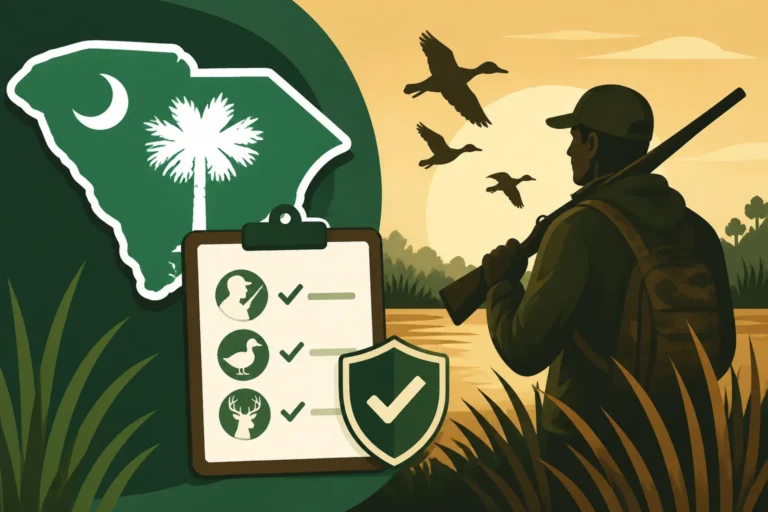
Before you even think about setting decoys or blowing a call, you absolutely must ensure you have all the necessary permits and certifications. Waterfowl hunting, more so than some other forms of hunting, involves a mix of state and federal requirements. Missing even one of these crucial pieces of paper can turn a fantastic day afield into a costly legal headache.
South Carolina Hunting License Requirements
At the very foundation of all hunting activities in our state, you'll need a valid South Carolina hunting license. This isn't just for big game; it's your entry ticket for pretty much all legal hunting activities, including waterfowl. For residents, this typically means a base annual hunting license. Non-residents will need a non-resident annual hunting license or a short-term license option, depending on the length of their stay.
It’s crucial to understand that while the base license allows you to hunt, it doesn't cover all species or specific areas. Think of it as your passport. You'll need other "visas" or endorsements for certain activities, which we'll discuss next. Always carry proof of your license while afield, either a physical copy or an electronic version on your phone, though keep in mind service can be spotty in many prime hunting locations. Making sure your basic license is in order is the first, non-negotiable step to a legal waterfowl hunt.
Federal Duck Stamp – Your Key to Waterfowl
The Federal Migratory Bird Hunting and Conservation Stamp, universally known as the Federal Duck Stamp, is probably the most iconic and essential item for any waterfowl hunter in the United States. If you're 16 years of age or older and plan to hunt migratory waterfowl (ducks, geese, swans, mergansers, coots), you must purchase and carry a current Federal Duck Stamp. It’s not just a permit; it's a direct contribution to conservation. A whopping 98% of the revenue from duck stamp sales goes directly to acquiring and protecting wetlands and waterfowl habitat for the National Wildlife Refuge System.
This stamp is valid from July 1st through June 30th of the following year. You can purchase it online, at most post offices, or at many sporting goods stores like those operated by GoHunt. Once purchased, you must sign it across the face in ink. Even if you purchase an electronic version, you'll typically need to have the physical stamp in your possession within 45 days. This small, beautiful stamp is a badge of honor for waterfowlers, directly tying our passion to the vital work of preserving the places these birds call home.
HIP Certification – Don't Forget It!
Often overlooked but absolutely mandatory for migratory bird hunters is the Harvest Information Program (HIP) certification. This isn't a physical stamp you carry, but rather a brief registration process that collects information about hunters' previous migratory bird harvests. The data collected from HIP helps wildlife agencies estimate the total number of migratory birds harvested each year, which is crucial for setting future season lengths and bag limits.
HIP certification is free, relatively quick, and must be renewed annually. When you buy your South Carolina hunting license, you'll usually be prompted to complete the HIP survey. You simply answer a few questions about what migratory birds you hunted last year and how many you harvested. Once completed, you'll receive a HIP certification number or an endorsement on your hunting license. It's easy to forget, but without it, you're hunting migratory birds illegally. Make sure you complete your South Carolina Migratory Bird Certification every single year.
WMA Permits for Public Land Access
If your waterfowl hunting plans include any of South Carolina's extensive Wildlife Management Areas (WMAs), you'll need an additional permit beyond your standard hunting license and federal stamp: a South Carolina WMA Permit. These permits are crucial for accessing and hunting on the vast tracts of public land managed by the SCDNR across the state, many of which offer fantastic waterfowl opportunities, especially along the coast.
WMAs are managed specifically for wildlife habitat and public hunting, and the funds from WMA permits go directly back into maintaining and improving these critical areas. There are various WMA permit options, including annual resident and non-resident permits. Some WMAs may also have specific quota hunts or drawing systems for waterfowl, particularly in high-demand areas like the ACE Basin. Always check the specific WMA regulations for your chosen hunting spot, as rules can vary greatly from one area to another regarding access, hunting hours, and specific methods. For a detailed breakdown, consult our guide on South Carolina WMA Permit Requirements.
Navigating Bag Limits and Possession Limits
Understanding bag limits and possession limits is non-negotiable for waterfowl hunters. These regulations are in place to ensure sustainable harvest and prevent overexploitation of specific species. Miscounting, misidentifying, or simply being unaware can lead to significant penalties, so let's break down what you need to know.
Daily Bag Limits by Species
The daily bag limit is the maximum number of birds of a certain species, or aggregate of species, that you can harvest in a single day. For ducks, South Carolina typically has an aggregate daily bag limit, meaning a total number of ducks you can shoot, regardless of species. However, within that aggregate limit, there are often species-specific restrictions. For example, the overall duck limit might be six, but within those six, you might only be allowed:
- Mallards: Often no more than 4, which can only include 2 hens.
- Wood Ducks: Usually limited to 3.
- Pintails: Typically 1.
- Redheads: Often 2.
- Canvasbacks: Often 2.
- Scaup: Sometimes a lower limit, or a split season, like 1 for part of the season, then 2 for another part.
- Black Ducks: Typically 1.
These species-specific limits are put in place to protect populations that are more vulnerable or slower to reproduce. It means that even if you haven't reached your overall duck limit, you might have to stop shooting a particular species once you hit its individual limit. This table illustrates some common duck limits; always consult the current SCDNR regulations for the exact, up-to-date numbers.
| Species | Typical Daily Bag Limit (Example, consult current regs) |
|---|---|
| Total Ducks | 6 |
| Mallards | 4 (of which no more than 2 may be a hen) |
| Wood Ducks | 3 |
| Northern Pintails | 1 |
| Canvasbacks | 2 |
| Redheads | 2 |
| Black Ducks | 1 |
| Mottled Ducks | 2 |
| Scaup | 1-2 (split season, check current year) |
| Harlequin Ducks | 0 |
| Brant | 1 |
For geese, limits are usually separate and also vary by species. For example, Canada geese will have one limit (which can be different for resident vs. migratory seasons), while snow and Ross's geese (light geese) typically have very liberal or no daily limits during their conservation order season. Knowing these numbers backward and forward is critical before you even leave the ramp.
Understanding Possession Limits
The possession limit refers to the maximum number of migratory game birds that an individual may have in their possession at any time, whether at home, in camp, or in transit. For most waterfowl species, the possession limit is typically three times the daily bag limit. This rule is designed for hunters who might be on a multi-day trip and want to accumulate birds over several days of successful hunting.
For instance, if the daily duck limit is 6, your possession limit would generally be 18. This means you could hunt for three days, bag six ducks each day, and legally possess all 18, assuming they are properly tagged and stored. However, if you're traveling, especially across state lines, ensure your birds are packaged appropriately, often with at least one fully feathered wing attached to aid in identification during transport, as per federal regulations. Make sure you fully understand South Carolina Duck and Goose Bag Limits before planning any extended hunts.
Youth and Veteran Hunting Days
South Carolina, like many other states, recognizes the importance of recruiting new hunters and honoring those who have served. To that end, special youth hunting days and sometimes veteran/active military hunting days are often established for waterfowl. These special days typically occur on specific weekends, usually outside the regular season framework or during a short "bonus" period.
These opportunities are fantastic for introducing young people to the sport in a less pressured environment. Youth hunters, often under a certain age (e.g., 16 or 17), can typically hunt without needing a hunting license or duck stamp, as long as they are accompanied by a licensed adult mentor who is not hunting. The bag limits on these days are usually the same as the regular season, but the reduced competition and focus on education make them incredibly valuable experiences. Similarly, veteran and active military days offer a chance for those who have served to enjoy the outdoors with special access. Always check the specific dates and rules for these special hunting days, as they are a wonderful way to foster the next generation of conservationists.
Planning Your Waterfowl Hunt by Zone
Once you've got your licenses and stamps in order and you understand the limits, it's time to actually plan where you're going to hunt. South Carolina offers a diverse range of waterfowl habitats, from vast coastal marshes to inland agricultural ponds, and your strategy will definitely shift depending on where you set up your blind.
Coastal Zone Tactics and Considerations
The South Carolina Coastal Zone is world-renowned for its waterfowl hunting, especially in historical rice fields and vast tidal marshes. Areas like the ACE Basin are legendary, drawing huge numbers of birds every winter. If you're hunting the coast, you'll often be dealing with brackish water, strong tidal influences, and abundant cordgrass or flooded agriculture. This environment presents unique challenges and opportunities. Decoy spreads might need to be larger to attract birds in expansive areas, and you'll often be targeting species like green-winged teal, gadwall, wigeon, and even some pintails and divers.
Tidal fluctuations are a huge consideration. What looks like a perfect spot at low tide might be too shallow at high tide, or vice-versa. Understanding the tide charts is non-negotiable. You'll likely use spreaders, jerk cords, and even spinning wing decoys to create motion on the water. Access can also be tricky, often requiring boats, mud motors, or even airboats to reach remote marshes. For those willing to put in the effort, the rewards can be spectacular. You can dive deeper into specific tactics with our guides on Hunting Coastal Marsh Waterfowl and Hunting Coastal Rice Field Edges.
Inland Zone Strategies
Moving away from the coast, the Inland Zone of South Carolina offers its own distinct set of waterfowl hunting opportunities. Here, you'll be focusing more on freshwater environments: beaver ponds, flooded timber along major river systems like the Santee or Congaree, agricultural impoundments, and even smaller farm ponds. While you might not see the sheer numbers of some coastal areas, the quality of the hunting can be excellent, particularly for wood ducks and mallards.
Inland hunting often involves smaller, more intimate setups. Scouting for natural food sources like acorns in flooded timber or waste grain in harvested fields is paramount. Decoy spreads can be smaller and more natural-looking. Calling, especially subtle wood duck whistles and mallard quacks, can be highly effective in the tighter confines of a beaver pond or a flooded cypress stand. Access might be easier, sometimes just requiring a walk-in or a small Jon boat. However, birds can be warier due to less consistent habitat, so being stealthy and mindful of entry and exit routes is crucial. If you're looking for a good starting point, consider Setting Decoys on a Farm Pond for a typical inland scenario.
Utilizing Technology for Scouting
In today's hunting world, technology isn't just a convenience; it's practically a necessity, especially for waterfowl. Mapping applications like onX Hunt or even GoHunt have revolutionized scouting. These apps allow you to view satellite imagery of potential hunting areas, identify water bodies, determine land ownership (crucial for private land or knowing WMA boundaries), and mark potential blinds or access points—all from your couch before you even step foot in the field.
Beyond mapping, real-time weather forecasts are critical for waterfowl. Wind direction and speed directly impact how ducks fly and where they'll land in your spread. Cold fronts can push new birds into the area. Using apps to track these conditions can give you a significant advantage. Furthermore, many state wildlife agencies, including the SCDNR, have online platforms where you can check regulations, season dates, and even harvest reports. Familiarizing yourself with these digital tools can drastically cut down on wasted time and increase your chances of finding birds, particularly when you're hunting unfamiliar territory.
The Importance of Conservation and Ethical Hunting
As waterfowlers, we stand on the front lines of conservation. Our passion for these birds and their habitats drives many of the efforts to protect them. Beyond just following the rules, truly ethical hunting means embracing a mindset of stewardship and respect for the resource.
Contributing to Waterfowl Conservation
Every waterfowl hunter plays a direct role in conservation, often without even realizing it. The most obvious contribution is through the purchase of your Federal Duck Stamp, as we discussed. That money, nearly 100% of it, goes directly to conserving wetlands and purchasing new habitat. But it doesn't stop there. State hunting licenses, WMA permits, and even excise taxes on firearms and ammunition (through the Pittman-Robertson Act) all fund wildlife management and habitat restoration efforts.
Beyond financial contributions, hunters are often the first to notice changes in bird populations or habitat degradation. Many participate in volunteer efforts, from building wood duck boxes to cleaning up public lands. Reporting your harvest data through HIP also provides crucial scientific information. Our commitment to these birds goes far beyond the pull of the trigger; it's about ensuring these magnificent species and the wild places they call home thrive for generations to come. For example, understanding South Carolina Duck Harvest Numbers helps inform future conservation efforts.
Responsible Hunting Practices
Ethical and responsible hunting practices are the bedrock of our tradition. For waterfowl, this means a few key things. First and foremost is positive species identification. Only shoot at birds you can clearly identify as legal game. Avoid "sky busting" – shooting at birds that are out of range. Not only is it ineffective and wasteful of ammunition, but it also educates birds and makes them warier for everyone. Let them work the decoys and get into optimal range for a clean, quick kill.
Secondly, retrieving every bird you shoot is a moral imperative. Wounded birds that aren't recovered are a tragic waste of the resource. This means having a good retriever dog, if possible, or being prepared to wade, paddle, or push through thick cover to find downed game. Being a responsible hunter also means respecting private property, leaving no trace, and being a good ambassador for the sport. It's about demonstrating respect for the birds, the land, and our fellow hunters.
Preventing Waste and Honoring the Harvest
Part of responsible hunting is ensuring that the game you harvest is utilized fully and respectfully. Preventing waste means taking good care of your birds from the moment they hit the water until they're on your plate. In South Carolina's often warm hunting conditions, especially during early season splits, proper cooling and cleaning are paramount to prevent spoilage. Field dress your birds quickly, get them on ice, and process them promptly after the hunt.
Honoring the harvest is also about appreciating the meat. Wild game is a healthy, organic protein source. Experiment with different recipes; don't just default to frying. Whether you're grilling, roasting, or making a savory stew, take pride in preparing the birds you've worked hard to acquire. This approach shows respect for the animal's life and the effort you put into the hunt. It connects you deeply to the food chain and the wild places where these birds live, completing the cycle of a truly ethical and fulfilling hunting experience.
Disclaimer
Disclaimer: This guide is intended for informational purposes only and does not constitute legal advice. Hunting regulations, seasons, and licensing requirements can change annually. It is the individual hunter's responsibility to review and comply with all current federal, state, and local laws and regulations before participating in any hunting activity. Always consult the most recent South Carolina Department of Natural Resources (SCDNR) Waterfowl Regulations and Federal Migratory Bird Hunting Regulations prior to your hunt.