South Carolina’s Two Bear Hunting Zones
Navigating the unique tapestry of South Carolina's hunting regulations can sometimes feel like trying to untangle a stubborn fishing line, especially when it comes to big game like black bears. Many hunters find themselves scratching their heads, wondering why the rules for bears are so different depending on whether you're in the mountains or down by the coast. This comprehensive guide will meticulously break down South Carolina's two distinct bear hunting zones, detailing their unique seasons, specific regulations, and the underlying rationale for these rules, ensuring you're fully prepared and compliant for your next bear hunt.
Understanding South Carolina's Distinct Bear Zones
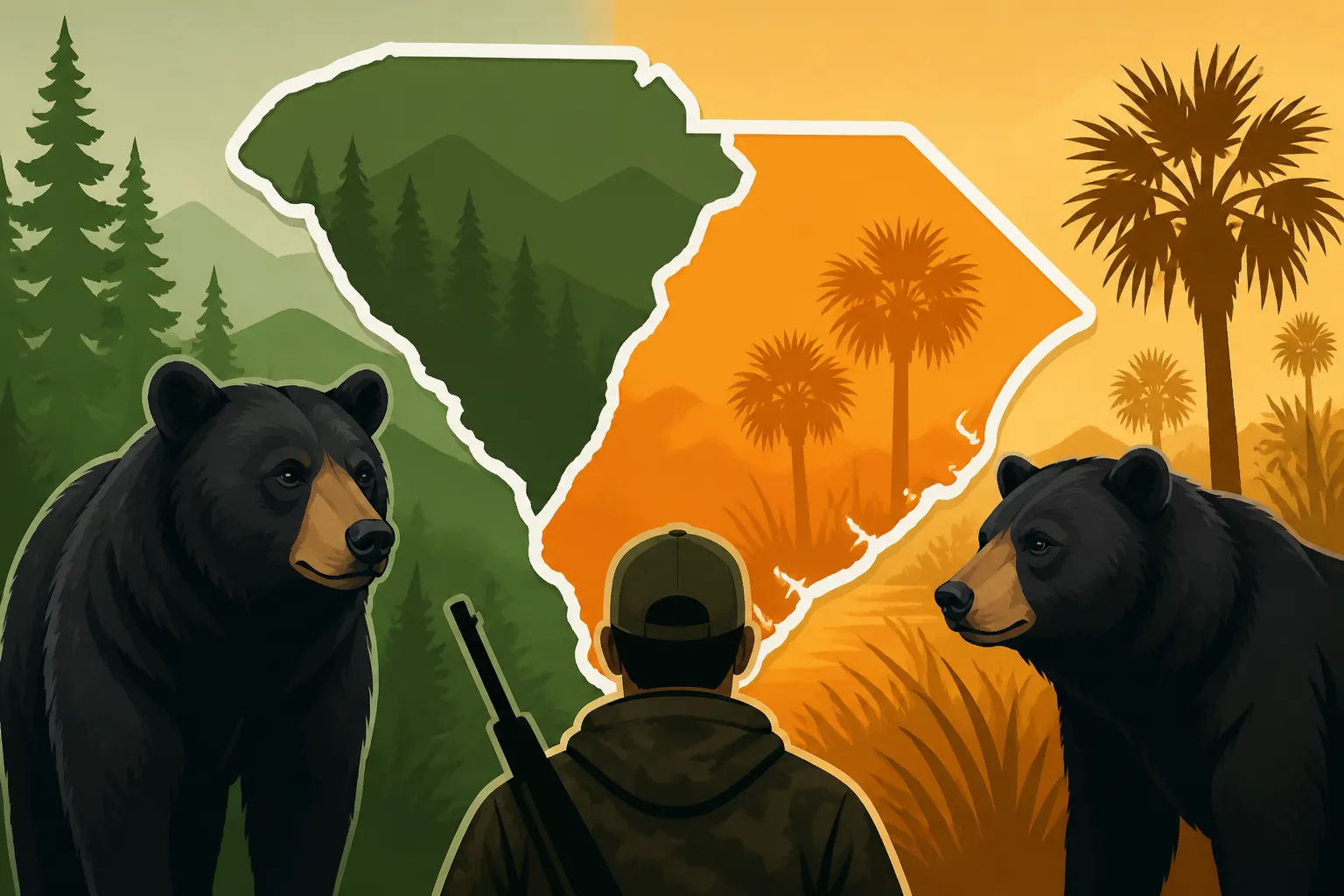
South Carolina, while not traditionally thought of as a primary bear hunting destination like some Western states, actually boasts a thriving black bear population, primarily concentrated in two very distinct regions. The South Carolina Department of Natural Resources (SCDNR) has carefully crafted hunting regulations to reflect the unique biological and ecological characteristics of these two separate populations, leading to the establishment of two primary bear hunting zones: Zone 1 (the Upstate/Mountain Bear Management Area) and Zone 4 (the Coastal Bear Management Area). This dual-zone approach is critical for sustainable management, ensuring that hunting pressure aligns with local bear densities and reproductive rates. Ignoring these distinctions can not only lead to confusion but also potential legal issues, making a clear understanding absolutely essential for any aspiring bear hunter in the Palmetto State.
Why Two Zones? A Historical Perspective
The delineation of two distinct bear hunting zones in South Carolina isn't arbitrary; it's a testament to the state's diverse geography and the historical ebb and flow of its black bear populations. For centuries, black bears roamed across much of the state, but habitat loss, unregulated hunting, and human encroachment in the 18th and 19th centuries severely fragmented their range. By the mid-20th century, viable bear populations were largely isolated to two primary strongholds: the rugged mountains of the Upstate and the vast, dense swamps and coastal islands of the Lowcountry. These two groups, separated by a significant expanse of unsuitable habitat, evolved into largely distinct populations with their own demographic characteristics and ecological pressures.
Recognizing these separated populations, the SCDNR implemented a management strategy that acknowledged these differences. The goal was to foster growth in both populations while allowing for carefully regulated hunting. This historical context explains why a one-size-fits-all approach wouldn't work, and why today's hunter must understand the nuances of each zone. It’s not just about drawing lines on a map; it’s about respecting the resilience of these animals and the dedicated conservation efforts that brought them back from the brink in many areas.
Geographic Boundaries and Key Counties
Pinpointing exactly where these zones begin and end is crucial for any hunter. Zone 1, officially known as the Mountain Bear Management Area, encompasses the mountainous and upper piedmont counties of South Carolina. This includes Oconee, Pickens, and Greenville counties, where the Appalachian foothills begin their dramatic rise. These are areas characterized by steep terrain, dense hardwood forests, and large tracts of public land within the Sumter National Forest. The bears here are often referred to as "mountain bears" and are part of a larger, contiguous population that extends into neighboring North Carolina and Georgia.
Conversely, Zone 4, the Coastal Bear Management Area, covers a sprawling expanse of Lowcountry counties along the Atlantic seaboard. This includes counties like Horry, Georgetown, Berkeley, Charleston, Colleton, Hampton, and Jasper. Here, the landscape transforms into vast river swamps, coastal plain forests, agricultural fields, and barrier islands. These "coastal bears" are accustomed to a very different environment, relying on palmetto thickets, dense pocosins, and river bottomlands for cover and food. Understanding these geographical distinctions is the first step in properly planning your hunt, as the terrain, access, and hunting methods will vary dramatically between these two unique ecosystems.
Diving Deep into Zone 1: The Mountain Bear Population
The Upstate of South Carolina offers a challenging yet incredibly rewarding black bear hunting experience. Zone 1 is defined by its rugged beauty and the dense cover of the Blue Ridge Escarpment. Hunters in this region often talk about the satisfaction of a hard-earned bear, knowing they've navigated some of the most difficult terrain the state has to offer. The bear population here is robust, a testament to decades of careful management and abundant, high-quality habitat. However, with the challenge comes strict regulations, and understanding the specifics of both still-hunting and dog-drive seasons is paramount to success.
Still-Hunting Season Rules and Dates
For many, the idea of pursuing a bear on foot, relying purely on tracking, stealth, and woodsmanship, represents the pinnacle of big game hunting. Zone 1 offers a dedicated Hunting Zone 1 Still-Gun Bear Season for still-hunting, typically held in late October. This season allows hunters to pursue bears without the aid of dogs, emphasizing strategic scouting and silent movement through the dense mountain forests. The still-hunting season is relatively short, usually spanning about a week, and is restricted to specific days within that window, often Tuesday through Saturday.
Hunters must meticulously check the SCDNR regulations each year for precise dates, as they can sometimes shift slightly. During this period, successful hunters typically focus on areas with abundant mast crops, such as oak ridges where acorns are falling, or along creek bottoms where bears might be foraging. Success often hinges on pre-season scouting, locating natural food sources, and understanding bear travel corridors. It's a physically demanding hunt, requiring good conditioning and a deep understanding of the local topography.
Dog Drive Season Rules and Dates
While still-hunting appeals to a certain type of hunter, the tradition of hunting bears with hounds runs deep in the Southern Appalachians, and Zone 1 accommodates this heritage with a distinct dog drive season. Following the still-hunting season, the Hunting Zone 1 Bear Dog Drives commence, typically for a period of about two weeks, also with specific hunt days. This method involves using trained bear hounds to track, tree, or bay a bear, allowing hunters to then approach and harvest the animal. This is a highly social and cooperative form of hunting, often involving multiple participants, each with a specific role in managing the dogs, setting up stands, or maneuvering through the woods.
Regulations for dog drives are particularly stringent, emphasizing animal welfare and public safety. Hunters must adhere to strict guidelines regarding the number of dogs, dog box requirements, and ethical pursuit. The use of GPS collars on hounds is standard practice, allowing handlers to track their dogs in the vast and often unforgiving mountain terrain. This method, while controversial to some, is a deeply ingrained part of the hunting culture in the Upstate and, when conducted ethically, can be an effective management tool. Just like still-hunting, verifying the exact dates and specific rules for the dog season with SCDNR each year is non-negotiable.
WMA Specifics in the Mountains
A significant portion of Zone 1's prime bear habitat falls within public lands, primarily managed as part of the Sumter National Forest and designated as Wildlife Management Areas (WMAs). Hunting on these WMAs comes with an additional layer of regulations that hunters must understand beyond the statewide bear zone rules. For instance, specific WMAs within the Andrew Pickens Ranger District or the Long Cane Ranger District may have their own unique draw hunts, quota limits, or access restrictions. It’s not enough to simply have your bear tag; a valid South Carolina WMA Permit Requirements is also essential for hunting on these public grounds.
Before venturing into a WMA, hunters should always consult the individual WMA brochures or maps provided by the SCDNR. These resources detail everything from open dates, legal weapons, and ATV restrictions to camping regulations and specific entry points. Some areas might be closed to vehicle traffic, requiring long walks, while others may have sign-in/sign-out procedures. Utilizing mapping apps, especially those with WMA overlay features like some offered through platforms like GoHunt, can provide invaluable insight into property boundaries, specific WMA lines, and potential bear sign, helping you navigate these complex public lands effectively. The diligence in understanding these WMA-specific rules can make or break a successful and legal bear hunt in the South Carolina mountains.
Exploring Zone 4: The Coastal Bear Population
Shifting gears from the rugged mountains, Zone 4 presents an entirely different challenge and experience for bear hunters. The Lowcountry's coastal plain, with its sprawling swamps, dense pocosin thickets, and agricultural fields, hosts a separate and equally robust black bear population. These "swamp bears" are masters of their environment, often moving through incredibly dense cover that can be nearly impenetrable to humans. Hunting here requires a different set of skills, an understanding of tidal influences, and a willingness to get wet and muddy.
Coastal Bear Season Rules and Dates
The Zone 4 Coastal Bear Season Rules typically offers a much shorter hunting window than Zone 1, often limited to just a few specific days, usually in October. This brevity reflects the unique dynamics of the coastal bear population and the challenges of managing hunting pressure in this diverse landscape. Due to the limited season, successful coastal bear hunting often requires intense pre-season preparation and scouting. Hunters need to be acutely aware of natural food sources, which might include anything from palmetto berries and wild grapes to agricultural crops like corn or soybeans planted along the swamp edges.
Unlike the Upstate, dog drives are often the predominant and most effective method for hunting bears in the thick, often flooded, coastal habitat. The dense cover makes still-hunting extremely difficult and often impractical, though it may still be legal in certain areas. Verifying the exact dates and the legal methods for the coastal bear season each year through the SCDNR's official channels is absolutely critical. Missing a single day can mean missing the entire season, so precise planning is essential.
Unique Challenges of Coastal Bear Hunting
Hunting bears in the Lowcountry is an experience unlike any other. The terrain itself presents the most significant challenge. Vast river swamps, often choked with cypress, tupelo, and thick underbrush, are common. The ground can be soft, muddy, and even underwater, especially after heavy rains or during high tides. This means hunters often contend with difficult footing, requiring specialized gear like high-quality rubber boots or waders. The sheer density of the vegetation also severely limits visibility, making shot opportunities fleeting and tracking a downed bear incredibly arduous.
Another unique aspect is the presence of other wildlife, including venomous snakes and alligators, which adds an element of heightened awareness to every step. Moreover, access can be a major hurdle; many prime bear habitats are remote, requiring boats, ATVs, or extensive hiking through difficult terrain. Hunters must also contend with the notoriously aggressive Lowcountry mosquitoes and other biting insects, especially in the warmer early fall. All these factors combine to make coastal bear hunting a truly demanding, but ultimately rewarding, pursuit for those who embrace the wilderness.
WMA Regulations in the Lowcountry
Just like in the Upstate, a substantial portion of the productive coastal bear habitat is found within Wildlife Management Areas. These WMAs, such as Webb Wildlife Center, Donnelley Wildlife Management Area, and parts of the Francis Marion National Forest, offer critical public access for bear hunting. However, these areas come with their own distinct set of rules and often require special quota permits due to the intense demand for access and the need to manage hunting pressure carefully. Many coastal WMAs have extremely limited draw hunts for bear, making successful application a stroke of luck.
Hunters wishing to pursue bears on these coastal WMAs must not only possess the standard South Carolina Bear Tag Requirements but also apply for and be drawn for these highly coveted quota permits. The application windows are strict, and missing them means missing your chance for the season. Once drawn, there are often specific check-in procedures, hunt area boundaries, and reporting requirements unique to that WMA. Comprehensive scouting, whether on foot or by boat, is essential to locate productive areas within these WMAs. Hunters should plan to spend considerable time pre-season reviewing maps, checking SCDNR websites, and understanding the specific nuances of the particular WMA they intend to hunt, as well as considering tools like GoHunt for mapping and regulations.
Key Differences in Regulations Between Zone 1 and Zone 4
The existence of two distinct bear hunting zones naturally leads to a set of regulatory differences that hunters absolutely must understand. These distinctions are not arbitrary; they are carefully crafted by the SCDNR to align with the biological needs and population dynamics of the bears in each region, as well as the local ecological conditions. Ignoring these differences can lead to significant penalties, from fines to loss of hunting privileges. Therefore, a side-by-side comparison is essential for anyone planning a bear hunt in South Carolina.
Bag Limits and Reporting Requirements
One of the most critical differences lies in the annual bag limit. For Zone 1 (Upstate), hunters are typically allowed to harvest one bear per season. However, this is further constrained by statewide regulations, meaning that even if you hunt both zones, you can only take one bear annually across all of South Carolina. For Zone 4 (Coastal), the bag limit is also generally one bear per season. The key is that once you harvest a bear in either zone, your bear tag for the year is fulfilled, and you cannot harvest another. This emphasizes the conservation-minded approach to managing these populations.
Furthermore, reporting requirements are incredibly strict and uniform across both zones. Any harvested bear, regardless of which zone it was taken from, must be immediately reported to the SCDNR through their Game Check system. This typically involves tagging the bear at the kill site and then reporting the harvest online or via phone within 24-48 hours, often providing details such as county, date, and method of harvest. This data is vital for wildlife biologists to monitor population trends, harvest rates, and ensure the long-term health of South Carolina's black bear populations. Failure to properly report a harvest can result in severe penalties.
Weapon Restrictions and Legalities
While the general statewide hunting regulations for firearms apply, there are specific considerations for bear hunting that might implicitly differ between the zones due to the preferred hunting methods. In both zones, legal firearms for big game, such as centerfire rifles of at least .243 caliber, shotguns with slugs, and muzzleloaders, are permissible. Archery equipment (bows and crossbows) is also legal. However, the practical application often varies.
In Zone 1's still-hunting season, rifles are a common choice due to potential longer shot distances in mountainous terrain, though crossbows are also popular. When participating in a Hunting Zone 1 Bear Dog Drives, hunters typically carry shotguns loaded with slugs or handguns, as shots are often taken at close range on treed or bayed bears. In Zone 4, due to the extremely dense cover and the prevalence of dog drives, shotguns with slugs or powerful handguns are overwhelmingly the most practical and common choices. The thick brush makes rifle hunting challenging, as visibility is severely limited. Always ensure your chosen weapon meets South Carolina's minimum requirements for big game and is appropriate for the conditions you'll be hunting in.
| Feature | Zone 1 (Upstate/Mountain) | Zone 4 (Coastal) |
|---|---|---|
| Primary Counties | Oconee, Pickens, Greenville | Horry, Georgetown, Berkeley, Colleton, Hampton, Jasper |
| Typical Season | Late October (Still-Hunt & Dog Drive) | Late October (Very short, often dog drives) |
| Season Duration | Approx. 1 week still-hunt, 2 weeks dog drive | A few days (historically) |
| Bag Limit | One bear per hunter, statewide | One bear per hunter, statewide |
| Primary Methods | Still-hunting, Dog Drives | Primarily Dog Drives (due to cover) |
| Terrain | Mountains, dense hardwood forests | Swamps, pocosins, coastal plain forests, agricultural fields |
| Access | Sumter National Forest WMAs, private | WMAs (quota hunts), private |
| Reporting | Mandatory via SCDNR Game Check | Mandatory via SCDNR Game Check |
Obtaining Your South Carolina Bear Tag and Permits
Securing the necessary tags and permits is a fundamental step that no hunter can afford to overlook. The process can sometimes feel a bit convoluted, especially for newcomers or those unfamiliar with South Carolina's system. However, failing to properly obtain your bear tag and any additional required permits before heading afield will swiftly transform a planned hunting adventure into a costly legal predicament. The SCDNR has streamlined much of this process through online portals, but understanding the specific requirements for bear hunting remains crucial.
Purchasing Your Bear Tag
To legally hunt black bear in South Carolina, every hunter, whether resident or nonresident, must possess a valid South Carolina hunting license and a specific bear tag. The general hunting license is your foundational credential, granting you the right to hunt within the state according to regulations. Beyond that, the bear tag is a separate purchase, specifically designated for bear harvest. This tag is often a physical tag that must be attached to the bear immediately upon harvest.
You can purchase your hunting license and bear tag through the SCDNR's Go Outdoors SC portal, which is a convenient online platform. Many hunters find the interface on GoHunt intuitive for managing their licenses and understanding specific regulations for each zone, making it a valuable tool to navigate the purchasing process. It’s imperative to buy your bear tag before the season opens and to ensure it’s in your possession when you go hunting. These tags are non-transferable and specific to the hunter who purchased them. Always double-check that you have the correct year's tag, as regulations and tags expire annually. Remember, this bear tag is a statewide tag, meaning it's valid in either Zone 1 or Zone 4, but only for one bear harvest per year. If you're a nonresident, make sure you understand the South Carolina Nonresident Big Game Permit Cost as well, which will be higher than for residents.
WMA Permits for Bear Hunts
For those planning to hunt on public lands, specifically Wildlife Management Areas (WMAs), an additional permit is almost always required. This is known as a WMA permit, and it grants you access to hunt on designated WMA properties. While your general hunting license and bear tag allow you to hunt bear on private land (with permission) or open National Forest land, WMAs often have more restrictive rules to manage hunting pressure and conserve resources.
Some WMAs offer general public access for bear hunting during the statewide season, provided you have your WMA permit. However, many of the most productive bear hunting WMAs, particularly in the coastal Zone 4, operate under a quota hunt system. This means hunters must apply in advance for a limited number of slots, and if drawn, they receive a specific WMA permit that allows them to participate in that particular hunt. These quota hunts are highly competitive, and the application deadlines are strict. You can find information on these quota hunts and apply through the Go Outdoors SC portal. Whether it's a general WMA permit or a specific quota hunt permit, always carry proof of your WMA permit while hunting on these lands. Checking the latest season dates and bag limits is crucial, and reliable resources like the official SCDNR site or GoHunt can help you stay informed about application periods and requirements.
Habitat, Biology, and Population Management in Each Zone
Understanding the regulations is one thing, but truly grasping the "why" behind them requires a look into the distinct habitats, biological characteristics, and population management strategies employed in each zone. South Carolina's black bear populations are a conservation success story, and their continued health is a direct result of tailored management plans that consider the specific nuances of mountain versus coastal ecosystems.
Upstate Mountain Habitat and Bear Behavior
The Upstate's Zone 1 is characterized by the southern reaches of the Appalachian Mountains, dominated by mature hardwood forests—oaks, hickories, and other mast-producing trees—interspersed with rhododendron and mountain laurel thickets. This habitat provides excellent cover and a consistent food source, especially acorns, which are a critical component of the mountain bear's diet. These bears, part of a larger population that extends into neighboring states, typically den in tree cavities, rock crevices, or dense brush piles, often at higher elevations.
The behavior of these bears is largely influenced by food availability. In good mast years, bears may concentrate in specific areas, making them more predictable. In poor mast years, they might range more widely in search of alternative foods, including agricultural crops in valley floors or even venturing into suburban areas, leading to increased human-bear conflict. Their foraging patterns, denning habits, and reproductive rates are all carefully monitored by SCDNR biologists through studies that provide data on Where Upstate Mountain Bears Range. This understanding informs annual season adjustments and ensures that hunting pressure is sustainable for the population.
Coastal Swamp and Island Habitat
In stark contrast, Zone 4's coastal habitat is a mosaic of vast river floodplains, intricate tidal swamps, dense pine flatwoods, and unique barrier island ecosystems. Food sources here are incredibly diverse, ranging from palmetto berries, wild grapes, and various wetland plants to agricultural crops like corn, soybeans, and peanuts. Bears in this region are often adept swimmers, navigating the complex waterways and utilizing isolated islands for refuge and denning. Their dens might be in large hollow cypress trees, dense palmetto thickets, or even beneath large root balls in the swamp.
The population dynamics of coastal bears are heavily influenced by water levels and human development. With significant agricultural activity and growing coastal communities, human-bear interactions are frequent. SCDNR closely monitors the coastal bear population, assessing factors like cub survival, breeding rates, and movements, which helps them understand Where Coastal Swamp Bears Range. The sheer density of the vegetation makes traditional population counts challenging, so biologists rely on a variety of methods, including camera traps and genetic sampling, to estimate numbers. The shorter, more restrictive season in Zone 4 reflects a more cautious approach to managing a population that, while healthy, often lives in closer proximity to people and faces unique habitat pressures.
Population Trends and Health
Both the Upstate and Coastal black bear populations in South Carolina are currently considered healthy and stable, if not increasing. This is a significant success story for wildlife conservation in the state. Historically, bear numbers were much lower, and through careful management, habitat protection, and regulated hunting, they have rebounded impressively. The SCDNR continuously monitors these populations, utilizing data from harvest reports, roadkill incidents, and research studies (including DNA analysis and cub surveys) to assess their overall health.
Factors such as reproductive success, cub survival rates, and overall population density are key metrics. For instance, biologists might look at poult-to-hen ratios for turkeys, but for bears, they focus on similar metrics for cubs. While both populations are thriving, they face different challenges. Upstate bears contend with habitat fragmentation from development and potential conflicts with agriculture, while coastal bears face pressures from coastal development, vehicle collisions, and agricultural damage. The distinct hunting regulations in each zone are a direct reflection of these ongoing assessments, designed to maintain healthy populations while providing hunting opportunities and mitigating human-bear conflicts. This continuous monitoring is a critical part of ensuring that hunters can continue to enjoy Hunting South Carolina Black Bear Without Bait for generations to come.
Planning Your Hunt: Tactics and Considerations for Each Zone
Successfully hunting a black bear in South Carolina requires more than just knowing the rules; it demands thoughtful planning, appropriate tactics, and a deep respect for the animal and its environment. Given the stark differences between Zone 1 and Zone 4, your approach to scouting, gear, and strategy will need to be equally distinct.
Scouting and Pre-Season Prep for Zone 1
For the still-hunter in Zone 1, pre-season scouting is paramount. The mountainous terrain can be unforgiving, and understanding bear movement patterns before the season opens significantly increases your chances. Start by identifying areas with abundant mast crops, such as oak ridges or stands of hickory, which provide primary food sources. Look for fresh bear sign: tracks, scat, overturned rocks, and claw marks on trees. Bear rubs on trees, often saplings, where bears scratch their backs, can also indicate active areas. Focusing on these high-activity zones, particularly those near dense cover or water sources, is a smart strategy.
Considering the steep terrain, physical conditioning is important. You’ll likely be covering many miles on foot, often off-trail. Utilize topographical maps and GPS units, or advanced hunting apps like GoHunt, to identify natural funnels, saddles, and potential bedding areas that bears might use. Pay close attention to wind direction and thermals, which can dictate a bear's movement and your approach. Since the still-hunting season is relatively short, having several pre-scouted locations can be advantageous, allowing you to adapt to changing conditions or shifting food sources. Being familiar with the layout of Sumter National Forest, including areas like the Reading a Ridge for Upstate Deer which often have bear activity, will give you a significant edge.
Coastal Scouting and Access for Zone 4
Scouting for coastal bears in Zone 4 presents a wholly different set of challenges. The dense, often flooded, environment means that traditional "boots on the ground" scouting can be extremely difficult. Aerial maps, satellite imagery, and even drone footage can be invaluable for identifying potential travel corridors through swamps, islands, and agricultural field edges. Look for areas where dense cover meets food sources, such as palmetto thickets bordering cornfields or hard-bottom ridges within a vast swamp.
Water access is frequently a key consideration. Many prime coastal bear habitats are only reachable by boat, kayak, or canoe. Scouting from the water can reveal tracks and sign along creek banks or on small islands that would be impossible to access otherwise. If hunting with dogs, communicating with dog handlers about active areas and known bear haunts is crucial. Due to the extreme density of cover, setting up trail cameras on established game trails or near known food sources can be an effective way to identify active bear areas and gauge their size and frequency of movement. Always prioritize safety in this environment; inform others of your plans, carry appropriate safety gear, and be prepared for potential encounters with other wildlife. Understanding tactics like Hunting a Funnel Between Two Swamps can apply to bear as well as deer in this environment.
Ethical Hunting Practices and Bear Recovery
Regardless of the zone, ethical hunting practices are paramount when pursuing black bears. This includes ensuring a clean, humane kill by taking responsible shots, thoroughly tracking any wounded animal, and respecting the animal after the harvest. Given the effort involved in bear recovery and management in South Carolina, every hunter has a responsibility to act as a steward of the resource. This also extends to understanding and abiding by all regulations, including blaze orange requirements, which are crucial for safety during Deer Drives With Three or Four Hunters or bear dog drives in both zones.
Beyond the hunt itself, participating in conservation efforts, such as reporting unusual bear sightings, assisting with SCDNR studies if requested, or simply educating others about bear biology, contributes to the overall health of the population. Proper meat care is also a critical ethical consideration, especially in South Carolina's warm climate. Field dressing quickly, cooling the carcass, and using game bags are essential to ensure the meat is not wasted. Your actions afield directly impact the perception of hunting and the future of bear populations in the state.
Conservation Efforts and the Future of South Carolina Bears
The thriving black bear populations in South Carolina are a testament to successful conservation and adaptive management strategies. However, the work is never truly done. The SCDNR, in partnership with hunters, landowners, and other stakeholders, continues to monitor, research, and adapt their approaches to ensure these magnificent animals continue to thrive.
SCDNR Management Strategies
The South Carolina Department of Natural Resources (SCDNR) employs a multi-faceted approach to black bear management, centered on science-backed decisions. This includes extensive population monitoring through various techniques like mark-recapture studies, genetic analysis, and citizen-science reporting of bear sightings. They track harvest data meticulously, which is why your accurate Game Check report is so vital, to determine population trends and inform future season structures. Furthermore, the SCDNR actively manages habitat on public lands, using techniques such as prescribed burning to enhance natural food sources and improve overall forest health.
A significant aspect of their strategy also involves managing human-bear conflict. As bear populations expand and human development encroaches on bear habitat, conflicts inevitably arise. The SCDNR provides public education on how to coexist with bears, offers advice on securing attractants (like garbage and pet food), and responds to nuisance bear calls. Their goal is to maintain a healthy bear population while minimizing negative interactions with people. This comprehensive strategy ensures that both hunting opportunities and the ecological role of bears in South Carolina are sustained.
Challenges and Successes
South Carolina's black bear conservation journey has seen both significant challenges and remarkable successes. A major success has been the impressive rebound of both the Upstate and Coastal populations from historical lows. This demonstrates the effectiveness of restrictive hunting regulations when populations are vulnerable, coupled with habitat protection and public support. The establishment of designated bear management zones, with tailored regulations, has been a key factor in this recovery.
However, challenges persist. Habitat fragmentation due to development, particularly in the rapidly growing coastal region, continues to be a concern for coastal bears. Vehicle collisions are another significant mortality factor for bears in both zones, as they traverse human-dominated landscapes. Managing human-bear conflicts remains an ongoing challenge, requiring continuous public education and outreach. Climate change and its potential impacts on mast crops and denning behaviors also present future uncertainties. Despite these hurdles, the current health of South Carolina's black bear populations stands as a powerful testament to dedicated conservation efforts, showing what's possible when wildlife management is prioritized.
Hunter's Role in Bear Conservation
Hunters play an indispensable role in the ongoing conservation of South Carolina's black bear populations. Firstly, the revenue generated from hunting licenses and bear tags directly funds the SCDNR's wildlife management programs, including bear research, habitat work, and enforcement. This "user pays" model is a cornerstone of wildlife conservation in North America. Secondly, hunters provide critical data through their mandatory harvest reports. This information is invaluable for biologists to monitor population health, age structures, and reproductive rates, directly influencing future management decisions.
Beyond financial contributions and data, ethical hunters act as eyes and ears in the field, often being the first to observe changes in wildlife populations or habitat conditions. They are often strong advocates for habitat preservation and responsible land use. By adhering strictly to regulations, practicing fair chase, and respectfully interacting with both the wildlife and the non-hunting public, hunters reinforce their vital role as conservationists. The future of South Carolina's black bear hunting and the health of the populations depend on the continued commitment and responsible actions of its hunting community.
Disclaimer
Please note that hunting regulations, season dates, and permit requirements are subject to change annually. Always consult the most current South Carolina Department of Natural Resources (SCDNR) official publications or website before planning any hunting activity. This guide is for informational purposes only and does not supersede official state regulations.