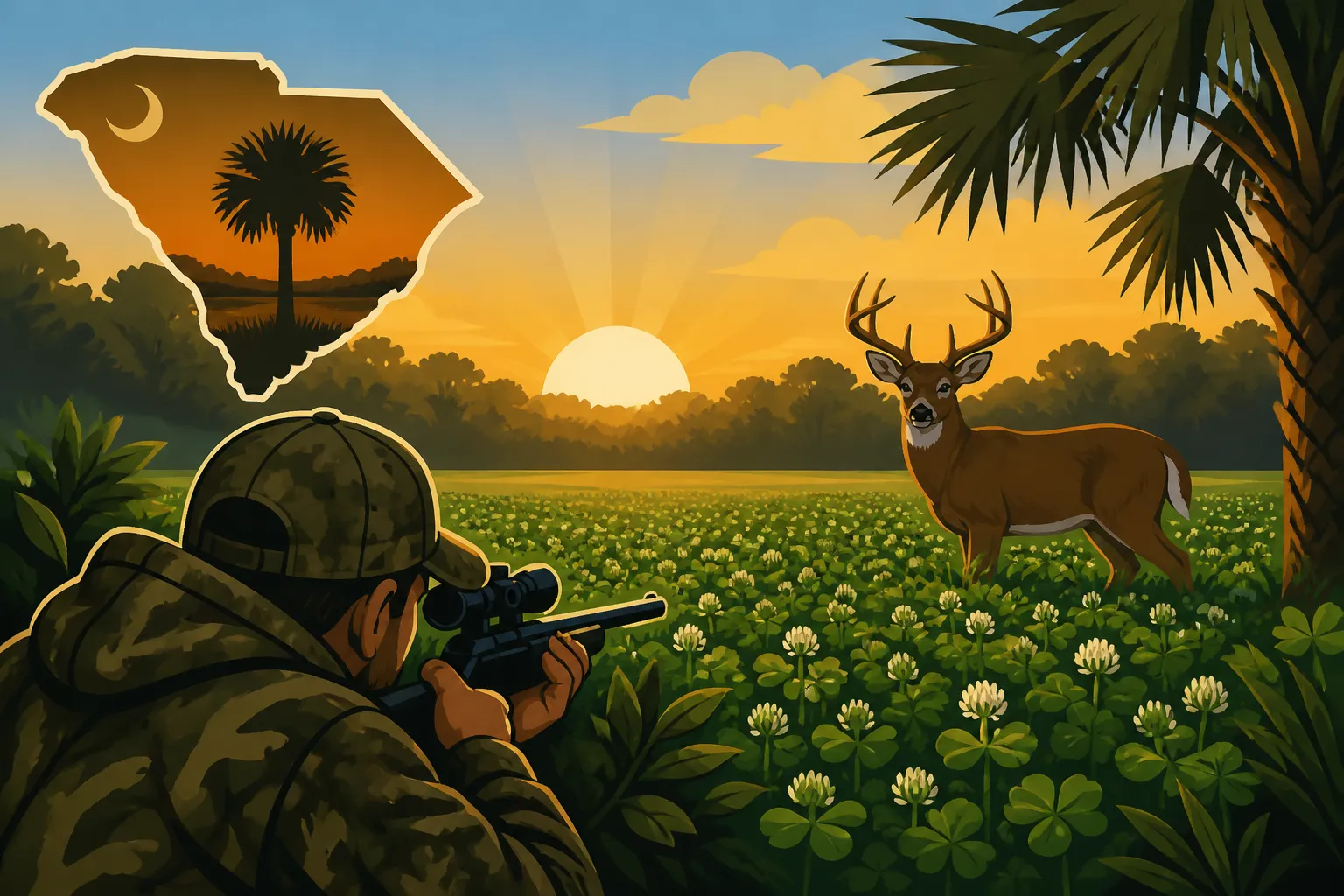
Hunting a Clover Plot at First Light
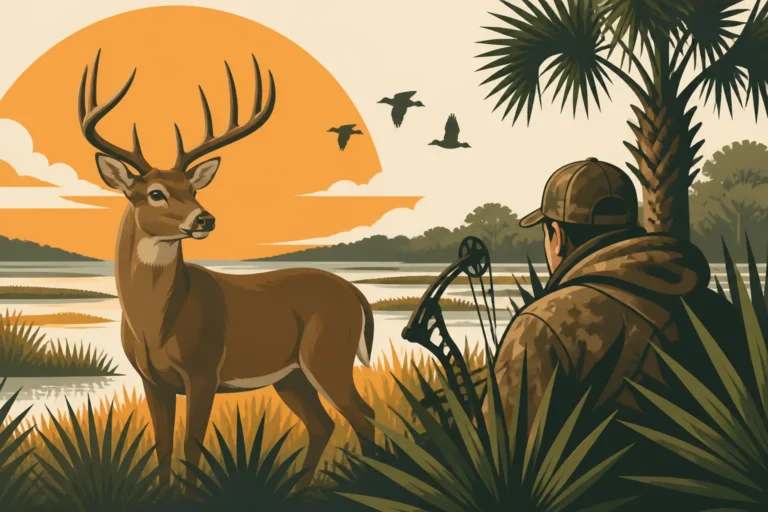
There’s a special kind of anticipation that comes with slipping into your stand or blind well before dawn, knowing you’re overlooking a lush green clover plot. But let's be honest, those prime first-light opportunities don't just happen by accident. You’ve put in the work, planted the seed, and now you’re hoping it pays off. The frustration hits when deer seem to vanish into thin air right at shooting light, or worse, you spook them on the way in. This guide is all about turning those early morning uncertainties into consistent success by meticulously breaking down how to effectively hunt a clover plot at first light in South Carolina.
Why Clover Plots Are a First-Light Magnet in South Carolina
When it comes to drawing deer, especially during those magical first hours of the day, few food sources compare to a well-maintained clover plot here in the Palmetto State. Deer are constantly looking for high-quality forage, and clover provides exactly that. It’s not just a passing fancy for them; it’s a consistent, attractive meal.
Nutritional Value and Year-Round Appeal
Clover is a powerhouse of nutrition for whitetails. It’s packed with protein, which is absolutely vital for antler growth in bucks and milk production for lactating does, not to mention overall herd health. Unlike some annual food plots that fade after a frost, perennial clover varieties can provide forage for much of the year, making them a reliable pit stop for deer. Think about it: a buck that’s been working scrapes and chasing does all night, or a doe trying to keep her fawns well-fed, is going to seek out the easiest and most nutritious meal available. A fresh, dewy clover plot fits that bill perfectly, drawing them in during the low-light hours when they feel safest. It offers a consistent food source when natural browse might be less palatable or plentiful, especially as other agricultural fields get harvested.
Ideal Conditions in South Carolina
South Carolina’s climate often works in our favor when it comes to growing impressive clover plots. Our mild winters mean longer growing seasons for many clover varieties, and while summer can be tough, proper management ensures they bounce back. We have a variety of soils across the state, from the sandy coastal plains to the richer loams of the Piedmont, and with a little soil testing and the right amendments, you can establish a thriving plot almost anywhere. Different types of clover, like Ladino or Durana, are particularly well-suited to our conditions, offering palatability and persistence. This consistent availability means deer grow accustomed to finding a reliable meal in these locations, making them habitual visitors right at dawn.
Scouting Your Clover Plot for Early Morning Success
You can plant the prettiest clover plot in South Carolina, but if you don't know how deer are using it, you're just guessing. Effective scouting isn't about just finding deer; it's about understanding their habits, their preferences, and their travel routes around your specific plot. This detailed knowledge is the foundation for a successful first-light hunt.
Reading the Sign Around the Edges
Deer rarely just appear in the middle of a plot. They use specific entry and exit points, and these routes will be littered with clues if you know what to look for. Start by walking the perimeter of your plot, expanding into the surrounding timber and thickets. Look for fresh tracks in the mud or soft dirt, especially those indicating travel into the plot. Scat piles can tell you how recently deer have been in the area and give you an idea of their diet. Also, pay close attention to rubbed trees and established trails, as these indicate regular travel corridors. A buck might rub a small sapling on his way out of the plot after an early morning feed.
Remember, fresh sign is key. If you're seeing tracks from a week ago, that doesn't necessarily mean deer are still using that path today. This is where tools like the GoHunt app can be invaluable. Use it to mark fresh sign, trails, and potential bedding areas you identify. You're trying to piece together a puzzle of deer movement. Understanding how to differentiate between old and new activity is critical, much like when you're Reading South Carolina Mud for Fresh Deer Movement. If you notice a particular trail consistently has fresh tracks leading directly to the clover, you’ve found a high-probability entrance.
Identifying Entry and Exit Routes
Deer are masters of efficiency and security. They'll typically use the path of least resistance that also offers maximum cover. For a first-light hunt, you want to identify the routes they take into the plot just before or right at legal shooting light. These are often trails that lead from nearby bedding cover—a thick pine plantation, a dense swamp, or a secluded hardwood bottom—directly to the plot.
When you're studying these routes, think about the wind and thermals. In the mornings, thermals typically fall, meaning cool air sinks and flows downhill. This can pull your scent down into a low-lying clover plot if you're set up on a ridge above it. Conversely, if deer are approaching from higher ground, their scent might be carried away from your setup. Identifying these predictable patterns is paramount. Use a mapping app like GoHunt to mark potential staging areas—thick pockets of cover just off the plot where deer might mill around for a few minutes before stepping into the open. Having a clear understanding of these pathways and their relationship to the wind is as important as understanding Wind and Thermals on an Upstate Ridge in mountain country.
Understanding Deer Movement Patterns
Deer aren't always predictable, but they do follow general patterns influenced by factors like time of year, weather, and hunting pressure. During the early season, when the weather can still be quite warm, deer might hit clover plots in the darkest parts of the morning and evening, retreating to cool, thick cover during the day. As the season progresses, especially after a cold front, deer might feed longer into the morning as their caloric needs increase.
It’s also crucial to consider the broader South Carolina Deer Season Structure Explained and how the rut might affect these patterns. During the rut, bucks might cruise clover plots more frequently, not just for food, but for does. Regularly checking trail cameras overlooking your plot and its entry points can give you invaluable insight into what time deer are arriving and which specific deer are using the plot. This intelligence, combined with knowledge of the local South Carolina Deer Population Estimate, helps you fine-tune your ambush strategy for that fleeting first-light window.
Strategic Setup: Positioning for a First-Light Shot
Once you've done your homework scouting, the next critical step is choosing where to place your stand or blind. A perfectly located setup will maximize your shooting opportunities while minimizing your chances of being detected. This is where strategy and an intimate knowledge of your hunting area truly pay off.
Optimizing Wind and Thermals
The wind, and more specifically, morning thermals, are your biggest considerations for a first-light clover plot hunt. As the sun begins to warm the earth, air currents change dramatically. Typically, cool, dense air will flow downhill and settle into low-lying areas. If your clover plot is in a bottom, your scent will likely be pulled down into it as you sit. This means you need to position yourself not just downwind of where you expect deer to approach, but also mindful of how your scent might drop into their feeding zone.
Ideally, you want to be positioned so that your scent blows away from any expected deer approach and also away from their bedding areas. This might mean setting up on a slight rise just off the plot, allowing your scent to rise or blow over the top of the feeding deer. Always check the forecast and use a wind checker frequently. Remember that swirling winds are common in valleys and bottoms, especially right at dawn, so having multiple setup options or a truly strategic single spot is key. This attention to detail is vital for any successful hunt, especially when considering a Warm-Weather Sitting Strategy in South Carolina during the early archery season.
Treestands Versus Ground Blinds
The choice between a treestand and a ground blind largely depends on the specific characteristics of your clover plot and the surrounding cover.
-
Treestands: If your plot is surrounded by mature timber with suitable trees, a treestand offers several advantages. Getting elevated helps you get your scent above the deer's nose, especially once thermals begin to rise. It also provides a wider field of view, which is excellent for scanning the entire plot and anticipating deer movement. A well-placed treestand, camouflaged against the canopy, can make you virtually invisible. However, treestands require suitable trees, can be noisy to get into, and expose you to the elements. Make sure your stand is safely secured and positioned for the wind. Thinking about Treestand Setups in Francis Marion National Forest offers valuable insights that can be adapted to your private land clover plot. You need to ensure your approach route to the stand won't spook deer already near the plot.
-
Ground Blinds: Ground blinds offer excellent concealment, warmth, and a comfortable sit, making them ideal if good trees are scarce or if you need to hunt with a crossbow or a youth hunter. They allow you to hide movement more effectively and block wind. You can brush them in with natural vegetation for superb camouflage. However, scent control is even more critical in a ground blind, as your scent cone starts lower to the ground. They can also be a visual obstruction if not properly placed and brushed in. Placing a ground blind requires careful planning, often several weeks in advance, to allow deer to get used to its presence. For tips on maximizing concealment and scent control, consider principles similar to Using a Ground Blind on South Carolina Public Land. Ensure your shooting lanes from a ground blind are clear and that you have a solid backdrop for concealment.
Managing Your Approach and Exit
This is perhaps the most overlooked, yet critical, aspect of first-light hunting. If you spook deer on your way to the stand, your hunt is over before it even begins. Your approach route should be meticulously planned, considering wind direction, available cover, and minimizing noise.
Always aim to arrive at least an hour, preferably an hour and a half, before legal shooting light. This gives you ample time to get to your setup, settle in, and allow the woods to calm down around you. Use natural cover like creek beds, drainage ditches, fencerows, or dense timber to mask your movement. Avoid walking directly through open areas or across high-traffic deer trails. Use GoHunt to map out a quiet, concealed route to your stand. You want to avoid silhouetting yourself against the sky or skylining on a ridge.
Your exit strategy is just as important. If you bump deer on your way out, you risk educating them and making them wary of the plot in the future. If possible, wait until later in the morning when deer have typically moved back to bedding areas, or plan an exit route that goes completely opposite to where deer are likely to bed. Never assume the deer have left just because you haven't seen them. Patience on entry and exit will pay dividends for future hunts on that prime clover plot.
Tactics for Hunting Clover Plots at First Light
With your plot established, scouting complete, and stand or blind perfectly set, it's time to execute. Hunting a clover plot at first light demands patience, readiness, and the ability to adapt. These tactics will help you capitalize on those precious moments when deer are most active and vulnerable.
Patience and Early Arrival
The biggest mistake a hunter can make on a first-light hunt over a clover plot is arriving late. Deer, especially mature bucks, often filter into open plots during the last hour of darkness, feeling secure under the cover of night. By the time legal shooting light arrives, they may already be feeding or, worse, starting to move back to their bedding areas. This means you need to be in your stand or blind, settled, and quiet, well before the sky even begins to lighten.
I'm talking about getting there an hour and a half to two hours before official sunrise. This extended period allows any residual human scent to dissipate, gives the woods time to "reset" after your intrusion, and helps you adjust to the darkness. You'll be surprised how often you hear deer moving around the plot before you can even see them clearly. That patience in the pre-dawn darkness significantly increases your chances of spotting an approaching deer early and being ready when the light is just right for a shot.
Low-Light Shot Preparation
When you're hunting at first light, the visibility can be challenging. What looks clear in the midday sun can be a maze of shadows and obstacles in the dim dawn. Before legal light, take the time to mentally prepare for potential shots.
First, identify your shooting lanes. Look for any branches or obstructions that might impede an arrow or bullet flight. Use your rangefinder to pre-range various points in the plot – key spots where deer are likely to enter or stop to feed. Knowing the exact distances to a particular stump, a patch of different colored clover, or the edge of the tree line will eliminate guesswork when a deer steps out. Ensure your optics (scope, binoculars, bow sight) are clean and free of fog. An illuminated reticle on a rifle scope or a fiber optic pin on a bow sight can be incredibly helpful in these low-light conditions. When a deer finally appears, move slowly and deliberately to minimize any sudden movements that could catch their eye. This thoughtful preparation allows for quick, confident decisions when milliseconds count.
Adapting to Conditions
Deer activity around clover plots can fluctuate wildly based on external factors. While a cold, crisp morning after a front might send deer to the plot earlier and for longer, a warm, humid morning with a rising barometer could mean they show up later or only briefly.
Always pay attention to the prevailing weather. If it's warm, deer might be less active. If it's been raining, the clover might be extra palatable, but deer movement could be delayed. Don't be afraid to adjust your tactics. If deer aren't showing up directly on the plot, consider a soft grunt call or a few doe bleats, especially during the rut. Sometimes, a subtle call is all it takes to pique their curiosity and draw them into view. If a pattern of no-shows develops, you might need to adjust your setup to catch deer in a staging area just outside the plot, rather than right on the clover itself. Regularly monitoring the Late-Season Food Sources for South Carolina Whitetails is crucial if you hunt past early season, as clover remains a valuable food source.
Post-Shot Strategy
Even after a successful shot, your work isn't done. The strategy you employ immediately after the shot is critical for recovery. If you make a good shot, give the deer time. How much time depends on the shot placement, but generally, waiting 30 minutes to an hour for a well-hit deer (especially a heart/lung shot) is a good rule of thumb. For marginal shots, extend that wait to several hours or even overnight.
During this waiting period, quietly mark the last spot you saw the deer and the direction of travel. Once you begin tracking, look for blood, broken branches, or disturbed leaves. Walk slowly, scanning the ground ahead of you. If you lose the trail, back out and try again. Don't push a wounded deer, especially if you're unsure of the hit. It's always better to wait and return with more help or better light than to push a deer off your property or into an inaccessible area. Always double-check South Carolina Hunting Licenses and What They Cost and ensure you're in compliance with any reporting requirements after a successful harvest.
| Clover Variety | Growth Habit | Palatability | Persistence in SC | Best Use Case |
|---|---|---|---|---|
| Ladino Clover | Tall, aggressive | High | Good | Primary food plot, high protein, thrives in moist soil |
| Durana Clover | Spreading, low-growing | Very High | Excellent | High traffic areas, withstands grazing, drought tolerant |
| Crimson Clover | Annual, upright | High | Fair | Winter annual, quick growth, often used as cover crop |
| White Clover (Dutch) | Low-growing, spreading | High | Good | Lawn alternative, good for mixing with other plants |
Disclaimer
Please ensure you are fully aware of and comply with all current South Carolina Department of Natural Resources (SCDNR) hunting regulations, licensing requirements, and WMA rules. Hunting laws and seasons can change, so always consult the most recent SCDNR guide before heading afield. Safety should always be your top priority.