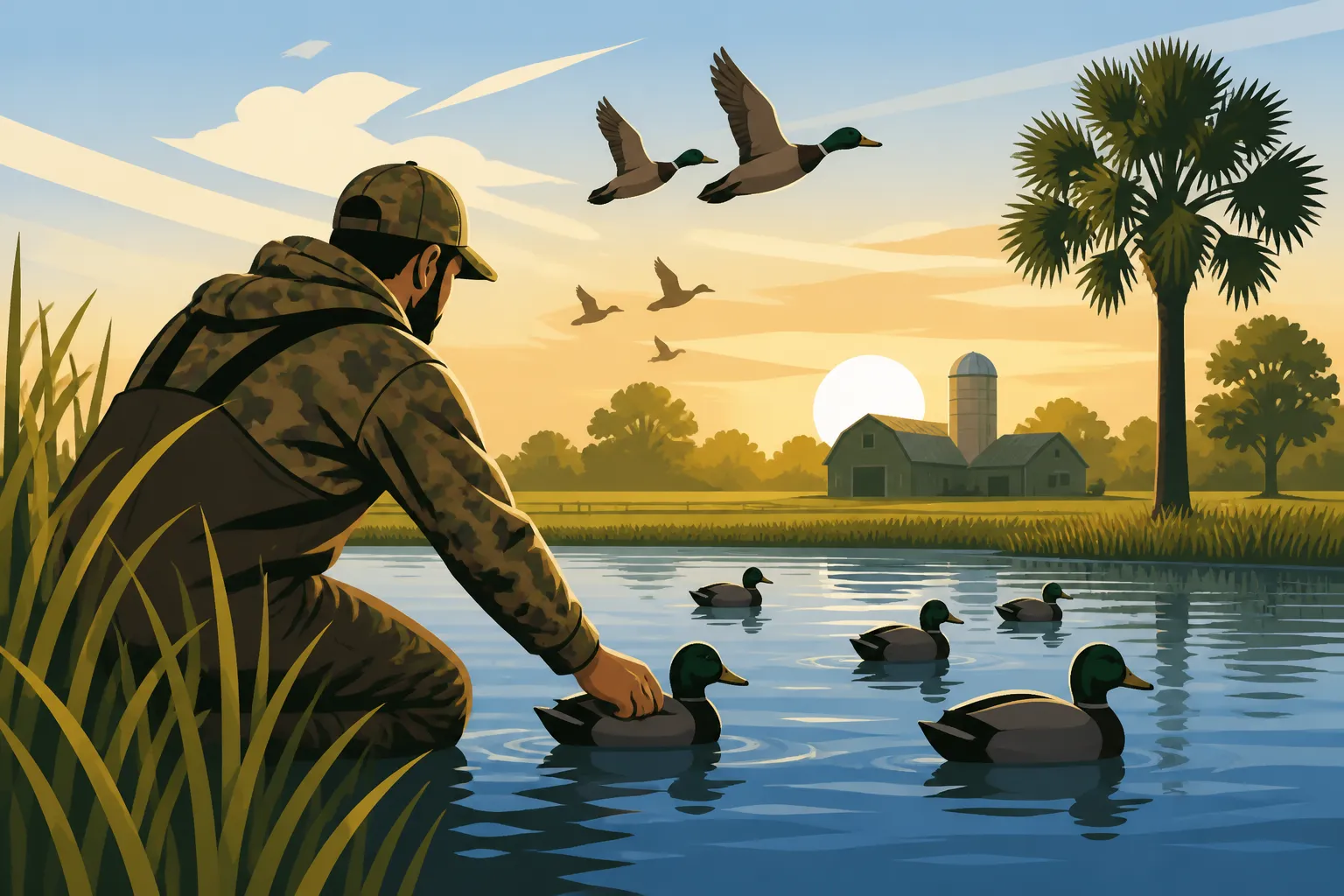
Setting Decoys on a Farm Pond
Hunting ducks on smaller farm ponds across South Carolina can be incredibly rewarding, but it often comes with a unique set of challenges compared to sprawling public impoundments or vast tidal marshes. You're dealing with limited space, often shallower water, and potentially birds that have already been pressured by other hunters. Successfully luring wary ducks into range requires a nuanced approach to decoy setting, one that factors in everything from wind direction to the specific species you're targeting. This guide will walk you through the ins and outs of crafting an effective decoy spread for these intimate, often overlooked honey holes.
Understanding the Farm Pond Environment
Before you even think about tossing decoys, you've got to become a student of the pond itself. Each farm pond, whether it’s a small cattle pond in the upstate or a larger irrigation pond in the Lowcountry, has its own character and quirks. These aren't vast open waters; they're intricate mini-ecosystems that demand a more precise approach.
Reading the Water and Terrain
The first step to setting effective decoys on a farm pond is to thoroughly understand its physical characteristics. Walk around the pond, observe it from different angles, and really read the water.
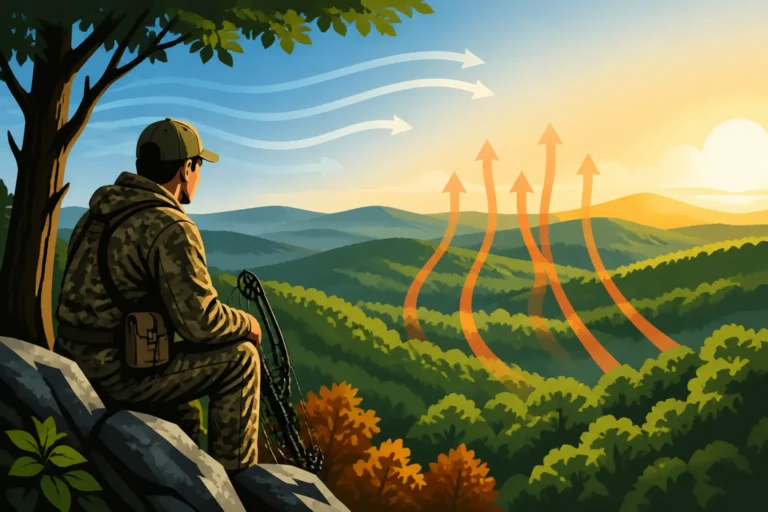
- Wind Direction is King: Always, always, always factor in the wind. Ducks almost always land and take off into the wind. Your decoys need to be positioned so that arriving birds will naturally fly into the wind to approach your spread, giving you optimal shot angles. If the wind shifts, be prepared to adjust your spread. On a small pond, even a slight breeze can create enough ripple to make decoys look natural, but a strong wind can make them look frantic if not set correctly.
- Depth and Bottom Content: Small farm ponds can vary greatly in depth. Are there shallow flats where dabblers like mallards and wood ducks prefer to loaf and feed? Are there deeper channels or areas near the dam that might attract divers, even if rarely? Understanding the bottom — whether it's soft mud, firm clay, or covered in submerged vegetation — will inform where you can anchor your decoys and where ducks might prefer to land.
- Vegetation and Cover: Look for natural cover around the edges. Is there a stand of cattails, a brushy fencerow, or a patch of submerged smartweed? These aren't just good places for you to hide; they're also areas ducks will naturally gravitate towards for protection, food, or simply to feel safe. Your decoy spread should ideally lead birds past your blind, utilizing these natural features. Don't overlook overhead cover either, such as low-hanging branches from bordering trees, especially for agile birds like wood ducks.
- Entry and Exit Points: Observe how ducks typically approach and leave the pond. Are there specific flight corridors they use? Perhaps a gap in the treeline or a low spot in a ridge? You want your decoys to be visible from these approach routes, drawing them in without making them feel exposed or suspicious. This is where a good mapping app can be invaluable, helping you visualize potential approach angles even before you get boots on the ground. When scouting, you might use a tool like GoHunt to mark potential entry points or to find the property lines of a small private tract in South Carolina.
Scouting for Success
You wouldn't hunt deer without scouting, and the same absolutely applies to ducks, especially on farm ponds. Pre-season and in-season scouting are non-negotiable for consistent success.
- Observe Flight Patterns: Sit back a few mornings or evenings before you hunt and just watch. How do the ducks approach the pond? Where do they land? Where do they sit on the water? Do they typically come in singles, pairs, or small groups? Do they leave quickly after landing, or do they settle in for a while? Paying attention to these natural behaviors will give you massive clues about how to set your spread and position your blind. You might notice ducks always hug a certain treeline or consistently land on the downwind side near a specific patch of weeds. This crucial information directly informs your setup.
- Identify Loafing and Feeding Areas: Ducks aren't just looking for water; they're looking for comfortable places to rest and food sources. On farm ponds, this might be a shallow muddy edge where they can dabble, a sunny bank for loafing, or an area with submerged aquatic vegetation they can graze on. Your decoy spread should mimic these natural gathering points. If you find a favored loafing log or a specific corner where they always seem to gather, that’s your prime location to build a landing zone into your spread. This also ties into the concept of Late-Season Food Sources for South Carolina Whitetails, where understanding where game wants to be is key.
- Minimize Disturbance: When scouting, be as stealthy as possible. Don't bust birds off the pond or make your presence known. You want them to feel comfortable and safe on that water, right up until opening morning. If you spook them too much during scouting, they might just find another pond. A low-profile approach, perhaps using binoculars from a distance, is best. If you're looking for more general scouting tips, check out Scouting South Carolina Public Land Before Season.
Decoy Spreads for South Carolina Farm Ponds
Now that you know your pond intimately, it’s time to talk decoys. The size of the pond, the number of birds you expect, and the species you’re targeting will all influence your choices and setup. Remember, less is often more on a small pond, and realism is paramount.
Mallards and Wood Ducks: Your Bread and Butter
In South Carolina, especially on farm ponds, mallards and wood ducks are often your primary targets. Your spread should reflect this.
- Species-Specific Decoys: You don’t need a massive spread of 50 decoys. A dozen good-quality mallard decoys, perhaps with a few black ducks mixed in for contrast, forms a solid base. For wood ducks, which are incredibly common in these environments, adding 2-4 wood duck decoys can be very effective. Their distinctive colors stand out and can be a strong draw for passing woodies. Place them in tighter groups, as wood ducks often do.
- The J-Hook or U-Shape: This is a classic and highly effective spread for small ponds. The idea is to create a "landing zone" right in front of your blind.
- The J-Hook: Position the long arm of the "J" so it extends out from your blind, upwind. The curve of the "J" is your landing zone, directly in front of you. Ducks will naturally want to land into the wind, coming down the "spine" of the J-hook and into the pocket you've created. This gives you easy, close-range shots.
- The U-Shape: Similar to the J-hook, this creates a clear opening in the middle of your spread. Place two groups of decoys on either side, leaving a nice, calm pocket in the center, typically downwind of your blind. Ducks will see this open water as a safe landing area.
- Small Groups and Pairs: Instead of one big blob of decoys, arrange them in smaller, more natural-looking groups of 3-5 birds. Ducks rarely sit in one giant cluster unless they're on a very large, safe body of water. Scatter some pairs slightly away from the main group, mimicking birds that have just landed or are moving around. This natural arrangement adds confidence.
Motion Decoys and Confidence Birds
Adding movement and realism can make a significant difference, especially with wary birds.
- Spinning-Wing Decoys: While sometimes controversial due to their effectiveness, spinning-wing decoys (like a Mojo Mallard) can be duck magnets, particularly on calm days or when birds are passing at a distance. The flash of the wings catches their eye from afar. On a small farm pond, one or two might be plenty, placed at the upwind end of your spread to simulate landing ducks. However, use them judiciously. If birds flare repeatedly, they might be seeing too much "unnatural" movement. Some hunters swear by them, others say they educate birds. Pay attention to how the ducks react.
- Swimmers and Feeders: Decoys that create subtle ripples or mimic feeding action can be incredibly convincing. Jerk-string rigs, where you manually pull a string to create movement, are fantastic for small ponds. They offer realistic, intermittent motion without the whirring sound of a motor. Feeding decoys (like those with flocked heads down) indicate that ducks are comfortable and finding food, which is a powerful confidence builder.
- Confidence Decoys: Don't underestimate the power of a few Canada goose decoys or even a swan decoy. Geese and swans are typically very wary birds, and if ducks see them comfortably sitting on a pond, it signals safety. Place one or two goose decoys slightly apart from your duck spread, perhaps on the bank or at one end of the pond. While you might not be Hunting the South Carolina Resident Canada Goose Population on this particular pond, their presence can definitely help bring in ducks.
Optimal Placement Strategies
Think like a duck. Where would you want to land?
- The Landing Zone: This is the most critical part of your spread. It should be a clear, open patch of water, preferably downwind of your blind, into which ducks can comfortably glide. Make sure there are no decoys directly in this zone that would impede their landing. The size of this zone depends on the pond, but aim for at least a 10-15 yard diameter on most farm ponds.
- Wind and Sun Angles: As mentioned, ducks land into the wind. Ensure your landing zone is positioned so that ducks approaching into the wind will put them right in front of your blind. Also, consider the sun. If possible, set up with the sun at your back. This makes it harder for ducks to see you in the blind and easier for you to see them approaching clearly. Early morning glare can also be a factor, so plan accordingly.
- Visibility and Realism: While the spread is for ducks to see, it also needs to look natural. Avoid perfectly symmetrical patterns. Group decoys in varying densities. Some might be close to shore, others further out. The goal is to create a dynamic, lifelike scene. On small ponds, you might not need your decoys to be visible from a mile away; rather, you need them to be convincing up close. If you're hunting coastal rice fields, for example, the scale of your decoy spread would be vastly different than on a farm pond. For more context on different waterfowl hunting, check out Hunting Coastal Marsh Waterfowl or Layout Blind Hunting a Cut Cornfield.
Calling and Concealment for Pond Hunts
Decoys are only half the battle. Your ability to call effectively and, more importantly, stay hidden, will often seal the deal on pressured farm pond ducks.
Effective Calling Techniques
Less is more, especially on small ponds. Ducks can pinpoint sound very quickly in close quarters.
- Reading the Birds: Don't just blast away on your call. Watch the ducks. If they're locked up and coming in, put the call down. If they're swinging wide, or seem hesitant, a soft chuckle, a contented feed call, or a short greeting call can often turn them. A series of excited quacks might work on high-flying birds, but can often flare wary ducks circling a small pond.
- Species-Specific Calls: Carry calls for the ducks you're expecting. A mallard call is essential, but a good wood duck call (whistle) can be absolutely deadly on these ponds. Woodies often respond best to a sharp, high-pitched "peet-wheet!" when they're in range or flying overhead.
- Vary Your Calling: Don't be monotonous. Mix up your calls – short quacks, longer drawn-out hails, contented clucks and feeding calls. The goal is to sound like a small group of happy, relaxed ducks. If you're struggling to turn birds, sometimes just soft calling or even silence is the best approach. On pressured birds, silence can be golden.
Building a Natural Blind
On a small pond, you are in close quarters. Your blind needs to be an extension of the natural environment.
- Use Local Vegetation: Forget the fancy, pre-fab blinds unless they are perfectly brushed in. Use cattails, cane, pine branches, palmetto fronds, or whatever natural vegetation is abundant around the pond. Cut it (responsibly and with permission if on private land) and weave it into a frame, or simply pile it around your hunting position. The goal is to break up your outline completely.
- Blend with the Background: Don't just think about hiding from the front. Ducks coming in often circle, seeing you from above and from the sides. Ensure your blind blends seamlessly with the background. If there’s a dark treeline behind you, use darker materials. If it’s a lighter field, use lighter grass. Your blind should cast minimal shadows. For more tips on setting up, consider what goes into Brushing In a Blind on a Field Edge.
- Blind Placement: Your blind should be positioned to take advantage of the prevailing wind and sun, offering you good shooting lanes into your landing zone without exposing you. Often, a tight corner or a small point offers natural concealment and a good vantage point. Ensure you have a clear view of your decoy spread and the surrounding air space.
Minimizing Pressure and Movement
Ducks on farm ponds get educated quickly. Every single move you make matters.
- Quiet Entry and Exit: Get into your blind well before shooting light, and do so as quietly as possible. Avoid loud splashes, talking, or shining bright lights unnecessarily. Park your vehicle out of sight, and try to approach the pond from a direction that won’t spook any early morning birds. Similarly, when the hunt is over, pack up quietly.
- Stay Still! This is perhaps the hardest rule to follow, but the most important. Ducks have incredible eyesight. Even a slight head turn or lifting your gun too early can send them flaring. Once ducks commit, wait until they are in easy range, with their feet down, before making your move. Practice your gun mount so it's smooth and efficient. For warm weather conditions, which South Carolina often experiences, Warm-Weather Sitting Strategy in South Carolina emphasizes minimal movement to avoid overheating and unnecessary adjustments.
- No Movement Between Flocks: Resist the urge to adjust decoys or retrieve downed birds while other ducks are working the area or flying nearby. Wait for a clear window when no birds are in sight. You don't want to show your hand to the next group of approaching ducks.
Adapting to Changing Conditions on the Pond
No two hunts are exactly alike, and conditions on a farm pond can change rapidly. The successful hunter is one who can adapt.
Wind and Weather Adjustments
The weather plays a huge role in duck hunting, especially on smaller bodies of water.
- Shifting Winds: If the wind changes direction significantly during your hunt, you need to be prepared to adjust your spread and possibly your blind position. A quick, subtle adjustment can mean the difference between birds working your spread and flaring. Sometimes, a full repositioning might be necessary, even if it means sacrificing some precious hunting time.
- Rain and Overcast Days: Rainy or heavily overcast days can be fantastic for duck hunting. The low light often makes ducks less wary, and the rain can help obscure your blind and wash out unnatural scent. In heavy rain, ducks might fly lower. On these days, your decoy spread might not need to be as elaborate; just appearing natural and visible can be enough.
- Cold Fronts: After a strong cold front pushes through, ducks can be very active as they seek out new feeding grounds and sheltered spots. Pay attention to temperature drops and high-pressure systems. Ducks often move a lot just before or right after a cold snap. Understanding Hunting Deer After a Cold Front can provide similar insights into how game reacts to weather shifts.
Dealing with Educated Birds
Farm pond ducks, particularly on ponds that see regular hunting pressure, can become incredibly wary.
- Smaller, More Realistic Spreads: If birds are flaring from your large, active spread, try scaling back. Use fewer decoys, perhaps just 6-8, arranged very naturally. Sometimes a simple pair of mallards and a few wood ducks are all you need to convince wary birds that the pond is safe. The key is realism, not quantity.
- Less Aggressive Calling: As mentioned, over-calling will often spook educated birds. Soft, subtle quacks and feeding chuckles are far more effective than loud, aggressive hailing. Sometimes, a single well-timed call is all it takes to get them to commit.
- Different Approaches: If birds consistently work one side of the pond but avoid your spread, try moving your blind and decoys to that side for the next hunt. Don't be afraid to experiment. Sometimes just a slight change in your setup can break the pattern of avoidance. Also consider your entry routes; perhaps a different path to the pond will put less pressure on the birds.
Post-Hunt Breakdown
Responsible hunting includes what you do after the shot.
- Quick Pack-Up: Once the shooting is done, quickly retrieve your decoys. Leaving them out for extended periods can habituate birds to their presence and potentially draw unwanted attention to your hunting spot. Store them properly to extend their life.
- Leave No Trace: Pick up all your spent shell casings, any trash, and remove any temporary blind materials you brought in. Leave the pond exactly as you found it, or even better. This ensures you maintain a good relationship with the landowner and that the spot remains productive for future hunts.
- Reflection and Adjustment: After each hunt, take a moment to reflect. What worked? What didn't? Did the ducks decoy well? Did they flare? Use this information to refine your strategy for the next time you're Setting Decoys on a Farm Pond. Every hunt is a learning experience, and adapting is key to long-term success.
| Decoy Type | Best Use Case | Ideal Numbers for Farm Pond | Notes |
|---|---|---|---|
| Mallard | Base for almost any duck spread | 6-12 | Mimic common dabblers, good for general attraction |
| Wood Duck | Essential for ponds with tree cover | 2-4 | Agile, respond well to their own decoys |
| Black Duck | Adds contrast, good confidence bird | 2-3 | Mix with mallards for a more varied look |
| Spinning-Wing | Attracting distant birds, calm days | 1-2 | Effective but can educate wary birds; use judiciously |
| Feeder Decoys | Indicates safety and food source | 2-4 (mallard/wood duck) | Heads-down position, shows ducks are comfortable |
| Jerk String/Swimmer | Realistic movement without motors | 1-2 | Manual movement; highly effective for subtle ripples |
| Canada Goose | Confidence decoys for wary ducks | 1-2 | Signals safety, often placed on bank or at spread edge |
Disclaimer
Hunting is an inherently dangerous activity. Always prioritize safety, follow all local and state regulations, and obtain appropriate licenses and permits before hunting. The information provided here is for educational purposes and general guidance only; it should not replace proper hunter education or professional instruction. Be aware of your surroundings, know your target and what is beyond it, and always handle firearms responsibly.