Headlamps for Walking Out After Dark
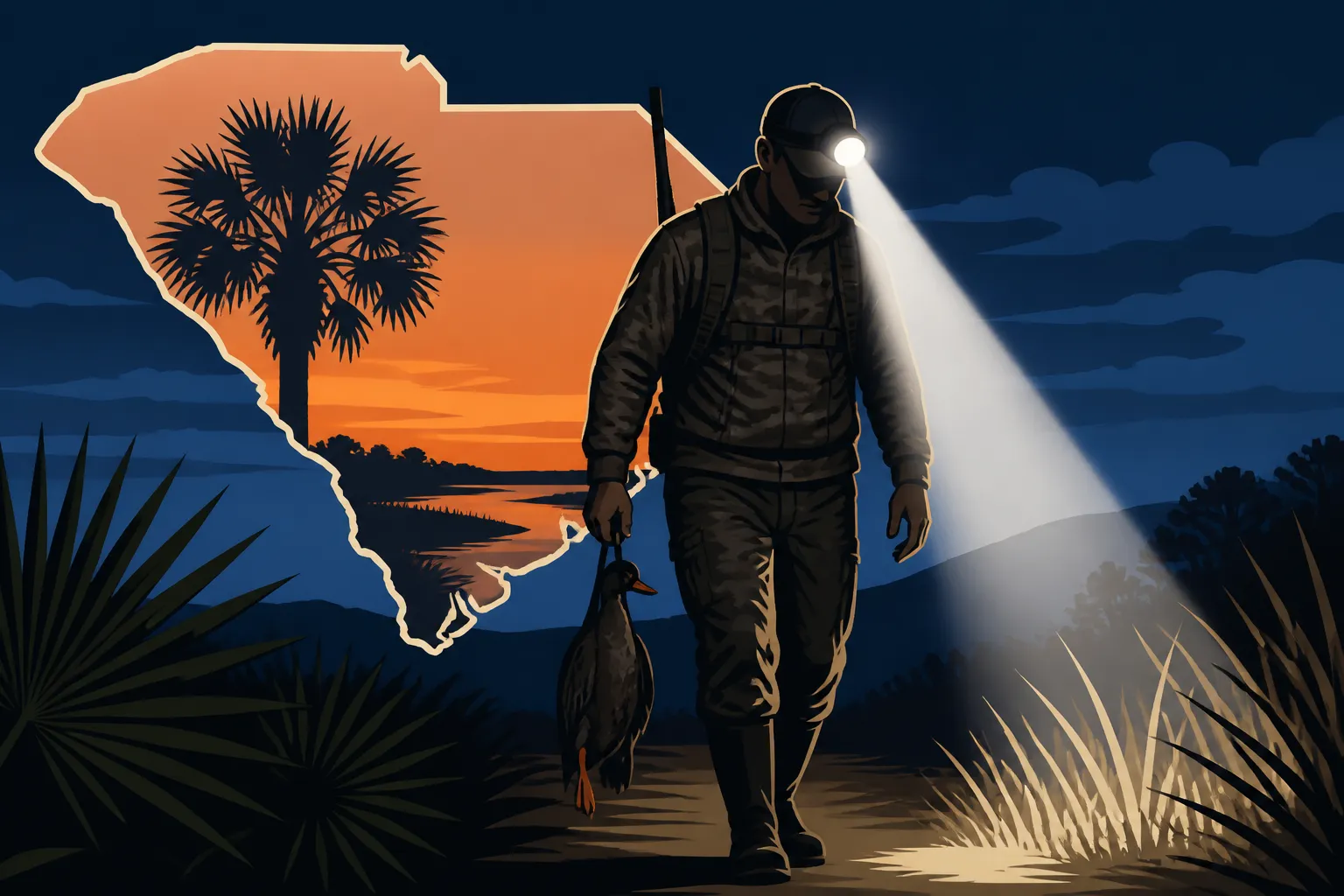
There's nothing quite like the feeling of watching the last sliver of daylight disappear below the tree line when you're deep in the South Carolina woods. The excitement of a successful hunt, or even just a challenging day, can quickly turn to anxiety if you're not prepared for the walk back in the dark. This guide is all about equipping you with the knowledge to choose and use the perfect headlamp, ensuring your journey out of the woods is as safe and stress-free as your journey in.
Why a Reliable Headlamp Isn't Just a Convenience, It's Essential
Let's be honest, we've all been there. You push just a little too far, stay on stand a little too long, or maybe you just misjudged the fading light after getting down from your tree. Suddenly, that familiar path back to the truck looks entirely different, swallowed by the encroaching darkness of the South Carolina woods. This isn't just about stumbling; it's about real hazards and crucial safety. A reliable headlamp isn't a luxury; it’s a critical piece of gear for any hunter, especially in our varied and often challenging terrain.
Navigating Unfamiliar or Fading Trails
Think about those winding deer trails in the Sumter National Forest or the barely perceptible paths through lowcountry swamps. In daylight, you might follow a faint game trail or recognize a specific tree. After sunset, every shadow looks the same, and those familiar landmarks vanish. Without adequate light, what was a quick, confident walk becomes a slow, cautious shuffle, increasing your chances of getting turned around or, worse, twisting an ankle on an unseen root or rock. This becomes even more pronounced if you're pushing through thick palmetto patches or dense pine thickets, where the canopy blocks even moonlight.
It’s not just about the path itself, but the unexpected obstacles. A fallen limb, a patch of slick mud, or a hidden hole can quickly ruin a hunt, or even necessitate a call for help. A good headlamp illuminates these immediate dangers, allowing you to react in time and keep your momentum going. When you're trying to make it out before it gets too late, every minute counts, and a clear path makes all the difference.
Enhancing Personal Safety and Situational Awareness
Walking in the dark can be disorienting, and losing your sense of direction or getting startled by unexpected sounds is a common experience. A headlamp directly addresses this by providing consistent, hands-free illumination right where you need it – where your eyes are looking. This isn't just for seeing the ground; it's also about scanning your surroundings. Knowing what's in front of you, to your sides, and even behind you with a quick turn of the head vastly improves your situational awareness.
Beyond simply seeing, a headlamp makes you visible to others. While many public land hunters are out before dawn and after dusk, a visible light source is a key safety feature, especially if there are other hunters in the area. And let's not forget about wildlife. While a light isn't a guaranteed deterrent, it can certainly help you spot an unexpected critter before you nearly step on it. In an emergency, a bright, flashing headlamp can also serve as a signal, a crucial tool when cell service is spotty, which is common in many of our more remote hunting spots. Before you head out, make sure you know South Carolina Public Land Hunting Hours to ensure you're in compliance.
Critical for Game Recovery and Blood Trailing
Perhaps one of the most stressful situations a hunter faces is tracking a deer or hog after dark. Even a well-placed shot can result in a short track that still leads into thick cover as daylight fades. A quality headlamp transforms this challenging task into a manageable one. The beam quality, color, and intensity can make all the difference in picking up a faint blood trail through pine straw, over leaves, or across swampy ground.
You need to be able to discern subtle changes in color and texture on the forest floor, something a weak or inconsistent light simply can't provide. Being able to clearly see the next drop of blood, a broken twig, or a disturbed patch of moss means the difference between recovering your game and facing a long, disheartening search in the morning. When it comes to Blood Trailing After Dark in South Carolina, your headlamp is your most valuable partner. It frees your hands for other tasks like holding a tracking stick or carrying your weapon.
What Makes a Great Hunting Headlamp for Our Unique Terrain
Choosing a headlamp isn't just about picking the brightest one on the shelf. For South Carolina hunting, you need a balance of features tailored to our humid climate, diverse landscapes, and specific hunting needs. From the thick undergrowth of the lowcountry to the steep, rocky terrain of the Upstate, your headlamp needs to be versatile and reliable.
Lumens, Beam Type, and Practicality
The "lumens" rating often gets the most attention, and it's certainly important. Lumens measure the total amount of visible light produced. For walking out after dark, you want a headlamp that can deliver at least 200-300 lumens for general navigation, with a burst mode capable of 500+ lumens for spotting longer distances or intensely searching for a blood trail. However, more isn't always better. Too many lumens can create a blinding hotspot and wash out details, especially on close-up tasks.
What's equally important is the beam type. Most quality headlamps offer multiple settings:
- Spot Beam (Focused): This is your long-distance light, cutting through the darkness to pick out landmarks further down the trail or across a field edge. It’s great for initial navigation.
- Flood Beam (Wide): Ideal for close-up work, like setting up your stand in the dark, field dressing an animal, or scanning the immediate area for obstacles. It provides an even spread of light without a harsh center.
- Combined Beam: Many modern headlamps cleverly integrate both, allowing you to have a wide peripheral view with a focused hotspot for distance. This is often the most practical choice for hunters, offering the best of both worlds.
When you're dealing with the varied cover of South Carolina, having the flexibility to switch between a tight spot beam to cut through a pine plantation and a wide flood beam to illuminate a swamp bottom is incredibly valuable. This adaptability means you're prepared for whatever terrain you encounter on your walk out.
Battery Life and Power Source Reliability
Nothing is more frustrating than having your light die halfway back to the truck. Battery life is paramount. Look for headlamps with extended run times, especially on medium or low settings, which you'll use most often. Many modern headlamps use rechargeable lithium-ion batteries, which are great for consistent power output and environmental friendliness. However, it's crucial to consider how you'll recharge them in the field or at camp.
Some hunters prefer headlamps that run on standard alkaline batteries (AA or AAA) because spares are easy to carry and widely available. Others opt for hybrid systems that can use both rechargeable packs and disposable batteries as a backup. Regardless of your choice, always carry spare batteries or a fully charged power bank. The South Carolina humidity can sometimes impact battery performance, and temperatures can drop unexpectedly, further affecting battery life. Having a backup is not optional; it’s a necessity. Think about those long sits in Warm-Weather Sitting Strategy in South Carolina — a dead battery after a sweaty afternoon is not what you want.
Red Light Mode: Stealth and Night Vision Preservation
The red light mode is a hunter's best friend and an often-overlooked feature. Unlike white light, red light preserves your natural night vision. When you switch off a white light, your eyes need several minutes to readjust to the darkness, making it hard to see anything. Red light minimizes this adjustment period. This means you can quickly check your gear, read a map, or move stealthily without signaling your presence to game or completely losing your ability to see in the ambient moonlight (if there is any).
For instance, if you're trying to sneak to your stand before dawn, a low red light allows you to see just enough to navigate without spooking deer or turkeys that might be roosted nearby. The same goes for scanning the ground for equipment you might have dropped or making a final check on your pack before heading out. It’s also incredibly useful for navigating around camp without blinding your hunting buddies or drawing unwanted attention.
Durability, Comfort, and Weather Resistance
South Carolina hunting means dealing with mud, rain, sweat, and sometimes dense brush. Your headlamp needs to be tough enough to handle it all. Look for models with a high IPX (Ingress Protection) rating, indicating resistance to water and dust. An IPX4 rating is usually sufficient for rain and splashes, but IPX7 or IPX8 means it can withstand immersion, which is a huge plus if you hunt near water or tend to be clumsy.
Comfort is also key. A headlamp that constantly slips, bounces, or digs into your forehead will become a distraction and a nuisance. Look for adjustable, breathable straps that fit securely over a hat or beanie. Some models offer top straps for extra stability, which is particularly useful if you're jogging or moving quickly over uneven ground. Lightweight designs are also a bonus for extended wear. You’ll be wearing this on your head for potentially hours, so it needs to feel good.
| Feature | Why it matters for SC hunting | Ideal Specification |
|---|---|---|
| Lumens | See obstacles, long distances, and blood trails. | 300+ lumens for regular use, 500-1000+ for boost/tracking. |
| Beam Type | Versatility for close work and distance. | Multiple modes: wide flood, focused spot, combined. |
| Battery Life | Reliable power for extended periods, especially on public land. | 8+ hours on medium, 2+ hours on high; easily swappable/rechargeable. |
| Red Light | Preserve night vision, avoid spooking game, maintain stealth. | Dedicated red LED mode, ideally with low and high settings. |
| Durability | Withstand humid, wet, and rugged conditions. | IPX4 or higher water resistance (IPX7+ for swamps), impact resistant housing. |
| Comfort | Stay secure and comfortable during long walks or active tracking. | Adjustable, breathable strap; lightweight design; potentially top strap. |
Mastering Your Headlamp for Safe and Efficient Exits
Having a great headlamp is one thing; knowing how to use it effectively is another. It's not just about switching it on; it's about strategic deployment to maximize safety, efficiency, and success in the field. Before you even head out, consider scouting your route with tools like GoHunt to mark potential hazards or easy paths, giving you a baseline even before you rely on your light.
Pre-Hunt Preparation and Practice
The best time to get familiar with your headlamp is before you need it.
- Charge/Check Batteries: Always ensure your batteries are fully charged before each hunt. If using disposables, check their level or swap in fresh ones. Pack spares!
- Route Familiarization: Before the season, take walks on your hunting property after dark. This helps you recognize landmarks under different lighting conditions and understand how your headlamp performs in that specific environment.
- Practice with Gear: Wear your headlamp with your hunting pack, hat, and other gear. Does it stay secure? Is it comfortable? Does the beam get obstructed by your brim? Adjust it now, not when you're trying to quietly leave your stand.
- Pair with Navigation: If you use a GPS unit or a mapping app like GoHunt on your phone, practice using your headlamp in conjunction with it. Can you easily see your screen while navigating a dark trail? This integration is vital for confidence.
Remember, practice builds confidence. The more you know your gear and your routes, the less anxiety you'll feel when the sun dips below the horizon. Knowing your way around a little in the dark is part of Scouting South Carolina Public Land Before Season.
Strategic Usage in the Field
It's tempting to blast your headlamp on high beam the moment it gets dim, but intelligent use conserves battery and improves effectiveness.
- Start Low, Go High: Begin with the lowest effective setting (often red light or a low white flood beam) as dusk settles. This allows your eyes to adjust gradually to the darkness and preserves your battery. Only switch to higher lumen settings when you need to navigate challenging terrain, confirm a landmark, or if you're Tracking a Deer Through South Carolina Pine Straw.
- Scanning Technique: Don't just stare straight ahead. Actively scan the ground in front of you for obstacles, and periodically sweep your beam left and right, and even up into the trees, to maintain awareness of your surroundings. A quick sweep can reveal a reflective trail marker or an animal's eyes.
- Avoid Over-Reliance: While your headlamp is crucial, don't forget your other senses. Listen to the sounds of the night, pay attention to familiar smells, and be mindful of changes in terrain underfoot. These cues, combined with your light, create a comprehensive awareness picture.
- Temporary Shut-off for Night Vision: If you suspect game nearby or need to quickly assess an area without light, briefly switch off your headlamp and let your eyes re-acclimate. If you've been using red light, this adjustment will be much faster. This can be especially useful if you're trying to pinpoint a rustle in the leaves that could be a deer or just a raccoon.
Extending Battery Life in Humid South Carolina
Our mild winters and humid summers mean batteries can drain differently than in colder, drier climates.
- Keep Batteries Warm (in Cold Weather): While less common in SC, if you're hunting during a rare cold snap, keep spare batteries in an inner pocket close to your body to maintain their charge.
- Store Properly: When not in use, store your headlamp and spare batteries in a cool, dry place. Humidity can slowly degrade battery performance over time.
- Lockout Feature: Many headlamps have a "lockout" mode that prevents accidental activation in your pack, which can drain the battery without you knowing. Always engage this feature before stowing your light.
- External Power Banks: For extended hunts or multi-day trips, a small, waterproof power bank can recharge your headlamp multiple times, giving you peace of mind.
Special Considerations for Game Recovery and Unexpected Situations
When the adrenaline is pumping and you're dealing with a downed animal or an unforeseen problem, your headlamp's performance moves from helpful to absolutely critical. These are the moments when all the planning and preparation truly pay off.
Maximizing Light for Blood Trailing
Blood trailing after dark is an art form, and your headlamp is your paintbrush.
- Beam Color and Intensity: While white light is generally best for blood, some hunters find that certain light temperatures (cooler white vs. warmer white) can make blood stand out better against specific backgrounds. Experiment with your headlamp's different white light settings. Avoid using red light for actual blood trailing, as it tends to make blood look black and much harder to see.
- Angle and Height: Don't just hold the light straight ahead. Get low to the ground, shining the beam at various angles. Blood often becomes reflective or shows up as a darker stain when hit by light from a low angle. If you're having trouble, check underneath leaves or on the sides of saplings and brush.
- Paired with Other Tools: A headlamp allows you to use your hands for a blood-trailing stick, flagging tape, or a partner's assistance. Work slowly and methodically. Every few yards, stop, mark the last blood, and thoroughly scan the area before advancing. If you're ever in doubt, mark your last spot and consider calling in a tracking dog – your headlamp will be invaluable for illuminating their work. Blood Trailing After Dark in South Carolina can be tough, but the right gear makes it possible.
Dealing with South Carolina's Unique Terrain and Wildlife
Our state presents specific challenges that a good headlamp helps address.
- Swampy Areas: When hunting in the Lowcountry, especially in areas like the ACE Basin or Francis Marion National Forest, you're dealing with wet, uneven ground. Your headlamp's wide flood beam will be crucial for navigating cypress knees, submerged roots, and slick mud. Its waterproofing will also be put to the test. Combine your headlamp with Snake Boots for South Carolina Swamp Ground for maximum protection and visibility.
- Thick Undergrowth: Pine thickets, briar patches, and palmetto flats can be disorienting even in daylight. A powerful spot beam can help you find small openings or game trails that cut through the dense cover. Being able to see deeply into the brush is key to avoiding painful encounters with thorns or hidden critters.
- Upstate Mountains: The rocky, uneven terrain of the Upstate requires a headlamp that stays put and provides a steady beam. A strong spot beam is helpful for picking out footing on steep climbs or descents. Here, a comfortable fit is paramount, as a bouncing headlamp can be incredibly annoying and distracting on a long walk back to the truck after a hunt in the Andrew Pickens District.
- Wildlife Encounters: While deer and hogs typically flee from light, a sudden beam in the eyes of an opossum, raccoon, or even a coyote can sometimes cause them to freeze, giving you a chance to identify them and avoid startling them. In areas where black bears are present, especially in Zone 1, a headlamp helps you see them at a distance, allowing you to react appropriately and give them space. How Many Black Bears South Carolina Has means it's always smart to be aware.
Emergency Signaling and Communication
In a worst-case scenario, your headlamp can be a lifesaver.
- SOS Feature: Many modern headlamps include an SOS flashing mode. Learn how to activate it. This internationally recognized signal is a universal distress call.
- Visibility for Rescuers: If you're injured or lost and need to signal for help, a high-lumen headlamp can be seen from a surprising distance, especially against a dark backdrop. Even if you've called for help on your phone, making yourself visually identifiable will greatly assist search efforts.
- Working with a Partner: When hunting with a buddy, having two headlamps allows you to cover more ground or provide overlapping light for complex tasks. It's also a way to maintain visual contact in thick cover, using quick flashes to signal your position without a verbal call. This is particularly useful when doing something like Deer Drives With Three or Four Hunters in fading light.
Ultimately, a headlamp is far more than just a light source; it's a safety tool, a recovery aid, and a confidence booster. Invest wisely, practice regularly, and always keep it charged. It's one piece of hunting gear you'll hope you never truly need, but you'll be eternally grateful for when you do. For carrying all your essentials, remember a good Packs for a Sumter Forest Day Hunt will have dedicated spots for these items.
Disclaimer
This article is for general informational purposes only and does not constitute professional advice. Laws, prices and regulations vary by location and change over time. Consult a qualified professional for guidance on your specific situation.