Snake Boots for Coastal Plain Walking
Navigating the unique terrain of South Carolina's Coastal Plain for hunting often means pushing through dense undergrowth, wading through muddy low-lying areas, and traversing swamp edges. This beautiful yet wild environment, while teeming with game, is also home to a diverse population of snakes, including several venomous species. For many hunters, the thought of an unexpected serpent encounter is a real and unsettling concern, making adequate protection not just a wise choice, but an absolute necessity to ensure safety and peace of mind afield.
The Undeniable Need for Snake Boots in South Carolina's Coastal Plain
When you head into the woods or marshes of coastal South Carolina, you're stepping into their home, not just yours. And in that home live some creatures that, while fascinating, can also be dangerous if you cross paths unknowingly. It's not about being afraid; it's about being prepared and respectful of the wildlife around you. That's precisely where a good pair of snake boots earns its place as indispensable gear.
Understanding the Threat: South Carolina's Venomous Serpents
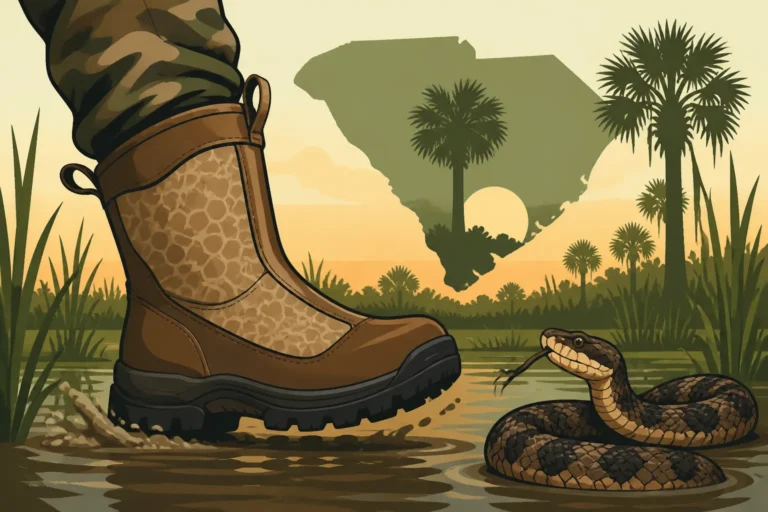
The Lowcountry and other coastal areas of South Carolina are a haven for various snake species, and unfortunately, several are venomous. We're talking about the big three: Eastern Diamondback Rattlesnakes, Cottonmouths (Water Moccasins), and Copperheads. Each of these presents a unique challenge, and their habitats often overlap with prime hunting grounds.
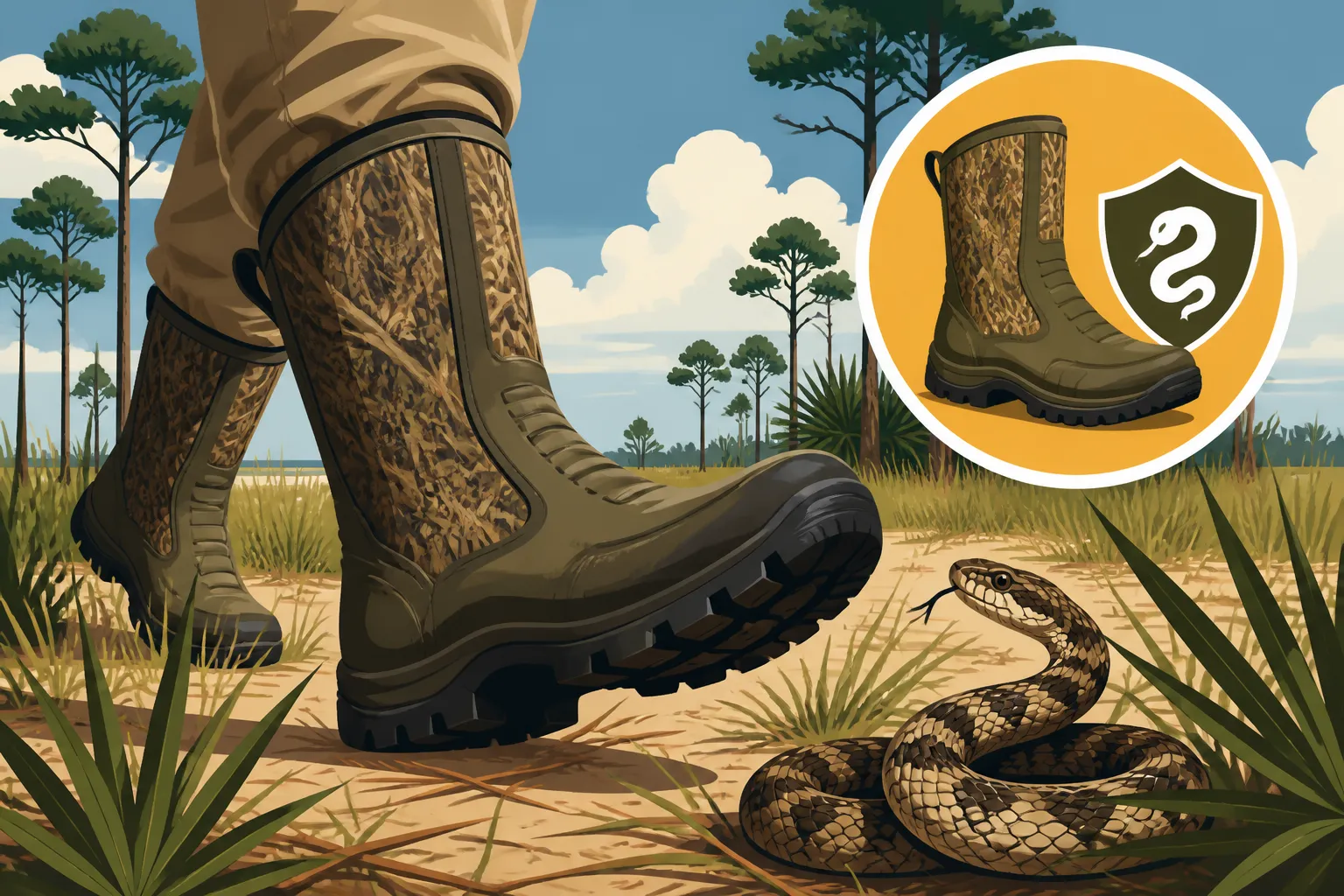
Consider the Eastern Diamondback. These majestic, yet highly dangerous, snakes are often found in pine forests, palmetto thickets, and sandy areas, all common features of the coastal plain. They're masters of camouflage, blending seamlessly with pine straw and dried leaves, and their powerful bite can be devastating. Stepping on one that's coiled and hidden could happen in an instant if you're not properly protected. Then there are the Cottonmouths, notorious residents of the lowcountry swamps, slow-moving creeks, and rice field edges. You might be focused on Hunting Lowcountry Swamp Deer or Hunting Coastal Rice Field Edges, traversing murky water or thick muck, and suddenly find yourself face-to-face with a cottonmouth, often camouflaged in the dark water or mud. Their defensive posture, flashing that white mouth, is a clear warning, but often you're too close before you even see it. For more on these specific threats, you might want to read about South Carolina Diamondback Rattlesnake Encounters Afield and South Carolina Cottonmouth Range in Swamp Country.
Copperheads are another common concern, especially in more varied habitats, from wooded areas to suburban fringes. While their bite is rarely fatal, it's incredibly painful and can lead to significant tissue damage and a ruined hunt, if not worse. All these snakes, regardless of their specific habits, have one thing in common: they'd rather avoid you, but if surprised or threatened, they will defend themselves. And when you're walking through thick brush, or stalking quietly, it's incredibly easy to surprise them.
Beyond the Bite: Why Prevention is Paramount
The immediate danger of a venomous snakebite is undeniable. Intense pain, swelling, and systemic reactions can set in quickly. But beyond that initial terror, consider the logistical nightmare of a bite in a remote hunting location. Cell service can be spotty, and getting an injured person out of a dense swamp or thick timber can be an arduous, time-consuming task, potentially delaying critical medical attention. Every minute counts when dealing with a snakebite, and being miles from the nearest road or vehicle adds a layer of complication you absolutely don't want to face.
Even with prompt medical care, recovery from a serious snakebite can be long and arduous, involving extensive treatment, potential surgeries, and lasting physical effects. It's not just a ruined hunting trip; it can be a life-altering event. The psychological impact, too, can be significant, potentially making you hesitant to return to the very places you love to hunt. So, while you might think of snake boots as just another piece of gear, they truly offer an unparalleled layer of peace of mind. That confidence allows you to focus on the hunt, on reading the signs, and on enjoying the solitude of the wilderness, rather than constantly scanning your feet with anxiety. It's an investment in your safety and your enjoyment of the sport.
Essential Features for Coastal Plain Snake Boots
Choosing the right snake boots for hunting in the South Carolina Coastal Plain isn't just about finding something "snake-proof." It's about finding a pair that can stand up to the unique challenges of the environment itself – the humidity, the wet conditions, the dense vegetation, and the long miles you might cover. There's a balance to strike between protection, comfort, and durability.
Material and Construction for Maximum Protection
The primary purpose of snake boots is, of course, protection from a snake's fangs. This means the materials and construction must be top-notch. Most effective snake boots utilize a multi-layer approach. This often involves thick, full-grain leather, reinforced synthetic fabrics like Cordura, or specialized internal liners made of tough, puncture-resistant materials that can block fangs. You want to look for boots that provide complete coverage from your ankle all the way up to just below your knee. A snake strike, especially from a larger species like a diamondback, can reach surprisingly high. Don't skimp on height; a 16-inch or 18-inch boot is typically a safe bet.
The stitching and seams are also critical. A poorly stitched boot could have weak points where a fang could penetrate. High-quality boots will feature double or triple stitching in key areas, ensuring integrity even after repeated exposure to brush and abuse. While some materials might feel stiff initially, many modern snake boots are designed to offer ample flexibility, allowing for natural movement as you walk, crouch, and climb. When you're looking at options online, it's worth checking if reputable outdoor gear sites like GoHunt offer detailed breakdowns of the protective layers and materials used in their top-rated snake boot models, as this can give you a better idea of what you're truly getting.
Waterproofing and Breathability: Battling the Swamp and Humidity
South Carolina's Coastal Plain is often wet. From the persistent humidity to unexpected downpours, and of course, the ever-present swamps and marshes, keeping your feet dry is a constant battle. Therefore, effective waterproofing is non-negotiable for snake boots in this region. Look for boots that incorporate proven waterproof membranes, such as Gore-Tex or similar proprietary technologies, that allow moisture vapor to escape while preventing external water from entering. This is crucial when you're Hunting Coastal Marsh Waterfowl or even just trekking through dew-soaked fields at dawn.
However, waterproofing often comes at the expense of breathability, which can be a real issue in the state's warm and humid climate. Having sweat-soaked feet inside waterproof boots can lead to discomfort, chafing, and even trench foot over long hunts. Some manufacturers try to mitigate this with breathable linings, moisture-wicking materials, and even vent systems. While no boot will feel like a sandal in August, a well-designed snake boot will strike the best possible balance, keeping external water out and managing internal moisture to some degree. When you're considering Warm-Weather Clothing for South Carolina Hunters, remember your feet are part of that equation, and good moisture management in your boots and socks is key.
Traction and Comfort for Varied Terrain
You're not just standing still when you're hunting; you're walking, sometimes for miles, over incredibly varied terrain. This means your snake boots need excellent traction and reliable comfort. The outsole, or sole pattern, is vital for navigating slippery mud, wet leaves, loose sand, and uneven ground common in the coastal plain. Aggressive lug patterns that shed mud easily are a huge plus.
Comfort is another major factor that can make or break your hunt. A heavy, ill-fitting, or unsupportive boot will quickly wear you down. Look for features like ample ankle support to prevent twists and turns on uneven ground, a cushioned midsole for shock absorption, and an anatomical fit that supports your foot's natural shape. While snake boots inherently weigh more due to their protective layers, lighter models are increasingly available, which can make a noticeable difference after several hours of walking, especially if you're venturing far into areas like the Sumter National Forest. Remember, a comfortable hunter is a more focused and effective hunter.
Selecting the Right Pair and Keeping Them Trail-Ready
Choosing your snake boots is a significant decision, and it’s one you want to get right the first time. It’s not just about protection; it’s about ensuring they serve you well for many seasons to come in the challenging South Carolina environment. From how they fit to how you care for them, every step plays a role in your safety and comfort afield.
Boot vs. Gaiter: Deciding on Your Protection Style
Before you even start looking at specific models, you need to decide whether full snake boots or snake gaiters/chaps are the right choice for you. Both offer protection, but they do so in different ways and are suited to different hunting styles and conditions.
Full snake boots, as the name suggests, are a complete, integrated unit, providing protection from the sole of your foot up to your knee. Their main advantage is comprehensive, seamless protection. There are no gaps for a snake to slip through or for water to seep in, assuming they're waterproof. They're often preferred by hunters who spend a lot of time in deep swamps, thick briar patches, or areas where Bug Protection for Early Archery Season is also a major concern, as they offer an additional layer of defense against insects. The downside can be their weight and warmth, which, in South Carolina's notoriously hot and humid conditions, can lead to sweaty feet. However, for maximum peace of mind and protection, especially when Hunting Lowcountry Swamp Deer, a good pair of full snake boots is hard to beat.
Snake gaiters or chaps, on the other hand, are worn over your existing hunting boots and pants. This offers more versatility; you can pair them with your favorite comfortable, broken-in hiking or hunting boots. They are generally lighter and can be easier to pack or take off if you're in a less snake-prone area. Some hunters prefer them for Rabbit Hunting South Carolina Fencerows or situations where they might be walking a lot on open ground before entering thick cover. The trade-off is that they aren't fully integrated, meaning there's a potential gap where the gaiter meets your boot, and they generally don't offer the same level of waterproofing as a dedicated snake boot. If you're frequently in standing water, Rubber Boots for Swamp Walking combined with snake gaiters might offer protection, but a dedicated snake boot would still be superior for waterproof integrity. It really boils down to your specific hunting activities and the typical conditions you face.
Sizing, Fit, and Break-In for Optimal Performance
Getting the right fit for your snake boots is absolutely critical. An ill-fitting boot, no matter how protective, will cause blisters, discomfort, and potentially detract from your hunting experience. Always try on snake boots with the type of socks you typically wear for hunting. If you wear thick wool socks in the late season, try them on with those. You want enough room for your toes to wiggle comfortably, but not so much that your foot slides around. Heel lift should be minimal. Pay close attention to the fit around your calf as well; it should be snug but not restrictive. If you're ordering online, many reputable brands or retailers, like those you might find through a gear resource like GoHunt, provide detailed sizing charts and recommendations, sometimes even suggesting sizing up or down based on typical fit. Don't hesitate to measure your calf circumference.
Once you have your boots, the "break-in" period is vital. Don't, and I repeat, do not wear brand-new snake boots for the first time on a multi-mile hunt deep in the woods. Wear them around the house, then for short walks, gradually increasing the distance. This allows the materials to soften and conform to your foot, preventing hot spots and blisters when it truly matters. Think of it as preparing your boots for the rigors of a South Carolina hunt, just as you prepare yourself.
Maintenance and Longevity in Harsh Conditions
Your snake boots are an investment in safety, and proper maintenance will ensure they last for many seasons. The harsh conditions of the Coastal Plain – mud, water, humidity, dense brush – can take a toll. After every hunt, especially if they're muddy or wet, take the time to clean them. Use a hose and a brush to remove all mud and debris from the exterior, paying close attention to the sole. For leather boots, consider using a leather cleaner and conditioner periodically to keep the material supple and prevent cracking.
Drying your boots correctly is paramount, especially in humid South Carolina. Never use direct heat sources like a campfire or a strong heater, as this can damage the waterproof membranes and material integrity. Instead, remove the insoles and allow them to air dry in a cool, well-ventilated area. Boot dryers with gentle airflow are an excellent investment if you hunt frequently. Preventing moisture build-up inside the boot also prevents mildew and unpleasant odors. When storing your boots during the off-season, keep them in a cool, dry place away from direct sunlight. Regularly inspect your boots for any signs of wear and tear, especially compromised stitching or damaged protective layers. If you notice any significant issues, it might be time to consider a replacement. After all, your safety depends on their integrity.
| Feature | Description | Ideal for Coastal Plain |
|---|---|---|
| Height | Protection from ankle up the calf | 16-18 inches to guard against high strikes in tall grass/brush |
| Material | Puncture-resistant layers (leather, Cordura, synthetic liners) | Durable, multi-layered construction to resist fangs |
| Waterproofing | Integrated membrane (Gore-Tex, proprietary) | Essential for swamps, marshes, dew, and unexpected rain |
| Breathability | Ability for moisture vapor to escape | Important to prevent sweat build-up and discomfort in humid conditions |
| Traction | Aggressive outsole lug pattern | Crucial for gripping mud, slick leaves, and uneven terrain |
| Ankle Support | Stiff heel counter and ankle collar | Prevents twists and sprains on unstable, hidden ground |
| Weight | Overall mass of the boot | Lighter models reduce fatigue on long walks; balance with protection |
| Comfort | Cushioned midsole, anatomical fit, supportive footbed | Ensures long days afield without excessive discomfort or blisters |
| Flexibility | Ability to bend and move naturally with the foot | Allows for stalking, climbing, and maneuvering through dense cover |
Disclaimer
This article is for general informational purposes only and does not constitute professional advice. Laws, prices and regulations vary by location and change over time. Consult a qualified professional for guidance on your specific situation.