Hunting the Latest Upstate Zone Opener
It’s a unique kind of torture, isn't it? While hunters in South Carolina's coastal zones are already slinging arrows or shouldering their primitive weapons, those of us in the Upstate are often left checking the calendar, counting down the days until our much-anticipated deer season finally kicks off. That waiting game can be agonizing, but it also means we're playing by a different set of rules. This guide is all about helping you understand, prepare for, and ultimately succeed in hunting the latest Upstate Zone opener, leveraging those unique characteristics to your advantage.
Understanding the Upstate Zone Calendar
The feeling of seeing friends' harvest photos pop up on social media in August or early September, knowing your season won't even start for weeks, can be tough. But there's a method to South Carolina's madness, especially when it comes to the Upstate's Zone 1. This isn't just arbitrary; it's deeply rooted in the distinct deer biology and habitat of the Blue Ridge foothills and mountains.
Why Zone 1 is Different
South Carolina is carved into South Carolina's Four Game Zones for a reason, and Zone 1, encompassing the extreme northwestern counties like Oconee, Pickens, and parts of Greenville, has always stood apart. The terrain here is dramatically different from the flat, agricultural fields and swamps of the Lowcountry. We're talking about rolling foothills, steep ridges, and dense hardwood forests that feel more like Appalachia than the Deep South. This environment directly impacts the deer herd. Cooler temperatures, different forage availability, and a later reproductive cycle (the rut) all contribute to a deer population that simply isn't ready for hunting as early as their coastal cousins. The delayed opener gives these deer more time to finish their antler growth and allows fawns to mature a bit more before hunters hit the woods, leading to a healthier, more robust herd in the long run.
Key Dates and Season Structure
Knowing your dates is paramount, and in Zone 1, you'll find a distinct progression from archery to modern firearms. Unlike the early bird opener on the coast, our archery season typically kicks off in mid-September. This is followed by a Primitive Weapons Deer Hunting in South Carolina season, usually beginning in October, which offers another fantastic opportunity before the modern gun season takes over. The modern gun season for deer usually starts in mid-October and runs all the way through January 1st. This structure, which you can always double-check in the official South Carolina Deer Season Structure Explained regulations, means that early season Upstate hunting often happens when deer are still primarily focused on summer food patterns and haven't fully transitioned into rut-driven behaviors. It's a longer wait, but it provides ample opportunities across various weapon types, allowing for a diverse hunting experience unique to our rugged landscape.
Impact of Later Rut
One of the biggest differences we experience in Zone 1 is the later rut. While some coastal bucks are already chasing does in late September, our Upstate whitetails are just getting started as we move into November. This means that your early season opener strategy won't be about intercepting lovesick bucks. Instead, it's about patterning deer based on their most fundamental needs: food and security. The peak of the Hunting the Rut in the Upstate Zone typically doesn't hit the Upstate until mid-November into early December, pushing prime chasing activity well past our opener. So, don't go busting out the rattling antlers and grunt tubes too early. Focus on identifying bedding areas close to prime feeding spots, considering factors like elevation and thermal currents, and setting up ambushes along transition routes. It's a game of patience and observation, far removed from the frantic rut-fueled pursuits of other zones.
Scouting Strategies for the Late Opener
Waiting for the Upstate opener gives you a distinct advantage: more time for focused, intelligent scouting. While others are hunting, you're gathering intelligence. This means observing changing food sources, understanding deer movement patterns in varying weather, and ultimately pinpointing the best spots to be when that first legal morning arrives.
Pre-Season Prep in Zone 1
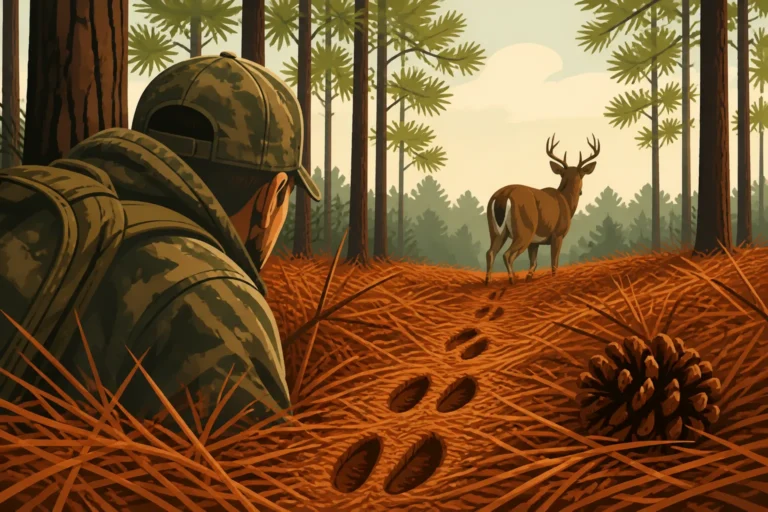
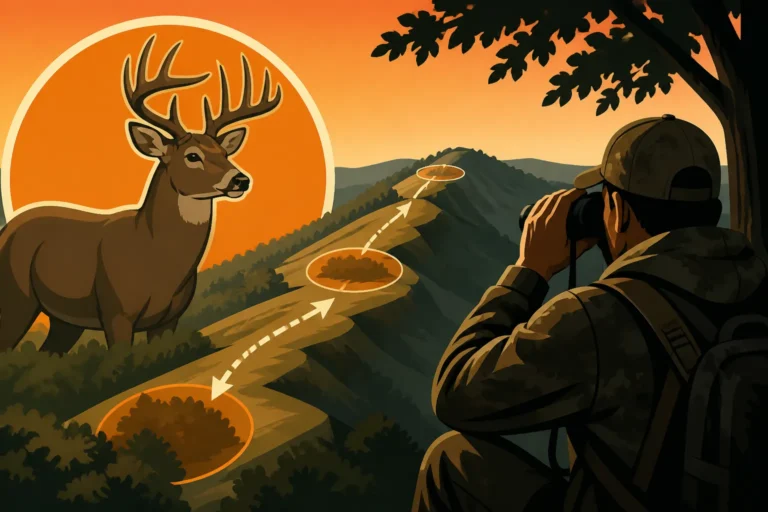
Even though the season starts later, your pre-season scouting shouldn't. As summer begins to fade into early fall, the Upstate landscape undergoes significant changes that directly impact deer behavior. This is your window to hit the woods and identify key areas. Look for established trails leading from bedding thickets to emerging food sources. Pay close attention to water sources, especially during dry spells, as deer will often travel further for a reliable drink. Early season is also the time to identify bedding areas. In the Upstate, these often reside on ridge tops for better visibility and wind advantage, or in dense, south-facing thickets that catch the morning sun.
As you explore, don't just look for tracks; note the size and freshness. Keep an eye out for rub lines and scrapes, even if they're not intensely active yet. These can give you clues about dominant buck travel routes once the testosterone levels start to rise. Utilizing mapping apps like GoHunt can be incredibly helpful here. You can mark potential bedding, feeding, and travel corridors, noting details like topography, prevailing winds, and even historical harvest data if you have it. This meticulous logging of information turns your scouting efforts into a strategic blueprint, making sure you're not just wandering aimlessly when opening day arrives.
Focus on Food Sources
In the early weeks of the Upstate season, deer are largely driven by food. Acorns, specifically, are king. As different oak species drop their mast throughout the fall, deer will shift their feeding patterns dramatically. White oaks are often the first to drop, followed by red oaks. Finding a stand of actively dropping white oaks can be a goldmine, especially if it's tucked away from heavy human pressure. But don't just rely on oaks. Early season can also see deer hitting persimmons, muscadines, and even some agricultural fields if you're hunting closer to the fringes of developed areas.
A crucial part of your scouting should be identifying these preferred food sources and determining which ones are "hot." Look for fresh droppings, disturbed leaves under oak trees, and even deer tracks leading directly to fruit trees. The best early season spots are often areas where multiple preferred food sources converge, or where a single, abundant source is located near heavy cover. This differs significantly from the coastal zones where abundant browse, planted food plots, and year-round forage might dictate earlier movements. In the Upstate, it’s all about the mast crop, so staying on top of which trees are dropping and where deer are congregating to feed is your primary objective. This is where a resource like Hunting After a Poor Acorn Year becomes vital, helping you understand how deer adapt when their favorite food source is scarce.
Reading the Terrain
Upstate terrain is a beast all its own, and understanding it is critical for success. We’re not dealing with flat swamps or gentle pine plantations here. We have elevation changes, steep ridges, deep hollows, and rocky outcrops that funnel deer movement in predictable ways. Deer will often use the contours of the land to their advantage, traveling along benches on hillsides, dropping into saddles between ridges, or following the path of least resistance through creek bottoms.
You need to learn to Reading a Ridge for Upstate Deer. Pay attention to how wind and thermals interact with the topography. In the mornings, thermals tend to rise, carrying scent uphill. In the evenings, they fall, pushing scent down into the hollows. This means your stand placement on a ridge or hillside needs to account for not just the prevailing wind, but also these dynamic thermal shifts throughout the day. Look for natural funnels – places where the terrain compresses deer movement, such as a narrow neck of timber between two steep hollows, a saddle connecting two ridge tops, or a creek crossing. These are prime ambush points. Using a topographic map or a satellite image overlay on your GoHunt app can help you visualize these natural corridors and plan your approach and exit routes silently and efficiently.
Effective Tactics for Early Season Upstate Deer
Once you’ve done your homework and the season has finally opened, it’s time to put those scouting insights into action. The Upstate’s unique environment and later opener demand specific tactics that capitalize on the deer’s early-season behaviors, rather than just hoping for a rutting buck to wander by.
Still-Hunting and Glassing
In the more expansive, often open timber of the Upstate, still-hunting and careful glassing can be incredibly effective. Unlike sitting over a small food plot, the Upstate often presents opportunities to cover ground slowly and methodically, picking apart the terrain with your optics. Still-Hunting Sumter Forest Ridges is a classic tactic for a reason. Move slowly, taking a few steps, then stopping to scan with your binoculars, focusing on areas of cover, dark timber lines, and benches on hillsides. You're looking for movement, a horizontal line in a vertical world, or the tell-tale flick of an ear.
This method works especially well when acorns are scattered or when deer are moving between bedding and feeding areas throughout the mid-morning or late afternoon. It requires patience and a keen eye, but the reward is often spotting deer before they spot you, allowing you to plan a quiet stalk or find an impromptu ambush point. Don't be afraid to sit down for extended periods, even for 20-30 minutes, just glassing. Deer often appear as if from nowhere, and a prolonged pause gives you the best chance to catch them.
Stand Placement Considerations
When it comes to stand placement in the Upstate, it's all about playing the wind, thermals, and topography. Our terrain offers distinct advantages and challenges. A common mistake is setting up in the most obvious feeding area without considering the approach and exit. Deer, especially mature bucks, are highly sensitive to pressure. Your ideal stand location is one that allows you to get in and out undetected, positioning you downwind or crosswind of likely deer travel.
Ridge saddles and benches are classic setups. Deer often use these slightly flatter areas to traverse hillsides. When Hanging a Stand on a Sumter Forest Ridge, consider the sun's angle. An east-facing ridge allows the morning sun to hit you first, helping warm you but also potentially silhouetting you. A west-facing ridge might be better for an evening hunt, keeping the setting sun behind you. Also, think about the canopy. In the dense hardwoods, you might not get many long shots, so focus on high-traffic areas within 50 yards of your stand. Ensure you have clear shooting lanes, but don't over-trim, as too much cutting can make your spot look unnatural. Utilizing a mobile setup, like a tree saddle or a lightweight climbing stand, gives you the flexibility to adapt to changing conditions and new sign you find.
Dealing with Warm Weather
Early season in South Carolina, even in the Upstate, can still bring sweltering temperatures. Dealing with Warm-Weather Sitting Strategy in South Carolina is crucial for comfort, scent control, and ultimately, success. High temperatures mean deer activity will often be concentrated during the cooler hours of dawn and dusk. Midday hunts might be slow, with deer bedded down in thick, shady cover near water sources.
For hunters, this means focusing your efforts on those prime low-light periods. Pay extra attention to scent control – a warm body sweats more, broadcasting your presence. Lightweight, breathable hunting clothing is a must. Consider bringing a Thermacell or other insect repellent to ward off mosquitoes and gnats, which are still active in early fall. When temperatures are high, deer will seek out shaded, breezy areas for bedding. Scouting creek bottoms, north-facing slopes, and dense pine thickets can reveal these thermal refuges. Also, keep in mind that deer will need water more frequently in warm weather, making secluded water sources excellent ambush points. Don't let the heat deter you; simply adapt your strategy to the conditions, understanding that deer are doing the same.
Gear and Logistics for Upstate Hunting
Hunting the Upstate opener isn't just about tactics; it's also about having the right gear and understanding the logistical challenges of our diverse landscape. From what you wear to how you navigate, every detail can impact your success and enjoyment.
Packing for Mountain Terrain
The Upstate isn’t "mountains" in the Rockies sense, but our foothills and ridges still demand respect. You'll be covering more ground, often with significant elevation changes, so your gear needs to be up to the task. Comfortable, broken-in hiking boots with good ankle support are non-negotiable. Forget those heavy, insulated boots unless you're hunting deep into January. Instead, opt for lightweight, breathable, and waterproof options.
When packing your backpack, think layers. Mornings can be chilly, but midday climbs will work up a sweat. A good base layer that wicks moisture, a mid-layer for warmth, and a lightweight, quiet outer shell will serve you well. Don't forget essentials like a headlamp, a first-aid kit, plenty of water, and high-energy snacks. Even if you're only planning a half-day hunt, unexpected events can extend your time in the woods. For more ideas on what to carry, check out Packs Built for a Sumter Forest Day Hunt, which offers excellent advice for tackling our rugged public lands.
Optics for Longer Shots
The Upstate’s more open timber and undulating terrain often present opportunities for longer shots than you might get in the dense, thick Lowcountry swamps. This makes quality optics essential. A good pair of 8×42 or 10×42 binoculars is invaluable for picking apart distant cover, identifying deer movement, and confirming antlers. They’ll save you countless unnecessary steps and help you spot game you’d otherwise walk past.
A reliable rangefinder is also a must-have, especially if you're hunting with a rifle or a crossbow. Knowing the exact distance to your target, whether it’s a deer standing on a far ridge or a tree you’ve pre-ranged for a potential shot, instills confidence and ensures ethical shot placement. For more on choosing the right glass for our South Carolina whitetails, Binocular Choice for South Carolina Whitetails delves into specifics that are perfect for the Upstate. Invest in the best optics you can afford; they'll dramatically increase your effectiveness and enjoyment afield.
Navigating Public Land
Much of the Upstate offers fantastic public land hunting opportunities, especially within the Sumter National Forest. But these lands can be vast and confusing without the right tools. Gone are the days of relying solely on paper maps, though a physical map and compass are always good backups. Today, digital mapping apps are your best friend.
Platforms like GoHunt, or the free Go Outdoors SC app, provide detailed satellite imagery, topographic maps, and property boundaries that are invaluable for planning your hunts and staying found. You can mark waypoints for your stand locations, prospective food sources, and even your vehicle, ensuring you know how to get back out after a successful hunt. These apps can also show you WMA boundaries and regulations, which can change frequently. Before you head out, make sure your phone is fully charged, and consider carrying a portable power bank. It’s also wise to download offline maps, as cell service can be spotty or nonexistent in many remote Upstate areas. Taking the time to Scouting With the Go Outdoors SC App before you ever set foot in the woods will save you headaches and help you unlock hidden gems on public land.
Understanding Upstate Deer Behavior
Deer are creatures of habit, but those habits are heavily influenced by their environment. In the Upstate, factors like mast crops, hunting pressure, and the specific phase of the season dictate how and where deer move. A deeper understanding of these nuances will give you a significant edge when the season opens.
Impact of Acorns and Hard Mast
We've touched on it, but it bears repeating: acorns are absolutely critical in the Upstate during early season. When the hard mast drops, deer will abandon other food sources to gorge themselves on this calorie-rich treat. The challenge is that not all oak trees drop at the same time, and some years are better than others. A "boom" year for acorns can spread deer out, making them harder to pattern, as they have abundant food almost everywhere. A "bust" year, however, concentrates deer around the few remaining productive oak trees, or pushes them to alternative food sources like green browse, privet, or even agricultural fields on the forest fringes.
Your scouting should involve identifying the different oak species in your hunting area and monitoring their production. White oaks drop first and are often preferred, but red oaks provide a crucial food source later in the season. Understanding which trees are dropping when, and whether it’s a good year for Hunting After a Poor Acorn Year, will tell you exactly where deer will be spending their time feeding. Look for fresh cuttings, droppings, and tracks under productive trees, especially in secluded bottoms or on gentle slopes away from major trails.
Pressure and Sanctuary Areas
Even in the rugged Upstate, hunting pressure is a reality, especially during opening weekend. Deer quickly learn to avoid areas where they encounter human activity. This often means they become nocturnal or retreat to dense, nearly impenetrable cover – their sanctuary areas. Identifying these sanctuaries is key to consistently finding deer, particularly mature bucks, throughout the season.
Sanctuaries in the Upstate are often found in the steepest, thickest draws, the densest pine thickets, or deep within private land adjacent to public access points. While you might not be able to hunt these precise spots, understanding where deer feel safe allows you to set up on the travel corridors leading to and from them. Focus on the fringes of these areas, or the "transition zones" where deer feel comfortable enough to feed or travel before heading into thicker cover. Early mornings and late evenings are the best times to intercept deer moving into or out of these sanctuaries. Recognizing the impact of Hunting Pressure on South Carolina Public Land means you'll spend less time hunting empty woods and more time in productive areas.
Buck Movement Patterns
Before the rut truly kicks in, Upstate bucks are primarily focused on two things: feeding and growing bigger. During the early opener, they are often still in their bachelor groups or just beginning to disperse, but they haven't yet entered the intense phase of seeking does. Their movements will be more predictable, largely revolving around bedding to feeding patterns. They'll typically bed in dense cover, often on ridges or slopes that offer a good vantage point and scent-checking ability, then move to feeding areas during low light.
As the season progresses and the days shorten, testosterone levels start to rise, and you'll begin to see more rubs and scrapes. These aren't necessarily rut-driven yet, but rather indications of bucks marking their territory and shedding velvet. Pay attention to these signs. A fresh rub line along a travel corridor between a feeding area and a bedding thicket can indicate a buck's preferred route. However, don't expect them to be wildly chasing does. Your best bet for an early season buck is to catch him during his routine, which means you need to be in his bedroom or kitchen, or along the path he takes between them.
Upstate Zone 1 Deer Season Key Dates
To help keep your hunting plans organized, here's a quick overview of the typical opening dates for deer season in South Carolina's Zone 1. Remember, always consult the current SCDNR regulations for the most precise and up-to-date information, as dates can occasionally shift.
| Season Type | Typical Start Date (Zone 1) | Primary Focus |
|---|---|---|
| Archery | Mid-September | Food sources, bedding/feeding patterns, little rut |
| Primitive Weapons | Early October | Food sources, early sign of buck activity |
| Modern Firearms | Mid-October | Food sources, increasing pre-rut sign |
This table highlights just how much later our season kicks off compared to other parts of the state, underscoring the need for specialized tactics tailored to these specific windows.
Disclaimer
Hunting is an inherently dangerous activity. Always prioritize safety, understand and follow all South Carolina Department of Natural Resources (SCDNR) regulations, and obtain appropriate licenses and permits. The information provided in this guide is for informational purposes only and should not replace official hunting regulations or professional guidance. Hunting laws and seasons can change, so always verify the latest information from official SCDNR sources before heading afield.