Bow and Crossbow Setups for South Carolina
Trying to dial in your archery or crossbow setup for hunting in South Carolina can feel like a puzzle with a million tiny pieces. Between the unique demands of our diverse terrain, from the dense swamps of the Lowcountry to the rolling hills of the Upstate, and the warm, often humid weather that sticks around well into hunting season, it's easy to get overwhelmed. This guide is all about cutting through that confusion, helping you understand the nuances of setting up your bow or crossbow for maximum effectiveness and enjoyment in the Palmetto State.
Understanding South Carolina's Archery Landscape
South Carolina offers one of the longest archery seasons in the nation, which is fantastic news for bowhunters. However, that extended opportunity comes with its own set of considerations. You're not just dealing with the deer; you're battling the climate, the bugs, and the thick, unforgiving cover that characterizes much of our wild lands.
The Unique Challenges of Hunting the Palmetto State
Hunting deer with a bow or crossbow in South Carolina means adapting to a specific environment. Unlike the wide-open spaces of some Western states, our hunting often involves tight shooting lanes, dense undergrowth, and a lot of patience in warm conditions. You'll likely be dealing with mosquitoes and gnats, especially in the early season, and humidity that can make scent control a monumental task. The terrain shifts dramatically from the coastal plains with their cypress swamps and pine flats to the Piedmont's hardwood ridges and agricultural fields, and then up to the steep, rocky slopes of the Blue Ridge Escarpment. Each of these areas presents different challenges for shot distance, concealment, and game recovery.
The early archery season, which kicks off in mid-August in some zones, means sweltering temperatures and deer that are still in their summer patterns, often nocturnal and holding tight to thick cover. This makes close-range encounters even more critical, placing a premium on stealth, scent management, and quick, precise shooting. You might find yourself setting up over a persimmon tree dropping fruit, or a well-used trail leading to a hidden water source, where shots are measured in yards, not dozens of yards. This close-quarters battle demands a setup that's quiet, reliable, and capable of delivering maximum energy in a confined space.
Legalities and Regulations for Bow and Crossbow Hunters
Before you even think about buying new gear, it's crucial to understand the rules. South Carolina has specific regulations regarding archery and crossbow hunting that differ from rifle seasons. For example, crossbows are generally permitted during any statewide archery season, which is a huge bonus for many hunters, including those with physical limitations or those who simply prefer a crossbow's characteristics. However, always double-check the latest regulations from the South Carolina Department of Natural Resources (SCDNR) as rules can occasionally change. You don't want to find yourself in a bind because you weren't up to date.
One key aspect to remember is that you'll need a valid hunting license and a big game permit, just like any other deer hunter. If you plan to hunt on public lands, such as Wildlife Management Areas (WMAs) or National Forests, you'll also need a WMA permit. Some WMAs may have additional specific regulations or quota hunts, so it's always wise to consult the individual WMA rules beforehand. Knowing these rules intimately ensures a smooth and legal hunt, allowing you to focus on the game and not on potential violations. Always carry proof of your licenses and permits when afield. South Carolina Hunting Licenses and What They Cost is a great resource if you need to brush up on license types.
Season Structure and Opportunity
South Carolina's deer season structure is divided into four distinct game zones, each with its own opening and closing dates for archery. This means incredible opportunities, but also requires a solid understanding of which zone you'll be hunting in. Zone 4, the coastal plain, often boasts the earliest archery opener in mid-August, offering a long season that runs well into the fall. Zones further inland, like Zone 1 in the Upstate, typically open later, often in mid-September or early October. This staggered opening allows hunters to potentially experience different phases of the deer season, from early-season patterns to the intense rut, depending on where they choose to hunt.
The sheer length of the season, combined with generous bag limits in many areas, makes South Carolina a bowhunter's paradise. Whether you prefer hunting early season over lush food sources, the peak rut in October and November, or late-season over hard mast, there's a window for you. This extended opportunity means your bow or crossbow setup needs to be versatile, capable of performing in hot, buggy conditions one month and chilly, crisp weather the next. It’s not just about one perfect hunt; it’s about preparing for a whole range of possibilities across months of prime hunting. Bowhunting South Carolina's Long Archery Season provides a deeper dive into making the most of these opportunities.
Essential Bow Setup for South Carolina Whitetails
For traditional bowhunters, finding the sweet spot between power, accuracy, and maneuverability is key, especially in our dense South Carolina woods. Every component of your bow setup plays a role in your success.
Choosing the Right Bow and Draw Weight
When it comes to a compound bow for South Carolina, you want something reliable, reasonably quiet, and comfortable to shoot. Modern bows are incredibly efficient, but think about the practicalities of hunting here. You're likely taking shots under 30 yards, often much closer, meaning pinpoint accuracy trumps sheer speed in most scenarios. A bow that holds steady, draws smoothly, and is comfortable for you to shoot repeatedly is far more valuable than one that boasts the fastest IBO rating. Focus on a draw weight that you can comfortably manage, even after sitting for hours in a stand or crawling through thick brush. Struggling with a high draw weight will lead to poor form, rushed shots, and ultimately, missed opportunities or worse, a wounded animal.
Most hunters find that a draw weight between 60-70 pounds is more than sufficient for South Carolina whitetails. What's most important is that you can consistently draw it back smoothly without "sky-drawing" or shaking, even from an awkward angle in a treestand. If you’re pushing the limits of your strength, you’ll be much less accurate under pressure. Remember, a well-placed arrow from a 60-pound bow is infinitely more effective than a poorly placed arrow from a 75-pound bow. Consider your physical capabilities and opt for a weight that allows for consistent, controlled execution. You can find more information on this topic in Bow Draw Weight for South Carolina Whitetails.
Arrow Selection and FOC
Your arrow is the projectile, and its characteristics are crucial for penetration and accuracy. For South Carolina deer, a heavy, well-constructed arrow with good front-of-center (FOC) balance is generally preferred. Why? Because it carries more kinetic energy and momentum, translating to better penetration, especially if you hit a shoulder blade or heavy bone. In our often-dense cover, a pass-through shot is highly desirable for creating a good blood trail, which can be critical for recovery in thick swamp bottoms or pine plantations.
Carbon arrows are the standard for their durability and consistency. When selecting, consider both the arrow's spine (stiffness) and its overall weight. Your bow technician can help you match the correct spine to your bow's draw weight and length. A slight increase in arrow weight can significantly improve momentum and penetration without dramatically sacrificing trajectory at typical South Carolina hunting ranges. Aim for an FOC of around 10-15% for optimal flight and penetration with broadheads. This means choosing an arrow that balances weight throughout its length, often with a slightly heavier insert or point up front.
Broadheads for Tough South Carolina Game
This is where the rubber meets the road. Choosing the right broadhead is paramount for ethical hunting. Given the close-range shots and the potential for encountering larger-bodied deer in some areas, a broadhead that creates a wide cutting diameter and provides deep penetration is essential. There are two main categories: fixed-blade and mechanical (expandable) broadheads.
Fixed-blade broadheads are known for their reliability and strength. They typically offer excellent penetration because there are no moving parts to fail or slow down on impact. They are a fantastic choice for South Carolina's thicker-skinned deer and hogs, and many hunters swear by them for their consistent performance. They do require careful tuning with your bow to ensure accurate flight, as the blades can sometimes cause planning if not perfectly aligned. Consider brands with strong, razor-sharp blades that can be resharpened or easily replaced.
Mechanical broadheads, on the other hand, fly like field points due to their collapsed blades in flight, offering superior accuracy for some archers without extensive tuning. Upon impact, the blades deploy, creating a wider cutting diameter and maximizing tissue damage. However, some mechanicals can lose energy upon deployment, potentially reducing penetration on very hard impacts, though modern designs have largely mitigated this. For South Carolina, if you choose mechanicals, opt for robust designs with strong ferrules and durable blades that are less prone to breaking or failing to deploy properly in thick muscle or bone. Regardless of your choice, ensure your broadhead is sharp enough to shave hair – a dull broadhead is a recipe for a poor outcome. For more on this, check out Broadheads for Swamp Timber Shots.
Sights, Rests, and Stabilizers
These components are vital for consistent accuracy. Your bow sight should be durable, bright in low light, and easy to adjust. Many South Carolina hunters prefer multi-pin sights, allowing for quick aiming at various close distances (e.g., 20, 30, 40 yards). Fiber optic pins gather ambient light, making them visible even in the dim light of dawn or dusk under our thick canopy. A good quality sight can make all the difference when a fleeting opportunity arises.
The arrow rest is another critical component. A fall-away rest is popular for its ability to provide full fletching clearance, ensuring perfectly consistent arrow flight. When the arrow is shot, the rest drops out of the way, preventing any contact with the fletchings that could alter the arrow's path. Other popular options include full-containment rests, which hold the arrow securely, preventing it from falling off if you have to move or adjust in the stand – a common occurrence when stalking or waiting for the perfect shot.
Finally, a good stabilizer can reduce hand shock, quiet the bow, and improve your aiming stability, especially important when holding at full draw for a few seconds waiting for a deer to clear an obstruction. While not strictly necessary for every setup, many hunters find a medium-length stabilizer improves their overall shooting comfort and accuracy. Experiment with different lengths and weights to find what feels best for your shooting style and bow.
Optimizing Your Crossbow for South Carolina Conditions
Crossbows have become increasingly popular, offering a different set of advantages, particularly for hunters who might find traditional archery challenging or simply prefer the rifle-like accuracy and ease of use.
Selecting a Crossbow for Power and Maneuverability
When picking a crossbow for hunting in South Carolina, two factors rise to the top: power and maneuverability. You need enough power to ethically harvest deer and hogs, which almost all modern crossbows deliver in spades. However, don't just chase the highest FPS number. Instead, consider the width and length of the crossbow, especially if you plan to hunt from a treestand or ground blind in tight quarters. A wide, bulky crossbow can be a nightmare to manage in a climbing stand or a pop-up blind, snagging on brush or making too much noise when you try to pivot for a shot.
A compact crossbow, perhaps one with a narrower axle-to-axle width when cocked, or a shorter overall length, will be much easier to handle. Look for models that balance power with a nimble design. The weight of the crossbow is also a consideration; lighter models are easier to carry on long walks through the national forest or to hold steady for extended periods. Brands like GoHunt often highlight compact designs perfect for navigating dense woods. Don't forget the cocking mechanism – crank cockers are excellent for ease of use and consistent string tension, but rope cockers are lighter and perfectly functional.
Bolts, Points, and Quivers
Just like with a compound bow, your crossbow bolts and broadheads are critical. Standard carbon bolts designed for crossbows are the way to go. Pay attention to the manufacturer's recommended grain weight for your specific crossbow model; using too light of a bolt can void warranties and may even be unsafe. A bolt that's slightly heavier than the minimum often provides better kinetic energy and quieter operation without a significant drop in trajectory at typical hunting distances.
For points, the same principles apply as with compound bows: choose fixed-blade or robust mechanical broadheads. Given the sheer power of most crossbows, penetration is rarely an issue, so focus on broadheads that fly true and create maximum cutting diameter. Many crossbow hunters lean towards mechanical broadheads due to their field-point-like flight, which simplifies tuning. Just ensure they are designed for high-speed crossbows. Your quiver should securely hold your bolts, keep your broadheads protected, and attach to your crossbow in a way that doesn't interfere with handling or shooting. A quick-detach quiver is a nice feature, allowing you to remove it easily once in your stand to reduce bulk.
Scopes for Varying Light and Range
One of the big advantages of crossbows is the ability to mount a scope, which can significantly improve accuracy for many hunters. For South Carolina, you’ll want a scope that performs well in low light, as many shot opportunities occur at dawn and dusk or in heavily shaded areas. Variable power scopes (e.g., 1.5-5x or 3-9x) offer versatility, allowing you to zoom in for longer shots (if your area allows and you've practiced) or zoom out for a wider field of view at closer ranges.
Many crossbow-specific scopes feature illuminated reticles and multiple aiming points (ballistic drop compensators) for various distances, typically 20, 30, 40, and 50 yards. Ensure your scope is parallax-free at crossbow hunting distances (often around 30 yards) for consistent accuracy. Bright, clear glass is a must. Don't skimp on your optics; a good scope will dramatically enhance your crossbow's effectiveness. Consider a scope that is also fog-proof, as South Carolina's humidity can be a real challenge, causing cheaper optics to fog up at the worst possible moment.
Accessories for Crossbow Hunters
Beyond the main components, a few accessories can make a big difference for crossbow hunters. A good quality sling is essential for comfortable transport, especially during long treks to your stand. You'll also want to invest in a decent target specifically designed for crossbows, as their high speed and energy can quickly tear up lesser targets.
Waxing your string regularly is crucial for crossbow maintenance, extending its life and ensuring consistent performance. A string stop or dampeners can also help reduce noise and vibration, making your crossbow quieter in the woods. Finally, consider a compact bipod or shooting sticks, especially if you anticipate hunting from the ground or needing extra stability for a precise shot. These can be particularly helpful when hunting over a food plot or a clear-cut where shots might be a bit longer or require a steadier hold. Crossbow Rules During South Carolina Archery Season can give you more specific legal considerations.
| Feature / Consideration | Compound Bow | Crossbow |
|---|---|---|
| Learning Curve | Moderate to High | Low to Moderate |
| Physical Demands | Moderate (draw weight) | Low (cranking/cocking) |
| Maneuverability | Generally High | Can be lower (width/length) |
| Accuracy Potential | High (with practice) | High (rifle-like) |
| Typical Shot Range | 20-40 yards | 20-60 yards (ethical limits) |
| Speed/Energy | High | Very High |
| Noise Level | Generally Quiet | Can be louder (less common now) |
| Maintenance | String wax, occasional tune-ups | String wax, rail lube, bolt inspection |
| Ideal for | Active, hands-on hunting | Steady aim, less physical strain |
Treestands, Ground Blinds, and Mobile Hunting
Once your weapon is dialed in, where you position yourself is the next big piece of the puzzle. South Carolina's diverse habitats offer various options, each with its own advantages and disadvantages.
Portable Treestands and Safety Harnesses
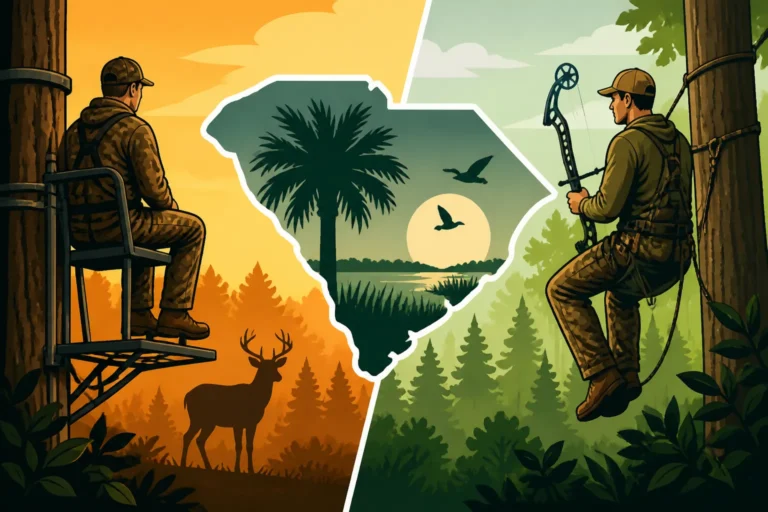
Treestands are a staple for bowhunters across South Carolina, providing an elevated vantage point that improves visibility and helps spread your scent cone above a deer's nose. For public lands or areas where you can't leave a stand permanently, portable treestands are your best friend. This includes climbing stands, lock-on stands, and ladder stands. Climbing stands are fantastic for mobility in areas with straight-trunked trees, allowing you to quickly move to where the deer are. Lock-on stands, paired with climbing sticks or a climbing aid, offer more versatility in tree choice but take a bit longer to set up and take down.
Regardless of the type, a full-body safety harness is non-negotiable. Every year, hunters are injured or killed in treestand accidents. Falling from a treestand is a real danger, and the thick, often swampy ground in South Carolina can make a fall even more devastating. Always use your harness from the moment your feet leave the ground until you're safely back down. Utilize a lineman's belt for safety while hanging lock-ons and a tether from your harness to the tree once you're in position. Treestand Safety Gear for Wet Ground offers essential advice for mitigating risks.
Saddle Hunting for Ultimate Mobility
Saddle hunting has exploded in popularity, and for good reason, especially in places like South Carolina where mobility and stealth are paramount. A saddle setup allows for unparalleled freedom of movement around the tree, providing shot opportunities in nearly every direction that might be blocked by a treestand platform. It's incredibly lightweight, making long hikes into remote public land much more manageable.
This method is particularly effective for hunting pressured public land where deer are wary of static stand locations. With a saddle, you can quickly set up on a newly discovered deer sign, adapting to changing conditions or deer patterns. It offers a level of concealment that's hard to beat, as your profile is much smaller than in a traditional stand. The learning curve for saddle hunting can be a bit steeper than a treestand, but the benefits in terms of comfort, safety, and versatility make it a fantastic option for the dedicated South Carolina bowhunter. Many GoHunt users swear by their saddle setups for navigating difficult terrain. Saddle Hunting in South Carolina Hardwoods dives into specific techniques for this method.
Ground Blinds for Field Edges and Thick Cover
Sometimes, going mobile or climbing a tree just isn't the best option. This is where ground blinds shine. A well-placed pop-up ground blind can be incredibly effective, especially when hunting field edges, food plots, or in areas with sparse trees unsuitable for treestands. They offer excellent concealment, allowing you to move subtly, draw your bow, or cock your crossbow without being detected. This is a huge advantage when dealing with wary South Carolina whitetails.
Ground blinds are also a fantastic choice for early season when foliage is thick, offering natural cover. They provide protection from the elements – a blessing during an unexpected South Carolina downpour – and can help contain your scent to some degree, though strict scent control practices are still vital. Remember to brush in your blind thoroughly with natural vegetation to help it blend into the surroundings and break up its outline. Give deer a few days to get used to its presence before hunting it if possible. They are also an excellent option for youth hunters or those with physical limitations who may find treestands challenging. Remember to check WMA rules for ground blind regulations. Ground Blind Rules on South Carolina WMAs provides specific guidelines.
Scent Control and Bug Protection in Warm Climates
If you've hunted South Carolina, you know that the fight against detection and discomfort is real. Our warm, humid environment makes these two aspects critical for archery success.
Battling South Carolina's Humidity and Heat
The early archery season in South Carolina often means hunting in temperatures that feel like summer, with high humidity levels that make you sweat just thinking about walking to your stand. Deer have an incredible sense of smell, and any human odor, no matter how faint, can send them running. This makes scent control an absolute battle. You'll want to invest in a comprehensive scent control regimen, starting long before you even leave the house.
This includes showering with scent-free soaps, washing your hunting clothes in scent-free detergent, and storing them in airtight containers or bags. Dressing in lightweight, breathable layers is crucial to minimize sweating on your walk in. Many hunters even change into their outer hunting clothes only when they reach their stand, carrying them in a scent-proof bag. Consider using ozone-generating devices for your clothing and gear, or scent-eliminating sprays, though nothing beats playing the wind. Even with the best products, a swirling or unfavorable wind will still bust you, so always prioritize stand placement based on wind direction. Scent Control Gear for South Carolina Humidity delves into these strategies.
The Constant Fight Against Biting Insects
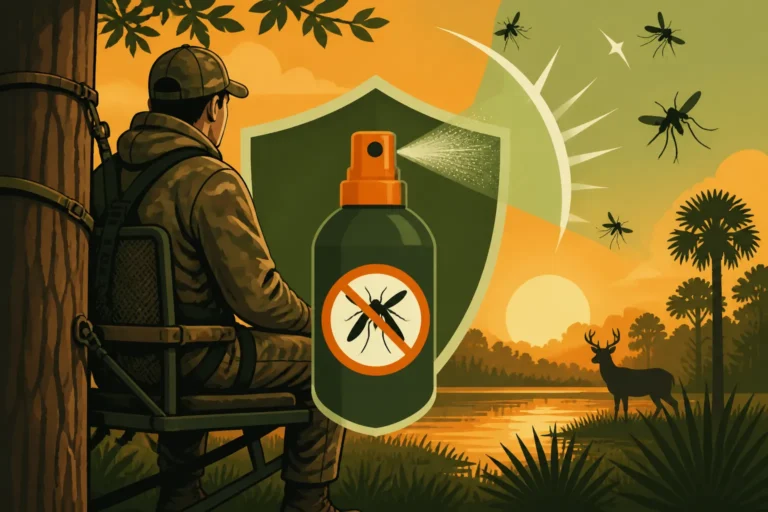
Alongside the heat and humidity come the bugs – mosquitoes, gnats, and ticks, oh my! These aren't just annoying; they can completely derail a hunt. The constant buzzing, biting, and itching make it nearly impossible to sit still and focused, and the swatting can spook game. Worse, ticks carry diseases, making tick prevention a serious health concern.
Long sleeves and pants, even in warm weather, are a good first line of defense. Treat your hunting clothes with permethrin, a repellent that lasts for several washes and is highly effective against ticks and mosquitoes. For exposed skin, a strong DEET-based repellent is often necessary. Some hunters also use thermacells or other personal mosquito repellent devices, which create a small, bug-free zone around your stand. Don't forget a head net or bug suit for those truly miserable days, especially in the lowcountry swamps. Staying comfortable means staying focused, and that's key to making a clean shot when the opportunity arises. Bug Repellent That Holds Up in a Tree Stand offers practical advice for managing these pests.
Accessories and Field Essentials for Archery Hunters
Beyond your bow or crossbow, a few key accessories can make your South Carolina archery hunt safer, more efficient, and ultimately, more successful.
Rangefinders and Optics for Close Encounters
In South Carolina, while many shots are close, accurately knowing that distance is still critical. A good rangefinder is an indispensable tool for bow and crossbow hunters. Even a 20-yard shot can feel longer or shorter than it is, especially when adrenaline is pumping. Practice ranging trees and landmarks around your stand or blind before deer appear, so you have preset distances to reference. For typical hunting ranges here, you don't need a rangefinder that measures out to 1000 yards; one accurate up to 100-200 yards is perfectly sufficient and often more affordable. Brands like GoHunt often review affordable, reliable options for bowhunters.
In addition to a rangefinder, a pair of compact binoculars (e.g., 8×32 or 10×42) can greatly enhance your ability to spot deer through thick cover, identify antler size, or observe game behavior before they enter your shooting lane. They are also incredibly useful for scanning for blood trails after the shot. Choose optics that offer good low-light performance, as much of your hunting will be in the dim hours of dawn and dusk. Rangefinders Under 100 Yards discusses the specifics of these crucial tools.
Game Recovery and Field Dressing Gear
Once you've made a successful shot, the work isn't over; it's just beginning. South Carolina's warm temperatures and thick cover make efficient game recovery and field dressing absolutely vital. Always carry a sharp, reliable field dressing knife – or two. A gut hook can be useful, but a good sharp blade is paramount for quick, clean work. Consider a bone saw if you plan to quarter in the field or remove the head for taxidermy.
Game bags are essential for keeping meat clean and cool, especially if you have a long drag out or if temperatures are high. Even better, bring a quality cooler filled with ice for immediate cooling of the meat once retrieved. This is particularly important for early season hunts where meat can spoil quickly. A headlamp or powerful flashlight is also a non-negotiable item for blood trailing and field dressing in the dark. A good blood trail can be hard to follow in pine straw or leaf litter, so take your time and mark the last sign you found. Field Dressing Knives Worth Carrying has more details on this.
Navigation and Safety Tools
Getting lost in South Carolina's vast public lands, especially the swamps or dense timber of the national forests, is a real possibility, particularly when tracking a deer in unfamiliar territory. A reliable GPS unit or a smartphone with a robust hunting app (like those offered by GoHunt with offline maps) is critical. Mark your stand location, your vehicle, and any turns you make. Always tell someone where you're going and when you expect to be back.
Beyond navigation, a basic first aid kit is a smart addition to your pack. Accidents happen, whether it's a cut from a broadhead, a twisted ankle, or an unexpected insect sting. Carry essentials like bandages, antiseptic wipes, pain relievers, and any personal medications. A small whistle can also be useful for signaling in an emergency. Being prepared for the unexpected ensures that your hunting experience is not only successful but also safe.
Practice Makes Perfect: Honing Your Archery Skills
No matter how high-tech your gear, it's ultimately your skill that makes the shot count. Consistent practice is the most important element in your bow or crossbow setup.
Consistent Practice Routines
Setting up your bow or crossbow is only half the battle; the other half is consistently putting in the practice time to master it. Archery is a perishable skill, meaning if you don't practice regularly, your accuracy will decline. Establish a consistent routine, shooting at least a few times a week, year-round if possible. Don't just shoot from one distance; practice at various ranges, from your typical 20-yard shot to your maximum ethical hunting distance.
Practice from different positions: standing, kneeling, and especially from an elevated position like a treestand. Simulate real hunting scenarios as much as possible, including shooting with your hunting clothes on. Work on holding at full draw, controlling your breathing, and executing a clean release or trigger squeeze. The goal is to build muscle memory so that when a deer steps out, the shot feels natural and automatic, even with adrenaline coursing through your veins. Consistency in practice builds confidence, and confidence leads to better shots in the field.
Understanding Shot Placement and Angles
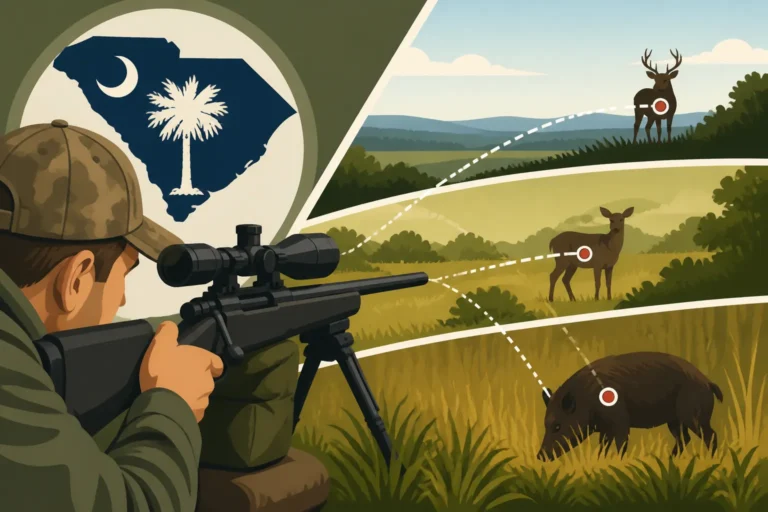
Knowing where to aim is just as important as being able to hit that spot. For deer and hogs, understanding anatomy and proper shot placement is paramount for a quick, ethical kill. The ideal shot for a bow or crossbow is the "double lung" shot, aiming for the area directly behind the shoulder. This targets the vitals (lungs and heart), leading to a rapid, humane harvest and an excellent blood trail. Avoid shoulder shots, as the heavy bone can stop an arrow and lead to a wounded animal.
Practice visualizing this kill zone from various angles – broadside, quartering-away, and even slightly quartering-to (though the latter is generally less forgiving for archery). Never take a shot at a deer that is facing directly towards or away from you, as the vital organs are too small and protected. Be patient, wait for the animal to present the best angle, and if it doesn't, let it walk. There will always be another opportunity. Your job as a hunter is to make the most ethical shot possible, and that comes down to both skill and judgment. Warm-Weather Sitting Strategy in South Carolina often leads to these crucial shot opportunities in the early season.
Disclaimer
This article is for general informational purposes only and does not constitute professional advice. Laws, prices and regulations vary by location and change over time. Consult a qualified professional for guidance on your specific situation.