Primitive Weapons Deer Hunting in South Carolina
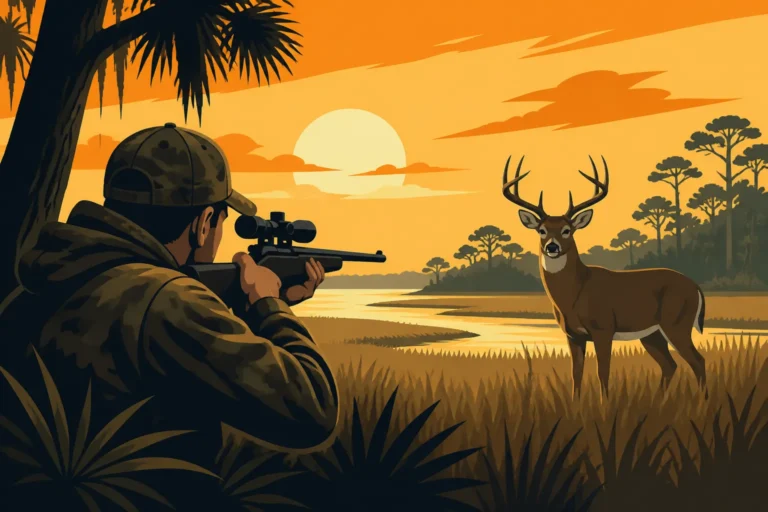
There’s a special kind of satisfaction that comes from stepping into the South Carolina woods armed with a primitive weapon. It's more than just hunting; it's a deep connection to tradition, a challenge that sharpens your senses, and an opportunity to truly immerse yourself in the wild. If you've felt the frustration of crowded gun seasons or yearned for a more intimate experience, primitive weapons deer hunting in South Carolina offers a unique and rewarding path to filling your tag while reconnecting with the ancestral spirit of the hunt.
Understanding South Carolina's Primitive Weapons Season
Stepping into the primitive weapons season in South Carolina isn't just about choosing a different tool; it's about embracing a different mindset. The state offers specific windows where hunters can pursue deer with traditional archery equipment and muzzleloaders, often before or alongside the general firearms season. These periods are designed to give hunters a unique challenge and a chance to engage with the deer herd in a more historical, up-close manner. Understanding these nuances is crucial for a successful and legal hunt.
What Qualifies as a Primitive Weapon in SC
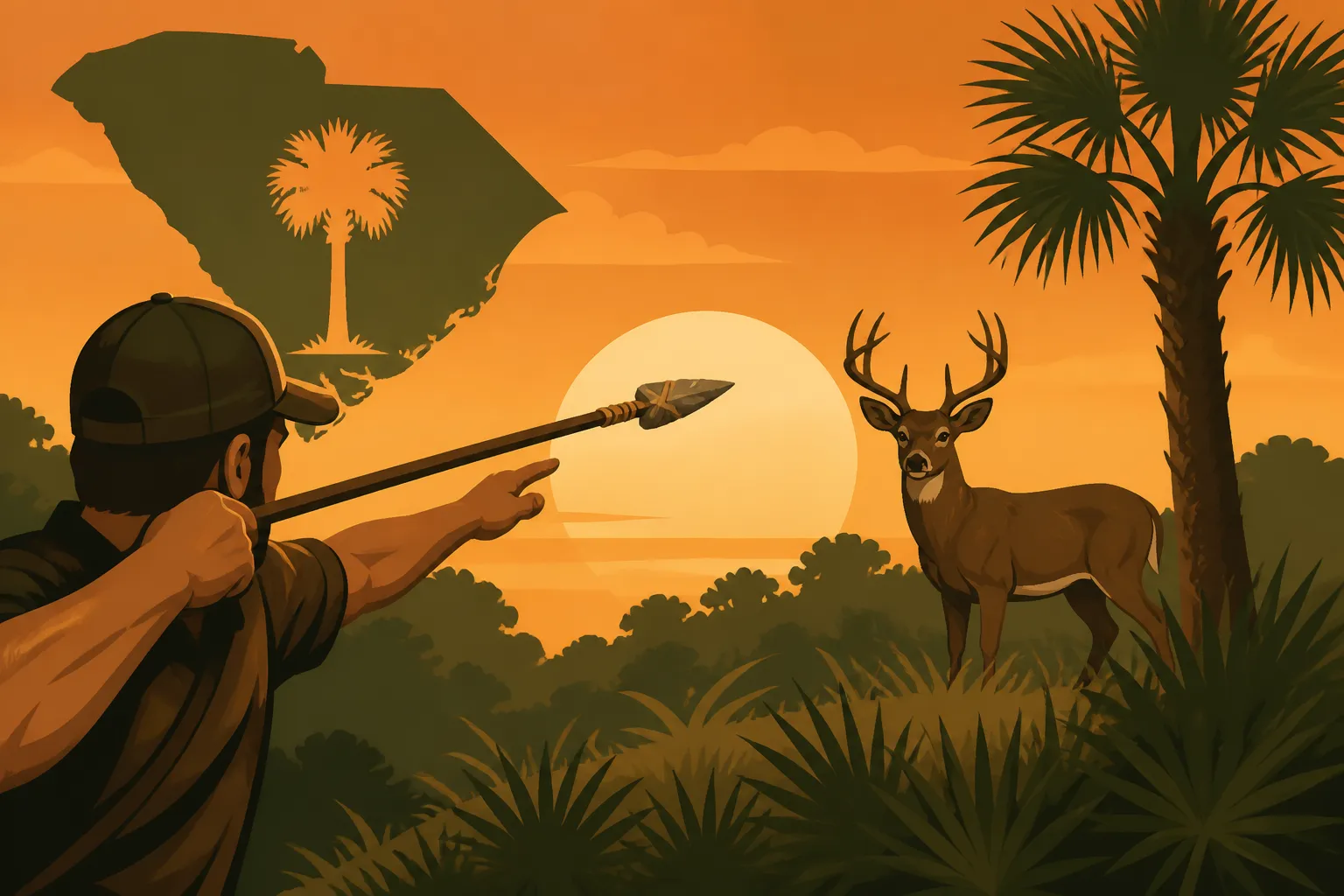
When the regulations talk about "primitive weapons" in South Carolina, they're generally referring to two main categories: archery equipment and muzzleloaders. Each has its own set of specifications and expectations. For archery, this means traditional bows like longbows and recurves, as well as modern compound bows. Crossbows are also allowed during these seasons, offering a great option for hunters who prefer that style or may have physical limitations. The key is that they must be operated by a single person and use an arrow or bolt with a broadhead. You won't find regulations allowing atlatls or spears for deer, so stick to bows and muzzleloaders.
Now, for muzzleloaders, the rules are pretty specific. You’re looking at firearms that load projectiles from the muzzle, using black powder or a black powder substitute. This includes traditional cap-and-ball revolvers, percussion rifles, and even modern in-line muzzleloaders. However, there’s a critical distinction to be aware of during some primitive weapons seasons in South Carolina: optics. While modern in-lines are popular, some primitive weapons seasons specifically prohibit the use of telescopic sights, restricting you to open sights or peep sights. Always double-check the current SCDNR regulations for the specific zone and WMA you plan to hunt, as these rules can vary. The intent behind these restrictions is to maintain a more traditional, skill-based hunting experience, limiting the range and precision closer to historical methods. It adds a whole new layer of challenge and satisfaction when you make that shot with iron sights.
Primitive Season Dates and Zone Overlaps
South Carolina's deer season structure, with its varied opening and closing dates across the state, definitely keeps hunters on their toes. This complexity extends to the primitive weapons seasons as well. The state is divided into South Carolina's Four Game Zones, each with its own calendar, and understanding how these zones impact your primitive hunting opportunities is paramount.
For instance, the coastal plain (Zone 4) often boasts some of the earliest archery and primitive weapons openers, sometimes as early as August 15th on private lands. This can mean hunting in warm, humid conditions, but it also provides the first crack at undisturbed deer. As you move inland, particularly into the Upstate (Zone 1), the seasons typically open later, often not until September or even later, aligning with more traditional fall weather. These staggered seasons offer a fantastic advantage for hunters willing to travel, allowing for extended opportunities across different habitats and deer behaviors. You might start your season Hunting the Earliest Coastal Zone Opener with a muzzleloader, then shift to the Upstate for a late-season archery hunt. Many hunters find that primitive weapons seasons frequently overlap with or precede the general firearms season, providing an excellent chance to hunt with less pressure before the woods become bustling with rifle hunters. This early access means deer may be less wary, offering better opportunities for the close-range shots required by primitive gear. Always consult the latest SCDNR hunting guide or the Go Outdoors SC app to confirm precise dates for your target zone and any specific Wildlife Management Area (WMA) regulations, as they can sometimes differ from private land rules.
Essential Gear for Primitive Hunters
Embracing primitive weapons deer hunting isn't about roughing it completely, but it does mean a more deliberate approach to your gear. You won't be reaching for that high-power, long-range rifle. Instead, you're focusing on reliability, precision at closer ranges, and understanding the unique demands of your chosen "primitive" tool. Getting your setup dialed in is critical for ethical, effective hunting and ensuring you have the confidence when that buck steps into range.
Muzzleloader Choices and Setup
When it comes to muzzleloaders, you've got options, each offering a slightly different experience. On one end of the spectrum, you have the truly traditional flintlock or percussion cap rifles, echoing the frontier spirit. These often require more meticulous loading and can be a bit more finicky, especially in damp South Carolina weather, but the sense of accomplishment with a successful harvest is immense. Then there are the modern in-line muzzleloaders, which still load from the muzzle but incorporate more contemporary features like exposed breeches for easier primer access and often boast better accuracy and reliability in various conditions. Many hunters appreciate the convenience of pelletized powder charges versus loose powder, but both have their proponents. Loose powder allows for fine-tuning loads, while pellets offer consistency and speed.
For projectiles, the choice usually comes down to sabots or conicals. Sabots encase a smaller, modern bullet (often a pistol bullet) in a plastic sleeve, allowing it to be fired through a larger bore barrel. These are generally more accurate at longer ranges (for a muzzleloader) and offer good ballistic performance. Conicals, on the other hand, are full-bore lead projectiles that are heavier and hit with a lot of kinetic energy, but their accuracy often drops off past 75-100 yards. The specific choice of powder, whether it’s Hodgdon Triple Seven, Pyrodex, or real black powder, will also impact performance, smoke production, and cleaning regimen. As highlighted in Muzzleloaders for a South Carolina Primitive Season, the best setup for you will depend on your comfort level, the terrain you hunt, and whether you're targeting deer in thick swamps or more open hardwoods. Crucially, practice, practice, practice! Know your effective range and stick to it. The humid climate in South Carolina can affect powder storage and even barrel rust, so consistent cleaning and proper storage are paramount to ensure your muzzleloader fires reliably when you need it most.
Archery Equipment Considerations
Archery hunting within the primitive weapons season offers its own distinct challenges and rewards. Whether you're a devotee of the stick and string or prefer the mechanical advantage of a compound bow or crossbow, success hinges on a well-tuned setup. Traditional archers using longbows and recurves embrace a purist approach, requiring significant skill and practice to achieve consistent accuracy. The closer ranges and silent nature of these bows make for incredibly intimate hunting experiences. Compound bows, with their cam systems, offer faster arrow speeds and flatter trajectories, often equipped with sights and stabilizers for enhanced precision. They still demand proficiency, but their modern design makes ethical shots at deer a bit more manageable for many.
The inclusion of crossbows in South Carolina’s primitive weapons seasons, as discussed in Crossbow Rules During South Carolina Archery Season, has opened up archery hunting to a wider demographic. Crossbows provide rifle-like accuracy and less reliance on upper body strength, making them excellent tools for new archers or those with physical limitations. For any archery setup, arrow or bolt selection is crucial. Factors like arrow weight, spine (stiffness), and fletching impact flight characteristics. Heavy arrows tend to penetrate better, while lighter arrows fly faster. Most importantly, broadhead choice cannot be overlooked. Whether you opt for Fixed Versus Mechanical Broadheads, ensure they are razor-sharp and designed for deep penetration to ensure a quick, ethical kill. Fixed-blade broadheads are known for their reliability and penetration, while mechanical broadheads offer a larger cutting diameter upon impact. For any archery gear, meticulous tuning of the bow or crossbow to your specific arrow/bolt and broadhead combination is essential for consistent accuracy. Don't forget accessories like a comfortable quiver, a reliable release aid for compound bows, and a sturdy rangefinder to confirm those critical distances.
Scouting Strategies for Primitive Weapons Success
Scouting is always important in deer hunting, but it takes on a heightened level of significance when you’re carrying a primitive weapon. With the inherently shorter range of a muzzleloader or bow, you absolutely have to get closer to your target. This means your scouting has to be more precise, focusing on micro-terrain features, subtle deer movements, and predicting exactly where a deer will be within a 50-yard window, not a 150-yard one. It's about finding those hidden gems and understanding how deer use them.
Locating Prime Primitive Hunting Areas
Finding the right hunting ground is the first step, and for primitive weapons, you're often looking for areas where you can leverage cover and terrain to your advantage for those close encounters. Public lands across South Carolina offer fantastic opportunities, though they often require a WMA permit in addition to your base hunting license. Places like Francis Marion National Forest Hunting in the Lowcountry or Sumter National Forest Hunting in the Upstate provide vast acreages of diverse habitat. Within these large tracts, focus on areas that offer dense cover, varied topography, and consistent food and water sources. Think about bottlenecks, creek crossings, ridge saddles, and swamp edges – places that naturally funnel deer movement.
When scouting, don't just look for deer; look for patterns of deer movement that suggest predictable behavior. Areas with mature oaks dropping acorns are always hotspots, especially in early primitive seasons. Likewise, areas with abundant honeysuckle, greenbriar, or various soft mast like persimmons can be magnets. Using mapping tools, like those available through GoHunt, is invaluable. You can virtually scout large areas from home, identifying potential pinch points, bedding areas, and overlooked pockets of cover that other hunters might bypass. Look for subtle changes in elevation, different timber types, or thickets adjacent to more open feeding areas. These are the kinds of spots where a deer might feel secure enough to linger, offering you the precious seconds needed for a shot with a muzzleloader or a bow.
Reading Deer Sign with Primitive Tactics in Mind
Reading deer sign is an art form, and when you’re primitive hunting, you need to be an expert interpreter. Forget about finding a distant rub line and setting up for a 200-yard shot. You're looking for signs that scream "deer here, now," or at least "deer here, very recently," and in a pattern that brings them within spitting distance. This means scrutinizing every track, every dropping, and every rub with the intention of an imminent, close-range encounter.
Fresh tracks in damp soil or mud are gold. Look for crisp edges, not rounded or weathered ones, indicating recent travel. Paired with fresh droppings – shiny and moist – you know you’re on a hot trail. As the rut approaches in your zone, whether you're Hunting the Rut in the Coastal Zones or elsewhere, you'll be looking for scrapes and rubs. A primitive hunter needs to distinguish between old, faded rubs and fresh ones with shiny, exposed wood and sap, often accompanied by fresh tracks. These tell you a buck is actively marking his territory, and if a scrape has freshly pawed earth and a strong odor, it's a prime spot to set up. Think about what brings a deer to these spots and how you can intercept them within your primitive weapon's effective range. Perhaps it’s a small, overlooked food plot that gets hit hard at last light, or a thick transition area between a bedding swamp and a feeding ridge. The more intense the sign, and the fresher it appears, the higher your chances of getting that close-range shot.
| Sign Type | Primitive Hunter's Interpretation | What to Look For |
|---|---|---|
| Tracks | Recent, undisturbed movement; specific travel corridors. | Sharp edges, clear hoof definition, fresh in soft soil/mud. |
| Droppings | Active feeding/bedding areas; recent presence. | Shiny, moist, clumped (browsing) or scattered (traveling). |
| Rubs | Active buck territory marking; often near bedding or travel. | Exposed, shiny wood, sap, fresh wood chips at base. |
| Scrapes | Buck communication hub; high probability of return visits. | Freshly pawed earth, strong urine/gland odor, overhanging limb. |
| Bedding Areas | Daytime sanctuary; potential for still-hunting or morning setup. | Depressions in leaves/grass, often in thick cover, leeward side. |
| Feeding Sign | Current food preference; directs evening/morning movements. | Clipped browse, chewed acorns/persimmons, disturbed ground. |
Hunting Tactics for Primitive Weapons
The beauty of primitive weapons hunting lies in its deliberate pace and the emphasis on stealth and woodsmanship. You're not relying on velocity or magnification to bridge distances; you're relying on your ability to become part of the environment, to move silently, and to anticipate deer movement at very close quarters. This means a blend of aggressive stalking and patient waiting, all tailored to the limitations and strengths of your chosen primitive tool.
Still-Hunting and Stalking Approaches
Still-hunting with a primitive weapon is arguably one of the most challenging yet rewarding ways to pursue deer. It demands an intimate understanding of the terrain, an eagle eye for deer movement, and an almost superhuman ability to move through the woods undetected. The goal is to move slowly, often taking only a few steps every few minutes, pausing to observe, listen, and scan for any flick of an ear, horizontal line, or shadow that might betray a deer's presence. In the dense Lowcountry swamps or thick pine plantations of South Carolina, visibility can be limited, making this tactic particularly difficult but also incredibly effective if executed well. You're essentially hunting a small area by slowly traversing it, hoping to spot a deer before it spots you, then closing the distance for a shot.
Key to successful still-hunting is using the wind to your advantage, keeping it in your face or quartering. Understanding Wind and Thermals on an Upstate Ridge is critical, as shifting air currents can carry your scent or the crunch of a leaf straight to a deer. The Upstate's rolling terrain, with its elevation changes, offers fantastic opportunities to use thermals – cold air sinking in the morning, warm air rising in the afternoon – to keep your scent away from bedding areas. You might spend an entire morning covering only a few hundred yards, but every step is intentional, every pause is purposeful. Stalking is similar but often comes into play after you’ve spotted a deer at a distance and need to close the gap for an ethical shot. This requires even greater stealth, using every bit of available cover, from thick palmettos to mature hardwoods, to approach without being seen or heard. It's an adrenaline-pumping game of cat and mouse that truly tests your hunting prowess.
Stand Hunting and Ground Blind Placement
For those who prefer a more stationary approach, stand hunting and using ground blinds are highly effective tactics, especially with primitive weapons. The key is proper placement that maximizes your chances of a close-range shot. Treestands offer an elevated vantage point, helping with scent dispersion and providing a clearer view over brush. When planning Treestand Setups in Francis Marion National Forest, for instance, focus on pinch points where deer are funneled by natural barriers like swamps, thickets, or changes in elevation. Look for travel corridors that connect bedding areas to food sources, or along creek bottoms and ridges.
Ground blinds, on the other hand, offer excellent concealment and are often easier to set up quickly, making them ideal for changing conditions or scouting new areas. Using a Ground Blind on South Carolina Public Land requires careful attention to brushing it in naturally with surrounding vegetation to break up its outline. Position your ground blind along field edges, near food plots, or on trails leading into thick cover. The advantage of a ground blind is that you can often get away with more movement inside without being detected, which is beneficial for drawing a bow or settling a muzzleloader. Regardless of whether you choose a stand or a blind, meticulous attention to scent control is paramount. Even a slight breeze can carry your scent to a deer at close range, so use scent-reducing sprays, store your hunting clothes properly, and play the wind every time. The goal is to become an invisible, silent predator, waiting for that perfect, ethical shot opportunity.
Maximizing Your Shot Opportunity
With primitive weapons, shot opportunities are earned, not given. Unlike a modern rifle that can reach out hundreds of yards, your effective range is significantly curtailed, demanding greater precision in your setup, greater patience in the wait, and an unwavering commitment to ethical shot placement. You're not just aiming for the deer; you're aiming for the exact vital area at a very specific moment.
Understanding Primitive Weapon Range Limitations
One of the most crucial aspects of primitive weapons hunting is having an honest understanding of your equipment's and your own personal range limitations. For most archers, whether using a traditional bow, compound, or crossbow, the ethical maximum range for deer is generally 40-50 yards, and often much closer in thick South Carolina timber. While some highly skilled archers might push this, the variables of deer movement, wind, and even adrenaline mean that closer is always better. For muzzleloaders, while they can technically send a projectile further, practical and ethical hunting ranges typically fall within 75-125 yards, especially if you’re using open sights or peep sights as some seasons require. Beyond that, bullet drop, accuracy degradation, and the slower projectile speed become significant factors.
The humid, often overgrown environments of South Carolina further compress these ranges. In dense swamp bottoms or thick pine stands, you might only have a 30-yard shooting lane, even if your weapon is capable of more. This means constantly assessing the terrain and visualizing your shot opportunities, being acutely aware of potential obstructions, and only taking a shot when you are absolutely confident you can hit the vital zone. It’s far better to let a deer walk than to take a risky shot that leads to a wounded animal and a difficult or impossible recovery. Consistent practice at varying distances, especially at your maximum ethical range, is the only way to build this confidence and truly understand your setup's capabilities.
Shot Placement and Tracking for Primitive Kills
Once that deer steps into your self-imposed ethical range, shot placement becomes everything. With slower projectiles from a muzzleloader or the slicing action of a broadhead, precise hits on the vital organs are paramount for a quick and humane kill. For deer, the primary target zone is the lung/heart area, which lies just behind the shoulder. A double-lung shot will typically result in a quick bleed-out and a relatively short tracking job. Aiming for the shoulder blade itself is generally discouraged with primitive weapons, as it can deflect broadheads or slow down muzzleloader projectiles, leading to a superficial wound. Instead, visualize the vitals just behind the shoulder and slightly low, aiming for the middle of the body mass.
After the shot, patience is a virtue, especially with primitive weapons. Unlike a high-velocity rifle shot that can drop a deer in its tracks, deer hit with bows or muzzleloaders often run a short distance before succumbing. It's incredibly tempting to rush in, but waiting at least 30 minutes for a suspected lung hit, and an hour or more for a questionable hit, can make all the difference in recovery. This allows the deer to lie down and expire, preventing it from being pushed further. Once you begin tracking, look for a good blood trail. Even with a good hit, blood can be sparse in the beginning, especially if the deer is running fast. Pay close attention to the direction of travel, broken branches, and scuffed earth. In thick South Carolina cover or after dark, Blood Trailing After Dark in South Carolina can be incredibly challenging. A good headlamp, a keen eye, and even a tracking dog (where legal and available) can be invaluable tools for ensuring a successful recovery.
The Primitive Hunting Experience in South Carolina
Beyond the mechanics of gear and tactics, primitive weapons hunting in South Carolina offers something intangible: a profound connection to the hunt itself. It’s a deliberate choice to slow down, to engage with the natural world on a more fundamental level, and to embrace a challenge that deepens your appreciation for both the animal and the environment.
Embracing the Challenge and Connection
There's an undeniable allure to harvesting a deer with a primitive weapon. It harkens back to a time when survival depended on such skills, creating a direct lineage to our hunting ancestors. When you're standing in a quiet bottomland swamp, patiently waiting, armed only with a muzzleloader you carefully loaded or a bow you painstakingly practiced with, every rustle, every flicker of light takes on heightened importance. The limited range of these weapons forces you to truly become one with the woods, to move more deliberately, to observe more keenly, and to listen to the whispers of the forest. This deeper immersion often leads to seeing more wildlife, noticing intricate details of the habitat, and feeling a stronger sense of place.
The challenge itself is a significant part of the draw. It’s the thrill of having to get within 50 yards, to outsmart a deer on its own terms, and to execute a perfect shot under pressure without the aid of modern technology. When you finally punch your tag after hours, days, or even weeks of dedicated primitive hunting, the satisfaction is immense. It’s a validation of your woodsmanship, your patience, and your skill. Many hunters describe it as the purest form of hunting, a mindful practice that strips away distractions and fosters a powerful connection to the wild heart of South Carolina.
Respecting Regulations and Fellow Hunters
Just as you embrace the challenge of primitive weapons, it's equally important to embrace the responsibility that comes with it. This means having an intimate knowledge of and profound respect for South Carolina's hunting regulations. Always verify the specific primitive weapon seasons, bag limits, and any unique rules for the particular game zone or Wildlife Management Area (WMA) you plan to hunt. Some WMAs may have specific restrictions on weapon types, hunting hours, or access that differ from private land rules. Ignorance of the law is never an excuse, and a quick check of the SCDNR website or the Go Outdoors SC app can prevent a costly mistake.
Furthermore, ethical hunting practices are paramount. This includes everything from ensuring you have proper South Carolina Hunter Education Requirements to knowing your effective range and only taking clean, ethical shots. It extends to meticulous game recovery, making every effort to find any animal you shoot. When hunting on public lands, which often see increased pressure during primitive seasons, sharing the woods responsibly is key. This means being mindful of other hunters, giving them space, and respecting their hunts. Leave no trace, pack out everything you pack in, and always adhere to blaze orange requirements if hunting during a period when they are mandated, even if you are using a bow. By respecting the regulations, the land, and your fellow hunters, you not only uphold the integrity of the sport but also ensure that the rewarding experience of primitive weapons hunting remains accessible and positive for generations to come.
Disclaimer
Please note that hunting regulations, season dates, and license requirements are subject to change by the South Carolina Department of Natural Resources (SCDNR). Always consult the most current official SCDNR hunting guide and regulations before planning any hunting trip. This guide is for informational purposes only and does not supersede state law or official regulations.