Vehicle Rules on South Carolina Public Land
It's incredibly frustrating to spend hours planning a hunt, drive to your spot on public land, and then be met with confusing signs or locked gates that leave you wondering where you can actually park or drive your vehicle. South Carolina's public hunting lands are a fantastic resource, but navigating the specific rules around vehicle access can feel like deciphering an ancient code. This guide is here to cut through that confusion, helping you understand the vehicle regulations across our Wildlife Management Areas (WMAs) and National Forests so you can hunt legally and confidently.
Navigating the General Rules of Public Land Access
One of the biggest hurdles hunters face when trying to access public land in South Carolina is simply understanding what's considered a legal driving route. The rules aren't always intuitive, and they can vary significantly depending on whether you're on a National Forest or a state-managed WMA. The key is to approach every access point with a "guilty until proven innocent" mindset when it comes to driving.
Understanding "Open to Vehicle Traffic" vs. "Foot Traffic Only"
Many hunters arrive at public land, see a dirt road, and assume it's fair game. That's a quick way to a citation. South Carolina's public lands, particularly our WMAs and National Forests, operate under strict vehicle access rules designed to protect habitat, prevent erosion, and ensure hunter safety. You'll often encounter signs that clearly state "Open to Vehicle Traffic" or "Foot Traffic Only." Ignoring these is a big no-no. It's not about convenience; it's about preservation and adherence to the rules that keep these lands viable for hunting.
A common scenario: you pull up to a gate on a forest road. If that gate is closed and locked, even if it looks like a well-used road, it means no motorized vehicles beyond that point. Period. No "I'll just move the chain and put it back" thinking, even if you’re only going a short distance. These regulations are in place for a reason, often to limit pressure, protect wildlife during sensitive periods, or manage areas recovering from timber operations. They’re designed to distribute hunters and minimize disturbance, which ultimately benefits the game animals we pursue.
What about those old logging roads or faint trails that seem to disappear into the woods? Unless there's explicit signage indicating it's open to vehicles, assume it's not. Even if your Scouting South Carolina Public Land Before Season revealed a perfect shortcut to a promising area, if it's not a clearly marked vehicle access route, you're better off walking. Sometimes, these old trails are intentionally left to naturally revert, and driving on them can cause significant erosion and habitat damage. Using tools like onX Layers for South Carolina Land Status can be incredibly helpful for seeing designated, legal roads versus unauthorized tracks.
Always remember that these rules can vary slightly between different agencies. SCDNR-managed WMAs might have different nuances than the US Forest Service lands of Francis Marion National Forest or Sumter National Forest. It's on you, the hunter, to know the specific regulations for the area you're visiting. Ignorance of the rules is never a valid defense, so proactive research is your best friend here.
Forest Service Roads vs. WMA Roads
When you're hunting in the vast stretches of Francis Marion National Forest or Sumter National Forest, you'll encounter a network of Forest Service roads. Many of these are open to public vehicle traffic, especially the main arteries that lead into different sections of the forest. These roads are typically maintained, though some might be gravel or dirt. However, just because a road exists doesn't mean it's perpetually open. Seasonal closures are common, often noted by locked gates or temporary signage. These closures might be implemented for wildlife management, active timber operations, or to protect the road infrastructure during excessively wet conditions that could cause damage.
On the flip side, Wildlife Management Areas (WMAs), which are managed by the South Carolina Department of Natural Resources (SCDNR), often have a more restrictive approach to vehicle access. While some WMAs have designated public access roads, many interior roads are strictly for administrative use or are gated and open only for specific purposes, like during a quota hunt sign-in period. It's not uncommon to park at a WMA entrance and then walk several miles to your preferred hunting spot. This isn't necessarily a bad thing; it's often a strategy to spread out hunters and reduce pressure on game, leading to a higher quality experience for those willing to hoof it.
The key takeaway here is to check the specific WMA regulations before you head out. The SCDNR website and their annual hunting guide are your absolute best friends for this information. Don't rely solely on what you think you remember or what another hunter told you at the gas station. Rules change, and it's better to be safe than sorry. For example, some WMAs might allow vehicle access only on certain days of the week or strictly during specific hunting seasons, such as a designated "truck hunting" period for deer drives, which is very different from general access.
Even when a road is open, exercising common sense is crucial. Driving off-road, creating new trails, or intentionally damaging existing ones is almost universally prohibited and can lead to severe fines and even loss of hunting privileges. Think about preserving the land for everyone who uses it, from hikers to fellow hunters, and for future generations of wildlife and outdoors enthusiasts. When in doubt, always stick to clearly marked, open roads.
Specific Vehicle Types and Usage Restrictions
The type of vehicle you drive also plays a huge role in determining where you can and cannot go on South Carolina's public lands. While a street-legal truck might have reasonable access on designated roads, off-road vehicles like ATVs and UTVs face much stricter limitations.
ATVs, UTVs, and Off-Road Vehicles
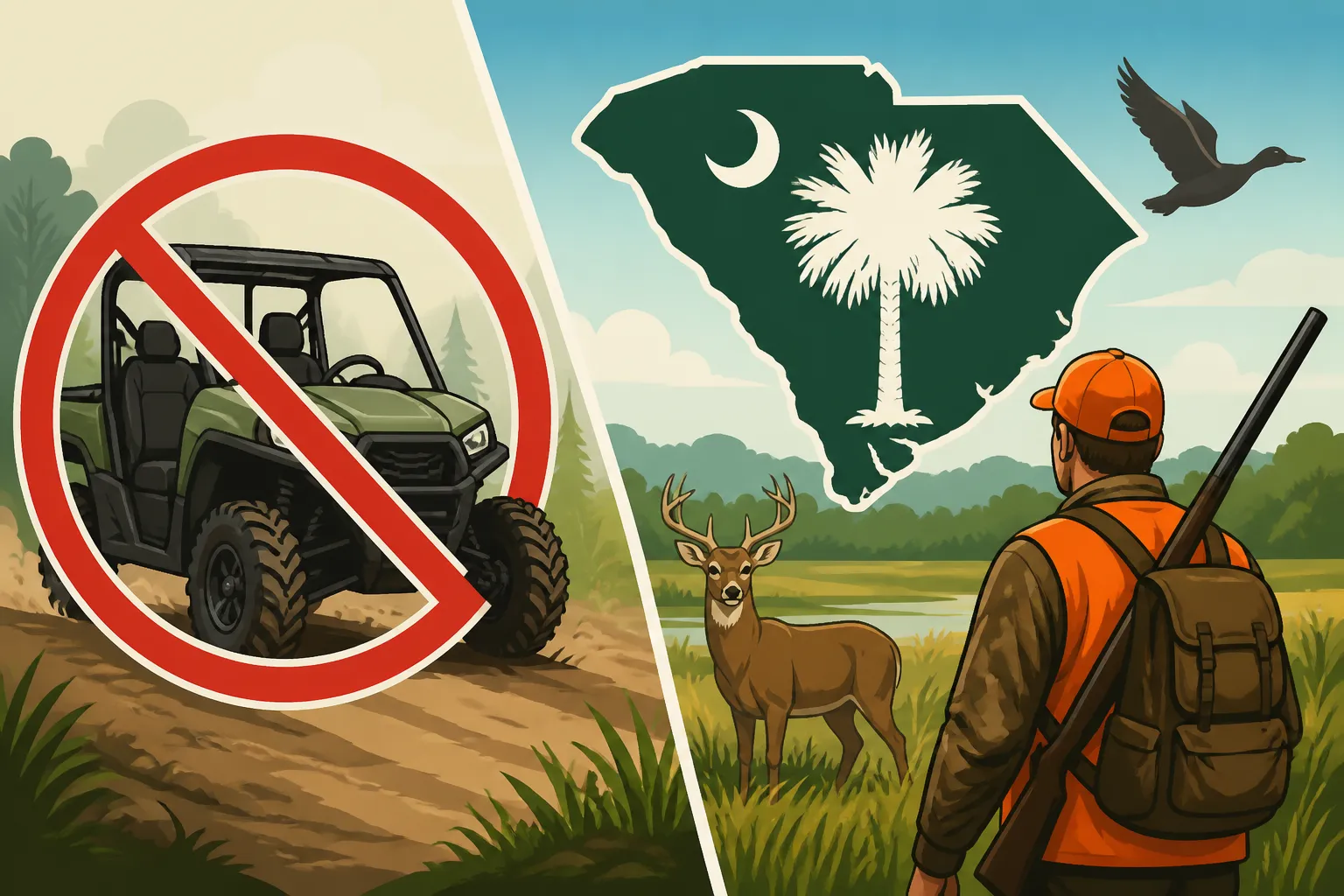
This is where many hunters get into trouble, often due to assumptions based on private land rules. While ATVs and UTVs are fantastic for accessing remote private lands and hauling gear, their use on South Carolina's public hunting lands is heavily restricted, if not outright prohibited in most areas. The general rule of thumb is that if you can't legally drive your street-legal truck on it, you can't drive your ATV or UTV on it either. This principle helps maintain the integrity of trails and keeps motorized traffic confined to designated corridors.
National Forests, like the Francis Marion or Sumter, generally prohibit ATVs and UTVs from leaving designated roads. "Designated roads" typically mean roads open to street-legal vehicles, not just any dirt track or old fire break. While there are often specific, marked ATV trails for recreational use in other areas of National Forests, these are rarely within the actual hunting sections or intended for hunting access. Confusing general recreational ATV trail riding with vehicle access for hunting is a common and costly mistake. Always consult the specific Forest Service Motor Vehicle Use Map (MVUM) for the district you plan to hunt. ATV Rules on South Carolina Forest Roads can provide more specific guidance here.
For WMAs, the restrictions are often even tighter. Most SCDNR WMAs do not allow ATV or UTV use for hunting access. The reasoning is sound: these vehicles can cause significant habitat damage through rutting and erosion, lead to unauthorized trail creation, and greatly increase hunter pressure in areas that are intended to be less accessible and wilder. Always verify the specific WMA regulations in the annual hunting digest or on the SCDNR website, as a very few might have limited, specific allowances for ATV use, but these are rare exceptions and are typically for recovery of game or for disabled hunters with special permits, not general access.
So, if you're planning a trip to one of our beautiful WMAs like Donnelley or Webb, be prepared to do a lot of walking. Embrace it! It's a fantastic way to Finding Ground Others Walk Past and get away from the crowds that tend to stick closer to road systems. That means your trusty side-by-side or four-wheeler will likely stay on the trailer in the parking area, unless you've confirmed an explicit, well-publicized exception for that specific WMA at that specific time.
Street-Legal Vehicles and Parking
For the vast majority of hunters, a regular truck, SUV, or even a sedan is their primary mode of transportation to and within public lands. Street-legal vehicles are generally permitted on roads that are clearly marked "open to public vehicular traffic" on both National Forests and WMAs. These are typically roads that are maintained (even if unpaved) and designed for standard vehicle travel, usually accessible from a public highway.
When parking, always pull completely off the main road or designated parking area, ensuring you're not blocking gates, other vehicles, or impeding the flow of traffic. It's not just about common courtesy; leaving enough room for large equipment, like logging trucks, farm machinery, or emergency vehicles, to pass is a critical safety requirement. Blocking a gate can result in your vehicle being towed and a hefty fine, not to mention creating a dangerous situation for others. Always ensure your vehicle is not obstructing any administrative access points or fire lanes.
Pay particular attention to "No Parking" signs, which are sometimes posted in sensitive areas, near residences, or where sightlines need to remain clear for safety reasons. Also, remember that roads within WMAs might have restricted parking during certain seasons or specific quota hunts. Always check the specific regulations for the WMA you are visiting. Using an app that allows you to download maps for offline use, like Go Outdoors SC Without Cell Service, can help you identify legal parking areas and avoid cell service dead zones.
Consider the impact of weather. Even if a dirt road is officially open, a heavy rain can quickly make it impassable for a two-wheel-drive vehicle, or worse, turn it into a muddy rut that damages the road and leads to a temporary closure. Be realistic about your vehicle's capabilities and the current conditions. Sometimes, it's smarter and safer to park further back on more stable ground and walk the extra distance, rather than getting stuck or damaging the very roads that provide access.
Practical Advice for Hunters
Understanding the rules is one thing, but practically applying them in the field is another. Hunters often benefit from specific strategies and tools to ensure they comply with vehicle regulations and make the most of their time afield.
Reading Maps and Signage
The single best way to avoid vehicle-related issues on public land is to be a master of maps and signage. Don't just show up and hope for the best; that's a recipe for frustration and potential citations. Before you even leave home, pull up the SCDNR WMA maps or the National Forest maps. These aren't just pretty pictures; they are legal documents outlining where you can and cannot go. Look for designated roads, foot-traffic-only areas, and administrative roads that are closed to the public. Many mapping resources clearly differentiate between these types of access.
Modern mapping apps like onX Hunt are game-changers here. They layer public land boundaries, WMA perimeters, and crucially, often even agency-specific information about designated roads versus hiking trails or closed logging roads, right onto your phone or tablet. You can quickly see what's designated as a legal vehicle access road versus a trail or a private drive. This kind of information is invaluable for planning your entry and exit routes, especially when considering a remote spot for Hunting the Earliest Coastal Zone Opener where road systems might be less dense.
Once you're on the ground, pay very close attention to any physical signs. A small, faded sign on a tree might be the only indicator that a road you planned to take is actually closed. These signs are legally binding. Look for obvious gate closures, "No Entry" signs, or even simple ropes or barriers across a road. If there's any doubt about whether a road is open for vehicle traffic, err on the side of caution and either turn around or continue on foot. It's better to walk a bit further than to face the consequences of a violation.
Understanding the different types of markers can also save you headaches. Forest Service roads might have specific numbers or names, while WMA entrances are often clearly marked with SCDNR signage. Knowing what to look for and actively seeking out these indicators will prevent a lot of frustration and potential citations. Always cross-reference what you see on the ground with the official maps you consulted during your planning phase to ensure consistency.
Consequences of Non-Compliance
This isn't just about getting lost or having to turn around; there are serious repercussions for violating vehicle rules on public land in South Carolina. South Carolina Department of Natural Resources (SCDNR) enforcement officers and Forest Service rangers regularly patrol these areas, and they take these violations seriously because they impact the natural resource and other users. The consequences can range from a significant fine to having your vehicle impounded.
Imagine hiking several miles into a WMA, only to return to your truck and find a citation for being on a closed road, or worse, finding your vehicle has been towed. Not only is it a substantial financial hit for the citation itself, but towing and impound fees can add significantly to that burden. This scenario ruins your hunt and creates a huge logistical headache, turning a day of enjoyment into a stressful, expensive ordeal. These fines can easily run into the hundreds of dollars, making a simple mistake quite costly.
Beyond the immediate financial impact, repeated or severe violations can lead to the loss of your hunting privileges. No one wants to lose their ability to enjoy South Carolina's incredible outdoors simply because they ignored a "Road Closed" sign or drove where they shouldn't have. Our public lands are a shared resource, and respecting the rules ensures that everyone can continue to use them responsibly and sustainably. Understanding South Carolina Wildlife Violation Penalties is important for any hunter.
It's always best to be an informed and responsible hunter. If you're unsure about a particular road or access point, contact the local SCDNR office or the relevant National Forest ranger district beforehand. A quick phone call or email can save you a lot of trouble, money, and stress in the long run. Remember, the rules are there to protect the resource and ensure a quality experience for all.
Planning Your Hunt Around Vehicle Restrictions
Instead of seeing vehicle restrictions as a negative, think of them as an opportunity. They force you to think differently about access and can often lead to better hunting experiences.
Embracing Foot Access
While vehicle restrictions can feel like a hindrance, especially when you're loaded down with gear, they're actually a huge advantage for the savvy hunter. Areas that prohibit vehicles or require longer walks often see less hunting pressure, meaning you're more likely to find undisturbed game. Embrace the hike! It's an opportunity to scout on the move, enjoy the quiet solitude of the forest, and get away from the crowds that tend to stick close to the roads.
Think about it: if everyone has to walk in, the folks willing to go the extra mile are often the ones who consistently find better hunting. This is particularly true for deer and turkeys, as they quickly learn to associate vehicle noise and human activity on roads with danger. Walking in silently allows you to enter their world on your terms, often catching them off guard. This is a prime strategy for Hunting the Latest Upstate Zone Opener where deer can be quite pressured near road systems.
Invest in good, comfortable boots that are broken in, a quality pack that fits well and can carry your essentials, and potentially a deer cart or game carrier if you anticipate longer retrieves over relatively flat terrain. A reliable headlamp with fresh batteries is also crucial for those walks out after dark. These tools make foot access not just bearable, but genuinely enjoyable and successful. Plus, the physical exertion is good for your overall health and hunting stamina!
When planning your pack, consider how much you'll need to carry for the duration of your hunt. Sometimes it's better to make multiple, lighter trips if you're setting up a more permanent ground blind or need to bring in larger gear for a long sit. Every extra step means more effort, but it also translates into a higher chance of success when Hunting the Rut in the Upstate Zone in less disturbed, harder-to-reach areas.
Using Technology for Smart Planning
We live in an amazing time for hunters, with technology that can practically eliminate guesswork when it comes to public land access. Before you even leave the house, load up your favorite mapping app. I personally find onX Hunt incredibly useful for identifying public land boundaries, WMA perimeters, and crucially, designated roads versus foot-traffic-only trails. Its color-coded land ownership layers are invaluable for quickly understanding where you stand.
These apps often integrate satellite imagery, topographic maps, and even parcel data that helps you visualize the terrain and potential access points. You can drop pins at legal parking areas, mark potential stand sites, and even plan your walk-in routes, measuring distances and elevation changes. This level of preparation means you arrive confident, knowing exactly where you can legally park and where you need to start walking to reach your intended hunting zone. The SCDNR also provides excellent resources, and Using the Go Outdoors SC Map Tool is another fantastic, state-specific resource provided by SCDNR that offers similar functionalities.
Don't forget to download offline maps if you're heading into an area with spotty or non-existent cell service. Nothing is worse than getting deep into the woods and realizing your map won't load when you need it most. Both onX Hunt and other reputable mapping services offer this crucial feature, ensuring you have access to your planned routes and boundaries regardless of connectivity. Test this feature before you go!
Use these tools not just for navigation, but for pre-hunt scouting. You can identify potential funnels, pinch points, dense cover areas, and water sources from your couch, then cross-reference these with vehicle access to see how far you'll need to hike to reach those sweet spots. This proactive approach turns what might seem like a restriction into a strategic advantage, allowing you to focus on the hunt itself rather than worrying about legal access.
Quick Reference: South Carolina Public Land Vehicle Rules
Here's a simplified overview to help you remember the general guidelines for vehicle access on South Carolina's public lands. Always confirm specific rules for the area you are hunting.
| Vehicle Type | National Forests (Designated Open Roads) | WMAs (Designated Open Roads/Areas) | Off-Road/Undesignated Trails (Any Public Land) |
|---|---|---|---|
| Street-Legal Trucks | Generally Allowed | Generally Allowed | Strictly Prohibited |
| ATVs/UTVs | Restricted to Specific Designated Trails* | Generally Prohibited | Strictly Prohibited |
| Dirt Bikes | Restricted to Specific Designated Trails* | Generally Prohibited | Strictly Prohibited |
| Bicycles | Generally Allowed | Generally Allowed | Often Allowed (Check Specific Rules) |
| Foot Traffic | Always Allowed | Always Allowed | Always Allowed |
*Note: Designated ATV/UTV trails in National Forests are typically separate recreational trails and are generally not for hunting access or off-road driving in hunting areas. Always verify specific forest/WMA rules as exceptions for disabled hunters or specific game recovery might exist but are rare and require special permits.
Disclaimer
This article is for general informational purposes only and does not constitute professional advice. Laws, prices and regulations vary by location and change over time. Consult a qualified professional for guidance on your specific situation.