Choosing a Muzzleloader for a Warm Opener
Hunting the early muzzleloader season in South Carolina, especially with those notoriously warm openers, can feel like you're fighting the elements as much as you're hunting deer. The heat, the humidity, and the real worry about your powder staying dry or your meat spoiling can make an otherwise exciting hunt feel like a constant battle. This guide is here to walk you through choosing the right muzzleloader and the best strategies to overcome these unique challenges, ensuring your early season hunts are both successful and enjoyable.
Understanding the Challenges of a Warm Muzzleloader Opener
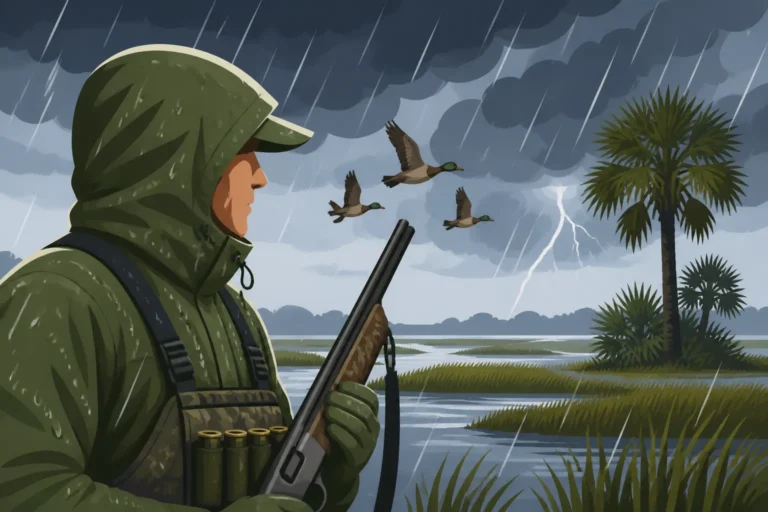
South Carolina’s early deer season, which often includes a primitive weapons segment, can kick off when summer's grip is still firm. This means high temperatures, thick humidity, and sometimes pop-up thunderstorms are the norm. These conditions don't just affect hunter comfort; they directly impact the performance and reliability of your muzzleloader. It's a different ballgame than hunting in crisp, cool fall air, and acknowledging these challenges is the first step toward overcoming them.
Humidity and Your Muzzleloader's Performance
Ah, the infamous South Carolina humidity. It clings to everything, seeps into every crevice, and can be a real enemy to black powder or its substitutes. Muzzleloaders are inherently more susceptible to moisture issues than modern cartridge firearms. The finely ground powder, exposed to damp air, can absorb moisture and become less efficient, or worse, a complete dud when you pull the trigger. We've all heard stories, or maybe even experienced it ourselves, of a misfire on a trophy buck because the cap popped but the charge didn't ignite. This isn't just frustrating; it can ruin a season. That moisture can also lead to rust on critical internal components if not properly addressed, especially in exposed areas like the nipple or flash channel. You're not just fighting the outside air; you're fighting corrosion from within.
Heat and Meat Care Considerations
Beyond the gun itself, the relentless heat of an early South Carolina season poses a significant challenge to meat care. You might be focused on the shot, but the moment that deer hits the ground, the clock starts ticking much faster than in November. Leaving a deer lying in 80-degree weather for even an hour or two can significantly impact the quality of the venison, especially if the internal organs aren't quickly removed to allow the carcass to cool. Dragging a deer for a long distance in that kind of heat only exacerbates the problem, further insulating the animal and driving up core temperature. This pressure to recover and process quickly adds another layer of stress to the hunt, making your equipment choices and post-shot plan even more critical. It's not just about getting the deer; it's about honoring the animal with good meat care. Field Dressing a Deer in Warm Weather is a critical skill to master.
Key Muzzleloader Features for Warm-Weather Hunting
When the mercury is high and the air is thick, your muzzleloader needs to be reliable. You're looking for features that minimize the impact of moisture and heat, making sure that when you have that shot opportunity, your gun performs flawlessly. It's about selecting a tool that's built to withstand the unique pressures of a humid, warm South Carolina environment.
Ignition System Reliability
The ignition system is truly the heart of your muzzleloader's warm-weather performance. You need something that provides a hot, consistent spark, even if there's a whisper of moisture in the powder. Many modern inline muzzleloaders use a 209 shotgun primer system, and for good reason. These primers are encapsulated, offering much better protection against humidity than traditional percussion caps or flintlock systems. They deliver a powerful, contained blast that pushes through any minor dampness in the powder charge. If you’re serious about reliability in our humid climate, an inline with a 209 primer setup is often the way to go. It reduces the chance of that dreaded "click, no boom" moment. For those who prefer a more traditional route, investing in high-quality, waterproofed percussion caps and ensuring a tight fit on the nipple can help, but it’s still generally a step down in moisture resistance compared to the 209s.
Barrel Material and Finish for Humidity
Rust is a constant battle in humid environments, and your muzzleloader's barrel is the most critical component. Carbon steel barrels are fine, but they demand meticulous cleaning and oiling after every outing, even if you just carried it through a dew-laden field. A much better option for South Carolina is a stainless steel barrel. Stainless steel, while not entirely rust-proof, is significantly more resistant to corrosion, giving you an extra layer of peace of mind against the ever-present moisture. Beyond the material, consider the finish. A nitride or Cerakote finish on either carbon or stainless steel can offer additional protection, creating a hard, protective barrier that wards off rust and stands up better to the elements. This means less worry when a sudden shower pops up or when the morning dew is heavy. You can feel more confident that your investment will last and perform.
Stock Materials and Durability
The stock of your muzzleloader might not seem like a critical performance factor, but it plays a role in overall durability and stability in changing weather. Traditional wooden stocks, while beautiful, can swell and warp with humidity fluctuations. This can affect accuracy and the fit of components over time. For a hunting rifle meant for the field, especially in warm, wet conditions, a synthetic stock is often a more practical choice. These stocks are impervious to moisture, won't swell, warp, or crack, and maintain their structural integrity regardless of the weather. They're also often lighter and more rugged, shrugging off bumps and scrapes that would dent or scratch a wooden stock. This means your point of aim remains consistent, and your gun holds up better to the rigors of a season spent in the South Carolina woods.
Propellant and Projectile Choices for Warm Weather
What you load into your muzzleloader is just as important as the gun itself, especially when dealing with heat and humidity. The type of powder and the projectile you choose can influence everything from accuracy to ease of cleaning, and ultimately, your success on a warm South Carolina morning.
Black Powder vs. Substitutes and Storage
The traditionalists among us might swear by true black powder, and there's a certain romance to it. However, black powder is incredibly hygroscopic, meaning it loves to absorb moisture from the air. This makes it notoriously difficult to keep dry in South Carolina’s humid environment, leading to reduced ignition reliability and inconsistent performance. Many modern muzzleloader hunters, especially in warmer climates, opt for black powder substitutes. Brands like Hodgdon's Triple Seven or Alliant's Blackhorn 209 are far less susceptible to moisture absorption, offering more consistent ignition and velocity, even on damp days. They also tend to be less corrosive and cleaner burning.
When it comes to storage, regardless of your choice, airtight containers are your best friend. Small, sealed vials for pre-measured charges are a must for carrying in the field. Don't just rely on the factory container; once opened, powder starts to interact with the ambient air. Keeping your powder cool and dry at home, and protected in the field, is non-negotiable for reliable performance. You wouldn't leave your bow string exposed to the elements, so don't leave your powder.
Bullet Weight and Type for Quicker Shots
In warm weather, a quick, clean kill is paramount for ethical hunting and preserving meat quality. This often means choosing a projectile that delivers reliable expansion and knockdown power without excessive range concerns. Many South Carolina hunting scenarios, particularly in dense lowcountry swamps or thick pine plantations, involve relatively close shots. Hunting Lowcountry Swamp Deer and Hunting Longleaf Pine Savanna for Deer often mean shots under 100 yards.
Heavy-for-caliber bullets, often in the 250-300 grain range for .50 caliber muzzleloaders, can be an excellent choice. They carry more energy for deeper penetration and have less velocity loss at closer ranges, which is where many primitive weapons shots occur. Saboted bullets, which are essentially a jacketed bullet cradled in a plastic sleeve, offer superior accuracy and ballistics compared to traditional lead conical bullets. They also come in various designs for specific expansion characteristics. For example, some offer controlled expansion for deeper penetration through bone, while others are designed for rapid, devastating expansion on softer tissue. Your choice should align with the typical shot distances and cover you expect to encounter in your hunting area. Testing different bullet types with your muzzleloader is crucial to find what shoots most accurately and reliably in your specific setup. A good rule of thumb is to aim for a projectile that can deliver a clean pass-through, ensuring a quick recovery even if conditions are challenging.
Here’s a quick comparison of common muzzleloader projectile types:
| Projectile Type | Description | Pros | Cons | Best For |
|---|---|---|---|---|
| Lead Conical | Solid lead bullet, often heavier and larger diameter | Excellent energy transfer; traditional feel | Less aerodynamic; lower velocity; can lead-foul barrel | Close-range, deep penetration, traditional hunting |
| Saboted Jacket | Jacketed bullet (like a rifle bullet) in a plastic cup | High accuracy; good ballistic coefficient; reliable expansion | More expensive; plastic sabot residue; can be harder to load | All-around hunting, longer shots, modern inline muzzleloaders |
| PowerBelt | Lead bullet with a plastic gas check skirt | Easy to load; good expansion; decent accuracy | Less aerodynamic than sabots; can deform on impact | Ease of use, good for moderate ranges, newer hunters |
Essential Tips for Success on a Warm Muzzleloader Opener
Beyond choosing the right gear, your approach to the hunt itself needs to adapt to warm, humid conditions. Success isn't just about making the shot; it's about making smart decisions before, during, and after the hunt to ensure a safe, ethical, and productive experience.
Pre-Hunt Preparation and Scouting
Your pre-hunt routine becomes even more critical when anticipating warm weather. First, ensure your muzzleloader is meticulously clean and freshly oiled, especially the bore and breach plug area. Any residual fouling from previous shots or neglect will attract moisture and lead to misfires. When loading before a hunt, make sure your hands are clean and dry, and consider using a dry patch between the powder and projectile to further prevent moisture transfer.
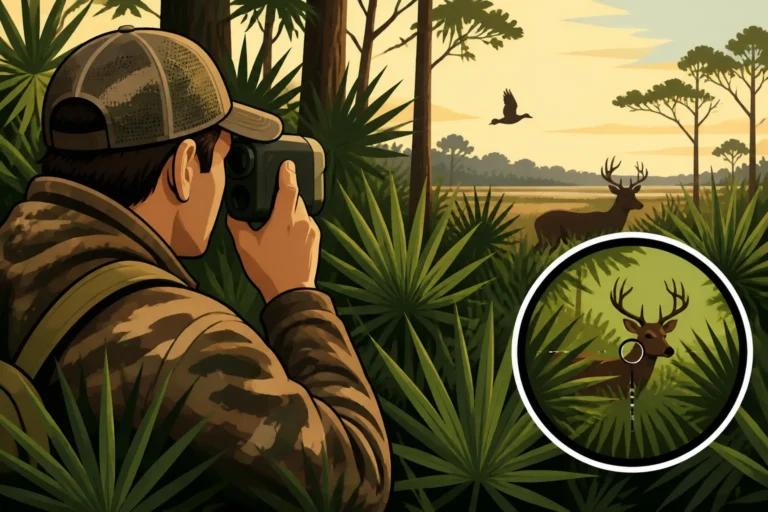
Scouting is paramount. Use tools like the GoHunt app to study topography, locate potential water sources, and identify travel corridors that might offer some air movement or shade during the hottest parts of the day. Deer often adjust their patterns in warm weather, moving more during the cooler hours of dawn and dusk, and seeking thick, shady cover or proximity to water during midday. Look for areas with dense canopy cover, creek bottoms, or the edges of swamps where deer might bed down to escape the heat and bugs. Reading a Tidal Creek for Deer Movement can be a huge advantage. Understanding these patterns will allow you to plan your stand locations or still-hunting routes more effectively, minimizing your time exposed to the brutal midday sun and maximizing your chances during prime movement times.
Maintaining Your Load in the Field
Keeping your muzzleloader load viable throughout a warm, humid hunt can be tricky, but it's entirely manageable with a few precautions. As mentioned, pre-measured powder charges stored in airtight, waterproof vials are a game-changer. These keep the powder dry until the moment you load it. When you do load, make sure your bore is dry. Consider carrying a small, dry patch on your person or in a watertight pouch that you can quickly run down the barrel before loading, just to ensure no condensation has formed inside.
For your primers or caps, keep them in a small, waterproof container. Never leave them exposed to the elements in your vest pockets. Some hunters even apply a thin layer of waterproof grease or sealant around the base of the primer after loading, though this is often unnecessary with modern 209 primer systems if they are seated properly. If you're going to be out for an extended period, or if a heavy rain rolls through, it's often wise to unload your muzzleloader and reload with fresh powder and a new primer. Better safe than sorry when a shot opportunity arises. A dud round is a wasted opportunity and a potential safety hazard.
Post-Harvest Handling in the Heat
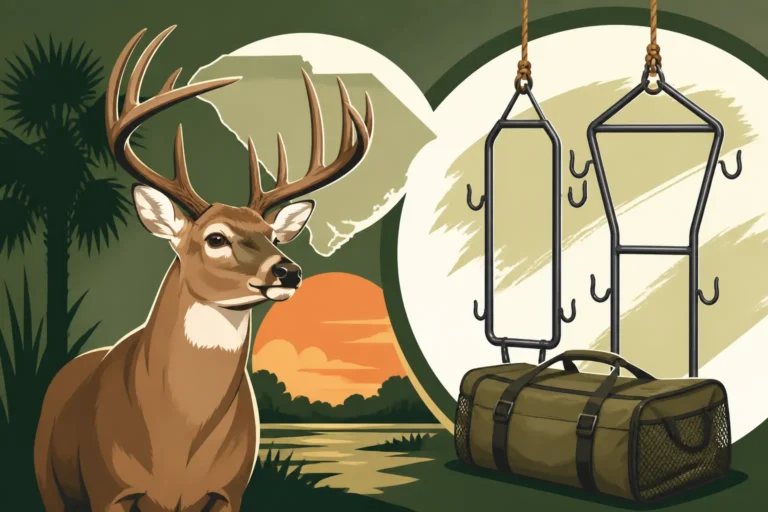
This is where planning truly pays off. Once you've successfully harvested a deer in warm weather, every minute counts. Your priority should be to field dress the animal immediately. Remove all internal organs to allow the body cavity to cool as quickly as possible. If you're far from your vehicle or cooler, consider quartering the animal in the field. This significantly reduces the bulk and allows the meat to cool much faster. Butchering a Deer at Camp is easier with field-dressed or quartered animals.
Have a plan for transport. A deer cart can be invaluable for getting an animal out of the woods quickly without further heating it up through a long drag. Pack plenty of ice in coolers at home and bring them with you. Once the deer is field-dressed, get it into a cooler with ice as soon as possible. Even if you can't quarter it, filling the body cavity with ice will help immensely. Some hunters even carry game bags treated with a cooling agent or use specialized game bags that allow for better airflow while protecting the meat from insects. Remember, the goal is to drop the core temperature of that meat as fast as you can to prevent spoilage and ensure delicious venison for your table.
Disclaimer
This article is for general informational purposes only and does not constitute professional advice. Laws, prices and regulations vary by location and change over time. Consult a qualified professional for guidance on your specific situation.