Getting Private Land Permission in South Carolina
Finding quality hunting land in South Carolina can feel like an impossible task for many hunters, especially if you're trying to get away from the crowds of public land. The reality is, prime private land holds the keys to consistent success and a more enjoyable experience, but knowing how to respectfully and effectively gain access is a hurdle that stops many right in their tracks. This guide is here to walk you through the practical steps, legal considerations, and soft skills needed to increase your chances of securing private land permission in the Palmetto State, offering real-world advice to navigate this often-frustrating process.
The Challenge of Private Land Access
It's no secret that the vast majority of South Carolina's prime hunting ground is privately owned. From sprawling timber tracts and agricultural fields to family homesteads passed down through generations, these lands often boast better habitat, less pressure, and ultimately, a higher chance of encountering mature game. However, gaining access to these coveted properties is where many hunters hit a brick wall.
Why Private Land is Desirable
Imagine the peace and quiet of a hunting spot where you don't have to worry about another hunter walking in on you, or competing for the same bedding area. Private land often offers exactly that. Landowners frequently manage their property for wildlife, meaning better food sources, secure cover, and fewer disturbances. On these tracts, deer might move more predictably during daylight hours, turkeys might gobble more freely, and hogs might not be as skittish. It allows for consistent scouting, building familiarity with game patterns, and the ability to implement long-term strategies, rather than just reacting to where the crowds push animals. It's about more than just bagging an animal; it's about the quality of the experience.
Common Misconceptions and Frustrations
Many hunters start with the misconception that landowners are just waiting for someone to ask permission. The reality is, many property owners are inundated with requests, have already granted permission to family or friends, or simply don't want the liability or hassle associated with allowing outsiders to hunt. There's a deep-seated frustration among hunters when they see prime ground sitting seemingly untouched, yet every door they knock on remains closed. They might feel like they're doing something wrong, or that the "good old days" of easy access are long gone. This can lead to discouragement, making many simply give up on the idea of private land altogether, resigning themselves to crowded public areas.
The Disappearing Open Door Policy
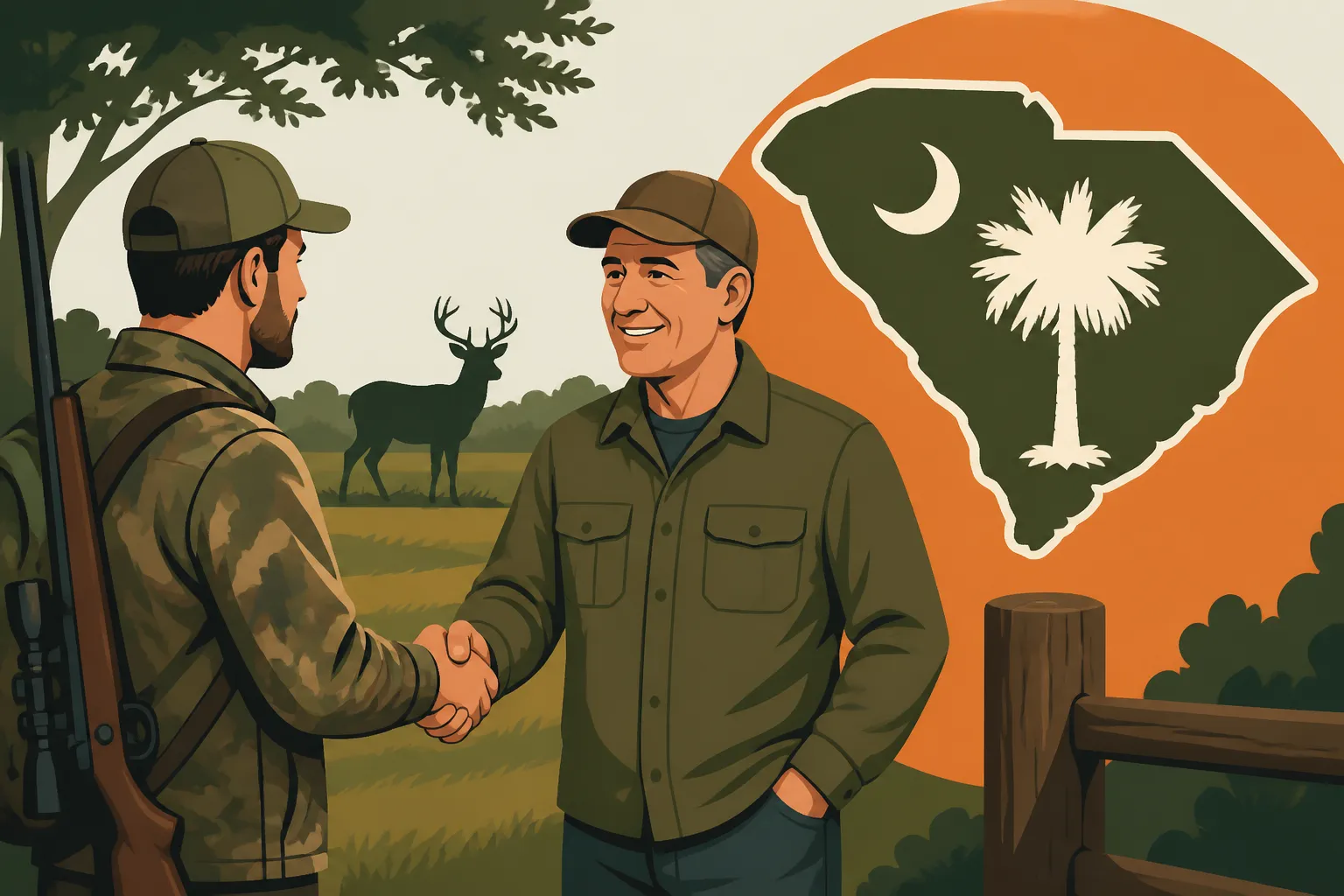
Decades ago, it wasn't uncommon for folks in rural South Carolina to leave their gates open, or for a handshake to be all that was needed for permission to hunt. Those days, for the most part, are a distant memory. Increased development, absentee landowners, liability concerns, and a general shift in societal norms have led to a more protective stance among property owners. Unfortunately, a few bad apples can spoil it for everyone, as stories of property damage, litter, or disrespect by previous hunters make landowners extremely hesitant. This isn't unique to South Carolina, but it's a trend that makes securing new private land challenging, requiring a more intentional and respectful approach from today's hunter.
Understanding South Carolina's Trespass Laws
Before you even think about approaching a landowner, it's absolutely critical to understand the legal landscape surrounding private property and hunting in South Carolina. Ignorance of the law is never an excuse, and a misstep here can lead to serious consequences, jeopardizing your hunting privileges and reputation.
South Carolina Posted Land Rules
South Carolina law is clear when it comes to posted land. While "no trespassing" signs are the most obvious indicator, they are not the only legal method for a landowner to communicate that entry is prohibited. According to South Carolina Posted Land Rules, property can be considered "posted" if:
- There are signs conspicuously placed at intervals of 500 feet or less along the property boundaries, containing "No Trespassing," "Private Property," or similar language.
- The property lines are marked with purple paint on trees or posts. These marks must be vertical lines at least eight inches long and two inches wide, placed at a height of not less than three feet and not more than five feet from the ground, at intervals of 100 feet or less along the property boundary. This "purple paint law" carries the same legal weight as traditional posted signs.
- The property is enclosed by a fence or other enclosure, making it clear that entry is restricted.
It's your responsibility as a hunter to recognize these indicators. Entering property without explicit permission, even if you don't see traditional signs, can still be a violation if it's marked with purple paint or clearly fenced.
What Constitutes Legal Permission
So, what exactly counts as "legal permission" in South Carolina? It needs to be clear, unambiguous, and ideally, documented. While verbal permission from the landowner can be legally sufficient, it often leads to misunderstandings or disputes. Imagine a scenario where a landowner says, "Sure, hunt whenever you want," but later forgets or assumes you meant a specific field, not the whole farm. These informal agreements, while common, can become problematic.
The safest and most recommended practice is to obtain written permission. This could be a simple note, a signed agreement, or even an email exchange explicitly stating who has permission, for what purpose (hunting deer, turkeys, etc.), during what dates, and on which specific areas of the property. This protects both you and the landowner. If you're ever questioned by law enforcement, a clear written document removes all doubt. For more details on what constitutes proper documentation, consider looking into Do You Need Written Permission in South Carolina?. Always carry this proof of permission with you while on the property.
Retrieving Game From Private Land in South Carolina
This is a common dilemma and a point of potential conflict. What happens if you shoot a deer or turkey on property where you have permission, and it crosses onto adjacent private land where you do not have permission? In South Carolina, you generally do not have the right to trespass onto someone else's property to retrieve game without their explicit permission.
This can be incredibly frustrating. You've made a good shot, but the animal takes off. You track it, and there it goes, onto the neighbor's property. At this point, you absolutely must stop at the property line. The correct course of action is to contact the landowner of the adjacent property, explain the situation calmly and politely, and ask for permission to retrieve your animal. Even if they say no, you must respect their decision. Pushing the issue or entering without permission can escalate a difficult situation into a serious legal one. It's a tough pill to swallow, but maintaining good relations and respecting property rights is paramount. You can find more specific guidance on this topic in Retrieving Game From Private Land in South Carolina.
The Art of Asking for Permission
Alright, you understand the laws. Now comes the moment of truth: actually asking for access. This isn't about being pushy or entitled; it's about making a positive impression and respectfully making your case. Think of it as a job interview, where you're trying to prove you're a responsible, trustworthy individual.
Initial Contact and First Impressions
First impressions are everything. Don't just show up unannounced at 6 AM on a Saturday morning with your camo on and a bow in hand, expecting to hunt that day. That's a surefire way to get a "no." Instead, choose a respectful time and day, perhaps a weekday afternoon or early evening when folks are likely to be home and not rushed. Dress neatly and conservatively – clean jeans and a collared shirt are usually appropriate. Leave your hunting gear in the truck.
When you approach, have a clear, concise introduction ready. Something like, "Good afternoon, my name is [Your Name], and I live just down the road/in [Nearby Town]. I'm a hunter, and I've noticed you have some beautiful property here. I was wondering if you might ever consider allowing someone to hunt deer on it?" Be prepared for an immediate "no," but also for questions. Be genuine, polite, and respectful of their time. The goal of this first interaction isn't necessarily to get permission on the spot, but to open a dialogue and leave a positive memory.
What to Say (and What Not to Say)
When you get to talk with the landowner, articulate clearly what you're looking for. Are you primarily interested in deer? Turkeys? Hogs? Specify the game and the season. Offer to provide references if they'd like to speak with someone who can vouch for your character and responsibility. Emphasize that you are safe, ethical, and will treat their property with the utmost respect. Mention that you're happy to sign a liability waiver if they're concerned about that aspect, showing you've thought ahead.
What not to say:
- "I've seen some monsters on your land!" This can come across as creepy or make them feel like you've been watching their property too closely.
- "I'll give you X amount of money." Unless it's explicitly a lease situation, bringing up money immediately can be off-putting. Offer value later, if appropriate, but don't lead with cash.
- "I really need a place to hunt." While true, it sounds desperate and doesn't tell them why you are a good person to trust.
- "I'm a good shot, I'll clear out your deer." Many landowners enjoy seeing wildlife, and a blanket statement about "clearing out" their deer might not align with their interests.
- Don't interrupt them. Listen intently to their concerns and answers. They might tell you they already have family hunting, or that they've had bad experiences in the past. Listening is key to understanding their perspective.
A great piece of advice is to simply ask, "What are your concerns about letting someone hunt on your land?" This opens the door for them to express any reservations, allowing you to address them directly and demonstrate your responsibility. For additional tips, consider reading Asking a South Carolina Farmer for Permission.
Handling Rejection Gracefully
The unfortunate truth is that you will hear "no" far more often than "yes." This is part of the process, and it's absolutely vital to handle rejection gracefully. A simple, "I understand completely, thank you for your time and for considering it," is all that's needed. Don't argue, don't try to change their mind, and certainly don't get angry or rude. Your goal is to leave them with a positive impression, even if they said no. You never know when circumstances might change, or if they might refer you to someone else.
If you leave a negative impression, you've not only closed that door forever but potentially others as well if word gets around. Remember, your reputation as a respectful, responsible hunter is your most valuable asset when seeking private land access. Sometimes a "no" today isn't a "no" forever, especially if you leave them feeling good about the interaction.
Leveraging Technology for Landowner Research
In today's digital age, knocking on doors blindly is far less efficient than it used to be. Modern technology offers incredible tools to help you identify landowners, understand property boundaries, and even find contact information, making your approach much more targeted and professional.
Using Online Mapping Tools (onX Hunt, GoHunt)
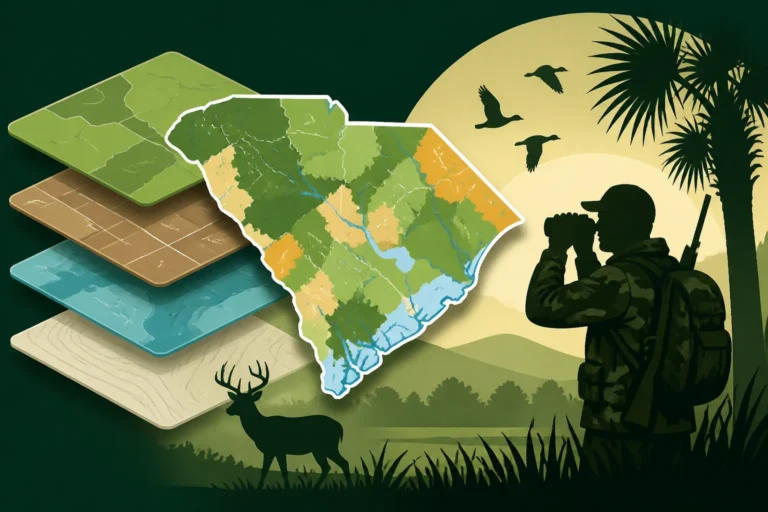
This is where applications like onX Hunt and GoHunt truly shine. These aren't just for navigation in the woods; they are invaluable scouting tools for private land access. With a premium subscription, you can overlay property lines onto satellite imagery, identifying specific parcels, who owns them, and even mailing addresses.
Imagine you've spotted a promising block of timber next to a public land tract, or a secluded field that looks like prime deer habitat. Instead of guessing who owns it, you can simply open your app, tap on the parcel, and instantly see the owner's name and address. This allows you to send a polite letter of introduction, or to seek out the owner in person rather than knocking on every door in the vicinity. You can even use these tools to visualize the terrain, access points, and potential stand locations before you ever set foot on the property. onX Layers for South Carolina Land Status can provide more information on how these tools display property information.
County Tax Assessor Websites
Another treasure trove of information is your local county's tax assessor or GIS (Geographic Information System) website. Most South Carolina counties have public-facing websites where you can look up property records. By searching an address, a parcel ID, or even by zooming in on a map, you can often find the name of the owner, mailing address, and sometimes even assessed values and aerial photos.
While these sites might not be as user-friendly as a dedicated hunting app, they often provide the same core information about property ownership. This is particularly useful if you're trying to find a landowner who lives out of state or isn't frequently at the property you're interested in. It gives you the necessary contact details to make a formal, respectful approach, whether by mail or phone.
Public Records and Local Networks
Beyond digital maps, don't underestimate the power of public records and good old-fashioned networking. Local courthouses, particularly the Register of Deeds office, can have detailed property records. While more time-consuming, it can be effective for older or more complex property situations.
Even more powerful, sometimes, is the local grapevine. If you frequent a local feed store, tackle shop, or diner in a rural area, listen and engage with the locals. Mentioning (discreetly and politely) that you're looking for hunting access might lead to a tip or an introduction. "Oh, you're looking for a place? Old Man Johnson down the road might let you hunt if you offer to help him with his fence line." These informal connections can open doors that no amount of cold-calling ever would. Just be sure to approach these conversations respectfully and not as if you're trying to extract information. Building trust in small communities is key.
| Method | Pros | Cons | Best Use Case |
|---|---|---|---|
| Knocking on Doors | Personal touch, immediate feedback, builds rapport | Time-consuming, high rejection rate, can be intrusive | Nearby properties, local residents, quick answers |
| Online Mapping Apps | Identifies owners & boundaries instantly, aids scouting (onX Hunt) | Subscription cost, might not have all contact info, relies on data | Remote scouting, absentee owners, understanding land features |
| County Tax Assessor | Official owner info, mailing addresses, property details | Less user-friendly, can be complex, often no phone numbers | Absentee owners, formal contact, verifying property details |
| Letters/Emails | Non-intrusive, allows time for consideration, professional | Low response rate, easy to ignore | Absentee owners, formal initial contact, introducing yourself |
| Local Networking | Warm introductions, builds trust, local knowledge | Requires time to build relationships, information can be indirect | Entering new communities, finding hidden gems, referrals |
| Offering Services | Builds value, reciprocation, demonstrates commitment | Requires skills/time, not always needed by landowner | Long-term access, building strong relationships, mutually beneficial |
Building Relationships and Offering Value
Securing private land permission often isn't a transactional exchange; it's the beginning of a relationship. True success comes from proving yourself to be a responsible, trustworthy individual who can be an asset to the landowner, not just someone looking to take from their property.
The Power of Reputation and Referrals
Your reputation precedes you, especially in rural South Carolina communities. If you're known as someone who is safe, respectful, and follows the rules, that positive image can open doors. Conversely, a single act of disrespect or carelessness can close many. When asking for permission, offer references – past landowners you've hunted for, fellow hunters, or even community leaders who can vouch for your character.
Word of mouth is incredibly powerful. A positive referral from a neighbor, a friend, or even another hunter the landowner trusts can bypass years of hesitation. It tells the landowner that someone they already trust, trusts you. Think about cultivating these relationships over time. Being a good neighbor, contributing to the community, or simply being known as a stand-up person will pay dividends far beyond hunting access.
Offering Assistance Beyond Hunting
This is perhaps the most effective strategy for building long-term relationships and securing lasting access: offer to help the landowner. Many rural property owners, especially farmers or older folks, have ongoing needs that a strong, capable hunter could fulfill. This isn't about paying them for access; it's about providing genuine assistance that builds goodwill and a sense of partnership.
Consider offering to:
- Help with chores: Fixing fences, mending gates, clearing brush, stacking firewood.
- Pest control: If they have a problem with feral hogs, coyotes, or even beavers damaging crops or property, offer your hunting skills to mitigate the issue. This is a mutually beneficial arrangement.
- Property maintenance: Checking on their property when they're away, keeping an eye out for suspicious activity, or simply picking up litter.
- Share the harvest: If you successfully harvest an animal, offering to share some of the meat (if they're inclined) can be a thoughtful gesture.
The key is to offer assistance proactively and genuinely. Don't wait to be asked. "I'd love the opportunity to hunt your property, and I'd also be happy to help out with any chores you might have around the place – mending fences, clearing a shooting lane, whatever you need." This demonstrates your commitment and shows you value their property beyond just the game it holds. This goes a long way in establishing trust and securing long-term access. Remember, some landowners are also looking for ways to manage South Carolina Deer Damage Permits for Farmers and you could be part of that solution.
Respecting Boundaries and Expectations
Once you gain permission, it's absolutely crucial to understand and adhere to all boundaries and expectations set by the landowner. This includes:
- Property Lines: Know exactly where you can and cannot hunt. Use your mapping app (like onX Hunt) to stay aware of boundaries at all times.
- Access Routes: Stick to designated roads or trails. Don't drive through fields without permission, and always close gates behind you.
- Time Restrictions: Some landowners might only want you hunting on specific days or during certain hours. Respect these rules.
- Game Restrictions: They might have specific requests about what you can harvest (e.g., antlerless deer only, no turkeys, or a limit on hogs). Always clarify.
- Guest Policy: Can you bring a friend? Likely not without explicit permission first. Assume no guests are allowed unless stated otherwise.
- Vehicle Access: Where can you park? Can you drive an ATV? Clarify these points.
- Tree Stands/Blinds: Are you allowed to put up a stand? If so, what type? Are temporary ground blinds okay? Ask before you install anything permanent.
The best way to ensure you respect all boundaries is to have a clear conversation with the landowner about their expectations before you hunt. Write them down if necessary. When in doubt, always ask. Over-communicating and being overly respectful will reinforce their trust in you and secure your access for years to come.
Alternative Private Land Access Avenues
While knocking on doors and offering help are fantastic strategies, they aren't the only ways to gain access to private land in South Carolina. For those looking for more structured arrangements, or who might not have the time for extensive relationship building, there are other avenues to explore.
South Carolina Hunting Lease Costs
Hunting leases are a very common way to gain exclusive access to private land for a defined period, usually a year. Landowners often lease their property to generate income, cover taxes, or ensure consistent game management. Leases can range from small tracts for individual hunters to large tracts for hunting clubs. The cost can vary dramatically based on factors like:
- Location: Properties closer to population centers or in historically strong game areas often command higher prices.
- Acreage: Larger tracts naturally cost more, but the per-acre price can sometimes be lower on bigger parcels.
- Game Quality and Quantity: Properties known for producing trophy deer or abundant turkeys will be more expensive.
- Amenities: Access to cabins, food plots, established stands, or road networks can increase the price.
- Length of Lease: Annual leases are standard, but shorter-term or multi-year options might be available.
While specific prices fluctuate, expect to pay anywhere from a modest sum for smaller, less-desirable parcels to significant amounts for prime, large tracts. It's an investment, but it guarantees exclusive access and often comes with the benefit of better management. When considering a lease, always get a written contract detailing all terms, conditions, and responsibilities for both parties. You can find more information about typical expenses in South Carolina Hunting Lease Costs.
Joining a South Carolina Hunting Club
Hunting clubs offer a fantastic way to access private land without the full financial burden or management responsibility of a personal lease. Clubs typically lease large tracts of land and then sell memberships to a number of hunters. This spreads the cost and workload among a group.
Benefits of joining a club:
- Shared Costs: Dues are usually much lower than a full lease, making private land access more affordable.
- Shared Workload: Maintenance, food plots, and stand upkeep are often shared tasks, or managed by a club president.
- Camaraderie: You become part of a community of like-minded hunters, fostering friendships and shared experiences. South Carolina Deer Camp Traditions often thrive in club settings.
- Established Land: Many clubs have long-standing relationships with landowners, offering stable access to quality hunting.
Things to consider:
- Club Rules: Clubs have bylaws and rules that members must adhere to. Make sure they align with your hunting style and ethics.
- Pressure: The number of members can impact hunting pressure. Research how many members share the acreage.
- Personalities: You'll be spending time with other hunters. Ensure it's a good fit culturally.
- Work Requirements: Many clubs require members to contribute workdays for habitat improvement or property maintenance.
When looking at clubs, ask about membership limits, guest policies, game management practices, and any hidden fees. This can be a great option for consistent, quality hunting without the headache of managing an entire lease yourself. For more insights into club dynamics, check out Joining a South Carolina Hunting Club and South Carolina Hunting Club Dues and Costs.
Managed Hunts and Depredation Permits
Sometimes, private land access comes through more structured programs, especially for nuisance wildlife. South Carolina offers avenues for landowners experiencing significant damage from deer or hogs to obtain depredation permits. These permits allow for the harvest of animals outside of regular seasons or bag limits to mitigate damage.
- Deer Damage Permits: Farmers experiencing crop damage from deer can apply for permits to remove deer. This presents an opportunity for hunters to assist. While typically managed by the landowner, inquiring about these programs and offering your services as a hunter can be a way to gain access. Landowners might need help fulfilling their permitted quotas. South Carolina Deer Damage Permit for Farmers offers more details.
- Hog Depredation: Feral hogs are a rampant problem across South Carolina, causing immense agricultural damage. Landowners are often desperate for help removing them. Offering your services to trap or hunt hogs can be an excellent foot in the door. Since hogs can be hunted year-round on private land, this can also provide off-season hunting opportunities.
These situations are usually less about traditional recreational hunting and more about assisting with wildlife management. However, for a responsible hunter, they can provide valuable access and demonstrate your skills and reliability to a landowner, potentially leading to broader hunting opportunities down the line. It's about solving a problem for them, which builds immense trust and value.
Ethical Considerations and Maintaining Access
Gaining private land permission is a privilege, not a right. The ongoing responsibility rests on your shoulders to maintain that trust and ensure that the landowner continues to feel good about their decision to let you hunt. Ethical behavior, clear communication, and consistent respect are the cornerstones of long-term access.
Leaving No Trace and Respecting Property
This rule is simple: leave the property better than, or exactly as, you found it. This means:
- No Litter: Pack out everything you pack in, and if you see any trash that isn't yours, pick it up. This goes a long way.
- Damage Control: Be extremely careful not to damage fences, gates, roads, or crops. If you accidentally cause damage, report it immediately to the landowner and offer to repair it.
- Vehicle Use: Stick to designated roads and trails. Avoid creating new ruts, especially in wet conditions.
- Gates: Always close gates behind you, even if you found them open. This is crucial for livestock containment and security.
- Tree Stands/Blinds: If allowed to use them, ensure they are temporary, don't damage trees, and are removed at the end of the season unless otherwise agreed upon. Treestand Rules on South Carolina Public Land offers guidance that can also apply to private land best practices.
- Wildlife: Only harvest legal game, and abide by all game laws and any specific restrictions the landowner has imposed. Promptly retrieve any game you harvest.
Every time you step onto that property, you are representing yourself and all hunters. Your actions reflect not just on you, but on the hunting community as a whole. Be an ambassador for ethical, responsible hunting.
Communication and Follow-Up
Just because you have permission doesn't mean you should go silent. Regular, proactive communication is vital.
- Before You Hunt: Always let the landowner know when you plan to be on their property. A quick text or call "Hey Mr./Ms. [Landowner], planning to head out to the big woods tomorrow morning for a deer hunt, just wanted to give you a heads up," is a simple courtesy that goes a long way. This allows them to know who is on their property and when, preventing surprises or misunderstandings.
- After You Hunt: Briefly report back. "Had a great morning, didn't see anything but enjoyed the peace and quiet. Thanks again for the access!" or "Saw a nice doe, but couldn't get a shot. Also noticed that limb broke over your driveway, I can clear it out next time I'm here." This keeps them in the loop and shows your engagement and appreciation.
- Share Success (If Appropriate): If you harvest an animal, a photo and a heartfelt thank you can make their day. Offer to share some venison or turkey breast as a gesture of gratitude.
- Address Concerns Promptly: If the landowner voices any concerns, address them immediately and directly. Don't let issues fester.
Open lines of communication build trust and solidify your relationship. It shows you respect them and their property, keeping the door open for future seasons.
The Long Game of Private Land Access
Think of private land access not as a one-time score, but as a long-term investment. It takes time, effort, and consistent dedication to build and maintain these relationships. The hunter who gets access this year is often the one who put in the work last year, and the year before that.
The true value of private land access often grows over time. As you prove your reliability, ethical conduct, and helpfulness, a landowner may become more comfortable with you, perhaps granting access to additional areas, or even becoming a close friend. This might mean enduring a few "no's," offering help without immediate hunting benefits, or simply being consistently present and trustworthy in the community.
Patience and persistence are your allies. Don't give up after a few rejections. Continue to seek opportunities, build your reputation, and most importantly, uphold the highest standards of respectful and ethical hunting. The rewards of a private hunting sanctuary in South Carolina are well worth the effort.
Disclaimer
This article is for general informational purposes only and does not constitute professional advice. Laws, prices and regulations vary by location and change over time. Consult a qualified professional for guidance on your specific situation.