Heaviest Bears Killed in South Carolina
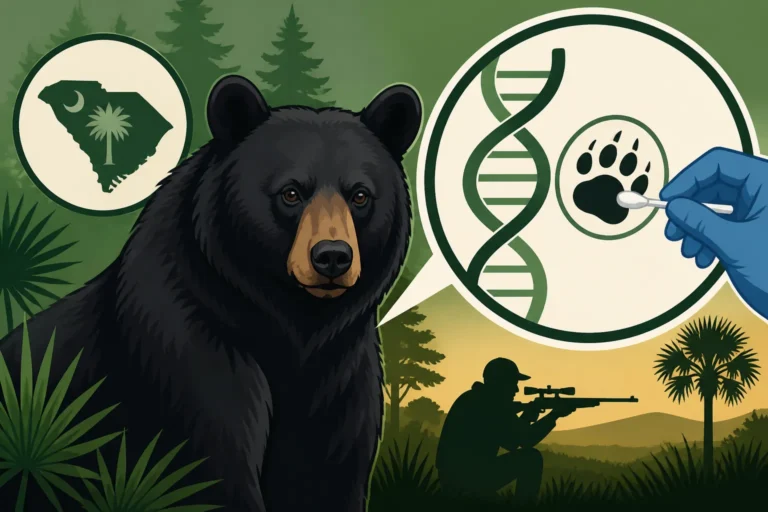
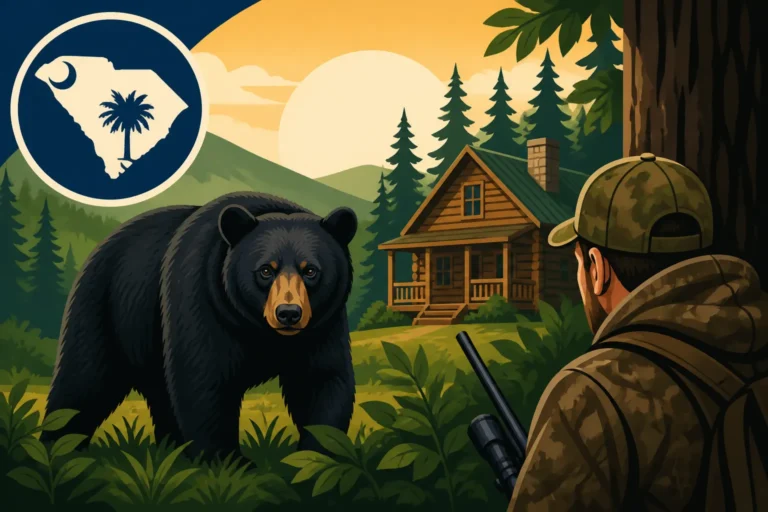
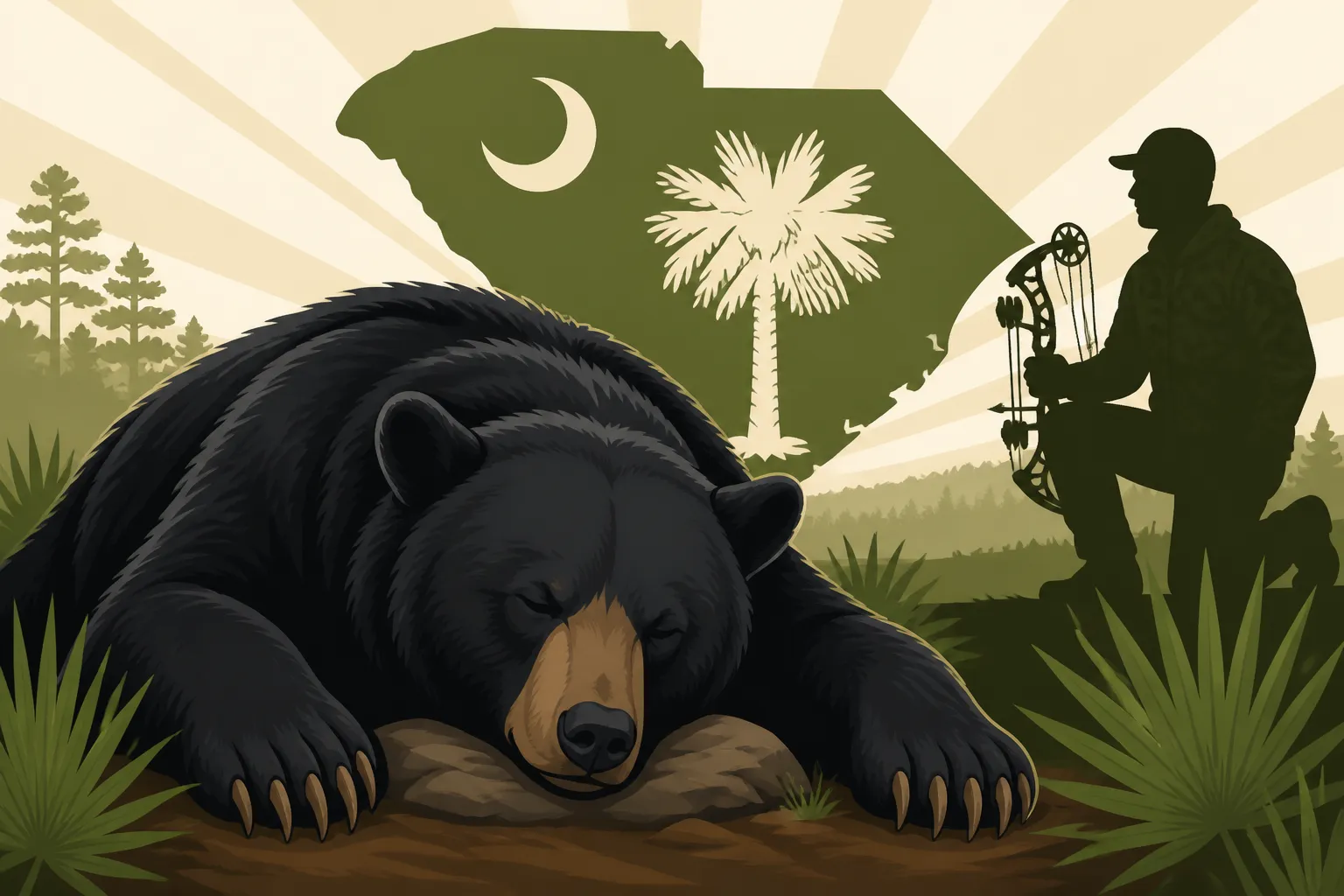
For many hunters in South Carolina, the sheer size and power of a black bear is a draw unlike any other. Chasing one of these majestic creatures, particularly a true behemoth, is a dream. If you've ever wondered about the largest bears taken in our beautiful state and what it takes to find and successfully harvest one of these giants, you're not alone. This guide delves into the characteristics of South Carolina's largest black bears, where they roam, and the strategies used to encounter them.
Understanding South Carolina's Bear Populations and Potential for Size
When we talk about "heaviest bears" in South Carolina, it’s important to understand that our state actually has two distinct populations, each with its own habitat and characteristics that influence bear size. These two populations, the mountains and the coast, represent different ecological niches, leading to variations in the typical size and, consequently, the potential for truly exceptional animals.
The Two Worlds: Upstate Mountains and Coastal Plain
Our Upstate mountains, primarily within the Blue Ridge Escarpment, are what many people picture when they think of black bear country. Here, bears thrive in vast tracts of national forest like the Sumter National Forest, where abundant hard mast crops like acorns and hickory nuts provide critical nutrition. These bears tend to have expansive home ranges and are often found in rugged, forested terrain.
In stark contrast, the coastal plain population inhabits the lowland swamps and maritime forests, particularly in areas like the Francis Marion National Forest and the ACE Basin. These bears often benefit from a diverse diet including agricultural crops, berries, and fish, alongside native mast. The dense, often impenetrable cover of these coastal regions also provides excellent sanctuary for bears to grow old and large with minimal disturbance.
Factors Influencing Bear Weight in South Carolina
A bear's weight isn't just about what it eats; it's a complex interplay of several factors. Genetics play a significant role, of course, as does the individual bear's access to high-quality nutrition throughout its life. A consistent, rich food source from cubhood to old age is paramount for a bear to pack on the pounds. Environmental conditions, such as mild winters that allow for longer feeding periods, can also contribute.
Age is arguably the most crucial factor. Like deer, bears don't reach their maximum potential size in their first few years. It takes many years for a bear to fully mature and accumulate significant mass. A truly heavy bear in South Carolina is almost invariably an older bear, often a male that has successfully navigated many seasons, avoided hunters, and had consistent access to food. The longer a bear lives, the more opportunities it has to grow.
Defining "Heaviest": What Constitutes a Large South Carolina Bear?
The term "heaviest" is relative, but when hunters discuss truly large black bears in South Carolina, they are often talking about animals that exceed the typical weight range for the species in our region. While specific record books might highlight precise weights, for the average hunter, just seeing a bear over a certain threshold is an achievement.
Typical Weight Ranges for South Carolina Black Bears
Most adult black bears in South Carolina fall within a certain weight class. Adult sows generally weigh less than boars, with a typical range often between 100 to 250 pounds. Adult boars, especially those in their prime, can easily hit 200 to 400 pounds. These are healthy, well-fed animals, and harvesting one is a fantastic accomplishment.
However, a "heavy" bear — the kind that truly gets attention — is usually well above the average. These are the bears that push past the 400-pound mark and sometimes even exceed 500 pounds. While not an everyday occurrence, bears in this upper echelon are indeed harvested in South Carolina each year, a testament to the quality of habitat and management. Such large animals often come from areas with consistent, high-energy food sources and less hunting pressure.
The Upper Echelon: What Makes a 500+ Pound Bear?
A bear breaking the 500-pound barrier is a truly rare and exceptional animal. These often represent the oldest, most dominant boars in the population. They've likely established prime territories, had access to the best food sources, and learned how to avoid human encounters. Their massive size is a direct result of decades of growth and consistent calorie intake. It's a combination of ideal genetics, perfect habitat, and sheer longevity.
The thrill of pursuing such a magnificent animal is immense. Hunters who target these giants know it often requires extensive scouting, unparalleled patience, and a deep understanding of bear behavior. Many of the heaviest bears recorded are harvested through careful management practices, either on private lands with dedicated bear habitat or in remote public areas where bears can thrive undisturbed for many years, becoming true monarchs of the forest.
Key Habitats for Giant Black Bears
Knowing where South Carolina's largest bears are likely to be found is crucial for any hunter hoping to connect with one. While bears can turn up almost anywhere in the state, the two primary bear zones — the Upstate and the Coastal Plain — offer distinct advantages for bears to grow to impressive sizes.
Upstate Mountain Strongholds
The mountains of the Upstate, particularly within the Andrew Pickens Ranger District of the Sumter National Forest, are prime territory for large bears. This region offers expansive, unbroken tracts of hardwood forests that are rich in mast crops. Acorns, hickory nuts, and other natural foods provide a seasonal buffet that allows bears to pack on fat reserves, crucial for winter denning and sustained growth. The rugged topography also provides plenty of secluded areas where bears can live relatively undisturbed for years.
Hunters in these areas often focus on ridges and valleys where mast trees are abundant. Scouting involves looking for heavily used trails, fresh scat, and claw marks on trees. Bear sign becomes particularly noticeable when the mast crop starts to drop in the fall. The terrain here demands physical fitness, but the reward can be an encounter with a truly formidable mountain bear. Understanding Hunting the Rut in the Upstate Zone for deer might also provide insights into general animal movement patterns, though bear rut timing differs.
Coastal Swamp Sanctuaries
The Coastal Plain, encompassing areas like the Francis Marion National Forest, Hellhole WMA, and various private timberlands and plantations, is another hotspot for large bears. This habitat is characterized by dense swamps, bottomland hardwoods, and often borders agricultural fields. The diverse food sources here, from palmetto berries and gallberry to corn and soybeans, offer a rich, varied diet that can lead to rapid growth. The almost impenetrable nature of the swamps provides excellent cover and refuge, allowing bears to reach advanced ages.
Bears in these environments are often more secretive, using the dense cover to their advantage. Hunters might focus on the edges of agricultural fields, river bottoms, and the fringes of large swamps. Finding a large bear here often means deciphering subtle signs and understanding how bears utilize the water and thick vegetation. The ACE Basin, for instance, is known not just for its waterfowl but also for its significant bear population, thanks to its rich ecosystem. Getting an ACE Basin Refuge Hunt Permit can open up opportunities for a coastal bear experience.
Strategies for Pursuing South Carolina's Largest Bears
Hunting for a truly heavy bear isn't just about luck; it's about a dedicated approach that combines in-depth scouting, understanding bear behavior, and employing the right tactics for the specific terrain and regulations.
Scouting for Success
Scouting is paramount when targeting big bears. You're not just looking for any bear, but specific individuals that show signs of exceptional size. This means spending significant time in the woods before the season even opens. Look for oversized tracks, heavily used trails, large rub trees (bears often rub on trees to mark territory), and plentiful scat indicating a consistent food source. Trail cameras, strategically placed in pinch points or near productive mast crops, can be invaluable for identifying potential giants and learning their patterns.
Consider utilizing tools like GoHunt for mapping and aerial imagery, which can help pinpoint remote, dense areas where a large bear might feel secure. Look for areas with a combination of thick cover and abundant food sources – often these are less accessible to the casual hunter, providing the quiet solitude big bears prefer. Identifying historical food plots or natural feeding areas on public or private land can give you a starting point.
Hunting Methods and Patience
South Carolina offers both still-hunting and dog-hunting opportunities for bears, depending on the zone and specific regulations. For those pursuing the absolute heaviest bears, still-hunting or stand hunting often involves immense patience. Setting up near a consistent food source, especially during a strong mast year, can be productive. This could mean positioning yourself near a productive white oak flat in the Upstate or along a swamp edge bordering a field in the Lowcountry.
When still-hunting, wind direction is critical. Bears have an incredible sense of smell, and a shifting wind can instantly blow your chances. Moving slowly, stopping frequently, and using binoculars to thoroughly glass the terrain are key. In the Upstate, focusing on Hunting Bears Over Natural Mast in the Mountains is a common and effective strategy. For coastal bears, understanding their movements in relation to water and dense cover is vital.
For hunters who participate in dog drives, finding a large bear often involves a coordinated effort across a larger landscape. The dog teams are crucial for pushing bears out of dense cover, and the hunters on stand must be prepared for fast-paced action. Bear dog drives are a tradition in South Carolina and can be highly effective, especially for locating bears that hide deep in otherwise inaccessible areas. Just be sure you understand South Carolina Zone 1 Bear Dog Drive Rules before planning such an outing.
Ethical Considerations and Harvest Reporting
Regardless of the method, ethical hunting practices are always paramount. This includes ensuring a clean, humane shot and being prepared for the challenge of recovering a large animal, especially from dense or wet terrain. Understanding Shot Placement on a South Carolina Black Bear is critical for ensuring a swift harvest.
After a successful harvest, reporting your bear is not just a legal requirement but also contributes valuable data to the state's wildlife management efforts. This data helps SCDNR monitor the health and demographics of the bear population, including the average size and age of harvested bears, which in turn helps inform future season structures and conservation strategies. This information, gathered year after year, provides long-term insights into bear population trends and the success of conservation programs.
Bear Hunting Gear for South Carolina's Conditions
Successful bear hunting in South Carolina requires gear that stands up to the diverse environments, from the cool, rugged mountains to the humid, swampy coastal plains. The right equipment can make all the difference in comfort, effectiveness, and safety.
Optics for Varied Terrain
Good quality optics are non-negotiable, especially when still-hunting for large bears. In the dense woods of the Upstate or the thick coastal swamps, light transmission is key. A pair of 8×42 or 10×42 binoculars with excellent low-light performance will help you pick out a bear lurking in the shadows at dawn or dusk. Consider brands like GoHunt that offer reviews and comparisons for various optics, helping you choose the best fit for South Carolina's unique conditions.
A rangefinder is also crucial for confirming shot distances, particularly when hunting in areas with varying terrain or dense vegetation that can make judging distances tricky. Even if shots are likely to be close, knowing the exact yardage to potential shooting lanes can prevent a miscalculation.
Clothing for Comfort and Safety
South Carolina's bear seasons can feature a wide range of temperatures and humidity levels. Layering is always a wise strategy. Early season hunts might require lightweight, breathable camo that wicks moisture away, while late season hunts in the mountains could call for warmer, insulated layers.
Blaze orange requirements apply to still-gun bear seasons, so always make sure you're wearing the legally mandated amount of visible orange. This isn't just a rule; it's a critical safety measure, especially during dog drives or in areas with multiple hunters.
Firearms and Ammunition
Choosing the right firearm and ammunition is vital for bear hunting. Rifles chambered in calibers like .30-06, .300 Win Mag, or .308 are popular choices, offering sufficient power and range. Ensure your rifle is zeroed correctly for the distances you anticipate shooting. For closer engagements, some hunters opt for shotguns with slugs or even large-caliber handguns, if legal for bear in your specific zone. Regardless of your choice, use a heavy, well-constructed bullet designed for large game to ensure adequate penetration and ethical harvest. Checking the latest regulations on South Carolina Legal Firearms for Deer Hunting might provide some overlap with bear hunting regulations, but always verify specific bear rules.
Bear Population Trends and Future Potential
Understanding the current state of South Carolina's bear population and its management is important for appreciating the potential for future record-breaking bears. Wildlife agencies work diligently to monitor populations and ensure sustainable hunting opportunities.
Stable to Growing Populations
South Carolina's black bear populations are generally stable, and in some areas, even growing. This is a testament to successful conservation efforts and habitat management. As bear numbers remain healthy, the potential for individuals to reach older ages and larger sizes continues to exist.
Continued research, habitat protection, and responsible hunting practices are all crucial for ensuring that South Carolina remains a place where hunters can pursue these magnificent animals, with the occasional chance of encountering a true giant. Utilizing resources like the Go Outdoors SC app can help you stay informed about regulations, season dates, and reporting requirements, contributing to the overall health of the population.
The Role of Responsible Hunting
Responsible hunting plays a direct role in fostering a healthy bear population, which in turn allows some bears to reach immense sizes. Hunters provide valuable data through harvest reporting, which helps wildlife managers make informed decisions. By adhering to bag limits, season dates, and ethical practices, hunters contribute to the long-term sustainability of the resource. The desire to harvest a truly heavy bear drives a passion for the outdoors and a commitment to preserving the wild places these animals call home.
There's no doubt that the pursuit of South Carolina's heaviest bears is a challenging yet deeply rewarding endeavor. It connects hunters to the wild heart of our state, offering a chance to encounter one of North America's most impressive game animals in its natural habitat. With preparation, patience, and respect for the animal, the dream of a truly massive black bear can become a reality.
Disclaimer
This article is for general informational purposes only and does not constitute professional advice. Laws, prices and regulations vary by location and change over time. Consult a qualified professional for guidance on your specific situation.