South Carolina Bear Harvest Numbers
For many of us who pursue the elusive black bear in South Carolina, there's a deep curiosity, bordering on obsession, with understanding the overall health and productivity of the bear population. It's not just about bragging rights; knowing the South Carolina bear harvest numbers can offer invaluable insights into population trends, management effectiveness, and where the best opportunities might lie. This guide will dive into the specifics of South Carolina's bear harvest, breaking down the data, regional differences, and what it all means for hunters and conservation efforts.
Understanding South Carolina's Bear Harvest Data
Trying to figure out how many bears are harvested each year can feel like deciphering an ancient riddle. You hear anecdotal stories, maybe see a few posts online, but getting a clear, comprehensive picture requires looking at the official data. These numbers aren't just figures on a page; they are a critical tool for wildlife agencies to ensure sustainable hunting and a healthy bear population for generations to come.
The Importance of Accurate Harvest Records
Imagine trying to manage a business without knowing how much product you're selling or how much inventory you have. It'd be chaos, right? The same principle applies to wildlife management. Accurate harvest records are the bedrock upon which sound management decisions are built. Without knowing how many bears are being taken by hunters each season, wildlife biologists would be flying blind, unable to properly assess population size, health, and distribution. These records help identify if a population is growing, stable, or declining, informing decisions about season lengths, bag limits, and even specific hunting regulations. For us hunters, it gives us confidence that the sport we love is being managed responsibly and that there will be bears to pursue next year, and the year after that. It's also how we track the impact of factors like habitat changes or human encroachment on bear numbers.
How Harvest Data is Collected
The collection of South Carolina bear harvest numbers is a meticulous process, far more involved than simply tallying up what's reported. When a hunter successfully harvests a bear in South Carolina, they are legally required to report their kill. This typically happens through the state's online Game Check system or at designated check stations. This reporting process isn't just a formality; it's a vital part of the data collection effort. Hunters provide information like the date of harvest, the county, the game zone, and often, the sex of the bear. Additionally, at certain check stations, biologists might collect more detailed biological data, such as weight, age (by extracting a tooth), and specific location of harvest. This hands-on data collection provides crucial insights into the overall health and age structure of the bear population. For instance, finding a higher percentage of older bears in the harvest might indicate a healthy, mature population, while a sudden increase in yearling bears could suggest a very successful breeding year. Tools that compile and present this information, like those found on platforms such as GoHunt, can be incredibly useful for hunters looking to understand trends on a micro-level. Understanding the effort behind this data collection really helps us appreciate the scientific rigor that goes into managing our bear resource.
Trends in South Carolina Bear Harvest
Looking at the trends in bear harvest over time in South Carolina is like reading a story about the state's wild places. It reveals how populations have grown, how hunting pressure might shift, and how adaptable these incredible animals truly are. These trends aren't static; they ebb and flow with environmental changes, human activity, and management strategies.
Historical Overview of Bear Harvest
Believe it or not, black bears were once considered rare in much of South Carolina, pushed to the brink by habitat loss and unregulated hunting in past centuries. The story of their recovery is a testament to conservation efforts, and the harvest numbers reflect that journey. For a long time, harvest numbers were low, reflecting a much smaller, fragmented population. As habitat improved and regulations were put in place, particularly over the last few decades, we've seen a gradual but steady increase in bear populations, especially in the Upstate. This recovery has, in turn, allowed for more robust hunting seasons and, consequently, higher harvest numbers. The opening of new hunting opportunities, such as South Carolina's Two Bear Hunting Zones, has directly impacted these figures. It’s a real success story for wildlife, demonstrating that with proper management, species can rebound and thrive, offering us the chance to enjoy a challenging hunt. These historical numbers remind us of the importance of vigilance and continued habitat protection.
Recent Harvest Figures and What They Tell Us
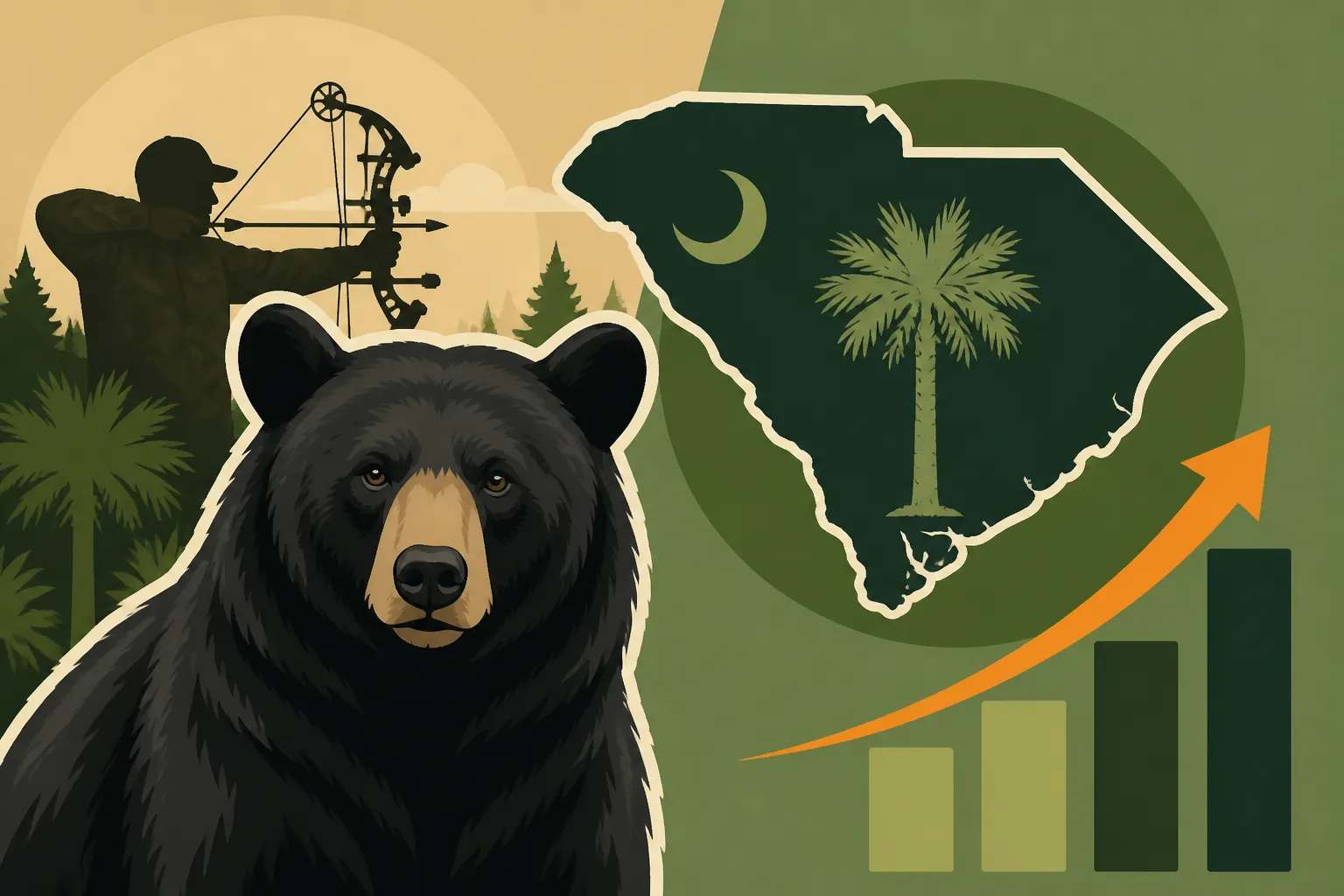
In recent years, the South Carolina bear harvest numbers have generally shown a positive trajectory, particularly in the Upstate. While exact figures fluctuate year to year due to weather, mast crops, and hunter effort, the overall trend has been one of stability or slight increase. These figures are critical for understanding the current health of the bear population. A consistent harvest, especially one that includes a healthy proportion of mature bears, suggests that the population is robust and capable of sustaining hunting pressure. Conversely, a sudden drop might signal an issue, like a widespread disease outbreak or a poor mast year that reduced bear movement.
For instance, looking at the data, biologists can determine if the harvest is skewed too heavily towards one sex or age class, which might indicate an imbalance that needs addressing. Hunters also contribute to these numbers, and our success rates directly influence the overall count. This data, when analyzed comprehensively, provides crucial feedback for wildlife agencies, allowing them to fine-tune seasons and limits. Many dedicated bear hunters pour over these statistics, sometimes using platforms like GoHunt to cross-reference with their own scouting information, trying to predict where the next successful hunt might occur based on historical trends.
Factors Influencing Annual Harvest
Several significant factors contribute to the year-to-year variability in South Carolina's bear harvest numbers. These aren't just random fluctuations; they are often direct responses to environmental conditions or hunter behavior.
- Mast Crops: This is perhaps the most influential factor. Years with abundant mast – acorns, berries, and other natural foods – mean bears don't have to travel as far to find sustenance. They might spend more time in dense cover, making them harder for hunters to locate. In contrast, a poor mast year forces bears to range more widely in search of food, often bringing them into agricultural areas or closer to human development, which can increase their vulnerability to hunters.
- Weather Conditions: A mild winter might mean bears emerge from dens earlier and are more active, while a harsh winter could delay their movements. During the hunting season itself, extreme heat or heavy rainfall can significantly impact hunter effort and bear activity. Unseasonably warm temperatures, common during the early fall in South Carolina, can make bears less active during daylight hours.
- Hunter Effort and Access: The number of hunters participating in the season, their skill levels, and the accessibility of hunting grounds all play a role. More hunters, especially in prime areas, often lead to a higher harvest. Changes in public land access or private land restrictions can also shift harvest distribution.
- Season Structure and Regulations: Adjustments to bag limits, season dates, or specific zone regulations directly impact how many bears can be harvested. For example, a shortened season or a more restrictive bag limit would naturally lead to a lower harvest, even if the bear population is stable.
- Population Dynamics: Ultimately, the underlying population size and health are foundational. If the South Carolina's Black Bear Population is robust and expanding, the potential for a higher harvest is greater, assuming all other factors are favorable. Conversely, if there were a significant natural mortality event, like disease, the harvest numbers would eventually reflect that decline. All these elements intertwine, making each year's harvest a unique snapshot of the ecosystem and our interaction with it.
Bear Harvest by Zone: Upstate vs. Coastal
South Carolina is a diverse state, and so are its bear populations. The two primary bear hunting zones—Zone 1 in the Upstate mountains and foothills, and Zone 4 along the coastal plain—offer distinctly different hunting experiences and, consequently, different harvest patterns. Understanding these differences is key to appreciating the unique challenges and opportunities each region presents.
Zone 1 (Upstate) Bear Harvest Insights
Zone 1, encompassing the mountainous and upper piedmont regions, is often considered the heartland of South Carolina's black bear population. Hunters pursuing bear here face rugged terrain, dense forest, and a more traditional mountain bear hunting experience. The harvest numbers from Zone 1 consistently make up the majority of the state's total take, reflecting the higher density of bears in this region. This is where you'll find hunters engaging in methods like still-hunting, as described in Hunting Zone 1 Still-Gun Bear Season, or participating in dog drives where permitted.
Success in the Upstate often hinges on understanding bear movement patterns related to topography and mast availability. Bears in this region often rely heavily on acorns and other hard mast, so scouting prime oak ridges before the season can be crucial. The terrain itself, with its steep slopes and thick laurel slicks, can make recovering a bear a significant challenge, even after a successful shot. Looking at the harvest data for Zone 1 often reveals a consistent take, year after year, with peaks and valleys typically tied to mast production. Hunters using detailed topographic maps, perhaps through a GoHunt subscription, to pinpoint likely bear travel corridors and feeding areas tend to have better odds. The harvest here is a direct reflection of a well-established and thriving bear population.
Zone 4 (Coastal) Bear Harvest Insights
Zone 4, covering parts of the lowcountry and coastal plain, presents a stark contrast to the Upstate. While the bear population here is smaller and more localized, often found in vast swamp systems, river bottoms, and extensive timberlands like those in the Francis Marion National Forest, it offers a truly unique hunt. The harvest numbers from Zone 4 are generally much lower than those from Zone 1, but they represent a dedicated effort by hunters navigating challenging environments. Hunting in the coastal zone might involve tracking bears through thick palmetto thickets, crossing boggy terrain, or setting up on the edges of agricultural fields adjacent to dense cover. The strategies for Hunting Zone 4 Coastal Bears often involve keen observation and patience in areas where bears are known to frequent.
The lower harvest numbers in Zone 4 are not necessarily indicative of an unhealthy population, but rather a smaller, more concentrated one, often in less accessible habitat. Bears here might rely on different food sources, including agricultural crops like corn and soybeans, in addition to natural wetland vegetation and some mast from bottomland hardwoods. Weather conditions, especially heavy rains that flood swamp bottoms, can significantly impact bear movement and hunter access, leading to fluctuations in the annual harvest. Despite the challenges, harvesting a bear in the lowcountry is a highly prized accomplishment, often requiring extensive scouting and a deep understanding of the unique coastal ecosystem.
Comparing Regional Harvest Success
When you look at the numbers side-by-side, the differences between Zone 1 and Zone 4 bear harvest are quite apparent.
| Feature | Zone 1 (Upstate) | Zone 4 (Coastal) |
|---|---|---|
| Typical Harvest | Significantly Higher Percentage of Total State Harvest | Lower Percentage of Total State Harvest |
| Terrain | Mountains, Foothills, Dense Hardwood Forests | Swamps, River Bottoms, Extensive Timberlands, Agricultural Edges |
| Primary Food | Hard Mast (Acorns), Berries | Agricultural Crops, Wetland Vegetation, Limited Hard Mast |
| Population Density | Higher | Lower, More Localized |
| Hunting Style | Still-hunting, Dog Drives (limited) | Stand Hunting, Tracking, Scouting Field Edges |
| Accessibility | Variable, but more public land access for still-hunting | Often challenging, dense cover, water barriers |
As you can see, the Upstate typically yields more bears due to a larger, denser population and extensive habitat suitable for bears. However, the coastal zone, while producing fewer bears, still offers a distinct and rewarding experience for those willing to brave the unique conditions. Both zones contribute to the overall South Carolina Bear Harvest Numbers, and both are crucial for the long-term health of the state's black bear population. The success of individual hunters often comes down to intimate knowledge of their chosen zone and species behavior, something that a good scouting tool like GoHunt can help you cultivate.
Beyond the Numbers: Management and Conservation
The South Carolina bear harvest numbers are more than just statistics for hunters to compare. They are a critical component of the broader picture of wildlife management and conservation in the state. Every reported bear contributes to a pool of knowledge that helps shape the future of this magnificent game animal.
The Role of Harvest Data in Population Management
Wildlife agencies like the South Carolina Department of Natural Resources (SCDNR) use harvest data as a primary indicator for assessing the health and sustainability of the bear population. It helps them understand not just how many bears are being taken, but also the age structure and sex ratio of the harvested animals. If, for example, the data shows an unusually high proportion of female bears being harvested, it could signal a need to adjust regulations to protect breeding females and ensure future population growth. Conversely, if the average age of harvested bears is increasing significantly, it might suggest that bears are living longer but perhaps recruitment of younger animals isn't as strong as it could be.
This information feeds directly into decisions about hunting seasons, bag limits, and specific management zones, ensuring that hunting remains a sustainable activity. It's a proactive approach to conservation, aiming to prevent overharvest while also managing potential conflicts with human populations, especially as Bears Moving Into Midlands Suburbs becomes a more frequent occurrence. The science behind these decisions is complex, blending harvest data with field surveys, habitat assessments, and population modeling to ensure a balanced ecosystem. Hunters play a crucial role in this by diligently reporting their harvests and adhering to all regulations, including South Carolina Bear Checking Requirements.
Ethical Considerations and Sustainable Hunting
For any hunter, respecting the game and the resource is paramount. When we talk about South Carolina bear harvest numbers, we're inherently talking about ethical considerations and sustainable hunting practices. The very existence of a hunting season, and the specific regulations that govern it, are built upon the principle of sustainability. We hunt not to diminish a population, but to participate in a managed system that helps maintain ecological balance and provides recreational opportunity.
Sustainable bear hunting means ensuring that the harvest does not exceed the population's ability to reproduce and thrive. This is why strict bag limits, season lengths, and specific regulations like those concerning South Carolina Bear Tag Requirements are in place. Hunters also have an ethical responsibility to pursue bears with respect, making clean kills and ensuring thorough recovery. The practice of Hunting South Carolina Black Bear Without Bait, common in some areas, reflects a commitment to fair chase and natural hunting methods. Beyond the hunt itself, ethical hunters are often the strongest advocates for habitat conservation, understanding that healthy forests and wild spaces are essential for the long-term future of bears and all wildlife. Ultimately, the bear harvest numbers are a report card on our collective commitment to responsible hunting and conservation, reflecting the success of a partnership between wildlife managers and the hunting community to ensure a future for South Carolina's black bears.
Disclaimer
This article is for general informational purposes only and does not constitute professional advice. Laws, prices and regulations vary by location and change over time. Consult a qualified professional for guidance on your specific situation.