Which States Border South Carolina With CWD
It’s a concern that weighs on the mind of every dedicated deer hunter, especially those of us who live in South Carolina and might venture to other states, or have friends and family who do: Chronic Wasting Disease. We all want to protect our beloved whitetail herd, and a big part of that means understanding what’s happening in our neighboring states. This guide aims to clear up some of the confusion, discussing which states border South Carolina and their CWD status, and how we, as responsible hunters, can play our part in keeping our state’s deer healthy.
What is Chronic Wasting Disease and Why It's a Concern
Chronic Wasting Disease, or CWD, is a neurological disease that affects deer, elk, moose, and reindeer. It's caused by abnormal proteins called prions, which can accumulate in the brain and other tissues. The scary part? It's always fatal, and there's currently no vaccine or cure. For hunters, the thought of CWD spreading to our local deer populations is deeply unsettling, not just because of the animal's suffering, but because of the potential long-term impact on our hunting heritage and the overall health of the ecosystem.
The Science Behind the Scourge
Unlike bacterial or viral infections, CWD isn't caused by a living organism. These misfolded prions essentially convert normal proteins into abnormal ones, slowly degrading the animal's brain. Imagine a slow, creeping disease that affects an animal's coordination, causes drastic weight loss (hence "wasting"), and leads to behavioral changes before its inevitable death. It's a tough thing to witness, and even tougher to stop once it takes hold in a wild population. The disease can spread through direct animal-to-animal contact, or indirectly through contaminated environments, such as soil or plants containing infected bodily fluids like urine, feces, or saliva. This environmental persistence is one of the reasons CWD is so challenging to manage and contain. It’s why states like ours are so vigilant about preventing its introduction.
The Impact on Deer and Hunting
Beyond the individual animal, CWD can have devastating effects on deer populations. It can reduce herd numbers over time, alter age structures, and create management nightmares for wildlife agencies. For us hunters, it means more than just fewer deer; it means uncertainty about the health of the meat we harvest and additional regulations that can complicate our traditions. The emotional connection we have to the land and the animals we pursue makes this threat deeply personal. Protecting our resource is paramount, and understanding the risks is the first step. That's why we take proactive measures like those discussed in Why South Carolina Stays CWD-Free.
Identifying Border States and Their CWD Status
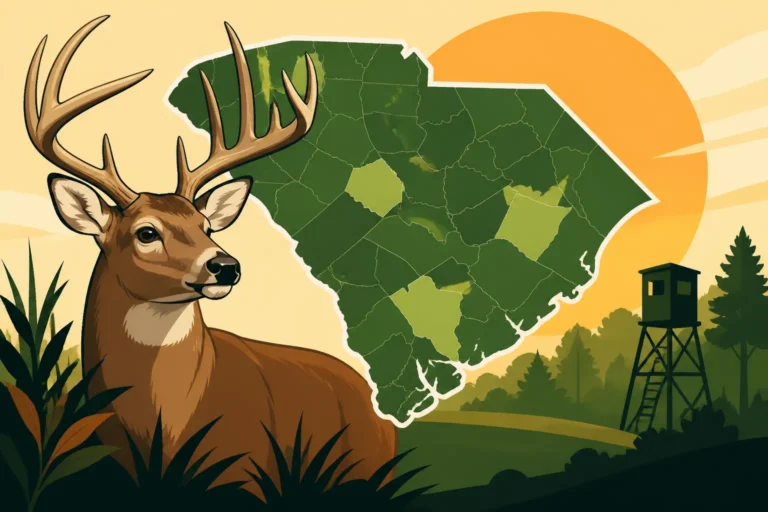
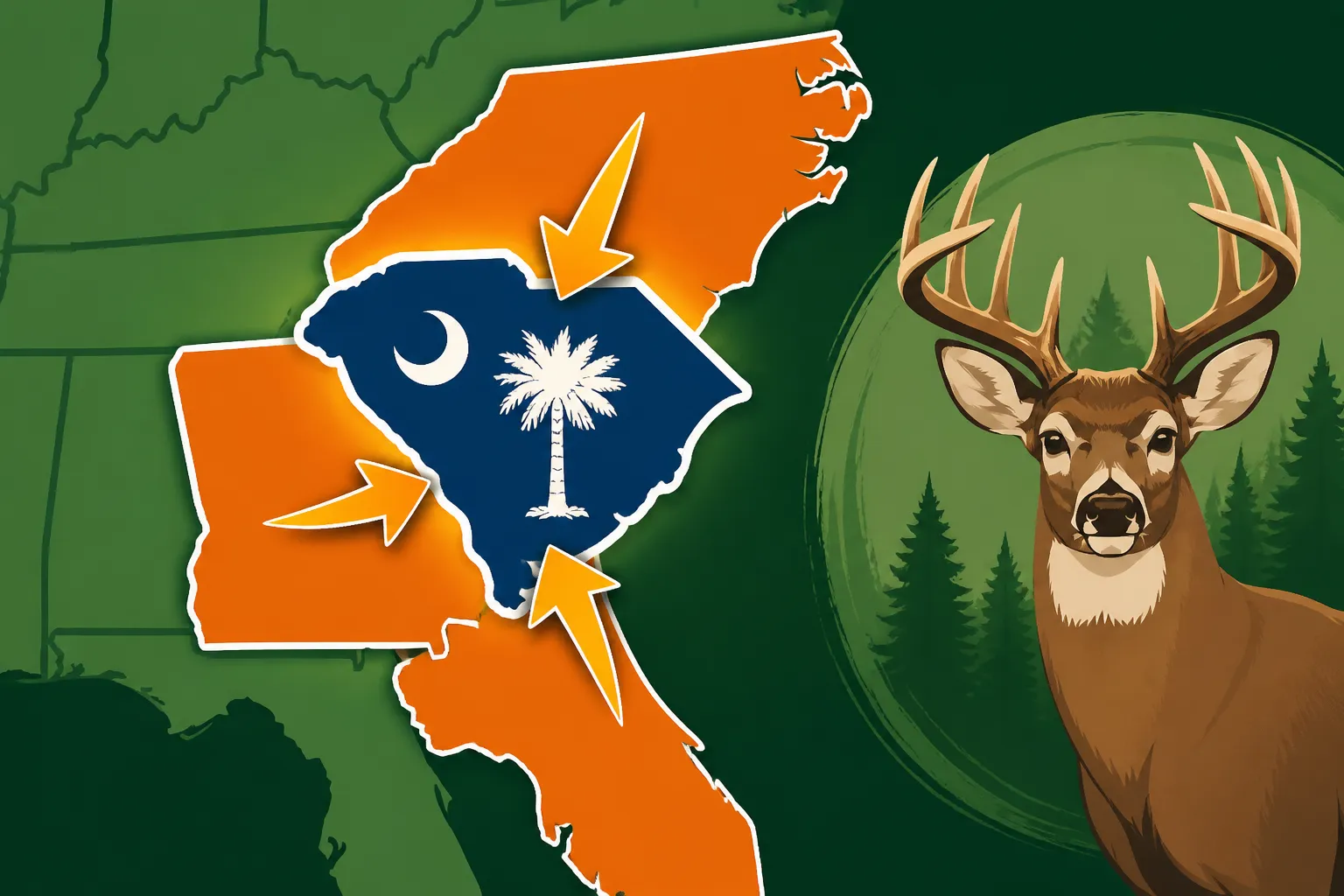
South Carolina shares its borders with two states: North Carolina to the north and Georgia to the west and south. Understanding their CWD status is crucial for any South Carolina hunter, especially if you hunt across state lines or transport harvested game. While the situation is always under surveillance and can evolve, it's important to know the general landscape.
North Carolina's CWD Vigilance
North Carolina, our neighbor to the north, has long been on high alert, implementing extensive surveillance programs to monitor for CWD. Historically, North Carolina had not detected CWD in its wild deer population for many years, which was great news. However, like many states, they have faced challenges with captive deer facilities. Hunters traveling to and from North Carolina need to be particularly mindful of regulations, as any detection, even in captive herds, can prompt enhanced restrictions to protect wild populations. The focus there, as here, is on prevention and rapid response should a case be found. Always check North Carolina's wildlife resource agency for the latest updates before hunting there or returning to South Carolina.
Georgia's Proactive Approach
To our west and south lies Georgia, another state that has maintained a robust CWD surveillance program. For many years, Georgia had also managed to keep its wild deer population free from known CWD detections. This is a testament to the hard work of their wildlife agencies and the cooperation of hunters. However, the threat is ever-present, which is why vigilance remains high. Georgia’s deer populations are a significant resource, and like us, they want to ensure future generations can enjoy healthy herds. If you're planning a trip to hunt in Georgia, make sure you're up-to-date on any specific regulations, particularly concerning the transport of deer carcasses.
Here's a quick look at the border states and their general CWD status (always check official state wildlife agency websites for the most current information):
| Border State | Known Wild CWD Cases (Historically) | Surveillance Program | Carcass Import Restrictions for SC Hunters |
|---|---|---|---|
| North Carolina | None (as of general knowledge) | Extensive | Yes, certain parts restricted |
| Georgia | None (as of general knowledge) | Extensive | Yes, certain parts restricted |
Note: The absence of known wild CWD cases is subject to continuous monitoring and should always be verified with the respective state wildlife agencies for the absolute latest updates.
Understanding South Carolina's Protective Measures
South Carolina's wildlife officials take the threat of CWD incredibly seriously. We are fortunate that, at this time, our wild deer herd is still considered CWD-free. This isn't by accident; it's due to a combination of proactive regulations, ongoing surveillance, and the cooperation of thousands of responsible hunters like you and me. These measures are designed to create a strong barrier against the disease, protecting a resource that means so much to our state.
Carcass Import Restrictions: Our First Line of Defense
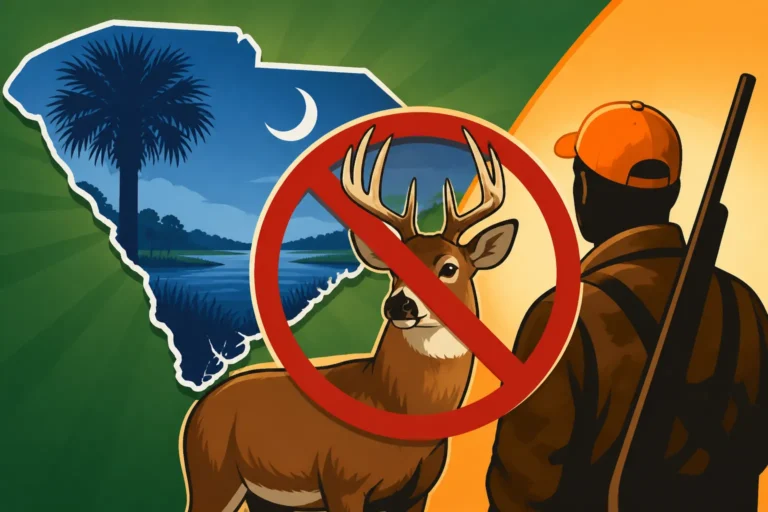
One of the most critical measures South Carolina has in place is its stringent carcass import restrictions. If you or someone you know hunts out of state, this is non-negotiable. You cannot bring whole deer carcasses, or even certain parts, back into South Carolina from any state or province where CWD has been detected. This includes parts like brain, spinal cord, eyes, and lymphoid tissue, which are known to harbor the prions. The idea is to prevent potentially infected material from entering our environment.
What can you bring back? Generally, it's deboned meat, clean skull plates, hides with no brain or spinal tissue attached, and finished taxidermy products. This allows hunters to still enjoy their successful out-of-state hunts while minimizing the risk. It’s an inconvenience, sure, but a necessary one to safeguard our herd. For a complete rundown on what's allowed and what's not, you'll want to review the specifics found in South Carolina Carcass Import Restrictions and Which Carcass Parts South Carolina Still Allows. It's crucial to understand these rules before you cross state lines with a deer.
South Carolina's Comprehensive Surveillance Program
Beyond import restrictions, South Carolina maintains a robust CWD surveillance program. This involves collecting samples from harvested deer throughout the state for testing. Hunters often participate by submitting heads at designated drop-off points, allowing wildlife biologists to monitor for any signs of the disease. This commitment to regular testing is how we can confidently say our herd remains CWD-free, and it provides an early warning system should CWD ever breach our borders.
These efforts are constant, not just during deer season. The state works to ensure that sufficient samples are collected annually to provide a statistically sound picture of our herd's health. You can learn more about these efforts and even find a local sampling station by looking into South Carolina CWD Surveillance Program or reading up on How South Carolina Tests for CWD Without a Case. Every hunter who participates in this program is contributing directly to the health and future of hunting in our state.
How Hunters Can Help Prevent CWD Spread
As hunters, we are the frontline conservationists. We spend more time in the woods, observing deer behavior, and interacting with the resource than almost anyone else. Our actions, both individually and collectively, are absolutely vital in preventing the spread of CWD into South Carolina. It’s not just about following the rules; it’s about embracing a mindset of responsibility and stewardship.
Responsible Carcass Disposal
Proper carcass disposal is paramount. If you harvest a deer in South Carolina, and especially if you've been hunting in a CWD-positive state, never, ever dispose of carcass parts in the wild. This includes gut piles, bones, and any other remains. If a deer were to be infected, scattering its parts would be the easiest way to spread those persistent prions into the environment. Instead, double-bag all carcass waste and dispose of it in a landfill, where it will be properly contained. This might seem like a small detail, but it’s a critical one in preventing environmental contamination. Think of it as leaving no trace, not just for aesthetics, but for disease prevention.
Reporting Sick Deer and Abnormal Behavior
You are the eyes and ears of our wildlife management. If you ever observe a deer acting strangely – showing signs of extreme emaciation, stumbling, drooling excessively, or showing no fear of humans – do not hesitate to report it to the South Carolina Department of Natural Resources (SCDNR). These could be signs of CWD or other diseases, and early detection is crucial. Don't attempt to handle or harvest a deer exhibiting these symptoms. Your prompt report could be the key to preventing a larger outbreak. It's a tough call to make, but it's part of being a responsible steward of the land and its wildlife. Learning about South Carolina Wildlife Disease Monitoring can give you an idea of the broader efforts at play.
Staying Informed and Educated
The world of wildlife management and disease prevention is constantly evolving. It's our responsibility to stay informed about the latest CWD regulations, research, and best practices. Regularly check the SCDNR website before hunting season or before traveling out of state. Talk to local wildlife officers. Share information with your hunting buddies. Ignorance is not bliss when it comes to CWD. Utilizing resources like the GoHunt platform can often help you stay organized with regulations, as many hunters use it for everything from mapping to understanding specific state laws when planning a trip. Knowledge is our most powerful tool in the fight against CWD. The more we know, the better we can protect our deer.
Supporting Wildlife Management Efforts
Finally, support the efforts of wildlife agencies. The work they do, from setting bag limits to conducting research and running surveillance programs, is vital. This often means buying your licenses and permits, which fund these critical programs. It might also mean participating in hunter surveys, providing accurate harvest data, or contributing to conservation organizations that advocate for sound wildlife management. Every dollar spent on your South Carolina Hunting Licenses and What They Cost helps fund these crucial efforts. Our collective voice and financial support ensure that South Carolina can continue its proactive stance against CWD, preserving our deer herds and hunting traditions for generations to come.
Disclaimer
This article is for general informational purposes only and does not constitute professional advice. Laws, prices and regulations vary by location and change over time. Consult a qualified professional for guidance on your specific situation.