Feral Hogs Across South Carolina
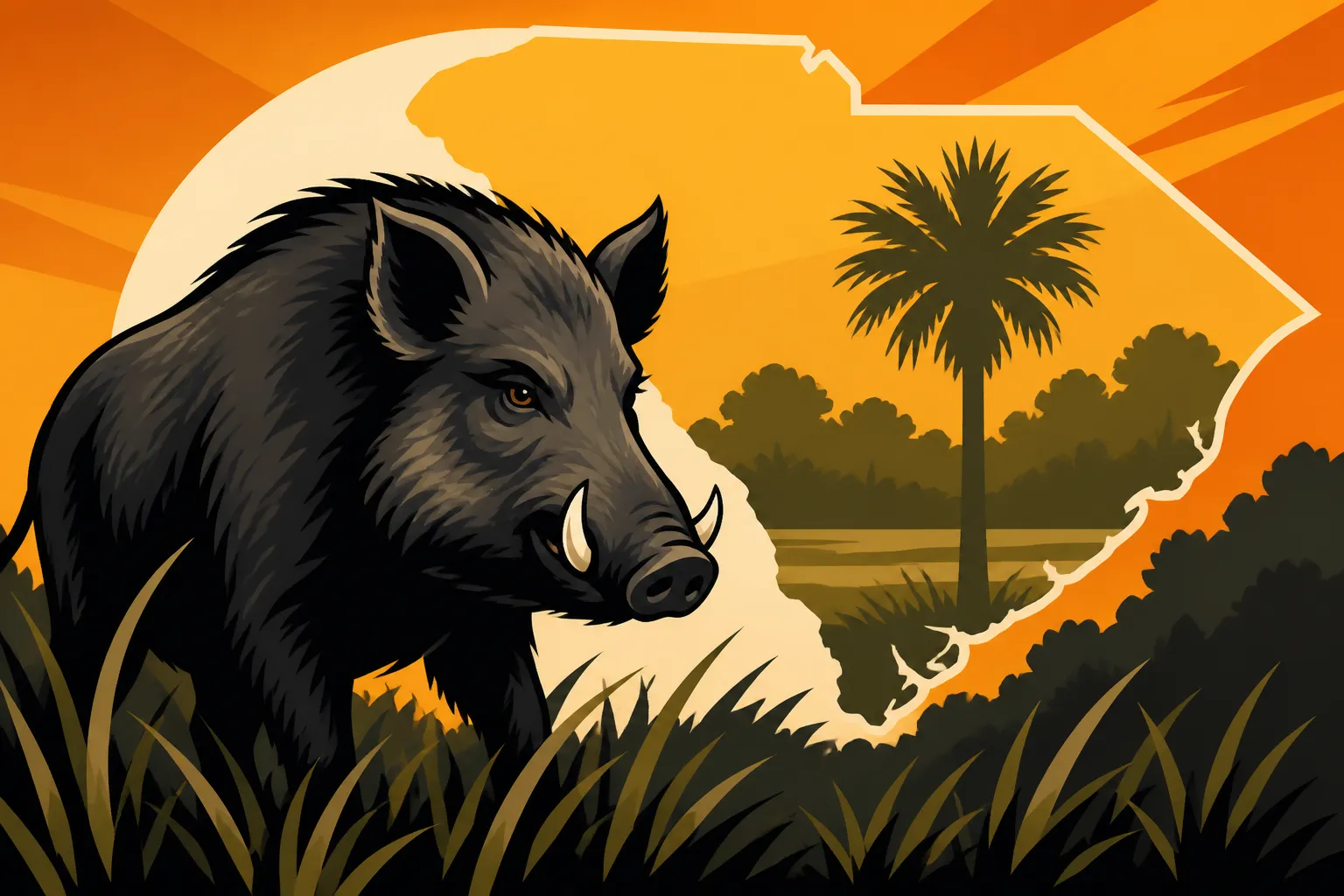
Few issues frustrate South Carolina landowners and hunters more than the relentless proliferation of feral hogs. These destructive animals aren't just a nuisance; they're an ecological nightmare, tearing up fields, preying on native wildlife, and making a general mess of our beautiful landscape. If you’re struggling with wild pigs on your property, or just want to understand the profound impact they have and how you can join the fight, this comprehensive guide will walk you through everything you need to know about feral hogs in the Palmetto State, from their biology to the most effective hunting and trapping methods.
The Feral Hog Problem: Why They're So Detrimental to South Carolina
When you talk about feral hogs, it's not just about a few animals roaming the woods. It's about an invasive species that poses a significant threat to South Carolina’s natural ecosystems, agricultural industries, and even other game species. Their presence is a constant headache, one that demands continuous attention and management from everyone involved.
Ecological and Agricultural Damage
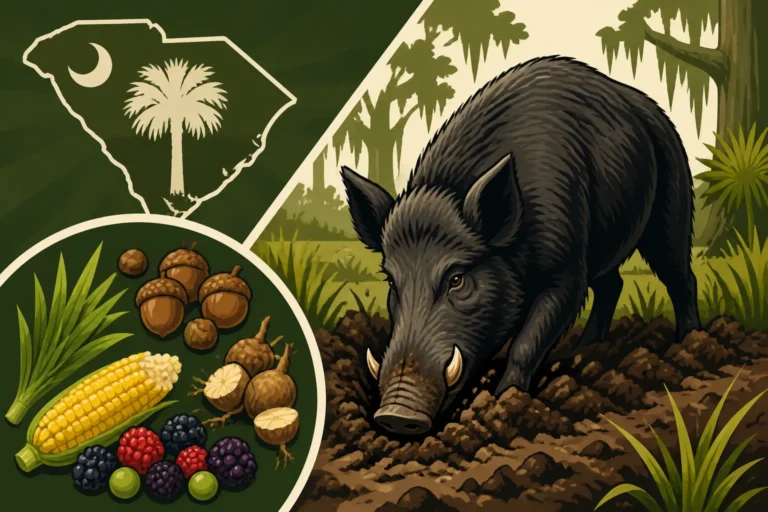
The most visible and immediate impact of feral hogs is the sheer destruction they cause to the landscape through their rooting behavior. These animals use their powerful snouts to dig for roots, tubers, and insects, essentially tilling the soil as they go. This rooting can transform lush fields, sensitive wetlands, and even mature forests into barren, churned-up wastelands overnight. For farmers, this means massive crop losses, from corn and soybeans to peanuts and vegetables, often wiping out entire sections of a field right before harvest. I’ve seen soybean fields that looked like they were hit by a rototiller, and the farmer's frustration was palpable – months of hard work gone in a single night.
Beyond agriculture, this rooting devastates natural habitats. It disturbs the delicate balance of forest floors, destroying native plant communities and creating conditions ripe for invasive weeds to take hold. It also contributes significantly to soil erosion, especially along riverbanks and creek beds, washing away precious topsoil and polluting waterways. Think about the impact on fragile coastal ecosystems or the crucial longleaf pine forests where ground-nesting birds thrive. The damage is extensive and long-lasting, far beyond just what you see on the surface.
Feral hogs are also opportunistic predators, and their diet isn't limited to plant matter. They have a serious impact on many of our beloved game animals. They'll readily consume the eggs and even young poults of ground-nesting birds, which is a major concern for wild turkeys and the dwindling bobwhite quail populations. More alarmingly, they are known to prey on deer fawns. Imagine a doe dropping her fawns in a thicket, only for a sounder of hogs to come through and snatch them up. This predation puts additional pressure on deer populations, especially in areas where hog numbers are high. It's a silent threat, but a very real one that impacts the overall health of our wildlife.
Finally, disease transmission is a critical, often unseen, danger. Feral hogs are known carriers of numerous diseases that can affect livestock, wildlife, and even humans. Brucellosis and pseudorabies are two major concerns for domestic swine producers, and outbreaks can be devastating to farms. Beyond that, they can transmit diseases like leptospirosis, E. coli, and even trichinosis to other wildlife and, through contact or consumption, to hunters and outdoor enthusiasts. This makes it absolutely essential to handle harvested hogs with care and cook the meat thoroughly, a topic we’ll dive into later. The hidden costs of disease are a heavy burden on our agricultural and public health systems.
Understanding Their Rapid Proliferation
One of the most confounding aspects of the feral hog problem is their incredible ability to multiply and spread. It often feels like you can harvest a dozen hogs one weekend, and the next, there are even more. This isn't just an illusion; it's a biological reality that makes control so challenging.
The primary driver of their unchecked population growth is their remarkable reproductive rate. Feral sows can become sexually mature as early as six months of age, and they can produce two litters, sometimes even three, within a single year. Each litter typically consists of four to eight piglets, but larger litters are not uncommon. Do the math: a single sow can contribute 8-24 new hogs to the population annually. When you factor in multiple generations breeding simultaneously, the numbers explode exponentially. This means that to even maintain current population levels, an estimated 70-80% of the hog population needs to be removed each year—a monumental task. This rapid breeding cycle is why even aggressive hunting efforts often feel like trying to empty a bathtub with a spoon while the faucet is wide open.
Another critical factor contributing to their proliferation is the lack of natural predators. In South Carolina, adult feral hogs have very few natural enemies. Coyotes might occasionally take a small piglet, but they are generally no match for a full-grown, aggressive sow or boar. Alligators can be a threat in the deep swamps, but their impact on overall populations is limited. Essentially, once a hog reaches a certain size, its chances of survival are very high, allowing it to continue breeding and contributing to the problem without significant natural checks. This imbalance in the ecosystem gives them an unfair advantage.
Furthermore, feral hogs are incredibly adaptable creatures. They aren't picky about where they live or what they eat. They thrive in a wide variety of habitats across South Carolina, from the dense, bottomland swamps of the Lowcountry to the agricultural fields of the Midlands and even the more mountainous terrain of the Upstate. This versatility means there's virtually no corner of the state safe from their presence. Their diet is equally broad, encompassing everything from acorns and roots to crops, carrion, and small animals. If one food source is scarce, they simply switch to another. This adaptability, combined with their intelligence and cunning, makes them extremely resilient and difficult to eradicate, cementing their status as a formidable invasive species across the state. It’s a constant battle, and one that requires us to be just as adaptable in our control methods.
Biology and Behavior of South Carolina's Wild Hogs
Understanding the biology and behavior of feral hogs isn't just academic; it's absolutely crucial for anyone looking to hunt or control them effectively. Knowing their habits, their strengths, and their weaknesses can give you the edge you need to outsmart these wary animals.
Key Characteristics and Identification
Feral hogs, often interchangeably called wild hogs, wild pigs, or razorbacks, are descendants of domestic pigs that either escaped or were intentionally released over hundreds of years. Because of this varied lineage, their appearance can differ quite a bit. You’ll find them in a range of colors, from solid black, brown, or red to spotted, striped, or even a mix of patterns. Their coats are typically coarse and bristly, especially on older boars, and they often sport a "razorback" ridge of hair along their spine.
Size also varies widely depending on age, sex, and diet, but adult hogs in South Carolina can weigh anywhere from 100 to over 300 pounds. I've heard tales and seen pictures of monster boars pushing 400 pounds in the Lowcountry swamps, though those are certainly not the norm. One of their most distinctive features, especially on males, are their prominent tusks. These are actually canine teeth that grow continuously and are sharpened by rubbing together. These tusks are formidable weapons, used for defense against predators, fighting with other hogs, and, unfortunately, can inflict serious injury on hunting dogs or even humans if a hog feels cornered.
Feral hogs are also remarkably intelligent animals, and this shouldn't be underestimated. They possess an incredible learning capacity, quickly adapting to human pressure. If you hunt a sounder (a group of hogs) in a particular area using one method, they'll often learn to avoid that spot or change their patterns to evade detection. They’re very wary of new objects, smells, and sounds, which makes trapping and baiting a game of patience and subtlety. This intelligence is a huge part of why they’re such a challenge to manage. They learn from their mistakes, and they transmit that knowledge quickly through their sounders, making the whole group harder to fool next time.
Habitat Preferences and Movement Patterns
If you’ve spent any time in the South Carolina woods, you know that hogs are creatures of cover, especially thick, dense cover. They absolutely love swamps, river bottoms, and areas with dense undergrowth, which offer them protection from predators (including hunters) and the elements. These areas provide vital bedding sites, wallows for cooling off in the heat, and often a consistent food supply. In the Lowcountry, this might mean expansive cypress-tupelo swamps, while in the Upstate, it could be brushy creek drainages or thickets of briars and young pines. Access to water is also paramount, not just for drinking but for wallowing, which helps them regulate body temperature and get rid of parasites.
While often associated with swamps, don't be surprised to find them venturing out into agricultural fields, pine plantations, and even suburban fringes, especially at night. Their movement patterns are typically crepuscular and nocturnal, meaning they are most active during dawn, dusk, and throughout the night, particularly when hunting pressure is high or during warmer months. During the heat of a South Carolina summer day, they will often lie up in the thickest, coolest cover they can find, not moving much until the temperatures drop. This preference for nighttime movement is a learned behavior, a direct response to human activity during daylight hours, making daytime hunting even more challenging.
Their diet, as mentioned, is incredibly varied and dictates much of their movement. In fall and winter, acorns and other mast crops are huge attractants, drawing them to oak flats and hardwood bottoms. During spring and summer, they’ll shift to rooting for tubers, consuming various plants, insects, and, crucially, raiding agricultural fields for corn, soybeans, peanuts, and other valuable crops. Understanding these seasonal shifts in food sources is key to predicting their movements. A successful hunt often starts with scouting for their preferred foods and then looking for sign – fresh rooting, tracks, scat, and wallows – to pinpoint their current activity zones. Knowing where they like to eat and where they feel safe is your first step in finding them. This requires constant observation and adapting your strategy as the seasons change and crops come in.
Legal Framework: South Carolina's Feral Hog Regulations
Navigating the rules for hunting feral hogs in South Carolina is pretty straightforward, largely because the state recognizes them as a pest rather than a game animal. This classification gives landowners and hunters a lot of leeway, but there are still important distinctions, especially when it comes to private versus public land. The goal of the South Carolina Department of Natural Resources (SCDNR) is essentially to reduce their numbers, not to manage them for harvest like deer or turkey.
Year-Round Hunting on Private Land
This is where the flexibility really shines for landowners and hunters on private property. When it comes to feral hogs on private land in South Carolina, there is essentially no closed season and no bag limit. This means you can hunt them 365 days a year, day or night, and you can take as many as you can. This open-ended approach reflects the severe economic and ecological damage these animals cause. It's not about recreation; it's about control and mitigation.
What's more, South Carolina law explicitly allows for the use of artificial lights for hunting feral hogs on private land at night. This is a game-changer for many hunters, as hogs are often most active after dark, especially in areas with heavy daytime pressure. This allowance extends to thermal and night vision devices, which have become incredibly effective tools for hog control. Imagine sitting on the edge of a field that's been consistently rooted up, waiting for the sounder to emerge under the cover of darkness. With the right gear, you can make a significant dent in their numbers. This approach acknowledges the nocturnal nature of these animals and provides hunters with the best opportunity to intercept them. For more details on this, you might find our guide on Night Hunting Hogs With Lights on Private Land particularly useful.
The intent behind these liberal regulations is clear: give landowners every possible tool to combat the feral hog menace. You don't need a specific tag for hogs, and you don't need to report your harvest to SCDNR, unlike deer or turkey. However, you do still need a valid South Carolina hunting license. Even though they're pests, you're still engaged in hunting activities. So, while the regulations are lenient, proper licensing is always required. It's worth noting that even with these relaxed rules, the problem persists, highlighting just how prolific and resilient these animals truly are. The sheer numbers of feral swine genetics and their origin story tell us they've been here a while and are deeply entrenched.
Public Land Restrictions and Opportunities
While private land offers almost unlimited options for hog control, hunting feral hogs on South Carolina's public lands, such as Wildlife Management Areas (WMAs) and National Forests, operates under a different set of rules. These areas are managed for a variety of game species, and hog hunting is often integrated into existing deer, bear, or small game seasons.
On WMAs, you cannot simply go hog hunting year-round with lights. Instead, hog hunting is typically only permitted during established open seasons for other game, most commonly during deer season. For example, if it's archery deer season on a particular WMA, you can harvest hogs with archery equipment. If it's gun deer season, you can use legal firearms. The specific weapon types, season dates, and even daily hunting hours for hogs on WMAs will align with the prevailing regulations for other game species on that particular WMA. It's crucial to consult the annual SCDNR Hunting and Fishing Regulations manual or check the specific WMA rules on the Go Outdoors SC app before heading out, as these rules can vary significantly from one WMA to another.
To hunt hogs on WMAs, in addition to your regular hunting license, you will also need a South Carolina WMA permit. This permit grants you access to these managed lands and helps fund their conservation efforts. National Forests, like Francis Marion and Sumter National Forests, often have similar restrictions, frequently aligning hog hunting with deer or small game seasons. While the opportunities are more constrained than on private land, these public areas can still hold significant hog populations. Scouting these areas carefully, especially during early deer seasons, can yield good results. You'll need to know which zone your county sits in to understand the general season structure, and then drill down into the specific WMA rules for details. The key takeaway here is always to know before you go; don't assume the private land rules apply to public access areas. Understanding the general South Carolina Deer Season Structure Explained is a good first step, then confirm specific WMA rules.
Effective Strategies for Hunting Feral Hogs
Hunting feral hogs isn't just about heading into the woods and hoping for the best; it requires strategy, patience, and often, specialized tactics. Because of their intelligence and prolific nature, effective hog control often involves a multi-pronged approach, utilizing several methods in conjunction to make a significant impact. The goal isn't just to harvest one or two hogs, but to remove entire sounders when possible.
Trapping: The Most Efficient Control Method
If you're serious about reducing hog numbers on a piece of land, especially private property, trapping is hands down the most efficient and effective method. Hunting can pick off individuals or small groups, but trapping allows you to capture entire sounders at once, making a much larger dent in the population. It's a long-term commitment, but the payoff can be immense.
There are several types of traps available, but large corral traps are generally the most successful for catching entire sounders. These are typically circular or square enclosures made of heavy-duty hog panels, often with a rooter door or drop door mechanism that can be triggered remotely. Smaller box traps can work for single hogs or small groups, but they're not as effective for clearing out a whole sounder. The initial setup requires an investment in time and materials, but once established, they can be incredibly productive. I’ve seen some really ingenious setups that make remote activation a breeze, allowing you to catch a whole group without ever stepping foot near the trap.
Baiting is absolutely critical for successful trapping. Corn is the go-to bait for most trappers, but not just dry corn. Many experienced hog trappers will "sour" their corn by soaking it in water and allowing it to ferment. This creates a powerful, irresistible aroma that draws hogs in from a distance. Start by pre-baiting an area for several days, or even a week or two, without setting the trap. This gets the hogs accustomed to feeding at the site and builds their confidence. Once they’re consistently hitting the bait, introduce the trap by baiting heavily inside the trap, leaving the door open or tied up for several days. The goal is to get the entire sounder comfortable entering and exiting the trap freely. This patience is key; if you try to spring the trap too early, you might catch a few, but the rest of the sounder will become trap-shy and be much harder to catch later. Then, when the entire sounder is inside, you can remotely trigger the trap. For a deeper dive into trap specifics, check out our guide on Trapping South Carolina Feral Hogs.
Still-Hunting and Spot-and-Stalk
For the hunter who enjoys the challenge of actively pursuing game, still-hunting and spot-and-stalk tactics can be very rewarding for hogs, though they require a keen eye and a stealthy approach. These methods are most effective when hogs are moving from bedding areas to food sources, or vice versa, and they can be employed effectively on both public and private lands during legal seasons.
Scouting is paramount for these techniques. You need to find fresh hog sign: recent rooting, tracks in mud, fresh scat, or well-used trails leading into feeding areas or bedding thickets. Pay close attention to wallows, which are muddy depressions where hogs roll to cool off and remove parasites. These spots often indicate recent activity. Use mapping tools like GoHunt to analyze aerial photos for dense cover, water sources, and potential travel corridors. Look for the pinch points and funnels that hogs will naturally use.
When still-hunting, move slowly and deliberately, stopping frequently to scan ahead and listen for the subtle sounds of hogs. They can be surprisingly quiet for their size, but you might hear them rooting, grunting, or moving through thick brush. Always hunt into the wind, as hogs have an incredible sense of smell, far superior to their eyesight. Any whiff of human scent will send them scattering. Early morning and late evening are generally the best times for still-hunting, as hogs are more likely to be out and about during these cooler, lower-light periods. Remember, hogs are creatures of habit, but they are also incredibly wary. Success often comes down to patience and absolute silence. They frequently inhabit similar areas to deer, so if you're Hunting Lowcountry Swamp Deer, you're likely in hog country too.
Stand Hunting and Ambush Tactics
Setting up an ambush is a classic hunting strategy that works well for hogs, especially when you can identify consistent travel routes or feeding areas. This involves using a treestand or ground blind to intercept hogs as they move through an area. It’s particularly effective over bait, where legal, or over natural food sources.
On private land, baiting with corn or other attractants is a very popular and highly effective method. Once you’ve established a bait site that hogs are consistently hitting, setting up a stand or blind downwind of the site gives you an excellent opportunity for a clean shot. The key is consistency; keep the bait fresh and plentiful to encourage regular visits. You might also consider placing game cameras to monitor activity and learn their patterns, giving you a better understanding of when and how many hogs are visiting.
For hogs that are primarily nocturnal or highly pressured, especially on private land, stand hunting with the aid of thermal optics or night vision is incredibly effective. This method capitalizes on their preference for moving under the cloak of darkness. You can set up overlooking a known field edge, a food plot, or a consistently baited area. With a good thermal scope, you can spot hogs from a considerable distance, allowing you to set up for a shot before they even know you’re there. If you're looking into this, our guide on Night Hunting Hogs With Lights on Private Land will give you specific tips and legal considerations. On public land, where baiting is generally prohibited and night hunting with lights is restricted, stand hunting typically focuses on natural food sources like acorns, persimmons, or along heavily used game trails near dense cover during daylight hours.
Hunting with Dogs: An Exciting, Traditional Method
For many, hunting feral hogs with dogs is not just a method; it’s a passion and a tradition, especially in the deeper woods and swamps of the South. This high-energy, adrenaline-fueled approach is incredibly effective for locating and containing hogs in thick cover where other methods struggle. It's a team effort between hunter and dog, requiring specific training and safety protocols.
There are generally two types of dogs used for hog hunting: bay dogs and catch dogs. Bay dogs, often cur breeds, hounds, or mixes, are trained to locate hogs, then "bay" them—barking aggressively around the hog to keep it in one place without making physical contact. This allows the hunter to move in quietly and dispatch the hog. Catch dogs, typically powerful breeds like Catahoulas, pit bulls, or mastiffs, are used to physically subdue and hold a hog by the ear or neck, allowing the hunter to move in for a quick, clean kill, often with a knife. Many hunters use a combination, with bay dogs locating and holding, and then a single catch dog brought in to secure the hog if needed.
Safety is paramount when hunting hogs with dogs, for both the dogs and the hunters. Hogs, especially large boars with sharp tusks, can inflict serious injuries. Dogs are typically outfitted with protective vests to prevent cuts. Hunters must be aware of their surroundings, the dogs' positions, and the hog's movements to ensure a safe and ethical shot. This method is incredibly effective for clearing out entire sounders from dense, otherwise impenetrable cover. If you’re considering this intense and rewarding pursuit, you’ll definitely want to read our dedicated guide on Running Dogs on South Carolina Feral Hogs for a full breakdown of the techniques and considerations. It's a thrilling way to hunt, but it's not for the faint of heart!
Gear and Equipment for South Carolina Hog Hunting
Just like any other hunting endeavor, having the right gear can make all the difference when pursuing feral hogs in South Carolina. Given the diverse habitats and challenging conditions—from swampy lowlands to dense pine plantations—your equipment needs to be robust, reliable, and appropriate for the task at hand.
Recommended Firearms and Ammunition
When it comes to firearms, versatility is key for hog hunting. Unlike deer, where certain calibers are traditionally preferred, hogs are tough, resilient animals that require good bullet placement and adequate stopping power.
For rifles, many popular deer calibers work exceptionally well. The .223/5.56mm can be very effective, especially with heavier, bonded bullets designed for penetration, and its low recoil allows for quick follow-up shots on multiple hogs. The .308 Winchester and 6.5 Creedmoor are excellent all-around choices, offering a good balance of power, range, and accuracy, making them suitable for both open field shots and closer encounters in the woods. Many hunters also favor larger calibers like the .30-06 Springfield or .45-70 Government for their knockdown power, particularly for big boars or when hunting in very thick cover where shots are close and decisive action is needed. Shotguns loaded with slugs or buckshot (00 buck or #1 buck) are also highly effective at close ranges, especially in dense brush or during a dog drive. Archery equipment, including compound bows and crossbows, is also a popular choice, offering a challenging and intimate hunting experience. Just ensure your broadheads are sharp and designed for deep penetration.
The type of ammunition you use is as important as the caliber. For hogs, you want bullets that are designed for deep penetration and controlled expansion. Avoid thin-jacketed varmint rounds, which might fragment on impact and not reach the vitals. Look for bonded bullets, solid copper projectiles, or heavy, robust soft points that will drive through thick hide, muscle, and bone to reliably put down a tough hog. When hunting multiple hogs, having a rifle that you can shoot quickly and accurately for follow-up shots can be extremely beneficial. You might be targeting one hog, but if a whole sounder is present, you want to make the most of the opportunity.
Optics and Thermal Imaging
Having the right optics can significantly increase your success rate, whether you’re scouting, still-hunting, or sitting over a bait pile. A good pair of binoculars, typically 8×42 or 10×42, is essential for scanning the edges of fields, spotting hogs in thick cover, and confirming targets before you raise your weapon. They help you pick out movement and identify animals in low light conditions, which is often when hogs are most active.
For those serious about night hunting on private land, thermal scopes and night vision devices are game-changers. Thermal optics detect heat signatures, allowing you to "see" hogs in absolute darkness, dense fog, or thick brush that traditional night vision might struggle with. They cut through camouflage and provide a clear outline of the animal, making target identification and shot placement much easier after dark. Brands like ATN, Pulsar, and Trijicon offer a range of thermal devices suitable for hog hunting. Night vision devices, while not as effective at cutting through cover as thermal, amplify ambient light and are often preferred for their ability to provide a more natural, identifiable image of the hog. Many hunters use weapon-mounted lights in conjunction with night vision or thermal for positive identification before the shot. The ability to hunt effectively at night capitalizes on the hog's nocturnal habits, turning the tables in the hunter's favor.
Practical Apparel and Essential Accessories
South Carolina's climate presents unique challenges, often swinging from hot and humid to damp and chilly, even during hunting seasons. This means your apparel needs to be adaptable and durable.
One piece of gear that I cannot stress enough, especially for anyone venturing into swamps or thick woods, is a pair of snake boots. South Carolina is home to several venomous snake species, including cottonmouths and rattlesnakes, and you are highly likely to encounter them in prime hog habitat. High-quality snake boots provide peace of mind and crucial protection.
Beyond that, durable, breathable hunting clothing is a must. Layers are your friend, allowing you to adjust to changing temperatures throughout the day. Moisture-wicking base layers are essential for managing sweat in warm weather, and a good rain jacket is invaluable for unexpected South Carolina downpours. Given that hog hunting can often be done during deer season, remember to adhere to blaze orange requirements if applicable to your hunt area and season. Our guide on Warm-Weather Clothing for South Carolina Hunters has more specific recommendations for tackling the heat and humidity.
Other essential accessories include a good field dressing kit (sharp knives, gloves, possibly a small bone saw), a headlamp for navigating in low light or after dark, and plenty of water. A sturdy backpack to carry your gear, snacks, and water is also crucial, especially if you plan on covering significant ground. And since you'll likely be dealing with raw meat, durable game bags and a large cooler with plenty of ice are absolutely critical, especially in South Carolina's often warm climate, to properly care for your harvest immediately after the shot. Our guide to Meat Care Gear for South Carolina Hunters provides a thorough rundown of what you’ll need. Don't forget bug repellent, as mosquitoes, ticks, and gnats can be relentless in hog country. Using a reputable brand like Thermacell can make your sit much more comfortable.
Processing and Utilizing Your Harvest
Harvesting a feral hog is only half the battle; the other half is properly processing and utilizing the meat. This is a critical step, not just for enjoying the fruits of your labor, but also for ensuring food safety. Wild hog meat can be absolutely delicious, but it requires careful handling.
Field Dressing and Initial Meat Care
The moment you harvest a hog, especially in South Carolina’s often warm climate, the clock starts ticking. Quick cooling is paramount to preserving the quality of the meat. Unlike deer, hogs have a thick layer of fat and hide that insulates their bodies, causing them to retain heat longer. This means you need to field dress the animal as quickly and efficiently as possible. Get the entrails out to allow the body cavity to cool down. If possible, rinse the cavity with clean water (if readily available and you can dry it thoroughly afterward), and consider propping it open to facilitate airflow, especially if you have a short drag back to your vehicle.
Hygiene and disease awareness are absolutely critical. Feral hogs can carry diseases like brucellosis and trichinosis, both of which can be transmitted to humans. Always wear protective gloves when field dressing a hog. Avoid direct contact with blood and internal organs, especially if you have any cuts or scrapes. If you notice any suspicious lesions, abscesses, or abnormalities in the organs or meat, it's best to discard that animal or consult with a veterinarian or state wildlife agency. While rare, trichinosis is a concern with wild hog, so always assume the meat needs to be cooked to a specific internal temperature to kill any potential parasites. This isn't meant to scare you, but to reinforce the importance of proper handling.
Once field dressed, the next step is getting the hog to a cooler or processing facility. If you're on public land or far from your vehicle, you might consider quartering the animal in the field. This involves breaking the hog down into its primal cuts (shoulders, hams, backstraps, tenderloins) to make it easier to transport. Using sharp knives and a clean surface (like a tarp) will make this process more efficient and sanitary. Pack the meat immediately into breathable game bags and place it on ice in a cooler. Make sure the meat isn't sitting directly in melted ice water; use a false bottom or elevate the bags. Proper chilling will prevent spoilage and ensure the best flavor.
Butchering and Cooking Wild Hog
Once the hog is properly chilled, you can move on to butchering. You can either take it to a professional wild game processor, which is often the easiest option, or butcher it yourself if you have the space and tools. Butchering a hog is similar to butchering a domestic pig, yielding a variety of cuts. You’ll get flavorful roasts from the shoulders and hams, delicious chops from the loin, and tenderloins. The belly can be used for bacon (though it often has less fat than domestic bacon), and the trimmings are excellent for making ground sausage. Many hunters opt to turn a significant portion of their wild hog into sausage, which is incredibly versatile and a great way to use the meat.
When cooking wild hog, remember the importance of cooking to proper internal temperature to ensure food safety. The USDA recommends cooking all fresh pork, including wild hog, to an internal temperature of 145°F (63°C) for roasts, chops, and loins, with a three-minute rest time. For ground pork and sausage, the recommended temperature is 160°F (71°C). Using a meat thermometer is the best way to ensure it's cooked thoroughly, especially with wild game. Don't rely on color alone.
The flavor profile of wild hog meat can vary significantly depending on the hog’s diet and age. Hogs that have been feeding heavily on agricultural crops, like corn, tend to have a milder, sweeter flavor similar to domestic pork. Hogs that primarily forage on acorns and roots might have a stronger, more "gamey" taste. Older boars, especially rutting boars, can sometimes have a very strong, musky odor and flavor due to hormonal changes, which some people find unpalatable. If you encounter a particularly strong-smelling boar during field dressing, you might consider using that meat for heavily spiced sausage or discarding it if the odor is too overpowering. However, most wild hog meat is fantastic – lean, flavorful, and a great source of protein. Experiment with different recipes, from slow-cooked pulled pork to grilled chops and spicy sausage, to discover your favorite ways to enjoy this truly wild protein.
The Future of Feral Hogs in South Carolina
The ongoing battle against feral hogs in South Carolina is a complex and challenging one, with no easy answers. Despite the best efforts of landowners, hunters, and wildlife agencies, these intelligent and prolific animals continue to thrive, constantly adapting to pressure. It’s clear that managing the feral hog population will remain a significant challenge for the foreseeable future.
Challenges in Control and Eradication Efforts
One of the most persistent hurdles in controlling feral hog populations is their inherent adaptive nature and high reproductive rate, which we discussed earlier. Hogs learn quickly from encounters with humans. If you pressure them in one area, they’ll simply move to another. If you hunt them during the day, they become nocturnal. This constant adaptation makes predicting their movements and effectively targeting them incredibly difficult. Add to this their ability to produce multiple large litters annually, and you're always fighting an uphill battle. It's like trying to stop a flood with a bucket; the source keeps replenishing faster than you can remove it. Even with intensive hunting and trapping efforts, maintaining a sustained reduction in population numbers requires immense, coordinated effort over vast areas.
Another significant challenge stems from public perception and, at times, a lack of political will to fully implement comprehensive eradication programs. While many landowners and conservationists recognize the severe threat hogs pose, there are still some individuals who view them as a valuable game animal and may even perpetuate their spread by illegally transporting them for hunting purposes. This "trap-and-transfer" practice, though illegal, has historically contributed to their spread across the state and continues to undermine control efforts. Education is key here, to ensure everyone understands the devastating impact of these animals. Furthermore, large-scale eradication programs can be costly and require significant public and private investment, which can be difficult to secure. Without a unified understanding of the problem and a commitment to sustained funding and effort, truly turning the tide remains a daunting prospect.
Collaboration and Continued Management
Despite the challenges, there is hope through collaboration and continued management efforts. The SCDNR plays a crucial role in monitoring hog populations, researching new control methods, and educating the public. They provide resources and guidance to landowners and hunters, encouraging effective control strategies. For instance, SCDNR often collaborates with Clemson University Extension to disseminate information on best management practices, including trapping techniques and baiting strategies. These agencies are constantly looking for innovative solutions and better ways to combat the problem, including exploring new technologies.
The ongoing success, or even just the slowing of the spread, hinges largely on landowner involvement. Private landowners control a vast majority of the land in South Carolina, and their active participation in hog control is absolutely critical. This means not just hunting them during deer season, but implementing year-round trapping programs, working with neighbors to coordinate efforts across property lines, and being vigilant about hog activity. Many hunting clubs and private land groups are forming cooperative efforts to manage hog populations, sharing information and resources. This localized, grassroots approach, combined with broader state-level guidance, is the most powerful tool we have.
Finally, ongoing research and the development of new technologies offer some promise. Scientists are constantly exploring new methods, from more effective attractants and remote-sensing traps to potential toxicants (though these come with significant regulatory and safety challenges). The use of advanced mapping and tracking tools, like those provided by GoHunt and others, allows hunters and managers to better understand hog movements and focus their efforts where they will be most effective. While a complete eradication of feral hogs from South Carolina might be an unrealistic goal, sustained and coordinated management efforts can help mitigate their damage, protect our ecosystems, and reduce their impact on agriculture and native wildlife. It’s a marathon, not a sprint, and every hog removed is a win for the Palmetto State.
Disclaimer
The information provided in this guide is for general informational purposes only and does not constitute legal advice. Hunting regulations and laws are subject to change. Always consult the most current South Carolina Department of Natural Resources (SCDNR) regulations manual and local ordinances before engaging in any hunting activities. Ensure you have all required licenses and permits. Safety should always be your top priority.