When South Carolina Coyote Season Runs
If you're a hunter in South Carolina, you've likely seen the evidence of coyotes – deer populations struggling, turkey nests raided, or perhaps even a direct encounter while you're out chasing other game. It can be incredibly frustrating to see these adaptable predators impacting the wildlife we cherish, and many folks want to know exactly when they can do something about it. This guide is here to unravel the often-misunderstood rules around coyote hunting in the Palmetto State, giving you the knowledge to confidently and legally contribute to predator control efforts.
Understanding South Carolina's Coyote Regulations
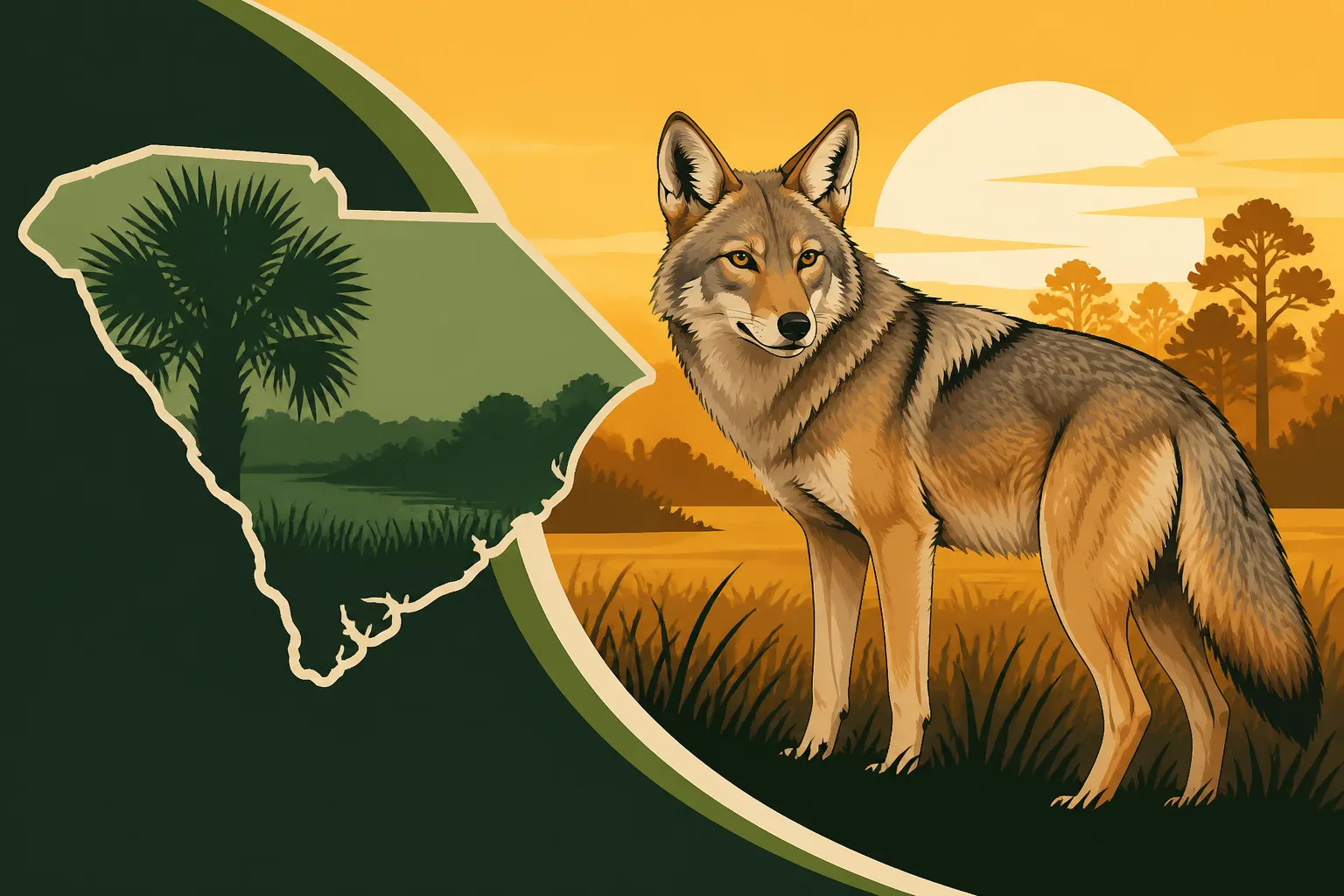
One of the most common questions I hear from fellow hunters, especially those new to predator management, is about the exact dates for coyote season. The good news, and perhaps the most straightforward answer you'll get in South Carolina hunting regulations, is that coyote season on private land is open year-round, 24 hours a day, with very few restrictions outside of weapon-specific rules during other game seasons. This reflects their status as a non-native, nuisance species that negatively impacts our native wildlife, and the state encourages their removal.
Year-Round Opportunity on Private Land
The consistent year-round season for coyotes on private land in South Carolina isn't just a convenience; it's a recognition of the significant ecological and economic impact these animals have. Unlike white-tailed deer or wild turkeys, which have specific seasons designed for population management and sustained harvest, coyotes are considered a detrimental species. They weren't historically present in large numbers in the Southeast and have expanded their range dramatically over the last few decades, often at the expense of our deer fawns, turkey poults, and even small game like rabbits and quail.
This continuous open season means you don't need to worry about specific opening and closing dates or bag limits when you're on private property where you have permission to hunt. If you see a coyote, and you're legally hunting, you can take it. This flexibility allows landowners and hunters to engage in predator control whenever they have the opportunity, which is crucial given coyotes' high reproductive rates and intelligence. Whether you're in a deer stand during archery season or just out scouting in the off-season, if a coyote presents itself, you can act.
Public Land Specifics and WMA Rules
While private land offers broad flexibility, hunting coyotes on public lands, such as Wildlife Management Areas (WMAs) or National Forests, comes with more specific regulations. These areas are managed differently, often with an emphasis on preserving specific game species or providing diverse recreational opportunities. Therefore, it's absolutely critical to check the specific rules for the WMA or National Forest district you plan to hunt. You can't just assume the private land rules apply.
Generally, you can hunt coyotes on WMAs during any established open season for other game (like deer, turkey, or small game) when you are legally engaged in that specific hunt and carrying the appropriate weapons for that season. For example, if you're bowhunting deer during Bowhunting South Carolina's Long Archery Season, and a coyote walks by, you can take it with your bow. The same applies if you're carrying a rifle during deer gun season. However, you often cannot go specifically to a WMA outside of other established game seasons with the sole intent of hunting coyotes, especially with firearms, unless the WMA has a specific coyote hunting season or special regulations. Some WMAs might have dedicated predator hunting days or specific rules for small game season that allow for coyote harvest. It's truly a WMA-by-WMA assessment.
A tool like the Go Outdoors SC app or a mapping service like GoHunt is invaluable here. These resources can often show WMA boundaries and link directly to regulations, helping you avoid accidental violations. Always verify directly with the SCDNR website or printed regulations booklet for the most current information. Additionally, remember that a South Carolina WMA Permit Requirements often applies when hunting on these public lands, even if you're targeting coyotes incidentally.
Why Coyotes Are a Year-Round Focus for Hunters
The year-round open season isn't just about convenience; it underscores the significant challenge coyotes pose to South Carolina's native wildlife populations. These highly adaptable predators have colonized virtually every corner of the state, from the mountains to the coast, and their presence has had a noticeable impact on game animals that hunters cherish.
Impact on Native Wildlife
Coyotes are opportunistic predators with a broad diet, but they are particularly efficient at preying on deer fawns and turkey poults. For deer, studies have shown that coyote predation can significantly reduce fawn survival rates, especially in areas with high coyote densities. This means fewer young deer making it to adulthood, which can affect the overall health and age structure of the herd. If you've been noticing fewer young deer on your property, coyotes might be a major contributing factor. Understanding the South Carolina Predator Impact on Fawn Recruitment is crucial for appreciating the scale of the problem.
For turkeys, coyotes are expert nest predators and can also take adult birds, particularly hens on the nest. This adds another layer of pressure to our already struggling turkey populations, making it harder for those poults to make it to maturity. The decline in South Carolina Turkey Population Trends is a complex issue, but coyote predation is certainly a piece of that puzzle. Beyond deer and turkeys, coyotes also prey on a variety of small game like rabbits and squirrels, and even ground-nesting birds, contributing to challenges for South Carolina Small Game Season Rules.
Population Control Efforts
Given their reproductive success and the challenges they present, actively managing coyote populations is a critical component of broader wildlife conservation efforts in South Carolina. While hunting alone isn't likely to eradicate coyotes, consistent pressure can help reduce localized populations and mitigate their impact, especially during critical times like fawning season for deer or nesting season for turkeys.
The goal isn't necessarily elimination, which is practically impossible, but rather suppression and maintaining a healthy balance. Hunters are often the most dedicated and effective force in this effort, providing valuable service by reducing predator numbers. SCDNR encourages the harvest of coyotes, understanding that every coyote removed potentially means more fawns or poults survive. This is why tools and techniques like Coyote Calling in South Carolina Farm Country are becoming increasingly popular and effective.
Effective Tactics for South Carolina Coyote Control
Since coyotes can be hunted year-round on private land, hunters have a wide array of options and tactics at their disposal. The key is to be adaptable and understand coyote behavior in your specific hunting area.
Calling and Decoying
Calling is one of the most popular and effective methods for hunting coyotes. There are two main types of calls: distress calls and challenge calls. Distress calls mimic an injured rabbit, fawn, or other small animal, appealing to a coyote's instinct to scavenge or easily catch prey. These are often most effective when coyotes are actively hunting, like at dawn, dusk, or throughout the night.
Challenge calls, such as howls, aim to provoke a territorial response from a coyote. These can be particularly effective during the breeding season (late winter/early spring) when coyotes are more aggressive about defending their turf. Using a combination of calls, setting up where the wind is in your favor, and having good concealment are essential. Electronic callers offer a vast array of sounds and can be controlled remotely, allowing you to stay hidden and adjust your calling sequence without movement. Decoys, especially those that mimic a struggling rabbit or a curious coyote, can also be very effective at drawing attention away from you and providing a clear shot.
Night Hunting with Lights and Thermal Optics
Night hunting for coyotes is legal on private land in South Carolina, and it can be incredibly effective given coyotes' nocturnal nature. This method often involves using specialized equipment. Traditional red or green hunting lights can illuminate coyotes without completely spooking them, as they often perceive these colors differently than white light. However, the game-changer for many predator hunters has been thermal or night vision optics.
These advanced optics allow you to spot coyotes in complete darkness, even through brush or at long distances, giving you a significant advantage. A thermal scope or a thermal monocular paired with a traditional rifle scope makes identifying and engaging coyotes at night much more feasible. While these tools represent a significant investment, they pay dividends in successful predator control. Just remember, when considering Night Hunting Rules for South Carolina Coyotes, always verify the latest regulations, especially concerning the use of artificial lights, to ensure you stay within legal bounds.
Incidental Harvest and Opportunistic Hunting
Sometimes, the best coyote hunting strategy is simply being prepared for the unexpected. Since the season is year-round on private land, any time you're out hunting deer, turkeys, or even just scouting, you have the opportunity to harvest a coyote if one presents itself.
This means carrying a weapon suitable for coyotes, even if it's not your primary target. Many deer hunters, particularly those using rifles, will take a coyote if they see one from the stand. During spring turkey season, I've had many encounters with coyotes sneaking through the woods, looking for an easy meal. Being ready to shift your focus from a gobbler to a coyote can pay off. It's not uncommon for hunters to take several coyotes a year simply through these opportunistic encounters, without ever setting out specifically to hunt them.
Staying Legal and Safe While Coyote Hunting
Even though coyote hunting regulations are relatively straightforward on private land, it's crucial to always adhere to general hunting ethics, safety protocols, and any overlapping rules from other game seasons or public land designations.
License Requirements and Reporting
You will still need a valid South Carolina Hunting Licenses and What They Cost to hunt coyotes, even if they are a nuisance animal. This is a fundamental requirement for all hunting activities in the state. Generally, there are no specific tags or reporting requirements for coyotes, which is another indication of their non-game status. You don't need to report a harvested coyote through the Game Check system like you would a deer or turkey.
Weapon Choice and Overlapping Seasons
The choice of weapon for coyote hunting is quite flexible, ranging from shotguns to rifles to archery equipment. During open gun seasons for deer, you can typically use any legal firearm that's appropriate for that season. For example, if you're Rifle Setups for South Carolina Deer Hunting during the general firearms season, you can use that same rifle for coyotes.
However, if you're hunting during archery-only season, you're restricted to archery equipment, even for coyotes. This is a critical point: the weapon you use for coyotes must be legal for any open game season at that specific time and location. Always double-check the regulations for the specific game zone you're in, as South Carolina's Four Game Zones can have different rules and dates for various game.
A quick reference table:
| Location Type | Coyote Season | Night Hunting | General Weapon Rule | Blaze Orange (During Daylight Deer Gun Season) |
|---|---|---|---|---|
| Private Land | Year-round, 24/7 | Yes, with legal lights/optics | Any legal firearm/archery equipment (must be legal for any open season if present) | Yes, if hunting deer with firearms |
| Public Land (WMAs/National Forests) | During established open seasons for other game (check specific WMA rules) | Generally restricted; check specific WMA rules | Must be legal for the primary game being hunted (check specific WMA rules) | Yes, if required for the primary game being hunted |
Note: This table provides general guidance. Always consult the most current SCDNR regulations for specific WMA or National Forest rules.
Blaze Orange and Safety Considerations
If you are hunting coyotes during a time when blaze orange is required for other game (e.g., during daylight firearms deer season on private land or during a general firearms season on a WMA), you must wear the appropriate amount of blaze orange. The requirement is primarily for hunter safety, ensuring you're visible to other hunters. For more details on these requirements, consult resources like "South Carolina Blaze Orange Requirements."
Beyond legal requirements, always practice responsible firearm handling and hunting safety. Be aware of your surroundings, especially if using calls, as coyotes can approach quickly and silently. Always identify your target clearly and be sure of what lies beyond it. When hunting at night, this vigilance is even more critical.
Managing a Trapline for Coyotes
While hunting is an active pursuit, trapping offers a more passive, yet highly effective, method for year-round coyote control. Trapping laws in South Carolina are distinct from hunting regulations, requiring specific licenses and adherence to trap types, setting locations, and checking intervals. Trapping can be particularly useful in areas where hunting pressure is difficult to maintain or where coyotes are especially wary. Learning to run a trapline in rural South Carolina can be an incredibly valuable skill for consistent predator management. However, always ensure you have the proper South Carolina Trapping License Requirements and understand all associated regulations before deploying any traps.
In South Carolina, the coyote season is almost always "on" for the dedicated hunter on private land, offering a continuous opportunity to manage these challenging predators. By understanding the rules, employing effective tactics, and always prioritizing safety, you can play a crucial role in protecting our native wildlife and enjoying the pursuit of an intelligent and wary quarry.
Disclaimer
Please note: Hunting regulations can change. It is always your responsibility as a hunter to consult the most current South Carolina Department of Natural Resources (SCDNR) regulations before heading afield. This article is intended for informational purposes only and does not constitute legal advice or a substitute for official SCDNR publications.