South Carolina Crossbow Equipment Requirements
The world of hunting regulations can feel like a labyrinth, especially when you're trying to figure out the specifics for a piece of gear like a crossbow. Many hunters, new and seasoned, often find themselves scratching their heads, wondering if their setup is truly compliant with South Carolina's rules. This guide is here to untangle that confusion, providing a clear, detailed breakdown of the Palmetto State's crossbow equipment requirements so you can hit the woods with confidence.
Navigating South Carolina's Crossbow Landscape
Crossbows have seen a significant surge in popularity over recent years, and it's easy to see why. They offer a unique blend of accuracy, power, and a relatively shorter learning curve compared to traditional vertical bows, making them an attractive option for many hunters. However, this popularity also means that regulations need to keep pace, and South Carolina has specific stipulations designed to ensure fair chase and safe hunting practices. Understanding these rules is your first step toward a successful and legal hunt.
Many states lump crossbows in with general archery equipment, but South Carolina has its own nuances that are crucial for hunters to grasp. The South Carolina Department of Natural Resources (SCDNR) sets the guidelines, and these can sometimes differ depending on whether you're hunting on private land or a Wildlife Management Area (WMA). It’s not just about having a license; it’s about ensuring every component of your chosen weapon meets the legal standard. Imagine getting ready for a prime morning sit, only to realize your broadheads aren't legal, or your crossbow's draw weight falls short. It's a frustration many have faced, and it's easily avoidable with a little preparation.
Historically, crossbows faced stricter regulations, often being restricted to specific seasons or even requiring a doctor's note in some areas, primarily due to perceptions about their power and ease of use. However, as technology has advanced and more hunters have embraced them, most states, including South Carolina, have integrated them more broadly into general archery seasons. This evolution means it's more important than ever to stay current, as rules can sometimes shift. For more general information on crossbow usage, our guide on Bow and Crossbow Setups for South Carolina offers a broader perspective.
Core Crossbow Equipment Specifications in South Carolina
When it comes to the nitty-gritty of what’s allowed on your crossbow, South Carolina has clear guidelines. These aren't just arbitrary rules; they're in place to ensure ethical hunting and minimize suffering for the animal. Let’s break down the critical components.
Minimum Draw Weight and Bolt Requirements
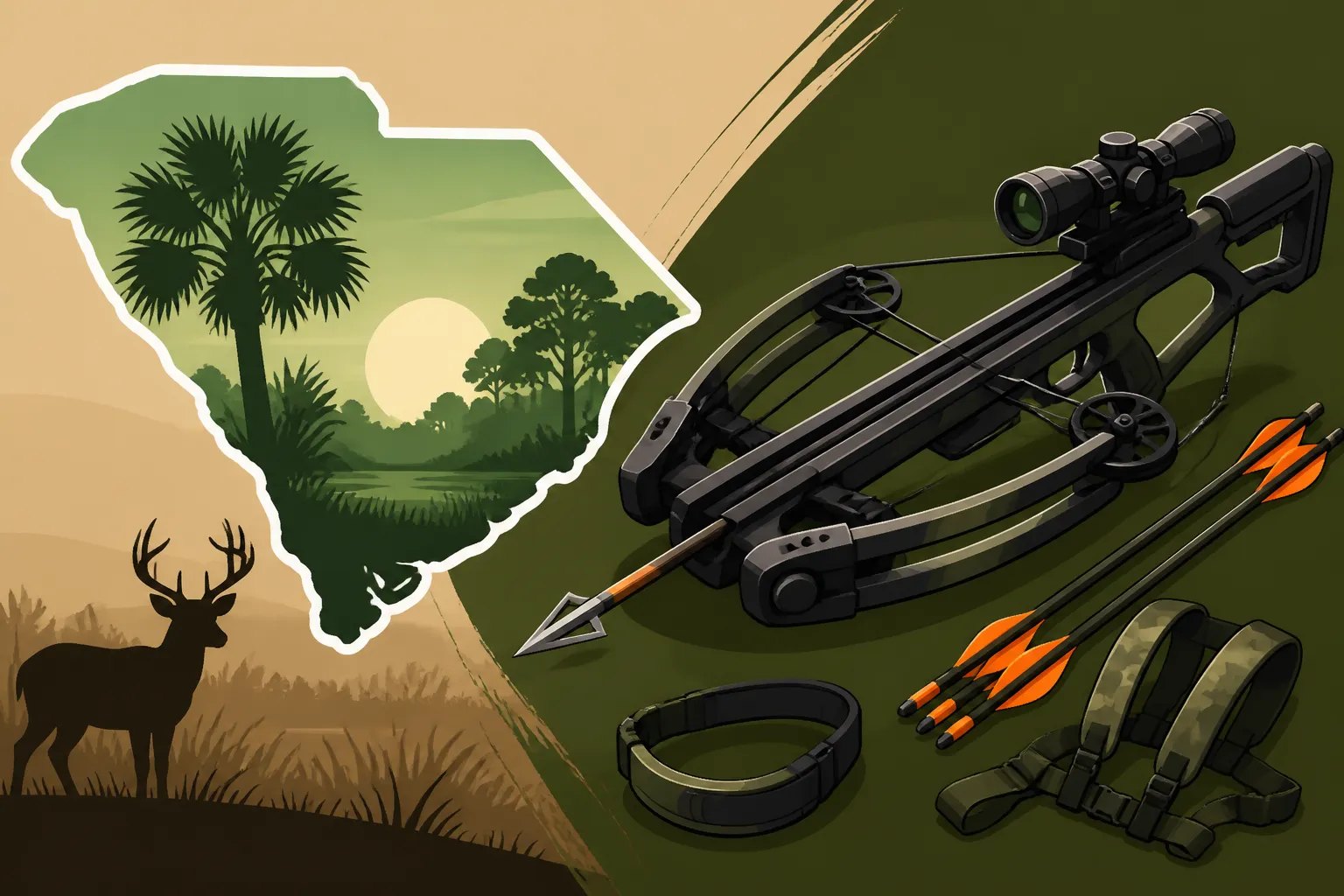
One of the most fundamental requirements for any archery equipment, including crossbows, is a minimum draw weight. For hunting deer and bear in South Carolina, a crossbow must have a minimum draw weight of 150 pounds. This isn't just a suggestion; it's a hard and fast rule. This ensures that the bolt carries enough kinetic energy to achieve a clean, humane harvest. Think about it: a bolt with insufficient power might wound an animal without delivering a quick kill, which is something no ethical hunter wants. So, before you even consider heading afield, make sure your crossbow meets or exceeds this 150-pound threshold.
Beyond the crossbow itself, the projectile – the bolt – also has regulations. While there isn't a specific minimum bolt length mandated, the bolt must be tipped with a broadhead. You can't just use target points or field points for hunting. The bolt must be designed for hunting. For more information on bolt selection, our article on Arrow Weight for Short Shots might be helpful, even though it focuses on vertical bows, many principles apply.
Legal Broadhead Types and Blade Requirements
The broadhead is perhaps the most critical component when it comes to terminal performance on game. South Carolina is specific about what's allowed. For deer and bear hunting, broadheads must meet the following criteria:
- Fixed-blade broadheads: These must have at least two cutting edges and be at least 7/8 inch wide. This means the blades, when deployed, must present a substantial cutting surface to create a sufficient wound channel.
- Mechanical broadheads: If you prefer mechanical (expandable) broadheads, they must have at least two cutting edges and be at least 7/8 inch wide when open. This ensures that the deployed blades meet the same minimum cutting diameter as fixed blades.
The "7/8 inch wide" rule is key. Measure your broadheads carefully, especially mechanical ones, to confirm they meet this minimum. It's not uncommon for newer hunters to unknowingly purchase broadheads that fall just shy of the legal minimum, which could lead to an unfortunate citation or, worse, an unethical shot on an animal. For a deeper dive into the choices available, check out our piece on Fixed Versus Mechanical Broadheads.
Scope and Accessory Legality
One of the big advantages of crossbows is the ability to mount optics, which can significantly enhance accuracy, especially for those with vision challenges or who prefer a more precise aiming solution. The good news is that scopes are perfectly legal on crossbows in South Carolina for deer and bear hunting. You can use anything from a simple red dot sight to a magnified scope, as long as it aids in ethical shot placement.
What about other accessories? Things like rangefinders, quiver attachments, and dampeners are generally permitted. However, it's crucial to distinguish between legal hunting accessories and technologies that could be deemed unfair chase. For example, while scopes are fine, some highly advanced technologies like thermal or night vision scopes (unless specifically for hog hunting under certain conditions) are often restricted during deer season. Always consult the latest SCDNR regulations for any new technological advancements, as rules can evolve. Our article on Crossbow Scopes for South Carolina Timber Ranges can provide more tailored advice on choosing the right optic for our diverse terrain.
Here's a quick reference table for South Carolina crossbow equipment:
| Equipment Type | Minimum Requirement | Notes |
|---|---|---|
| Draw Weight | 150 pounds | Applies to both compound and recurve crossbows. Essential for humane harvest. |
| Projectile | Hunting bolt | Must be used with a broadhead; field/target points are illegal for hunting. |
| Broadhead (Fixed) | 2 cutting edges, 7/8 inch wide | Width is measured across the cutting surface. |
| Broadhead (Mechanical) | 2 cutting edges, 7/8 inch wide (open) | Ensure it opens reliably and measures 7/8" when fully expanded. |
| Optics | Legal (scopes, red dots) | No restrictions on magnification. |
| Other Accessories | Generally permitted | Check SCDNR for specific restrictions on electronic aids or night vision for deer/bear. |
Crossbow Use Across Seasons and Lands
Knowing what equipment is legal is one thing, but knowing when and where you can use it is equally important. South Carolina’s diverse hunting opportunities come with varied regulations.
Archery Season and Crossbow Integration
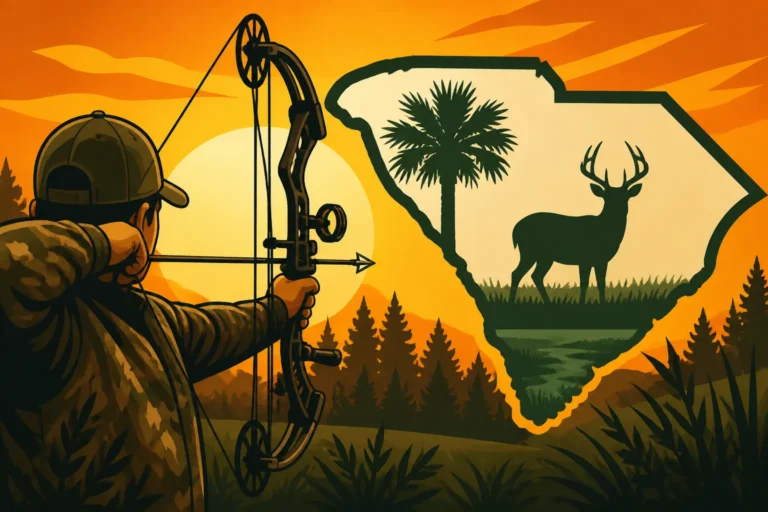
One of the most common questions is whether crossbows are allowed during the entire archery season. The answer, thankfully, is generally yes! In South Carolina, crossbows are legal during the established archery season for deer and bear. This is a significant advantage, as it allows hunters a longer window of opportunity to pursue game without the specific limitations sometimes placed on firearm seasons. Our comprehensive guide on Bowhunting South Carolina's Long Archery Season delves into this more broadly, but rest assured, your crossbow is typically good to go.
However, keep in mind that "archery season" itself varies by game zone. South Carolina is divided into four game zones, each with distinct season dates. For instance, the coastal zones, like Zone 4, often have much earlier archery openers than the upstate Zone 1. Understanding South Carolina's Four Game Zones is critical for planning your hunts. A crossbow might be perfectly legal in one zone, but the season could still be closed in another. Always double-check the specific dates for your hunting area. Our article on South Carolina Zone 4 Coastal Season Dates can help if you're targeting that region.
Public Land (WMA) and Private Land Rules
The regulations for crossbow use can also differ depending on whether you're hunting on private land or public land, specifically Wildlife Management Areas (WMAs).
On private land, if your crossbow meets the SCDNR equipment specifications, you are generally good to hunt during the legal archery season. Private land offers a bit more flexibility, but you must, of course, have proper permission from the landowner. It’s always best practice to have written permission to avoid any misunderstandings.
Wildlife Management Areas (WMAs), however, often have additional, more specific rules. While crossbows are generally allowed during WMA archery seasons, some WMAs might have unique restrictions or quota hunt regulations that could affect their use. For example, certain areas might have special archery-only hunts where specific equipment types are outlined. It's paramount to consult the WMA regulations for the specific area you plan to hunt. You can often find these detailed rules on the SCDNR website or through resources like the Go Outdoors SC app. Before you even pack your vehicle, make sure you understand the nuances of South Carolina WMA Permit Requirements and any area-specific guidelines. Using a mapping application like GoHunt can be invaluable here, allowing you to overlay WMA boundaries and regulations, ensuring you're compliant down to the specific unit.
This is where planning truly pays off. Many hunters use tools like GoHunt to not only scout potential hunting spots but also to verify the latest regulations specific to that particular tract of public land. This diligence can save you a lot of headaches, especially when navigating complex WMA rules.
Avoiding Common Pitfalls and Ensuring Compliance
Even with all the information, it's easy to make a mistake if you're not diligent. A little foresight goes a long way in ensuring a legal and ethical hunt.
Checking Before You Head Out
The single most important piece of advice is to always check the current year’s regulations directly from the SCDNR. While this guide provides a comprehensive overview, hunting laws can change from year to year. A quick visit to the SCDNR website, or a glance through their annual hunting and fishing guide, should be a mandatory step before every season. Don't rely solely on what you remember from last year or what a friend told you. The official source is always the most reliable.
This annual check should include verifying draw weight requirements, broadhead specifications, and season dates for your specific game zone and WMA. It also allows you to see if any new technological regulations have been introduced.
Hunter Education and Safety Practices
Beyond equipment, ethical hunting hinges on safe practices. Anyone born after June 30, 1979, must complete a hunter education course to purchase a South Carolina hunting license. This course covers not only safety but also wildlife conservation, ethics, and regulations, including those for various weapons. If you haven't taken it, our article on South Carolina Hunter Education Requirements has all the details.
When using a crossbow, safety is paramount. Treat it with the same respect as a firearm. Always keep the safety on until you are ready to shoot, ensure your fingers and thumb are clear of the string path, and only point it in a safe direction. Always be aware of your surroundings, especially when hunting from elevated positions. Treestand accidents are unfortunately common, so investing in a quality safety harness and lifeline is non-negotiable, particularly if you're considering Treestand Setups in Francis Marion National Forest or other public lands.
License, Tags, and Game Check
Of course, no matter your equipment, you need the proper licensure. Before you even think about setting foot in the woods, make sure you have your South Carolina Hunting Licenses and What They Cost squared away, along with any necessary big game tags. Once you've harvested an animal, remember that South Carolina has strict deer and turkey reporting requirements. You must report your harvest through the SCDNR's Game Check system within 24 hours. This data is crucial for wildlife management and helps ensure healthy game populations for future generations. For more information on deer season specifics, our article on South Carolina Deer Season Structure Explained can provide additional context.
It's about being a responsible, knowledgeable hunter who not only respects the game but also the laws designed to protect it. With your crossbow meeting all equipment requirements, and your knowledge of season and land specifics solid, you'll be well-prepared for an enjoyable and successful hunting experience in the beautiful South Carolina outdoors. Good luck out there!
Disclaimer
The information provided in this article is for general guidance only. Hunting regulations in South Carolina can change, and specific rules may vary by season, game zone, and Wildlife Management Area. It is the hunter's responsibility to consult the most current South Carolina Department of Natural Resources (SCDNR) regulations and local ordinances before engaging in any hunting activities. Always prioritize safety and ethical hunting practices.