Which Counties Sit in South Carolina’s Bear Zone One
It can be incredibly frustrating trying to figure out the exact boundaries for hunting regulations, especially when it comes to a specific species like black bears in South Carolina. There's so much information out there, and sometimes it feels like you need a legal degree to decipher the maps and rulebooks. This guide aims to clear up all that confusion by clearly outlining exactly which counties fall under South Carolina's Bear Zone One, helping you plan your next hunt with confidence.
Understanding South Carolina's Bear Management Zones
South Carolina isn't just one big hunting area; the state is carefully divided into different zones to manage wildlife populations effectively. This is particularly true for black bears, which have distinct populations that require tailored approaches to conservation and hunting. Knowing these zones is the first step in understanding where you can even begin to think about chasing bruins in the Palmetto State.
Why Zones Are Necessary for Bear Management
Imagine trying to manage deer in a suburban area the same way you manage them in a vast national forest. It just wouldn't make sense, right? The same principle applies to South Carolina's black bears. Their habitats, population densities, and even the challenges they face are quite different depending on where they live. By segmenting the state into specific bear management zones, the South Carolina Department of Natural Resources (SCDNR) can implement regulations that are appropriate for each area. This ensures healthy bear populations thrive while also addressing potential conflicts with human communities or agricultural interests. It’s all about balance and making sure hunting opportunities are sustainable for future generations.
The Two Distinct Bear Populations
South Carolina is home to two primary, geographically separated black bear populations. There's the mountain population, found in the northwestern corner of the state, which is robust and thriving amidst the Appalachian foothills. Then, there's the coastal plain population, primarily concentrated in the northeastern coastal counties. These two populations face different environmental pressures and have different breeding cycles and food sources. Because of these differences, the state has established two major bear hunting zones: Zone One, which encompasses the Upstate, and Zone Four, which covers the coastal region. This distinction is crucial for hunters because the seasons, bag limits, and even the hunting methods can vary significantly between the two. For a deeper dive, you might find our guide on South Carolina's Two Bear Hunting Zones incredibly helpful.
Pinpointing the Counties of Bear Zone One
When you're planning an Upstate bear hunt, knowing precisely which counties are included in Bear Zone One is absolutely critical. There's nothing worse than thinking you're in the right place only to realize you've crossed an invisible line and are out of season or even illegally hunting. The boundaries are clear once you know them, but if you're new to the area or just getting into bear hunting, it can feel like a riddle.
A Detailed List of Zone One Counties
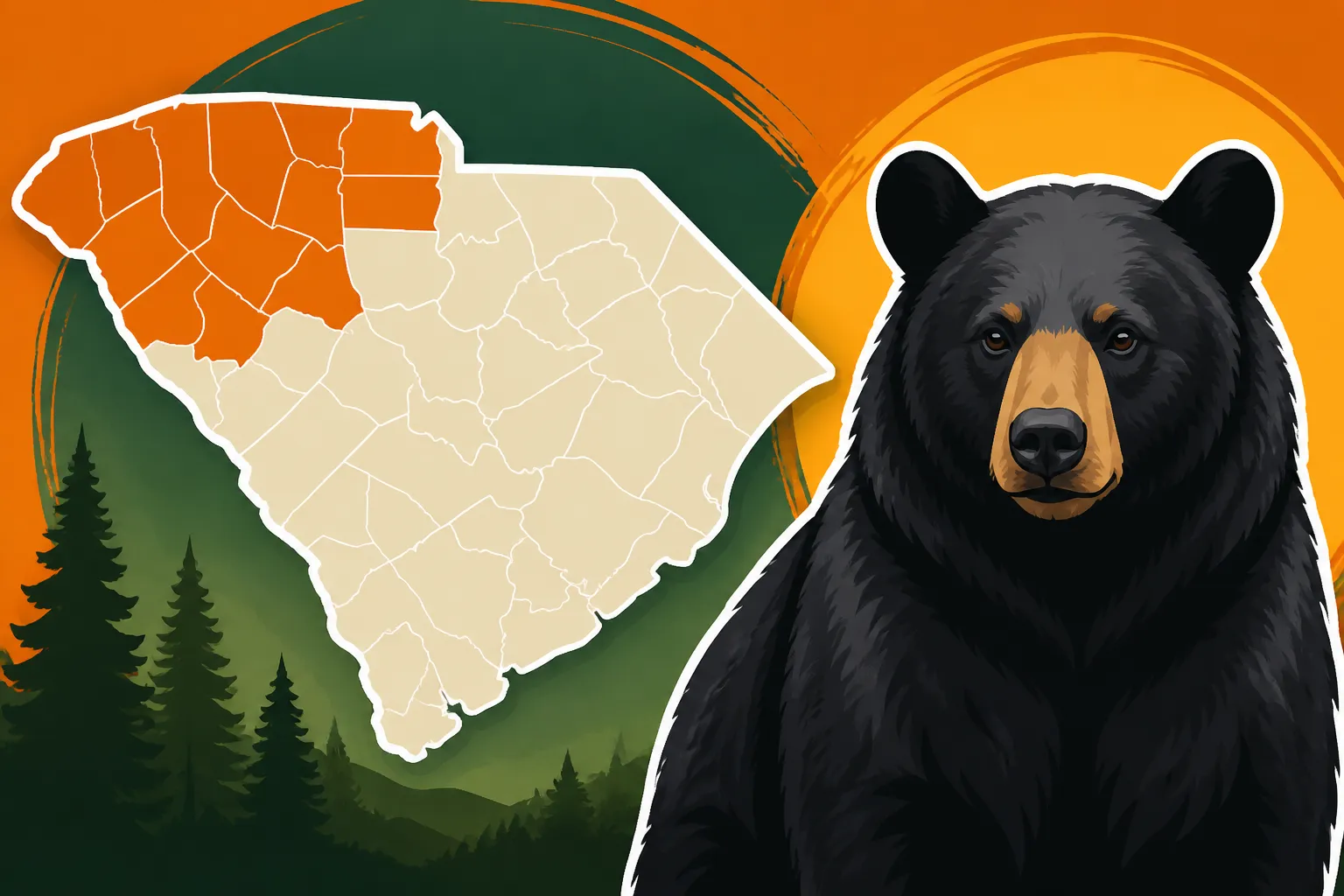
South Carolina's Bear Zone One is exclusively located in the mountainous and foothill regions of the state's northwest. These are the areas where the Upstate bear population resides, characterized by vast tracts of national forest and rugged terrain. The counties that comprise Bear Zone One are:
- Oconee County: Situated in the far western corner, Oconee is a prime area for bear hunting, boasting significant portions of the Sumter National Forest.
- Pickens County: Directly east of Oconee, Pickens also offers excellent bear habitat, with its own sections of the Sumter National Forest contributing to the bear population.
- Greenville County: While more developed in its eastern parts, the western and northern stretches of Greenville County extend into prime bear country.
- Spartanburg County: Similar to Greenville, the western portions of Spartanburg County offer bear hunting opportunities.
- Cherokee County: The western reaches of Cherokee County contribute to the overall Bear Zone One landscape.
- Union County: Moving slightly southeast, Union County marks one of the easternmost counties in Zone One.
- Laurens County: Only the extreme northwestern corner of Laurens County is included, often bordering other Zone One counties.
- Newberry County: Similar to Laurens, only a small, specific northwestern section of Newberry County falls within Bear Zone One.
- Fairfield County: Again, only a very limited northwestern sliver of Fairfield County is included.
- Chester County: The extreme northwestern edge of Chester County also extends into the zone.
It's important to remember that for counties like Laurens, Newberry, Fairfield, and Chester, only specific, designated portions are open for bear hunting under Zone One rules. Always consult the official SCDNR maps and regulations for the most precise boundaries, or utilize mapping tools like GoHunt, which can often layer these zone details onto their maps, making scouting much simpler. This region is truly Where Upstate Mountain Bears Range.
Navigating Bear Seasons Within Zone One
Once you've confirmed you're in one of these Bear Zone One counties, the next step is to understand the specific hunting seasons and methods allowed. Unlike some other game, bear hunting seasons are typically short and highly regulated to manage harvest numbers. Bear Zone One traditionally offers two primary methods:
- Still-Gun Season: This season is for hunters who prefer to sit and wait, typically from a stand or blind, using firearms. It's a challenging but rewarding method, requiring patience and a deep understanding of bear movement patterns and food sources. Our guide on Hunting Zone 1 Still-Gun Bear Season delves into effective strategies for this approach.
- Bear Dog Drive Season: This is a more active hunting method where trained bear hounds are used to track and pursue bears, eventually baying them or treeing them for hunters. This is a traditional hunting method in the South and often involves a larger group of hunters working together. If you're interested in this method, explore our details on Hunting Zone 1 Bear Dog Drives.
Both seasons have specific dates, usually in the fall, and hunters must possess the appropriate licenses and bear tags. It's not uncommon for these seasons to be just a few days long, so precise timing and preparation are paramount.
Key Considerations for Hunting in Bear Zone One
Hunting black bears in Bear Zone One is an exciting endeavor, but it's one that requires careful planning and adherence to regulations. Knowing the counties is just the start; you also need to understand where you can actually hunt and what permits you need. This isn't like deer hunting where opportunities might be abundant; bear hunting is more specialized.
Public vs. Private Land Opportunities
Finding a place to hunt bears in Zone One means navigating both public and private land options.
- Public Land: A significant portion of the best bear habitat in Zone One lies within the Sumter National Forest, specifically the Andrew Pickens Ranger District. This area offers vast opportunities for hunters willing to put in the effort. However, public land comes with its own set of rules, including WMA permit requirements in many areas and specific restrictions on treestands, ground blinds, and vehicle access. Always check the SCDNR WMA regulations for the specific area you plan to hunt. Online tools like GoHunt can be invaluable here, helping you identify public land boundaries and even recent harvest data if available. For those exploring national forest land, our resource on Andrew Pickens Ranger District Bear Hunting can be incredibly useful for mapping out your approach.
- Private Land: Private land hunting can offer less pressure and potentially more consistent bear sign, especially if the landowner has been managing their property for wildlife. Obtaining permission on private land, however, can be challenging. It often requires networking, building relationships with landowners, or joining hunting clubs that have leases in prime bear country. If you do secure private land access, ensure you have explicit written permission, as South Carolina has strict trespass laws.
Obtaining the Right Permits and Understanding Regulations
Before you even step foot in Bear Zone One with hunting gear, you absolutely must have the correct licenses and permits. Overlooking this crucial step can lead to hefty fines and loss of hunting privileges.
- Base Hunting License: First and foremost, you'll need a valid South Carolina hunting license. This is the foundation for all other hunting activities in the state.
- Big Game Permit: In addition to the base license, a Big Game Permit is required for hunting bear.
- Bear Tag: This is specific to bear hunting. Each hunter must purchase a bear tag, which is often limited in quantity and designated for a specific zone. The South Carolina Bear Tag Requirements detail this essential permit. You are required to possess this physical tag while hunting.
- WMA Permit (if applicable): If you plan to hunt on any Wildlife Management Area (WMA) within Zone One, you will also need a WMA permit. This is separate from your base license and big game permit. Ensure you understand all WMA-specific rules, as they can sometimes differ from general statewide regulations. Check out South Carolina WMA Permit Requirements for more info.
- Harvest Reporting: South Carolina requires all harvested bears to be reported to the SCDNR through their Game Check system. This is vital for population management and helps the state track harvest numbers. Familiarize yourself with the reporting process before your hunt.
The regulations, including season dates, bag limits, and allowed hunting methods, can change from year to year. It's your responsibility as a hunter to consult the most current SCDNR hunting regulations guide annually. Don't rely on last year's knowledge; always double-check. Using a reliable platform like the GoHunt app can also help keep you informed about real-time regulation changes and season dates for your specific location.
Here's a quick reference for the counties in Bear Zone One:
| County Name | Geographic Location in SC | Primary Characteristics |
|---|---|---|
| Oconee County | Northwestern | Mountainous, large portions of Sumter National Forest |
| Pickens County | Northwestern | Mountainous, significant Sumter National Forest acreage |
| Greenville County | Northwestern | Foothills, Western areas touch National Forest |
| Spartanburg County | Northwestern | Foothills, Western areas offer bear habitat |
| Cherokee County | Northwestern | Foothills, Western areas included |
| Union County | Northwestern | Easternmost full county in Zone One, some foothills |
| Laurens County | Northwestern (Partial) | Only extreme NW corner designated |
| Newberry County | Northwestern (Partial) | Only extreme NW corner designated |
| Fairfield County | Northwestern (Partial) | Only extreme NW corner designated |
| Chester County | Northwestern (Partial) | Only extreme NW corner designated |
Remember, hunting bears in South Carolina's Zone One is a unique experience that offers the challenge of hunting in the beautiful Upstate mountains. By understanding which counties are in the zone, navigating the public and private land options, and meticulously following all licensing and regulatory requirements, you'll be well on your way to a successful and ethical bear hunt.
Disclaimer
The information provided in this article is for general guidance only and is not a substitute for consulting the official South Carolina Department of Natural Resources (SCDNR) hunting regulations. Hunters are responsible for understanding and adhering to all current laws, seasons, bag limits, and licensing requirements before engaging in any hunting activities. Regulations can change annually, so always check the latest official SCDNR publications.