Why You Cannot Harvest a Turkey Before April 10
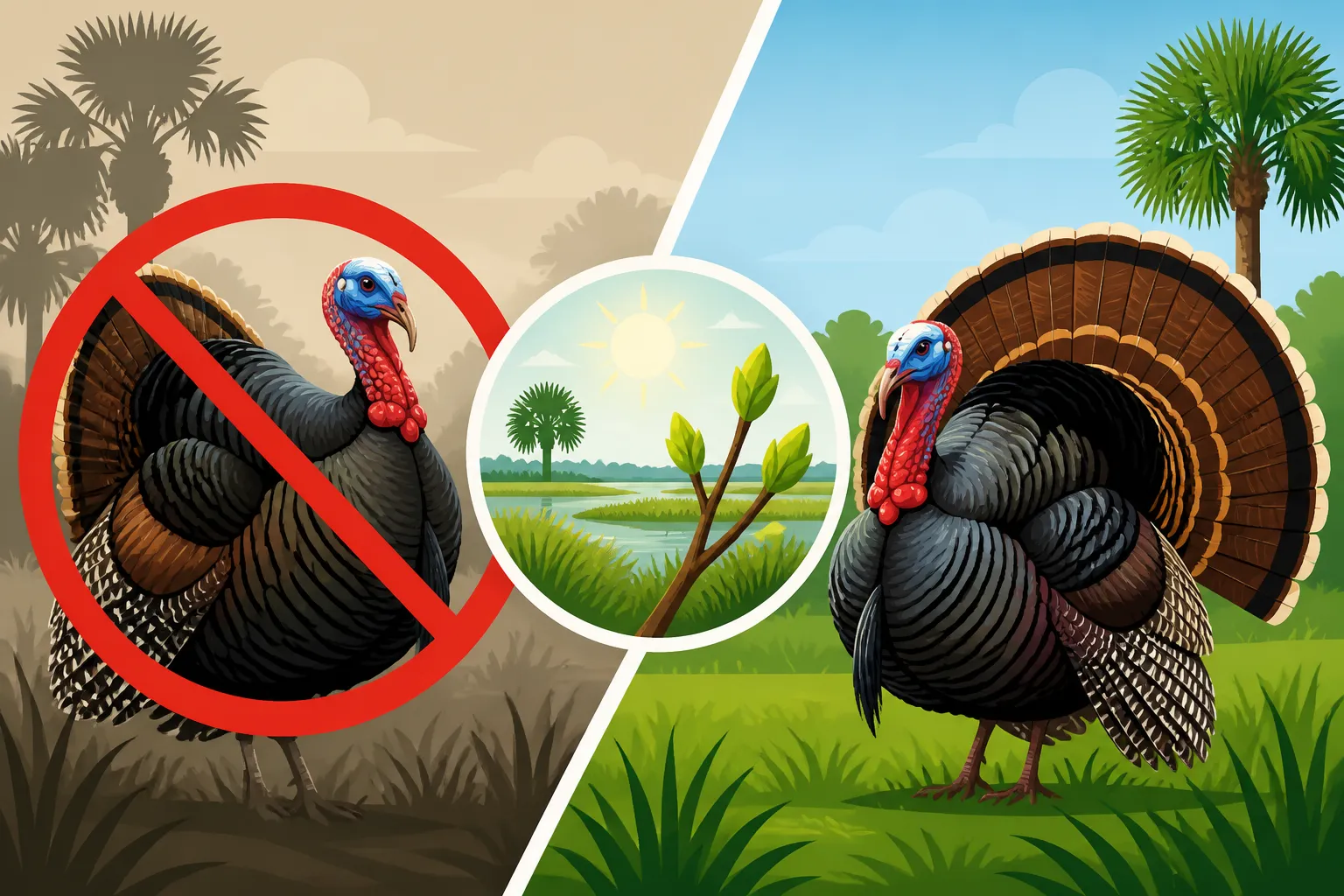
It’s a feeling every devoted turkey hunter in South Carolina knows well: that spring itch, the anticipation building as the woods green up and you start hearing those first distant gobblers. You want to be out there, chasing those big Toms, but then you hit the calendar and remember the hard truth: no harvesting a turkey before April 10th. This isn't just a random date; it’s a critically important regulation designed to protect our wild turkey population, and understanding why it's in place can actually make you a more successful hunter once the season finally opens.
Understanding South Carolina's Turkey Season Structure
South Carolina's approach to turkey hunting is carefully managed, especially in the spring. Unlike deer, where season openers can vary significantly by zone, the spring turkey season has specific statewide rules, along with some important nuances for Wildlife Management Areas (WMAs). The April 10th date is central to this management strategy, directly impacting when hunters can legally pull the trigger.
The Statewide Spring Opener and the No-Harvest Window
For private lands across the state, the spring turkey season officially opens on March 15th. However, and this is the crucial part that often causes confusion and frustration, there's a strict "no-harvest window" from March 15th until April 9th. During this period, you can absolutely be out in the woods, scouting, calling, and enjoying the spring woods, but you cannot legally harvest a bird. The earliest you can actually tag a turkey is April 10th. This is a statewide rule that applies equally to all four of South Carolina's Four Game Zones, creating a unified approach to conservation before the primary harvest period begins.
This unique two-part opening might seem counterintuitive at first glance. Why open the season if you can't harvest? The reasoning is deeply rooted in turkey biology and conservation goals, which we’ll explore in detail. It's a testament to the South Carolina Department of Natural Resources (SCDNR) commitment to ensuring the long-term health and sustainability of our wild turkey flocks. Many hunters, myself included, use this early window for intense scouting, locating prime gobbling activity, and refining calling techniques without the pressure of needing to seal the deal. It’s a great time to truly observe the birds' patterns and learn the lay of the land, perhaps even using a mapping tool like GoHunt to mark active roosts or travel corridors.
Why WMAs Have Different Timing
While private land hunters can start scouting and calling on March 15th, hunters on Wildlife Management Areas (WMAs) face slightly different rules regarding the season opener. On WMAs, the season doesn't even begin until April 1st, and the harvest restriction still applies until April 10th. This means that for WMA hunters, the actual hunting window to harvest a bird also starts on April 10th, running through May 5th, which is also generally earlier than private land closes. These stricter regulations on public lands like the Francis Marion National Forest or Sumter National Forest are often a response to higher hunting pressure.
The SCDNR implements these distinct WMA rules to manage hunter density and minimize disturbance during critical periods on public ground, aiming to give birds on these popular areas a better chance to complete their breeding cycles before significant human presence arrives. It's a way to ensure that even with more hunters concentrated in these areas, the resource isn't overstressed. If you're planning a trip to one of these public areas, always double-check the South Carolina WMA Turkey Rules as specific WMAs might have additional dates or quota hunt requirements. This staggered approach helps maintain a healthier turkey population across various habitat types, from the Lowcountry swamps to the Upstate mountains.
The Biological Rationale Behind the Date
The April 10th "no-harvest" rule isn't an arbitrary decision made by some bureaucratic committee; it's a carefully considered management strategy based on decades of biological research and observation of wild turkey behavior in our state. The timing directly correlates with key phases of the turkey breeding cycle.
Protecting Early Nesting Hens
One of the primary reasons for delaying the harvest until April 10th is to protect early nesting hens from disturbance and increase the overall success rate of turkey nests. In late March and early April, many hens are beginning to lay their clutches. This is a vulnerable time. When gobblers are harvested too early, especially before the majority of hens have successfully laid their eggs and begun incubation, it can have ripple effects throughout the flock.
Here’s why: if a dominant gobbler is removed too early, it can disrupt the social structure and potentially leave some hens without successful breeding. More importantly, early hunting pressure can scatter hens, making them more susceptible to predation or causing them to abandon their initial nesting attempts. Hens typically prefer quiet, undisturbed areas for nesting, and too much human presence, particularly from hunters actively calling and moving through the woods, can deter them from settling into optimal nesting sites. The goal of the April 10th rule is to allow a significant portion of the hen population to successfully initiate nesting and begin incubating their eggs before intense hunting pressure begins. This gives the next generation of turkeys a much better chance at survival, which is vital for maintaining healthy South Carolina Turkey Population Trends.
Allowing Peak Breeding Activity
Another critical biological factor is ensuring that the peak of the wild turkey breeding season can occur with minimal interruption. In South Carolina, the majority of breeding activity typically ramps up from mid-March and often peaks in the last week of March and the first week of April. During this period, gobblers are actively displaying, strutting, and breeding with multiple hens. This is when the most fertilization occurs, leading to the largest number of viable eggs being laid.
Allowing this crucial two to three-week window for undisturbed breeding is paramount. If gobblers are heavily pressured or removed during their most active breeding phase, it can reduce overall fertilization rates and, subsequently, the number of successful nests. By waiting until April 10th, wildlife managers ensure that the majority of hens have been bred, and many have already started laying or incubating. This means that even if a gobbler is harvested after this date, he has likely already contributed significantly to the gene pool for the year. This strategy helps ensure a strong cohort of new poults, which are the lifeblood of our turkey population. It's a direct investment in the future of the sport, ensuring that those exciting spring mornings will continue for generations to come.
Poult Recruitment and Long-Term Health of the Flock
The decisions made about season dates, like the April 10th rule, are directly tied to the overall health and sustainability of South Carolina's wild turkey population. One of the most critical metrics wildlife biologists track is poult recruitment – the number of young turkeys that survive to maturity. Unfortunately, this metric has seen some concerning trends over the years.
Declining Turkey Populations and Conservation Efforts
Across many parts of the Southeast, including South Carolina, wild turkey populations have faced challenges, leading to a decline in overall numbers and specifically in How Poult Recruitment Fell Since 1988. Factors like habitat loss, increased predation on nests and poults, and shifts in weather patterns all play a role. The SCDNR constantly monitors these trends, using data from hunter harvest reports and spring gobbler surveys to make informed management decisions.
The "no-harvest until April 10th" rule is one such proactive measure designed to combat these declines. By giving hens a better chance to successfully nest and hatch their poults, it directly aims to boost recruitment rates. Conservation efforts extend beyond just season dates; they also include habitat improvement projects, predator management, and robust research programs. Every hunter plays a part in these efforts, not just by adhering to regulations but also by accurately reporting harvests through systems like South Carolina Turkey Reporting Through Game Check. This data is invaluable for understanding the population dynamics and making necessary adjustments to ensure the long-term viability of the wild turkey in our state. It's a shared responsibility to reverse the decline and ensure healthy flocks for the future.
The Impact of Early Season Pressure
Allowing hunting pressure during the early stages of the breeding cycle, even if no birds are harvested, can still have negative impacts on the flock. While the March 15th opener allows scouting, it’s a time to be especially mindful of your presence in the woods. Too much human disturbance, particularly in areas where turkeys are actively breeding or hens are attempting to nest, can lead to stress, displacement, and reduced breeding success.
Imagine a hen trying to find a secluded spot to lay her eggs, only to constantly encounter hunters moving through her preferred cover. This can cause her to abandon the area or choose a less-than-ideal nesting site, making her nest more vulnerable to predators like coyotes, raccoons, or opossums. Similarly, overly aggressive calling by hunters before April 10th, even if it's just scouting, can make gobblers warier by the time the actual harvest season opens. The idea behind the no-harvest window is to let the birds go about their most crucial reproductive business with minimal stress from human interaction, thereby optimizing the chances for a successful hatch. It's about respecting the natural rhythm of the wild turkey and prioritizing the future of the population over an early shot.
How These Regulations Affect Your Hunting Strategy
While the April 10th rule might mean a slight delay in punching your tag, it doesn't mean you can't be productive during the earlier part of the spring season. In fact, smart hunters use this timing to their advantage, honing their skills and pinpointing where they'll be come opening day for harvesting.
Adapting Your Scouting and Calling
The period between March 15th and April 9th on private land (or April 1st to April 9th on WMAs) is invaluable for focused scouting. Instead of rushing to harvest, you can dedicate this time to truly understanding turkey movements and habits in your hunting area. Listen for gobblers on the roost, identify their fly-down areas, and track their daily routines. Look for sign—tracks in soft dirt, strut marks, droppings, and shed feathers—to confirm consistent activity. You can learn a lot about Where South Carolina Gobblers Roost during this period.
When it comes to calling, this is the perfect time to practice and gauge responses without the pressure of having to close the deal. Experiment with different calls and volumes. See what gets a reaction, but resist the urge to overcall or chase birds excessively. The goal isn't to kill a bird, but to locate, observe, and understand. This low-pressure interaction can actually make the birds more callable once the harvest season officially opens. Many seasoned hunters even use tools like GoHunt to mark specific gobbling locations or potential roost trees, building a comprehensive map of their target area. This detailed reconnaissance will pay huge dividends once April 10th arrives and it's time to actually hunt.
Maximizing Success After April 10th
Once April 10th hits, the game changes. You've hopefully spent the preceding weeks gathering intel, so now it's time to execute. The birds have gone through their peak breeding phase, and while some hens might still be receptive, many will be on nests. This can mean gobblers are less "henned up" and more responsive to a lonesome hen call. This is the sweet spot many hunters wait for, as the gobblers are still vocal but might be more willing to come looking for company.
Your pre-season scouting will allow you to quickly identify high-traffic areas. Knowing where a gobbler consistently roosts, where he flies down, and his preferred strutting zones gives you a significant edge. Rather than blindly wandering, you can set up strategically based on observed patterns. Consider using a ground blind on South Carolina public land or finding a good setup against a big oak near a field edge you scouted. Patience becomes key, as does the ability to adapt to changing conditions. Early mornings might still find gobblers vocal on the roost, but as the season progresses and hens move to nests, midday hunting can become increasingly effective, especially if you can locate a lone gobbler looking for action. This post-April 10th window is when all your preparatory work culminates in the opportunity to fill your tag and enjoy the fruits of smart, ethical hunting.
South Carolina Spring Turkey Season Overview
To help visualize the season structure, here's a quick overview of the key dates and regulations for South Carolina spring turkey hunting:
| Category | Private Land | WMA Land | Notes |
|---|---|---|---|
| Season Opens | March 15th (for scouting/calling, no harvest) | April 1st (for scouting/calling, no harvest) | Earlier start on private land for general activity. |
| Harvest Legal From | April 10th | April 10th | Statewide date for legal harvest on both private & WMA. |
| Season Closes | May 10th | May 5th | WMA season closes earlier due to pressure management. |
| Bag Limit | South Carolina Spring Turkey Bag Limit (e.g., 2 per season, 1 per day) | Same as private land, but check WMA-specific rules. | Jakes are generally not allowed for harvest anymore, starting in 2025. |
| Why No Early Harvest | Protects early nesting hens, allows peak breeding. | Protects early nesting hens, allows peak breeding. | Critical for long-term turkey population health and poult recruitment. |
Always consult the most current SCDNR regulations booklet or website before heading into the field, as rules can change.
Disclaimer
Please remember that hunting regulations, dates, and requirements can change. Always consult the official South Carolina Department of Natural Resources (SCDNR) website or the current year's hunting guide for the most accurate and up-to-date information before planning any hunting trip.