How Many Antlerless Deer You Can Take Per Day
It can feel like you need a law degree to understand all the regulations when you're out hunting, especially when it comes to something as seemingly simple as how many does you can take. Hunters often wonder about daily limits for antlerless deer in South Carolina, trying to balance filling the freezer with staying within the rules. This guide is here to untangle the specifics of antlerless deer harvest regulations in the Palmetto State, ensuring you understand exactly what you can, and cannot, do each day afield.
Understanding the Statewide Antlerless Deer Limit
One of the most frequently asked questions among deer hunters in South Carolina revolves around the daily limit for antlerless deer. It's a critical piece of information that can impact your hunting strategy and ensures you remain compliant with state law. The South Carolina Department of Natural Resources (SCDNR) has a clear framework, but understanding the nuances is key.
The "Two Antlerless Per Day" Rule
Across most of South Carolina, the foundational rule for harvesting antlerless deer is straightforward: you are permitted to take two antlerless deer per day. This means that if you're out in the woods during an open antlerless deer season, and you have the appropriate tags, you can legally harvest up to two does. This generous daily limit is designed to help manage the state's robust deer population, particularly in areas where deer numbers are high, and to provide ample opportunity for hunters to put venison in the freezer. It’s important to remember that each deer harvested, whether antlered or antlerless, requires a tag. So, to take two antlerless deer, you must have two valid antlerless tags available on your license. If you're looking to really stock up, understanding how to maximize your harvest, such as by Filling Two Antlerless Tags in a Day, can be incredibly helpful.
Zone-Specific Nuances for Antlerless Harvest
While the "two antlerless per day" rule is generally consistent statewide, the timing of when you can actually harvest antlerless deer varies significantly depending on which of South Carolina's Four Game Zones you are hunting in. For instance, the coastal plain (Zone 4) generally has a much earlier and longer antlerless season compared to the upstate (Zone 1). You might find yourself in the Lowcountry in mid-August with an open antlerless season, while in the mountains, you might have to wait until October. Always consult the current SCDNR hunting regulations for the specific county and game zone you plan to hunt. Some Wildlife Management Areas (WMAs) might also have more restrictive daily or seasonal antlerless limits, or even special quota hunts, so using a mapping tool like GoHunt to cross-reference regulations with specific land boundaries is a smart move before you even leave the truck. These zone-specific regulations are a crucial part of the broader South Carolina Deer Season Structure Explained, designed to manage regional deer populations effectively.
Daily Limits vs. Seasonal Limits: What to Know
Navigating deer hunting regulations can sometimes feel like a maze, especially when distinguishing between what you can harvest in a single day and what your total allowance is for the entire season. Understanding this difference is absolutely critical to avoid unintentional violations.
Distinguishing Daily vs. Annual Regulations
The "two antlerless deer per day" is a daily limit, as the name suggests. It resets each day of the open season. However, this daily limit is distinct from your statewide antlerless bag limit for the entire season. South Carolina hunters receive a specific number of individual deer tags with their hunting license, which includes tags for antlered and antlerless deer. For residents, there are opportunities to purchase additional antlerless tags beyond the initial allocation, often referred to as "bonus tags" or "antlerless tags." This means while you can take two does today, you are still limited by the total number of antlerless tags you possess for the season. If you only have two antlerless tags remaining, taking two does today means you've fulfilled your season's antlerless quota unless you have purchased additional tags. Understanding these limits is key to managing your tags throughout the season, especially as you approach your South Carolina Statewide Antlerless Bag Limit. It’s not uncommon for hunters to use up their initial tags early in the season, particularly if they’re hunting in a productive area or prefer to harvest does for meat.
The Impact of Tags on Your Harvest
Your ability to legally harvest antlerless deer directly correlates with the number of valid antlerless tags you have in your possession. Each antlerless deer harvested must be immediately tagged with an appropriate antlerless tag from your license. If you have run out of antlerless tags for the season, even if the daily limit allows for two, you cannot legally harvest any more does. This system ensures that the SCDNR can effectively monitor the total deer harvest and manage the population. It's a good practice to keep track of your tags throughout the season. Many hunters use a platform like GoHunt to keep digital records of their tag usage alongside their scouting maps, ensuring they always know how many tags they have left. This helps prevent the frustrating situation of having an antlerless deer in your sights but no legal means to tag it. When you're managing your season, remember that even for antlered deer, there's a South Carolina Statewide Antlered Bag Limit that must be respected alongside your doe harvest goals.
Practical Considerations for Harvesting Antlerless Deer
Successfully harvesting antlerless deer isn't just about knowing the regulations; it's also about applying sound hunting practices and understanding the role does play in herd dynamics. From ethical considerations to finding the deer, there’s a lot to think about.
Ethical Harvesting and Herd Management
Taking antlerless deer is a cornerstone of responsible deer management in South Carolina. An unbalanced deer herd, often skewed heavily towards does, can lead to overpopulation, habitat degradation, and a decline in herd health, including smaller body sizes and lower antler quality in bucks. By harvesting antlerless deer, especially young does or older, less productive does, hunters actively contribute to balancing the herd's sex ratio and maintaining a healthy population. This helps ensure resources are not overgrazed and that the remaining deer have ample food and cover, which in turn can lead to healthier, larger deer overall. When afield, always strive for a clean, ethical shot to minimize suffering. This means careful shot placement, ideally in the vital lung/heart area. If you find yourself Hunting the Rut in the Coastal Zones, remember that taking a doe during this period can also help reduce the overall reproductive output of the local herd, further aiding in management efforts.
Finding Antlerless Deer in South Carolina
Antlerless deer are often more numerous and less wary than mature bucks, but they still require skill and strategy to locate and harvest. They typically congregate in areas with good food sources, thick cover for bedding, and reliable water. During the early archery season, you might find them in soybean fields or under productive oak trees dropping acorns. As the season progresses, focusing on Late-Season Food Sources for South Carolina Whitetails like persimmon patches, honeysuckle thickets, or winter food plots can be highly effective. Public lands, including many of South Carolina's Wildlife Management Areas, often have strong populations of does. Using mapping applications like GoHunt can help you identify these key areas, locate transition zones between food and cover, and plan your entry and exit routes without disturbing prime bedding areas. Scouting these areas for fresh deer sign, like tracks and droppings, is always a good starting point. Understanding the overall South Carolina Deer Population Estimate can also give you an idea of areas where doe numbers are higher.
Making the Most of Your Opportunity
With a daily limit of two antlerless deer, South Carolina hunters have a fantastic opportunity to fill their freezers. Once you've successfully harvested a doe, the immediate priority is proper field dressing and cooling. Given South Carolina's often warm weather, even early in the season, knowing how to Field Dressing a Deer in Warm Weather is crucial to preserving the meat quality. Having coolers with ice readily available and getting the deer quartered and on ice as quickly as possible will make all the difference. Many hunters target does for their consistent meat yield, which tends to be tender and flavorful. Don't be afraid to take a second doe if the opportunity presents itself and you have the tags. This is not only a fantastic way to acquire venison but also a valuable contribution to maintaining a healthy deer herd, particularly in regions like the Midlands, where factors like habitat and agriculture can contribute to Why the Midlands Grows Big Bucks—a healthy doe population is part of that equation.
Reporting Your Antlerless Harvest: The Game Check System
Once you've made a successful harvest, your responsibility as a South Carolina hunter isn't over. Reporting your deer is not just a legal requirement but a vital contribution to wildlife management efforts. The SCDNR's Game Check system makes this process relatively straightforward, but it's important to understand the steps and why they matter.
How to Report Your Doe
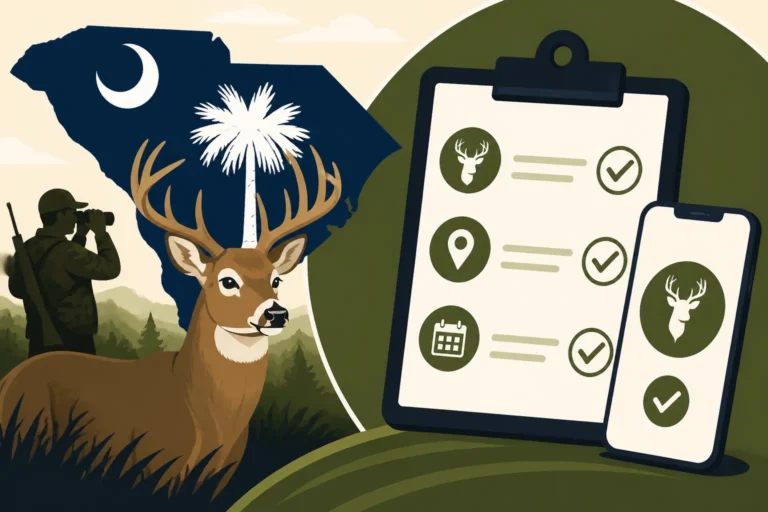
Every deer harvested in South Carolina, whether antlered or antlerless, must be reported through the SCDNR's online Game Check system. This system is accessible via their website or the Go Outdoors SC app. The process is quick and typically requires you to enter your license number, the date of harvest, the county where the deer was harvested, the game zone, and whether the deer was antlered or antlerless. You'll also need to input the tag number used for the deer. It's critical that this reporting happens within 24 hours of the harvest, or before the deer is processed for consumption or leaves the state, whichever comes first. Always carry your tags and a pen, and be prepared to record the necessary information immediately after tagging. Even if you're out tracking a deer through dense South Carolina Pine Straw, remember that the clock for reporting starts ticking once the deer is recovered and tagged.
Why Accurate Reporting Matters
The data collected through the Game Check system is invaluable to the SCDNR for monitoring deer populations across the state. This information helps biologists understand harvest trends, population densities, sex ratios, and the overall health of the herd. By knowing how many antlerless deer are harvested each year in specific zones, the SCDNR can make informed decisions about future season structures, tag allocations, and management strategies. Your accurate and timely reporting directly impacts conservation efforts and ensures sustainable hunting opportunities for future generations. It’s an essential part of your duties as a hunter and directly feeds into critical data points like the South Carolina Deer Reporting Requirements. Skipping this step not only means you're breaking the law but also withholding crucial information that helps protect the very resource we all cherish.
South Carolina Antlerless Deer Daily Limits Overview
| Game Zone | Archery Season Antlerless Daily Limit | Primitive Weapons Season Antlerless Daily Limit | Modern Firearms Season Antlerless Daily Limit | Total Antlerless Tags Available (Resident Example) | Reporting Requirement |
|---|---|---|---|---|---|
| Zone 1 | 2 | 2 | 2 | Initial + Purchase Options | Within 24 hours |
| Zone 2 | 2 | 2 | 2 | Initial + Purchase Options | Within 24 hours |
| Zone 3 | 2 | 2 | 2 | Initial + Purchase Options | Within 24 hours |
| Zone 4 | 2 | 2 | 2 | Initial + Purchase Options | Within 24 hours |
Note: Specific WMA rules or special hunts may differ. Always verify current SCDNR regulations for your hunting location.
Disclaimer
The information provided in this guide is intended for general informational purposes only and is not a substitute for official hunting regulations. Always consult the most current South Carolina Department of Natural Resources (SCDNR) hunting regulations and laws before engaging in any hunting activities. Regulations are subject to change, and it is the hunter's responsibility to be aware of and comply with all applicable laws.