Why the Upstate Zone Opens Six Weeks Later
It's a common head-scratcher for new and seasoned hunters alike in our beloved Palmetto State: why does the deer season open so much later in the Upstate than it does down on the coast? That six-week difference can feel like an eternity when you're itching to get into the woods. This guide is here to unravel the mysteries behind South Carolina's staggered deer season openers, helping you understand the "why" so you can better plan your hunts.
Understanding South Carolina's Game Zones
South Carolina isn't just one big homogenous chunk of deer woods. Our state is wonderfully diverse, stretching from the misty Blue Ridge Mountains down to the sun-drenched coastal marshes. To effectively manage our wildlife, the South Carolina Department of Natural Resources (SCDNR) has divided the state into four distinct Game Zones, each with its own specific regulations and season dates. This isn't just arbitrary; it's a careful consideration of geography, habitat, and deer biology.
A Quick Look at the Four Zones
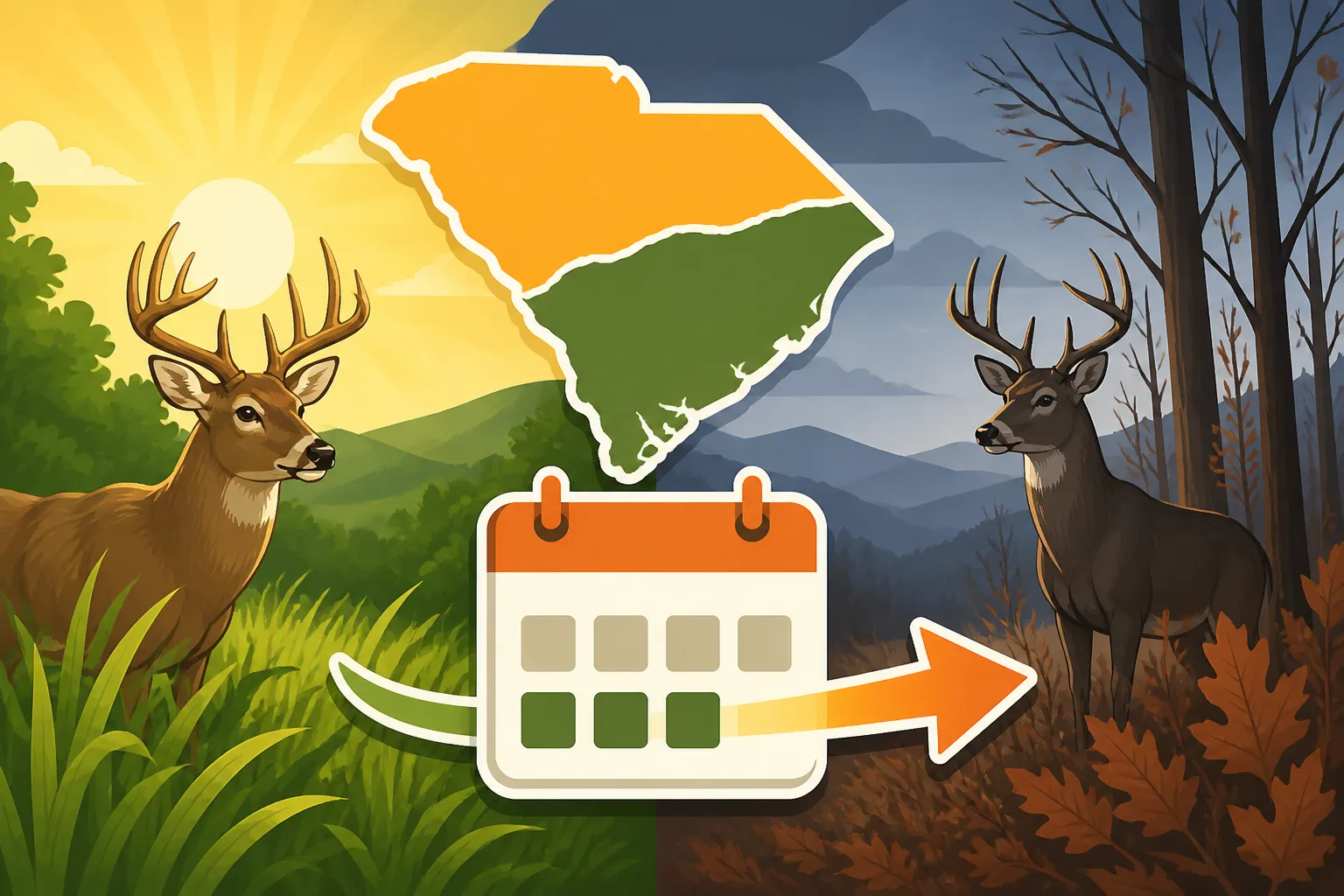
If you look at a map of South Carolina's hunting zones, you'll immediately notice the clear demarcation. Zone 1, our focus today, encompasses the mountainous and upper piedmont regions of the Upstate, including counties like Oconee, Pickens, Greenville, and parts of Spartanburg and Anderson. It's characterized by its rolling hills, mature hardwood forests, and often steeper terrain. Compare that to Zone 4, which is our lowcountry coastal plain – think Beaufort, Charleston, Georgetown, and other counties with expansive flatlands, abundant agriculture, and extensive swamp systems.
These zones, along with Zone 2 and Zone 3 in the midlands, create a patchwork of regulations designed to cater to the unique characteristics of each region. It's a system that reflects the state's incredible ecological diversity and the varying needs of its deer populations. Understanding the nuances of South Carolina's Four Game Zones is truly the first step in becoming a more informed hunter in our state.
The Rationale for Different Opening Dates
So, why not just open everything statewide on the same day? The simple truth is that what works for a deer herd munching on lush coastal soybeans in August won't necessarily work for a mountain buck browsing on acorns in October. The idea behind these staggered openers is rooted in sound wildlife management principles, aiming to align hunting pressure with peak deer activity and reproductive cycles, while also considering environmental factors.
It's all about providing hunters with opportunities while ensuring the long-term health and sustainability of the deer population. The SCDNR has spent decades collecting data and observing trends, and these season structures are the result of those efforts. They're designed to maximize hunting enjoyment and success while safeguarding the resource for future generations. It really brings home the idea that South Carolina Deer Season Structure Explained isn't just about dates on a calendar, but a holistic approach to conservation.
The Biological Drivers Behind Staggered Openers
The biggest reason for the Upstate's later opener is biology, plain and simple. Deer across a geographically diverse state like South Carolina don't operate on the exact same schedule, especially when it comes to the most important event of their year: the rut.
The Timing of the Rut and Fawn Drop
The whitetail deer rut, or breeding season, is heavily influenced by photoperiod – the amount of daylight in a 24-hour cycle – and genetics. While photoperiod is relatively consistent, regional genetic differences and environmental factors can lead to significant variations. In South Carolina's coastal Zone 4, the rut often kicks off as early as late September and can stretch into October. This early rut means fawns are dropped earlier in the spring, usually around April or May.
Move up to the Upstate's Zone 1, and things shift considerably. The peak of the rut in the mountains and upper piedmont typically occurs much later, often in late October or even into November. Consequently, fawns are born later, often in late May or June. The SCDNR manages hunting seasons to allow deer, particularly bucks, to complete a significant portion of their breeding activities before being subjected to intense hunting pressure. Opening the season too early in the Upstate could disrupt the rut, potentially impacting breeding success and future fawn crops. If you're really looking to capitalize on the prime breeding activity, understanding Hunting the Rut in the Upstate Zone is critical, and it directly explains why the season starts when it does. This biological reality of a later rut is a cornerstone of why the Upstate season opens six weeks later, a difference of about a month and a half.
Climate and Day Length's Influence
While the primary driver is the rut, climate also plays a subtle but important role. The Upstate, being higher in elevation, experiences cooler temperatures earlier in the fall than the lowcountry. This means that deer in the Upstate are often still in their summer patterns well into September, but they transition to fall behaviors and food sources a bit more rapidly once cooler weather sets in. The longer, hotter summers of the lowcountry support an earlier and longer growing season, providing ample forage for deer earlier in the year.
The amount of daylight, or photoperiod, is a consistent trigger for biological processes like antler growth and the onset of the rut. While the peak of the rut varies, the initiation of these physiological changes is often tied to diminishing daylight. However, the exact timing and intensity of the rut's expression can be modulated by local conditions and historical genetic adaptations. This leads to that later cycle we see in the Upstate compared to the rest of the state, influencing everything from feeding patterns to when bucks shed their velvet and really get into their breeding stride.
Habitat Diversity and Its Impact on Deer Season
South Carolina is a state of contrasts, and nowhere is that more evident than in its diverse landscapes. These different habitats profoundly influence deer behavior, population densities, and ultimately, how seasons are structured.
Upstate Mountainous Terrain and Forests
Zone 1, the Upstate, is dominated by the foothills of the Blue Ridge Mountains and rolling Piedmont terrain. Here, you'll find extensive tracts of mature hardwood forests, mixed pine-hardwood stands, and more fragmented agricultural areas compared to the coast. The topography is often steep and broken, leading to different deer movement patterns. Deer in these areas tend to utilize ridges, hollows, and dense cover more extensively. Food sources are often tied to mast crops like acorns and various soft mast, which typically become available later in the fall.
The denser timber and elevation changes mean deer aren't as visible as they might be in open coastal fields. Managing deer here means accounting for these factors. A later season opener allows time for acorns to drop and other mast crops to mature, concentrating deer around these critical food sources. This makes them more predictable for hunters once the season does open. When you're trying to figure out Reading a Ridge for Upstate Deer, you quickly realize the unique challenges and opportunities this habitat presents. It's a completely different ballgame than hunting flatlands.
Coastal Plain's Lush Environment
Contrast this with the Coastal Plain, particularly Zone 4, which boasts incredibly rich, fertile soils and an extended growing season. This region is a mosaic of vast agricultural fields – corn, soybeans, peanuts – alongside expansive pine plantations, bottomland swamps, and river drainages. Food is typically abundant and available early in the year, supporting a higher deer density and often earlier fawn drops. The longer growing season provides a consistent food supply, allowing deer to thrive and reach maturity quickly.
The prevalence of agriculture means deer have readily available high-protein food sources for much of the year. This rich environment supports a robust deer population that can withstand earlier hunting pressure, especially when focused on antlerless harvest to manage herd numbers. When you talk about Upstate Versus Lowcountry Deer, you're talking about two very different animals, in terms of their environment, their diets, and their typical daily routines. The lowcountry's bounty allows for that earlier start without detrimental impacts on the herd.
Hunting Pressure and Management Philosophy
Beyond biology and habitat, the SCDNR also considers hunter experience and effective herd management when setting season dates. It's a complex puzzle of balancing opportunity, tradition, and conservation.
Managing Harvest Pressure in the Upstate
One key aspect of a later Upstate opener is to help distribute hunting pressure and manage the harvest more effectively. With a later start, the initial surge of hunters is spread out, which can prevent an overwhelming amount of pressure on the deer herd right at the beginning of the season. This is particularly important in areas with lower deer densities or where a more conservative harvest strategy is desired.
The SCDNR's goal is to ensure that deer populations remain healthy and sustainable for generations. By delaying the season, they allow more bucks to participate in the rut, potentially improving the genetic quality of the herd over time. It also gives deer more time to recover from the stress of the summer and early fall, entering the hunting season in prime condition. This careful approach to management helps ensure the longevity of our deer hunting traditions. Tools like GoHunt can be invaluable here, helping hunters identify less pressured areas on public lands and plan their access routes to avoid heavy traffic on opening day.
Balancing Hunter Experience and Deer Health
The SCDNR constantly analyzes data, including harvest reports, deer population surveys, and public input, to fine-tune these regulations. The six-week delay in the Upstate is a reflection of this ongoing effort to strike a balance. It means that when the Upstate season does open, deer are often more active, especially around natural food sources like acorns, making for potentially better hunting. It's about providing a quality hunting experience while ensuring the herd is robust.
Furthermore, a later opener can mean that bucks have had more time to mature, both physically and in terms of antler development. While many factors contribute to antler size, delaying hunting pressure can allow younger bucks to survive another year and contribute to a healthier buck-to-doe ratio. It's a testament to the fact that every decision made by the SCDNR is rooted in the long-term health of our wildlife and the hunting opportunities we cherish.
Adapting Your Strategy to the Upstate Schedule
Understanding why the Upstate season opens later is one thing; adjusting your hunting strategy to make the most of it is another. Don't let the later start catch you off guard; instead, use it to your advantage.
Scouting and Preparation for a Later Start
Since the Upstate season starts later, your pre-season scouting timeline needs to shift accordingly. While coastal hunters are already in their stands, you'll still be walking the woods looking for sign. Focus on identifying key food sources that will be available in early October, such as white oak acorn flats, soft mast trees like persimmons, and agricultural fields if you're hunting private land or certain WMA areas.
Early fall scouting is crucial. Pay attention to bedding areas, travel corridors connecting food and cover, and water sources. As the temperatures drop, deer will become more active during daylight hours. Utilize modern tools, like the GoHunt app, to scout aerial maps and identify potential pinch points, saddles, and terrain features from your couch. Then, verify these spots on the ground. A comprehensive Scouting South Carolina Public Land Before Season plan tailored to the Upstate's unique timing will put you ahead of the game.
Effective Tactics for Early Upstate Season
When the Upstate season finally opens, your tactics should revolve around understanding deer movement relative to food and cover. Early in the season, before the rut fully kicks in, deer are primarily focused on feeding. Key in on prime food sources. White oaks, for instance, tend to drop their acorns earlier than red oaks, making them hotspots in early to mid-October. Locate these areas, identify fresh droppings and tracks, and set up accordingly.
Understanding wind and thermals is paramount, especially in the undulating terrain of the Upstate. Cold air sinks into hollows at night and rises up ridges in the morning, creating predictable thermal currents. Always play the wind, and use thermals to your advantage when accessing and exiting your stand. For instance, knowing how Wind and Thermals on an Upstate Ridge behave can make or break your hunt, guiding your entry and exit routes to remain undetected. As the season progresses into late fall, you'll also be thinking about Late-Season Food Sources for South Carolina Whitetails, which become crucial as natural forage dwindles. You're hunting a deer that is still likely focused on fattening up before the rut, not necessarily cruising for does just yet. The key to success on Hunting the Latest Upstate Zone Opener is understanding this critical difference.
Gear Considerations for Colder Upstate Weather
Unlike the sweltering heat that often accompanies the coastal Zone 4 opener in August, the Upstate's October start typically brings much cooler, crisper weather. This means your clothing strategy will need to adapt. Layering is your best friend. Start with a moisture-wicking base layer, add insulating layers like fleece or merino wool, and top it off with a quiet, waterproof outer shell.
Don't forget warm socks and insulated boots, especially if you plan on long sits in a treestand. While you might still need to consider bug repellent for early-season hunts, the primary concern shifts to staying warm and dry as temperatures can fluctuate dramatically from morning to evening. This is a stark contrast to the gear needs for Warm-Weather Sitting Strategy in South Carolina, where lightweight, breathable camo and snake boots are paramount. The Upstate demands gear that can handle the chill of an autumn morning in the mountains.
Here's a quick comparison of the two zones:
| Feature | Upstate (Zone 1) | Coastal Plain (Zone 4) |
|---|---|---|
| Typical Opener | October (e.g., Oct 1) | August (e.g., Aug 15) |
| Primary Rut | Late October – November | Late September – Early October |
| Fawn Drop | Late May – June | April – May |
| Habitat | Hardwood forests, rolling hills, mountains, less ag | Extensive agriculture, swamps, pine plantations, flatlands |
| Early Season | Cooler temps, focus on mast crops, thermals critical | Hot/humid, focus on agricultural fields, water, swamp edges |
| Management | Considers later rut, lower deer density in some areas | Manages higher deer density, earlier rut |
Disclaimer
Please remember that hunting regulations can change. Always consult the most current South Carolina Department of Natural Resources (SCDNR) regulations guide before heading afield to ensure you are compliant with all laws. This information is for educational purposes and general guidance only.