South Carolina Bear Tag Requirements
It can feel like you need a law degree just to understand all the hunting regulations sometimes, especially when you're looking to pursue a species like black bears in South Carolina. There's nothing more frustrating than getting all geared up, scouting for weeks, and then realizing you've missed a critical permit or misunderstood a tag requirement. This comprehensive guide is here to walk you through the ins and outs of South Carolina's bear tag requirements, making sure you're fully legal and prepared before you even think about heading into the woods.
Understanding South Carolina's Bear Hunting Zones
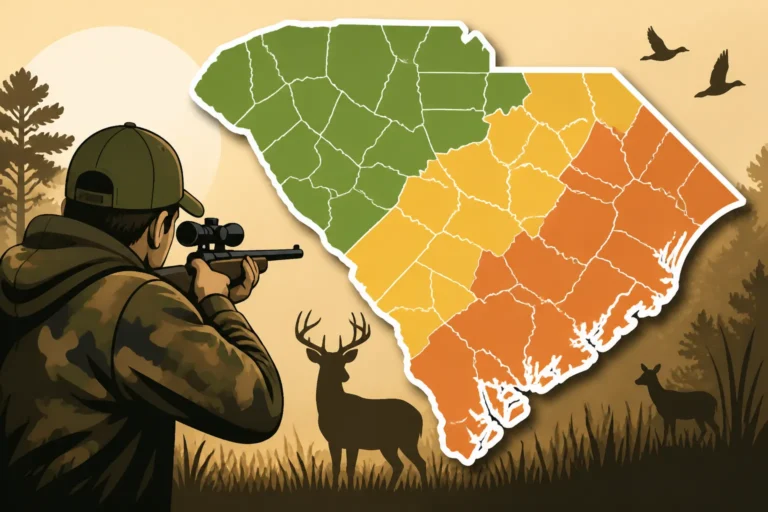
Before you even think about buying a bear tag, it's absolutely crucial to understand that bear hunting in South Carolina isn't a statewide affair. The state is divided into specific game zones, and only two of them currently have bear seasons. This means your first step is always to confirm which zone you'll be hunting in and what the specific rules are for that area. Misunderstanding these zones is a common pitfall that can lead to a lot of wasted time and effort, or worse, a violation.
Zone 1: The Upstate Mountains
When most folks think of bear hunting in South Carolina, their minds naturally go to the beautiful, rugged terrain of the Upstate. This region, specifically Game Zone 1, encompasses the mountain counties where black bears have a strong, re-established population. These are the areas with the most extensive bear habitat, offering dense forest cover and mountainous topography that's ideal for these impressive animals. The season here is carefully managed, typically divided into both still-gun hunting and hound hunting segments, each with its own specific set of regulations and dates.
Hunters in this zone will find themselves navigating terrain that demands good physical conditioning and precise navigation skills. Areas within the Sumter National Forest, particularly the Andrew Pickens Ranger District, are prime examples of where you might pursue bears. Understanding the specific dates for still-gun and dog drives is paramount here, as the seasons are relatively short and focused. You'll need to know the dates for the still-gun bear season rules and the bear dog drive rules to plan your hunt effectively. The limited number of bears harvested annually in this zone is a testament to the challenging but rewarding nature of the hunt.
Zone 4: The Coastal Plain
Now, this is where it gets interesting for a lot of folks, because many don't realize there's a bear season in the Lowcountry! Game Zone 4, primarily focused on the Francis Marion National Forest, offers a unique coastal bear hunting experience. These bears are adapted to the sprawling, often swampy terrain of the Lowcountry, favoring thick pocosins, large river bottoms, and dense maritime forests. Unlike the Upstate, hunting in Zone 4 is strictly limited to still-gun methods; running bears with dogs is not permitted in this zone.
The season in Zone 4 is typically much shorter than in the Upstate, often lasting only a few days or until the quota is met, whichever comes first. This makes planning and scouting absolutely critical. Hunters here often focus on areas like the Hellhole WMA or the Wambaw WMA, both within the Francis Marion, where bear sign can be found. The challenges in the Lowcountry are different from the mountains – think humidity, dense undergrowth, and navigating cypress swamps – but the experience of Hunting Zone 4 Coastal Bears is truly something else. It's a testament to the adaptability of South Carolina's black bear population that they thrive in such diverse environments.
The Essentials: Licenses and Permits You'll Need
Getting your bear tag isn't as simple as just walking into a store and asking for one. There's a foundational layer of licenses and permits you need to acquire first, much like building blocks. Without these prerequisites, your bear tag will be invalid. This structure ensures that all hunters have met the basic requirements for ethical and legal hunting in the state.
Base Hunting License Requirement
Every hunter in South Carolina, whether resident or nonresident, must possess a valid base hunting license. This is your fundamental permission slip to hunt any game species in the state. Think of it as your driver's license for the woods. Without it, you can't participate in any hunting activities, let alone pursue a big game animal like a bear. This license typically covers a range of small game and provides the foundation for adding more specific permits.
You can purchase your base hunting license directly from the South Carolina Department of Natural Resources (SCDNR) website via their Go Outdoors SC platform, by phone, or from authorized license vendors across the state. It's a straightforward process, but make sure to check if you qualify for a resident or nonresident license, as the costs differ significantly. For those just starting out, remember that South Carolina Hunter Education Requirements usually need to be met before you can acquire your first base hunting license, unless you're eligible for an apprentice license.
South Carolina Big Game Permit
Once you have your base hunting license, the next critical step for bear hunting is obtaining a South Carolina Big Game Permit. This permit is an add-on that specifically authorizes you to hunt big game animals such as deer, turkey, and, of course, bear. It's not included with your base license and must be purchased separately. This permit helps the SCDNR manage big game populations by providing more specific data on the number of hunters pursuing these species.
The Big Game Permit often covers multiple big game species, so if you're already a deer or turkey hunter, you likely already have this in your possession. However, it's always good practice to double-check the validity of all your licenses and permits before heading into the field, especially for a special hunt like bear. Nonresidents, in particular, should pay close attention to the South Carolina Nonresident Big Game Permit Cost, as it's typically higher than for residents. Many hunters find the Go Outdoors SC system, which integrates with mapping tools like those offered by GoHunt, an incredibly useful resource for managing all their licensing needs and planning their hunts efficiently.
WMA Permit if Hunting Public Lands
If your bear hunting plans involve any of South Carolina's Wildlife Management Areas (WMAs), you'll need one more crucial permit: the South Carolina WMA Permit. This permit grants you access to hunt on designated WMA lands throughout the state. Many of the prime bear hunting locations in both the Upstate (within Sumter National Forest WMAs) and the Lowcountry (within Francis Marion National Forest WMAs) fall under this category.
Hunting on WMAs comes with its own set of rules and regulations, often more specific and stringent than those on private land, so always consult the WMA regulations for your specific hunting area. For instance, some WMAs might have quota hunts, special sign-in procedures, or different season dates than surrounding private lands. For example, while you're planning your bear hunt, you might consider how a South Carolina WMA permit cost factors into your overall hunting budget. It's a small price to pay for access to some of the best public hunting opportunities the state has to offer, but overlooking it could lead to a hefty fine.
Diving Deeper into South Carolina's Bear Tags
With your base license and big game permit in hand, you're finally ready to talk about the star of the show: the actual bear tag. This is the specific document that allows you to legally harvest a black bear. It’s distinct from your other permits and comes with its own set of rules regarding purchase, limits, and how it must be used.
Bear Tag Costs and Purchase
The South Carolina bear tag is an additional purchase on top of your base license and big game permit. For residents, the cost is typically quite reasonable, while nonresidents can expect to pay a higher fee. This difference in pricing is standard across most states and reflects the benefit residents contribute to conservation through their taxes and other fees. You can purchase your bear tag through the same convenient methods as your other licenses: online via the Go Outdoors SC portal, by phone, or in person at a licensed vendor.
It's absolutely critical to buy your tag before you go hunting. You cannot retroactively purchase a tag. Make sure you understand the specific South Carolina Bear Tag Cost for your residency status. The funds generated from these tag sales directly support bear research, habitat management, and enforcement efforts by the SCDNR, ensuring a healthy and sustainable bear population for future generations of hunters.
Tag Limits and Restrictions
One of the most important aspects of bear tags in South Carolina is the strict limit on how many bears an individual hunter can harvest. Currently, it's a "one bear per hunter per season" rule. This is a statewide limit, meaning if you harvest a bear in Zone 1, you cannot then go and harvest another in Zone 4 within the same license year. This stringent limit is a vital tool for managing the bear population, which, while healthy, is not as prolific as deer. It ensures that harvest numbers remain sustainable and helps prevent overharvesting in any single season.
Furthermore, there might be specific restrictions on the type of bear you can harvest. For instance, regulations usually prohibit the harvest of bears with cubs or cubs themselves. Always review the most current SCDNR regulations booklet, often available online or through services like GoHunt, to ensure you're aware of any size, sex, or accompaniment restrictions that might be in place for the current season. These rules are put in place to protect reproductive females and young bears, crucial for the long-term health of the population.
Physical Versus Digital Tags
In a world increasingly moving towards digital solutions, South Carolina has embraced technology for its tagging system. When you purchase your bear tag, you'll receive it as a physical paper tag, typically printed on durable, waterproof material. This physical tag must be immediately affixed to your harvested bear, visibly and securely, before you move it from the point of kill. This is a non-negotiable step and a key part of the state's harvest reporting and enforcement system.
While the SCDNR's Go Outdoors SC platform allows you to view your licenses and permits digitally on your phone, and while many hunters use apps like GoHunt for mapping and planning, the physical tag for harvested game is still the law for bear. Do not rely solely on a digital image of your tag; carry the physical tag with you in the field. This ensures that if you're successful, you can comply immediately with the tagging requirements. Failure to properly tag a harvested bear could result in significant penalties, so it's always better to be prepared.
Reporting Your Bear Harvest
Your responsibility as a bear hunter doesn't end when you pull the trigger or release an arrow. In South Carolina, reporting your bear harvest is not just a good idea; it's a mandatory legal requirement. This step is as crucial as purchasing your tags and is vital for wildlife management.
Why Reporting Matters So Much
Harvest reporting provides the SCDNR with critical data points that are indispensable for managing the state's black bear population. Each reported bear contributes to a larger dataset that helps biologists understand population trends, distribution, reproductive success, and the impact of hunting pressure. Without accurate reporting, the SCDNR would be operating with blind spots, making it incredibly difficult to set appropriate season lengths, bag limits, and conservation strategies.
This data directly influences future hunting opportunities. If reporting is poor, the SCDNR might err on the side of caution and reduce season lengths or tag allocations, potentially impacting all hunters. Conversely, robust and accurate data can support arguments for expanding opportunities if the population can sustain it. Furthermore, reporting helps monitor for diseases and provides valuable information on bear health. It’s a collective responsibility that every successful hunter must take seriously to ensure the longevity of South Carolina's Black Bear Population.
The Game Check Process for Bears
South Carolina utilizes a system called "Game Check" for reporting big game harvests, including bears. As soon as you harvest a bear and have properly affixed your physical tag, you must report the kill through the Game Check system. This can typically be done via the SCDNR website or through their mobile app, which is available for both iOS and Android devices. It’s usually a quick and straightforward process that requires entering information such as the date and time of kill, the county, the gender of the bear, and your tag number.
The deadline for reporting is typically within 24 hours of the harvest. After reporting online, you'll receive a confirmation number. While the online Game Check system is designed to be user-friendly, it’s always a good idea to ensure you have cell service or a plan to access the internet to complete the report. Some remote hunting areas might lack signal, so consider bringing a satellite messenger or moving to an area with service as soon as possible. Remember, understanding the South Carolina Bear Checking Requirements is your final step to a completely legal and ethical bear harvest.
Table: South Carolina Bear Hunting Zones & Key Requirements
| Requirement | Zone 1: Upstate Mountains | Zone 4: Coastal Plain (Francis Marion National Forest) |
|---|---|---|
| Counties | Anderson, Oconee, Pickens, Greenville, Spartanburg, Cherokee, Union, Laurens (specific portions) | Berkeley, Charleston, Dorchester, Georgetown (specific portions within Francis Marion) |
| Season Type | Still-Gun & Dog Drive Seasons | Still-Gun Only |
| Season Duration | Typically longer, defined segments for still-gun and dog drives | Very short, often a few days or until quota is met |
| Annual Limit | One bear per hunter (statewide) | One bear per hunter (statewide) |
| Harvest Quota | Yes, carefully managed annual quota | Yes, very strict annual quota |
| WMA Access | Yes, WMA Permit required for National Forest areas | Yes, WMA Permit required for National Forest areas |
| Mandatory Reporting | Yes, via Game Check within 24 hours | Yes, via Game Check within 24 hours |
Special Considerations and Common Questions
Beyond the core license and tag requirements, there are a few other important aspects of bear hunting in South Carolina that often come up. Being prepared for these nuances can save you hassle and ensure a safe and successful hunt.
Blaze Orange Requirements
Safety is paramount in any hunting endeavor, and South Carolina takes blaze orange seriously, especially for big game hunting. If you are still-hunting for bears during the still-gun season in either Zone 1 or Zone 4, you are required to wear a minimum amount of blaze orange (or blaze pink, which is also legal). This typically means a visible hat or outerwear that is clearly distinguishable from all sides. The exact specifications for How Much Blaze Orange South Carolina Requires are outlined in the SCDNR regulations.
This requirement is not just a rule; it's a critical safety measure designed to make hunters visible to one another, drastically reducing the risk of accidental shootings. Even if you're deep in the woods, far from other hunters, wearing blaze orange is a non-negotiable part of responsible hunting. It's especially important if you're involved in deer drives or any situation where multiple hunters are moving through the woods.
Public Land Rules and Regulations
Many hunters pursue black bears on South Carolina's public lands, particularly within the National Forests and associated WMAs. While these lands offer incredible opportunities, they also come with a more detailed set of rules than private land. Beyond the WMA permit, you need to be aware of specific regulations regarding camping, vehicle access, tree stand placement, baiting (which is prohibited for bears in SC), and even how far you can walk from designated roads.
Always check the specific regulations for the WMA or National Forest district you plan to hunt. The SCDNR website and ranger district offices are excellent resources. Using tools like the Using the Go Outdoors SC Map Tool or third-party apps like GoHunt can help you understand boundaries, access points, and specific WMA rules more clearly. Ignoring public land regulations, even inadvertently, can lead to citations and even loss of hunting privileges. Be a responsible public land user and know the rules before you go.
Youth Hunter Rules
South Carolina encourages young hunters to get involved in the tradition, but there are specific rules and guidelines for youth participation in big game hunting, including bear. Typically, youth hunters need to meet hunter education requirements, and those under a certain age (often 16) must be accompanied by an adult mentor. This mentor must be properly licensed and remain within a prescribed distance of the youth hunter.
The purpose of these rules is to ensure safety and provide proper guidance during the hunt, fostering a strong foundation for responsible hunting ethics. While there isn't a dedicated youth bear season, young hunters can participate during the regular season, provided they meet all licensing, permit, and tagging requirements, including acquiring their own bear tag. Always confirm the most current South Carolina Mentored Youth Hunting Rules to ensure your young hunting partner is in full compliance. Introducing the next generation to the thrill of bear hunting can be a truly memorable experience.
Disclaimer
Please be aware that hunting regulations, season dates, and license requirements can change frequently. While this guide provides comprehensive information based on current knowledge, it is your responsibility to consult the official South Carolina Department of Natural Resources (SCDNR) regulations directly before participating in any hunting activity. Always refer to the most recent SCDNR Hunting & Fishing Regulations booklet or their official website for the most accurate and up-to-date information.