South Carolina Small Game Season Rules
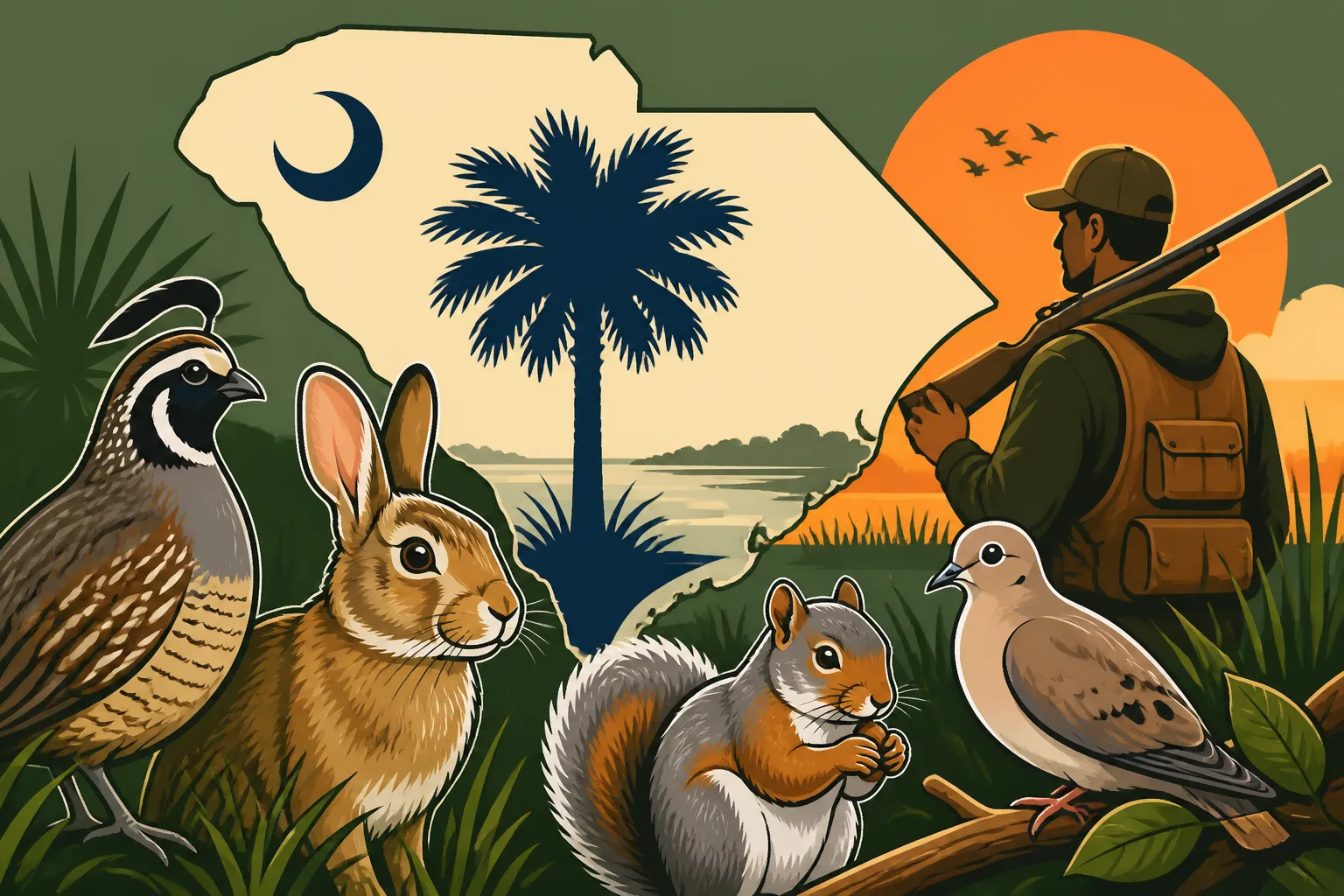
Navigating the ins and outs of South Carolina's small game seasons can sometimes feel like trying to track a squirrel through a thick palmetto patch – confusing and with a lot of twists and turns. From specific season dates to bag limits, and even the nuances between private land and public hunting areas, it's easy to get turned around. This comprehensive guide is here to clear the brush, providing you with all the essential details to confidently plan your small game hunting adventures across the Palmetto State.
Squirrel Hunting: A Southern Tradition Alive and Well
For many of us, chasing squirrels through the South Carolina woods is where it all began. It's an accessible, exciting, and often delicious way to introduce new hunters to the field or simply enjoy a relaxing day in nature. Yet, even with such a classic pursuit, there are specific regulations to keep in mind, differentiating between the widespread gray squirrels and their larger, more elusive fox squirrel cousins.
Understanding Gray Squirrel Seasons and Limits
Gray squirrels are truly the bread and butter of small game hunting in South Carolina. They're found in abundance across the state, particularly in mature hardwood forests rich with oaks, hickories, and other mast-producing trees. The season for gray squirrels is generally quite generous, often stretching from early fall right through to late winter. This extended season provides ample opportunity to get out, whether you prefer to hunt with a rimfire rifle on a crisp autumn morning or with a shotgun and a good squirrel dog once the leaves have fallen and visibility improves. Typically, the season will open in the early fall, often in September or October, and can run until March 1st. This allows hunters to pursue them during various conditions, from warm, early season hunts when leaves are still on the trees and squirrels are busy caching nuts, to colder, late-season hunts when they might be more concentrated around persistent food sources.
When it comes to limits, South Carolina has a daily bag limit that allows for a rewarding harvest. For gray squirrels, hunters can generally take 10 squirrels per day, with a possession limit of 30. This is a fairly generous limit, allowing a single hunter to bring home enough for a few good meals or to share with friends and family. It’s important to remember that these limits apply whether you're hunting on private land or within one of the state's many Wildlife Management Areas (WMAs). However, always double-check the current year's regulations published by the South Carolina Department of Natural Resources (SCDNR), as dates and limits can sometimes see minor adjustments. Using a resource like GoHunt's mapping features can also help you scout prime squirrel habitat and stay on top of any localized WMA rules before you even step foot in the woods.
Fox Squirrels: A Unique Challenge
While gray squirrels are ubiquitous, the fox squirrel offers a distinctly different hunting experience. These are not just bigger gray squirrels; they are a separate species, larger in size, often displaying striking color variations from black to silver to reddish-brown, and frequently featuring a distinctive white nose and ears. Fox squirrels tend to be less numerous and often prefer more open, mature pine forests, pine-oak mixed stands, and even agricultural edges, rather than the dense hardwoods where you'd typically find grays. Their larger size and more solitary nature make them a prized trophy for many small game hunters.
The season for fox squirrels often mirrors that of gray squirrels, opening and closing on the same dates, with the same daily and possession limits of 10 and 30, respectively. However, due to their lower population density and specific habitat preferences, actually finding fox squirrels can be a real challenge. You won't typically see the frantic activity of multiple fox squirrels chasing each other through the canopy like you might with grays. Instead, you're more likely to spot a lone, slow-moving individual on a large pine limb or foraging on the ground. Hunters pursuing fox squirrels often adopt a slower, more deliberate still-hunting approach, scanning the upper canopy of mature pines or the edges of clearings. Their larger size means a .22 rifle is a great choice, offering sufficient power and precision for the often longer shots you might encounter in their more open habitat. It's a truly rewarding experience to connect with one of these magnificent creatures, and it speaks to a deeper connection with the diverse wildlife of South Carolina.
Rabbit Hunting: Beagles, Brush Piles, and Busting Briars
There's nothing quite like the sound of a pack of beagles striking a hot rabbit trail on a crisp South Carolina morning. Rabbit hunting is another deeply rooted tradition, offering fast-paced action and the camaraderie of hunting with dogs. South Carolina is home to both the common cottontail and the more elusive marsh rabbit, each with its own preferred habitat and challenges for hunters.
Cottontail Rabbit Season Details
Cottontail rabbits are, by far, the most frequently hunted rabbit species in South Carolina. They thrive in areas with thick cover – fencerows, briar patches, regenerating clearcuts, grown-up fields, and the edges of agricultural land provide ideal habitat. These little dynamos rely on dense cover to escape predators, and that's precisely where hunters, often accompanied by well-trained beagles, focus their efforts. The season for cottontail rabbits generally opens in the fall, often around the Thanksgiving holiday, and runs through the winter months. This timing is perfect because by late fall, the leaves have dropped, making it easier for dogs to work and hunters to see rabbits as they're flushed. The season typically closes around March 1st, providing a long window for hunters to enjoy this classic pursuit.
The daily bag limit for cottontail rabbits is usually 5 per hunter, with a possession limit of 15. This is a reasonable limit that allows hunters to enjoy a successful day afield and bring home a good number for the stew pot. Hunting cottontails with beagles is a particularly popular method, as the dogs' ability to track and push rabbits allows hunters to position themselves strategically along known escape routes or around thickets. The key to successful rabbit hunting often lies in identifying good cover. Look for tangled briar patches, abandoned farm equipment overgrown with vines, or thick, regenerating clear-cuts. These are the places where rabbits will feel safe and where the dogs will have the best chance to get them moving. Remember that while rabbits are tough, they are also sensitive to harsh weather; very cold or rainy days might see them holed up, making them harder to find.
Marsh Rabbits: A Coastal Pursuit
If you're hunting closer to the coast, particularly in the Lowcountry's wetlands and tidal areas, you might encounter the marsh rabbit. These fascinating creatures are uniquely adapted to aquatic environments, often living in swamps, marshes, and along the edges of rivers and creeks. They are slightly darker in color than cottontails and have shorter ears and legs, perfect for their marshy domain. Unlike cottontails, marsh rabbits are strong swimmers, and they'll readily take to the water to escape danger, often leaving pursuing dogs scratching their heads at the water's edge.
The season and bag limits for marsh rabbits typically align with those of cottontail rabbits. However, their habitat makes for a very different hunting experience. Rather than running through open fields, marsh rabbits stick to dense, often flooded, vegetation. Hunting them usually involves walking through these challenging environments, often requiring chest waders or even a shallow-draft boat in some areas. Dogs that are accustomed to working in water are a huge asset here. Hunters often target high ground within the marsh, small islands, or the thicker cover along cypress and gum swamps where these rabbits might seek refuge. While they are less commonly pursued than cottontails, the marsh rabbit offers a truly unique South Carolina hunting experience, a testament to the diverse ecosystems found within the state. For those looking to delve deeper into these areas, tools like GoHunt can provide invaluable aerial imagery to pinpoint drier hummocks or denser cover within expansive marshlands.
Bobwhite Quail: The Elusive Southern Gentleman
The quintessential sound of a covey of bobwhite quail flushing from a South Carolina pine stand is a memory many older hunters cherish. While wild bobwhite quail populations have seen significant declines over the decades, there are still opportunities to pursue these challenging and iconic birds, especially in areas with dedicated habitat management.
Quail Season Dates and Bag Limits
For many hunters, the opportunity to chase wild bobwhite quail is a connection to a bygone era. In South Carolina, the season for quail is typically shorter than that for squirrels and rabbits, often running from Thanksgiving week through the end of February or early March. This timeframe coincides with cooler weather and allows for the most effective hunting over pointing dogs, which are the traditional and often most successful method for finding these elusive birds. The daily bag limit for bobwhite quail is usually 10 birds, with a possession limit of 30. While these limits are in place, successfully reaching them on wild birds is a testament to skillful hunting and good dog work, given the challenges of finding dense coveys.
It’s crucial to understand that while a season exists statewide, viable wild quail populations are not widespread. Most successful wild quail hunting occurs on private lands with active habitat management, such as the carefully managed pine plantations of the Lowcountry and Midlands. These landowners invest heavily in prescribed burns, timber thinning, and native plant restoration to create the "pine savanna" habitat that quail need to thrive. For those without access to such private grounds, some public lands may offer limited opportunities, though these are often much more challenging. The pursuit of quail is less about filling a freezer and more about the experience – the scent of pine needles, the thrill of a dog on point, and the explosive flush of a covey.
Habitat and Public Land Opportunities
The decline of wild bobwhite quail in South Carolina, a trend mirrored across much of the Southeast, is largely attributed to habitat loss and degradation. Intensive agriculture, urban sprawl, and the suppression of natural fire regimes have all played a part in reducing the open, early successional habitat that quail require for nesting, brooding, and escape cover. The good news is that there's a growing understanding of what quail need, and significant conservation efforts are underway. Initiatives focused on longleaf pine restoration and proper timber management, including frequent prescribed burns, are proving vital. These practices create the open understory, diverse grasses, and insect populations that quail depend on. You can read more about South Carolina's Historic Quail Decline and How Managed Pine Could Restore South Carolina Quail.
While the best quail hunting is found on private lands, limited opportunities may exist on some Wildlife Management Areas (WMAs) and national forests that implement active habitat management for early successional species. These areas often conduct prescribed burns and timber thinning designed to improve wildlife habitat, which can indirectly benefit quail. However, public land quail hunting requires extensive scouting and often means covering a lot of ground for fewer encounters. Hunters typically rely on well-trained pointing dogs to locate coveys in the often thick and challenging terrain. Before venturing out, always check the specific WMA regulations for any special quail hunting rules or quotas. For many, the true joy of quail hunting lies in the pursuit itself, the work of the dogs, and the connection to a deeply traditional Southern sport, rather than the expectation of a large harvest.
Raccoon and Opossum: Night Hunting Opportunities
For a different kind of small game adventure, look no further than raccoon and opossum hunting. These nocturnal creatures offer an exciting and unique experience, often under the glow of a headlamp, and frequently with the aid of dedicated hound dogs.
Raccoon Season: Night Lights and Dogs
Raccoon hunting is a cherished Southern pastime, particularly popular during the cooler months when raccoons are more active and their pelts are prime. The season for raccoons in South Carolina is quite extensive, typically running from late September through mid-March. This long season offers ample time to pursue these wily omnivores, whether for their fur, for meat, or simply for the thrill of the chase with a good pack of dogs. Raccoons are incredibly adaptable and can be found almost anywhere in South Carolina – from suburban fringes to deep swamps, agricultural fields, and mature woodlands. They thrive near water sources and areas with abundant mast, fruits, and small critters.
There are no daily bag or possession limits for raccoons on private lands in South Carolina, reflecting their abundant population and classification as a furbearer. On Wildlife Management Areas, however, some specific limits or restrictions might apply, so always consult the WMA regulations beforehand. The traditional method of hunting raccoons involves using trained coonhounds at night. The dogs track the raccoon's scent, eventually treeing the animal. Hunters then locate the dogs, often by the sound of their baying, and harvest the raccoon from the tree. This method is incredibly social, often involving a group of friends, the sounds of dogs working in the dark, and the satisfaction of a successful treed coon. You can find the specific South Carolina Raccoon Season Dates and plan your nocturnal hunts. Beyond the thrill, many hunters appreciate raccoon meat, which, when properly prepared, can be quite delicious, especially in traditional Southern stews and BBQ.
Opossum: A Less Pressured Option
Often pursued alongside raccoons, the opossum offers a similar, though typically less intense, night hunting experience. Opossums are North America's only marsupial, known for their unique appearance and habit of "playing 'possum" when threatened. Like raccoons, they are nocturnal and incredibly adaptable, found in a wide range of habitats across South Carolina, from urban backyards to dense forests. They are opportunistic scavengers and omnivores, making them common inhabitants of nearly any landscape.
The season for opossums generally runs concurrently with raccoon season, from late September through mid-March, and like raccoons, there are typically no daily bag or possession limits on private land. Opossums are often treed by coonhounds while they are out foraging, making them an incidental, but welcome, addition to a night hunt. Because they are slower and less elusive than raccoons, opossums are generally easier for dogs to tree. For hunters looking to enjoy a night in the woods with their hounds, without the intense pressure of strictly pursuing raccoons, the opossum provides a relaxing and readily available target. While less commonly eaten than raccoon, some hunters do harvest opossums for their meat, and historically, their fur has also been sought after. For new night hunters, or those looking for a slightly less demanding pursuit, opossums offer a fantastic way to enjoy the nocturnal woods of South Carolina.
Migratory Small Game: Woodcock and Snipe
Beyond the more common resident small game, South Carolina also offers opportunities to hunt unique migratory birds like woodcock and snipe. These species, though often overlooked, provide a challenging and rewarding experience for wing shooters.
Woodcock Seasons and Habitat Preferences
The American woodcock, a fascinating shorebird that behaves like an upland game bird, is a popular target for many wing shooters in South Carolina. These migratory birds spend their summers in the northern states and Canada, then migrate south to their wintering grounds, with South Carolina being a significant stopover and winter habitat. The woodcock season typically opens in November and runs through January. This timing aligns with their migratory patterns, allowing hunters to target them as they arrive and settle into their winter ranges.
Woodcock prefer young, regenerating woodlands with moist, soft soil where they can probe for earthworms, their primary food source. Areas like young clearcuts, brushy creek bottoms, and alder thickets are prime woodcock habitat. Hunting woodcock often involves walking slowly through this dense cover, relying on pointing dogs to locate the birds. When flushed, woodcock fly in an erratic, twisting pattern before leveling off, presenting a challenging shot for hunters. The daily bag limit for woodcock is usually 3 birds, with a possession limit of 9. While it's a smaller bag limit compared to other small game, successfully bagging a few woodcock is considered a great accomplishment. Hunters pursuing woodcock need to ensure they have their South Carolina Migratory Bird Certification, often referred to as HIP (Harvest Information Program) certification, in addition to their regular hunting licenses. You can check the specific South Carolina Woodcock Season Dates each year as they are set federally.
Snipe Hunting: A Sporting Challenge
For those who enjoy a truly unique and challenging wingshooting experience, snipe hunting in South Carolina can be incredibly rewarding. Common snipe are another migratory shorebird that winters in the Palmetto State, preferring open, wet habitats such as flooded fields, wet meadows, and the muddy edges of ponds and ditches. Like woodcock, their season generally runs from November through January, coinciding with their presence in the state.
Hunting snipe is not for the faint of heart. These birds are renowned for their incredibly fast and erratic flight patterns, often zig-zagging wildly as they flush. This unpredictable flight is where the term "sniper" originated, referring to the difficulty of shooting these birds. Hunters typically walk through their preferred wet habitats, often with a flushing dog, or simply by pushing birds up as they walk. A light shotgun, usually a 20-gauge or 28-gauge, with open chokes and fast-handling characteristics, is ideal for these quick-shooting opportunities. The daily bag limit for snipe is typically 8 birds, with a possession limit of 24. As with woodcock, hunters must possess South Carolina Migratory Bird Certification to legally hunt snipe. While demanding, successfully downing a snipe or two is a testament to sharp reflexes and good shooting, offering a thrilling experience different from any other small game pursuit.
Other Small Game Species and Their Rules
South Carolina's small game landscape also includes a few other species that offer specialized hunting opportunities, some with very specific rules or limited availability. Understanding these nuances can open up even more avenues for outdoor adventure.
Grouse: A Rare Upstate Opportunity
When most people think of grouse hunting, they picture the rugged mountains of the Northeast or Midwest. However, South Carolina does have a very small, isolated population of Ruffed Grouse in the extreme northwestern corner of the state, within the Blue Ridge Mountains of the Andrew Pickens Ranger District of Sumter National Forest. The presence of grouse in South Carolina is a unique ecological footnote, as they are at the very southern fringe of their natural range.
Given their rarity, the season for Ruffed Grouse in South Carolina is often very short, sometimes just a few weeks in the fall, and the daily bag limit is typically just 1 bird, with a possession limit of 2. Hunting grouse in South Carolina is not about filling a game vest; it's about the challenge, the unique experience, and the satisfaction of pursuing such an elusive bird in unexpected territory. Hunters will typically traverse steep, mountainous terrain, looking for areas of mixed hardwoods and regenerating clearings. Flushes are explosive, and shots are often obscured by dense cover. This is truly a hunt for the dedicated upland bird enthusiast, and success is measured more by the experience and the opportunity to witness these birds than by the number taken. Always confirm the latest South Carolina Grouse Season Status before planning such a specialized trip.
Crow Hunting: Year-Round Fun
For hunters looking for consistent action and no closed season, crow hunting is a fantastic option in South Carolina. While often viewed as a nuisance species by farmers due to crop damage, crows provide an exciting and challenging hunting experience, requiring stealth, calling skills, and good camouflage. Unlike most other game species, crows typically have a year-round open season in South Carolina, with no daily bag limits. This makes them an excellent target for sharpening hunting skills during other closed seasons or for introducing new hunters to the sport without the pressure of strict regulations.
Crow hunting usually involves calling, using electronic or mouth calls to mimic distress calls or the sounds of a territorial dispute, which can bring crows flocking in from afar. Hunters need to be well-hidden, as crows are incredibly intelligent and have excellent eyesight. Shotguns are the preferred firearm, offering the spread needed to hit fast-flying birds. Crow hunting can be a social activity, and the thrill of dozens of crows diving and circling overhead in response to calls is an experience unto itself. Whether you're helping a farmer protect their crops or just looking for some challenging wingshooting practice, crow hunting offers a unique and accessible opportunity throughout the entire year in South Carolina.
Licensing and General Regulations for Small Game
Before you even think about stepping into the woods or fields for small game, it's absolutely crucial to ensure you're properly licensed and aware of all general hunting regulations in South Carolina. Skipping this step can lead to fines, loss of privileges, and a generally miserable experience.
Essential Licenses and Permits
Hunting in South Carolina requires specific licenses and permits, and small game is no exception. At a minimum, every hunter needs a valid base hunting license. Residents have several options, from annual licenses to multi-year or lifetime permits. Nonresidents also have options, including annual or short-term licenses. You can explore South Carolina Resident Hunting License Options and South Carolina Nonresident Hunting License Options to find the best fit for your hunting plans.
Beyond the base license, if you plan to hunt on any of South Carolina's extensive network of Wildlife Management Areas (WMAs), you'll also need a WMA permit. These permits grant you access to millions of acres of public hunting land, but it's important to remember that WMAs often have their own specific regulations that might differ from statewide rules, including different season dates, bag limits, and even methods of take. Always check the individual WMA rules before you go; the Go Outdoors SC app is a fantastic resource for this. Furthermore, if you plan to hunt migratory small game like woodcock or snipe, you must have a South Carolina Migratory Bird Certification (HIP stamp), which is federal requirement to gather harvest data. New hunters, or those born after a certain date (usually June 30, 1979), will also need to complete South Carolina Hunter Education Requirements before purchasing their first license. There's no getting around these; they're the foundation of legal and ethical hunting in the state.
General Regulations and Safety
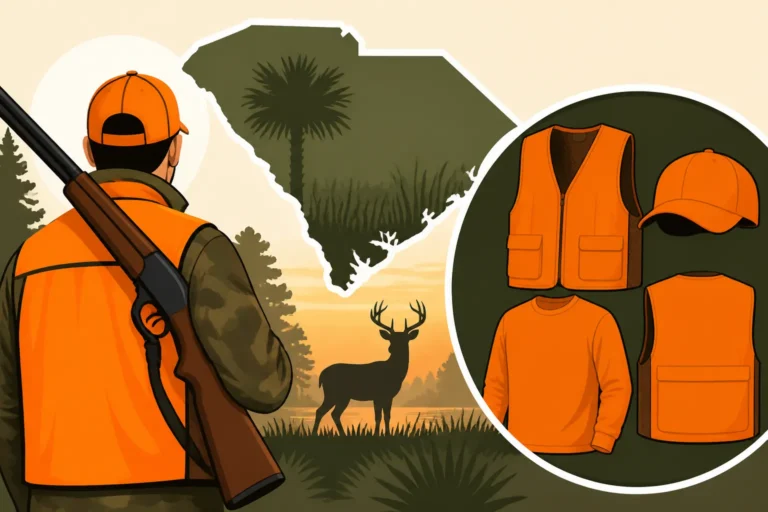
Beyond licenses, several general regulations apply to all hunting in South Carolina, including small game. One of the most critical is the blaze orange requirement. During any gun season for deer, all hunters (except waterfowl hunters and those hunting in an archery-only season) must wear a visible outer garment above the waist with at least 500 square inches of solid visible international orange or florescent pink. This isn't just a rule; it's a vital safety measure that helps prevent accidents. Even when not explicitly required, wearing blaze orange or pink when hunting with others, especially in thick cover, is always a smart choice. You can find detailed information on South Carolina Blaze Orange Requirements.
It's also essential to be aware of regulations regarding Sunday hunting. In South Carolina, hunting on Sundays is generally prohibited on public lands (WMAs, National Forests). However, private landowners do have the option to allow Sunday hunting on their property, so always confirm permission and local ordinances. Understanding property boundaries is also paramount; using a reliable mapping application can help you stay within legal hunting areas and avoid trespassing. Always practice ethical hunting, including respecting private property, ensuring clean kills, and properly handling your harvest. By understanding and adhering to these rules, you're not just staying legal; you're contributing to the positive image of hunting and ensuring these cherished traditions continue for generations to come.
| Small Game Species | Typical Season Dates (Approx.) | Daily Bag Limit | Possession Limit | Special Notes |
|---|---|---|---|---|
| Gray Squirrel | Sept/Oct – March 1 | 10 | 30 | Found statewide in hardwoods. |
| Fox Squirrel | Sept/Oct – March 1 | 10 | 30 | Less common, prefers pines/open woods. |
| Cottontail Rabbit | Thanksgiving Wk – March 1 | 5 | 15 | Widespread, prefers thick cover. |
| Marsh Rabbit | Thanksgiving Wk – March 1 | 5 | 15 | Coastal wetlands, strong swimmer. |
| Bobwhite Quail | Thanksgiving Wk – Feb/March 1 | 10 | 30 | Declining wild populations, best on managed land. |
| Raccoon | Sept/Oct – March 15 | None (Private) | None (Private) | Night hunting with dogs is common. |
| Opossum | Sept/Oct – March 15 | None (Private) | None (Private) | Often hunted with raccoons. |
| Woodcock | Nov – Jan | 3 | 9 | Migratory, requires HIP, prefers moist young woods. |
| Snipe | Nov – Jan | 8 | 24 | Migratory, requires HIP, prefers open wet areas. |
| Ruffed Grouse | Oct – Nov (short season) | 1 | 2 | Very rare, limited to extreme Upstate mountains. |
| Crow | Year-Round | None | None | No closed season, no limits. |
Note: Always verify current season dates and bag limits with the SCDNR each year before hunting, as dates can be adjusted annually.
Disclaimer
Please remember that hunting regulations are subject to change. While this guide provides a comprehensive overview, it is essential for every hunter to consult the most current South Carolina Department of Natural Resources (SCDNR) regulations before heading afield. This content is for informational purposes only and does not constitute legal advice. Always prioritize safety and ethical hunting practices.