Hunting Standing Cover Left After Harvest
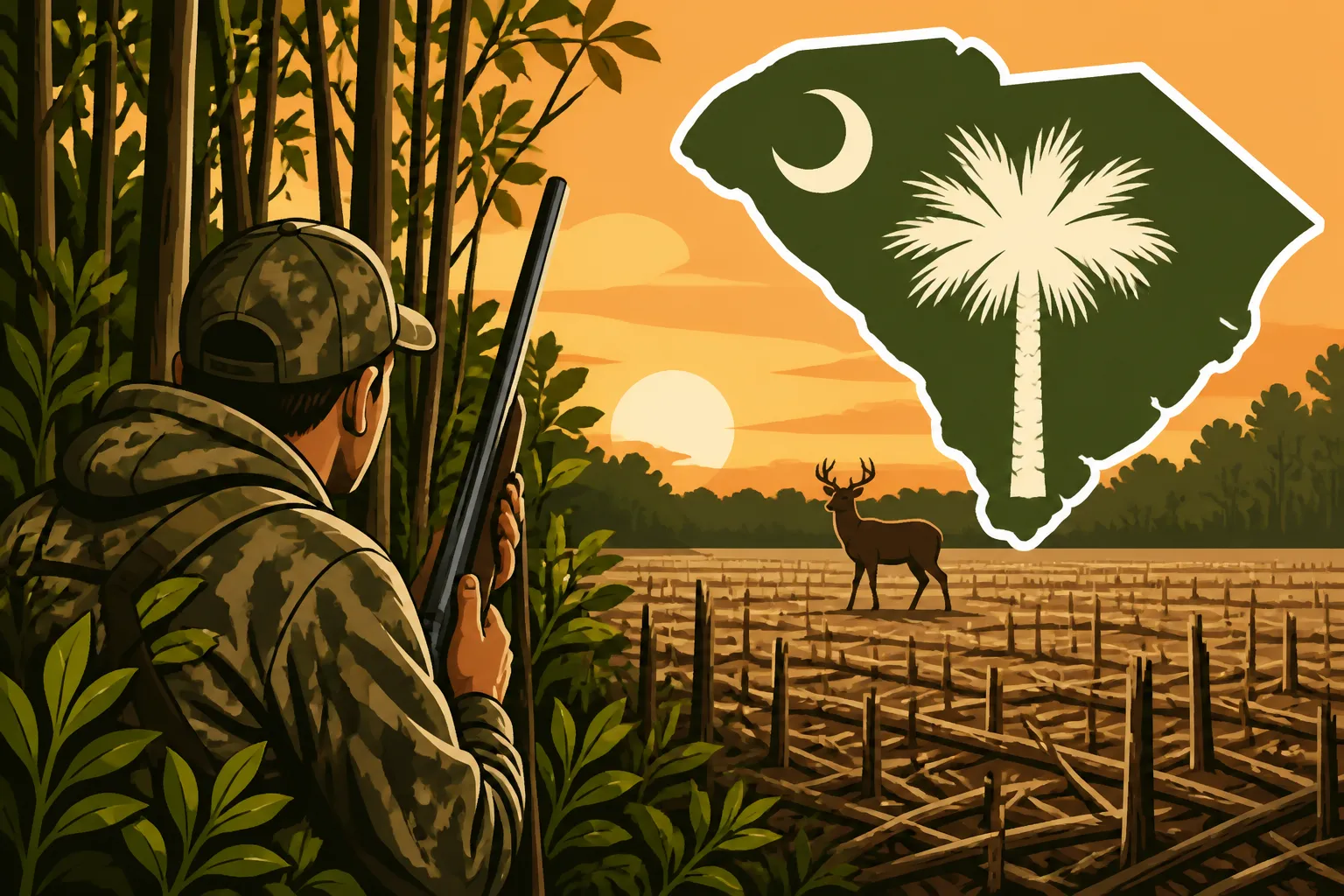
When much of South Carolina's agricultural landscape transitions from lush green to barren brown after the combines have rolled, many hunters feel a sense of loss. The deer seem to vanish overnight, retreating from familiar patterns and leaving us scratching our heads about where they've gone. But what if I told you that some of the best late-season hunting opportunities aren't found in untouched timber, but right there in the fields that still hold remnants of the harvest? This guide will dive deep into understanding, scouting, and effectively hunting the standing cover left behind after crops have been brought in, unlocking a crucial tactic for bagging a deer when others have given up.
Understanding What Standing Cover Means After Harvest
After the combines have finished their work, it's easy to assume a field is completely devoid of cover and food. However, that's rarely the case. Standing cover, in this context, refers to any unharvested or partially harvested agricultural crop, or even areas of dense weeds and volunteer growth that remain in or adjacent to fields after the main harvest is complete. These pockets, often overlooked, become magnets for deer seeking refuge and sustenance during the leaner parts of the season.
Identifying Common Crop Types Left Behind
In South Carolina, our agricultural landscape offers a variety of crops that can provide this crucial standing cover. Corn fields, even after harvest, often leave behind shattered ears, dropped kernels, and dense stalks that offer both food and visual obstruction. You might find a whole section of a field that was too wet to harvest, or perhaps a turn row where the combine missed. These areas become instant hideouts. Similarly, soybean fields, while not offering as much vertical cover, can have sections where beans were never picked, or where dense volunteer weeds spring up, creating a thick, low-lying sanctuary. Cotton fields, too, even after the bolls are picked, can leave behind tough stalks and residual leafy material, forming surprisingly good concealment. Beyond these primary crops, don't overlook areas of natural grasses, brushy fence lines, or uncultivated edges within or bordering agricultural land that become even more vital once the main crop cover disappears. These "marginal" areas, if left standing, can concentrate deer like nothing else.
Why Areas Are Left Unharvested
It might seem counterintuitive for a farmer to leave perfectly good crops in the field, but there are several practical reasons why this happens. Sometimes, it's simply an issue of equipment. A combine might break down, or the terrain might be too wet or uneven to safely navigate, forcing the farmer to abandon a section. Economic decisions can also play a role; if crop prices drop, it might not be cost-effective to harvest every last acre, especially in harder-to-reach spots. Other times, it's an intentional choice for wildlife management. Some farmers, particularly those who lease hunting rights or are wildlife enthusiasts themselves, will leave standing strips of corn or soybeans specifically to provide winter food and cover for deer, turkeys, and other game. Understanding these reasons can help you predict where standing cover might exist and persist throughout the hunting season, giving you an edge when you're out scouting.
Why Deer Gravitate Towards Remaining Cover
As the hunting season progresses and natural food sources dwindle, and especially as hunting pressure mounts, deer become incredibly reliant on areas that offer both food and security. Standing cover, no matter how small, provides a critical combination of these necessities, making it an irresistible draw for whitetails.
Food Source and Nutritional Value
Even a partially harvested field can provide a significant caloric boost for deer, particularly in the late season when acorns are gone and other browse is scarce. In cornfields, deer will methodically scour the ground for dropped kernels and shattered ears, which are packed with energy. They’ll also browse on the remaining stalks. For soybeans, the deer will pick through the plants for any unharvested pods, which are rich in protein and fat – essential for enduring the colder months. Even if the primary crop is gone, the secondary growth or weeds that often flourish in unharvested sections can provide a fresh flush of green browse. This becomes a crucial Late-Season Food Sources for South Carolina Whitetails for deer to maintain their body condition, especially bucks recovering from the rut and does preparing for fawning season. This readily available, high-energy forage is often more appealing and easier to access than browsing in the deep woods.
Security and Thermal Refuge
Beyond food, standing cover offers invaluable security and thermal regulation. Imagine being a deer on a crisp January morning with the wind howling. A dense stand of corn stalks or a thicket of overgrown weeds provides a natural windbreak, helping them conserve precious body heat. Conversely, on a surprisingly warm December afternoon, that same cover can offer welcome shade, helping them stay cool. The visual obstruction provided by standing cover is perhaps its most important feature. It allows deer to move, bed, and feed with a much greater sense of safety, knowing they are hidden from predators, including hunters. This psychological comfort is a powerful attractant. Deer will often bed right in the middle of these standing patches, feeling insulated and invisible. This is especially true in areas like the Lowcountry, where open fields are common, and any bit of dense cover becomes a prime bedding location. The cover reduces human intrusion, creating sanctuaries even in heavily hunted areas.
Scouting and Pinpointing Productive Standing Cover
Finding and effectively hunting standing cover isn't about blind luck; it requires diligent scouting and a strategic approach. Before you ever step foot in a field, you can leverage modern tools and then follow up with boots-on-the-ground reconnaissance to confirm your suspicions.
Reading the Landscape with Aerial Tools
Your scouting begins long before you set foot on the ground. Apps and software like GoHunt are invaluable for identifying potential standing cover. Start by examining satellite imagery from different times of the year, if available, to understand typical planting and harvest patterns. Look for fields that show unusual patches of green or dense brown even after surrounding fields appear clear-cut. Areas near creeks, swamps, or wood lines that might have been too wet for equipment are prime candidates. Pay close attention to corners, odd-shaped sections, or strips adjacent to thick timber. A small, overlooked pocket of standing corn tucked against a hardwood bottom, for example, will scream "deer sanctuary." You're essentially looking for anomalies in the agricultural landscape. Using the GoHunt app, you can zoom in, mark these potential spots, and even measure distances to surrounding bedding or water sources. This pre-scouting helps you narrow down your physical reconnaissance to the most promising locations. It also allows you to plan potential entry and exit routes, which is crucial for not alerting deer already using the cover. For deeper insights, learn how to maximize your aerial scouting by reading more about Reading Aerial Photos for Upstate Deer.
Boots-on-the-Ground Reconnaissance
Once you've identified promising areas from your aerial maps, it's time for boots-on-the-ground. This is where you confirm your theories and find the subtle signs that tell you deer are actively using the standing cover. Walk the edges of these patches, looking for well-used trails leading in and out. Deer, being creatures of habit, will often use the same entry and exit points. Look for fresh tracks, especially in muddy areas or where the ground is softer. Pay attention to rub lines and scrape lines along the edges, which indicate active buck movement, particularly during or just after the rut.
If possible and permissible by the landowner, cautiously venture into the edges of the standing cover itself. Look for fresh droppings and flattened areas that indicate bedding sites. These beds will often be tucked into the densest parts of the cover, offering maximum protection from the elements and visibility. Note the direction of entry and exit from these beds, which can tell you how deer are using the wind and sun. Always be mindful of the wind direction during your scouting trips; you don't want to blow your cover before you even start hunting. If you find a heavily used trail or fresh sign inside the cover, you've hit pay dirt. This means deer feel safe enough to be deep within it, which creates excellent ambush opportunities.
Effective Hunting Tactics for Standing Cover
Hunting standing cover requires a blend of patience, careful planning, and sometimes, a little bit of aggression. The tactics you employ will depend heavily on the size of the cover, the wind, and the number of hunters involved.
Stand Placement for Edges and Interior Pockets
For smaller patches of standing cover, focusing on the edges is often the most productive strategy. Deer will frequently stage along these boundaries before stepping out into open fields at dusk, or retreat into them at dawn. Place your treestand or ground blind downwind of these primary entry and exit points, ensuring you have a clear shot at the trails. If you are Using a Ground Blind on South Carolina Public Land, make sure it's brushed in well and set up long before you plan to hunt to allow deer to get used to its presence. For larger blocks of standing cover, consider pushing deeper into the interior. Deer will often create small pockets or "rooms" within the dense vegetation, using them as bedding areas. If you can identify these internal sanctuaries, setting up a mobile treestand or a low-profile ground blind inside these areas can put you right in the deer's living room.
Always consider the sun's position and prevailing winds. You want the sun at your back in the mornings and evenings, and your scent blowing away from where you expect deer to approach. This is particularly vital when Hunting a Standing Cornfield in Farm Country, where visual lines can be limited, and deer might appear silently.
Still-Hunting and Drives
For hunters who enjoy a more active approach, still-hunting through standing cover can be incredibly effective, especially in larger patches. Move slowly, deliberately, and quietly, pausing frequently to scan for movement. The rustling of the dry stalks can actually help mask your own movements if you time your steps with the natural sounds. Focus on navigating crosswind, using the wind to carry your scent away while still bringing the deer's scent to you. Pay close attention to subtle shifts in the cover, a flick of an ear, or a patch of hide. This method requires extreme stealth and patience, but it can yield exhilarating close-range encounters.
Another excellent tactic for larger areas of standing cover, particularly on private land where you can coordinate with others, is a small deer drive. Unlike traditional deer drives that push large blocks of timber, drives through standing cover can be done with just two or three hunters. Place one or two hunters as standers at suspected exit points, often where the standing cover meets a timber line, a creek, or a fenceline. The remaining hunter(s) then slowly and quietly walk through the cover, pushing deer towards the standers. The key is to move slowly and push only a small section at a time, allowing deer to move naturally rather than spooking them into a dead run. This is a highly effective way to extract deer that are otherwise unhuntable, and you can learn more about coordinating efforts by exploring strategies for Deer Drives With Three or Four Hunters.
Wind, Thermals, and Scent Considerations
No matter your chosen tactic, mastering wind and thermals is paramount when hunting standing cover. The dense vegetation can create localized wind currents and swirl your scent in unexpected ways, even on a seemingly calm day. This is especially true where standing cover meets a change in elevation or a different habitat type. Always try to approach and hunt with the wind in your favor, keeping your scent from blowing into the primary bedding or feeding areas. For example, if you're hunting a strip of standing corn along a creek bottom, understand that thermals might pull your scent uphill in the morning and push it downhill in the evening, complicating your setup. Adapting to these nuances, as discussed in detail in resources like Wind and Thermals on an Upstate Ridge, is critical for consistent success. Many hunters will even use scent elimination sprays or ozone generators when hunting these close-quarter areas to further reduce their odor footprint.
| Crop Type (Standing Cover) | Primary Attractant | Best Hunting Method | Key Considerations |
|---|---|---|---|
| Corn | Shattered ears, kernels, stalks | Still-hunting, Small Drives, Edge Stands | Dense cover, loud movement, excellent bedding |
| Soybeans | Unharvested pods, volunteer weeds | Edge Stands, Ground Blinds | Lower visibility, deer often feed through |
| Cotton | Residual leaves, tough stalks | Ground Blinds, Edge Stands | Good visual cover, but less food value |
| Fallow/Weedy Fields | Green browse, thick bedding | Still-hunting (slow), Edge Stands | Can be overlooked, provides security year-round |
Navigating Challenges and Maximizing Opportunities
Hunting standing cover isn't without its challenges, but understanding these can turn potential frustrations into advantages. The rewards for mastering this often-overlooked strategy can be significant, especially as the season winds down and other areas become less productive.
Dealing with Hunting Pressure and Deer Habits
One of the biggest advantages of standing cover is that it often receives less hunting pressure than traditional timber. Many hunters focus on woods, assuming deer are always deep in the forest. However, highly pressured deer quickly learn to seek refuge in these thick, dense pockets of cover, sometimes right under our noses. Deer that have been bumped from nearby woodlots will often dive into standing corn or soybeans, knowing they can disappear. This means that if you're hunting public land, or a small private tract surrounded by heavier pressure, standing cover can become a sanctuary.
Your tactics need to adapt to this pressure. If deer are using a standing field as a bedding area during the day, your best bet might be to set up on the trails they use to exit for nocturnal feeding, or to patiently still-hunt it during midday when they might be less alert. Conversely, if it's a smaller patch of cover, a well-executed small drive might be the only way to get them moving during legal shooting light. Understanding the South Carolina Deer Season Structure Explained can help you anticipate when hunting pressure will be highest and plan your approach accordingly.
Accessing and Moving Through Dense Cover
Moving through dense standing corn, thick briars, or tall weeds can be noisy and physically demanding. Stealth is key. Wear tough, quiet clothing that won't snag or rustle excessively. Rubber boots are often a good choice, not just for scent control but also for wading through damp ground that might have been too wet for harvest. When still-hunting, make sure your steps are deliberate and slow, timing your movements with natural sounds like wind gusts or distant traffic. It's often better to move a few feet silently and pause for a minute or two, observing every detail, than to push quickly and spook deer.
If you're tracking a deer through this kind of terrain, be prepared for a challenge. The dense cover can make blood trailing incredibly difficult, as vegetation can wipe away blood sign. It's often helpful to mark the last known blood spot with flagging tape (removed after the hunt, of course!) and work in a grid pattern. This type of hunting can test your patience, but the rewards of connecting with a deer that felt untouchable are well worth the effort.
Capitalizing on Edge Opportunities
The edges of standing cover are often the most productive areas to hunt. Deer use these transition zones for movement between bedding inside the cover and feeding in adjacent fields. They also use them to stage before venturing out into open areas. These edges are natural travel corridors and provide good vantage points. Setting up a stand where the standing cover meets a timber line, a fenceline, or even a different crop type can put you in a prime ambush location.
Consider a small woodlot tucked into the corner of a larger cornfield. If that cornfield has a 20-yard wide strip of unharvested stalks along the woodline, that becomes a superhighway for deer. They'll use the security of the corn to travel parallel to the timber, often moving between bedding areas in the woods and feeding in the standing corn, or even in a nearby Hunting a Green Field Planted for Deer. Placing a stand along this specific edge, downwind, can provide consistent opportunities throughout the late season. Observing these edges, especially with a good set of binoculars, from a distance at dawn and dusk can reveal critical travel patterns that you can then exploit.
Disclaimer
Please remember that hunting regulations can change, and it's your responsibility to stay informed. Always check the latest South Carolina Department of Natural Resources (SCDNR) regulations before heading afield. Obtain all necessary licenses and permits, and always secure landowner permission when hunting private property. Safety should always be your top priority.