Hunting the Second Dove Split in October
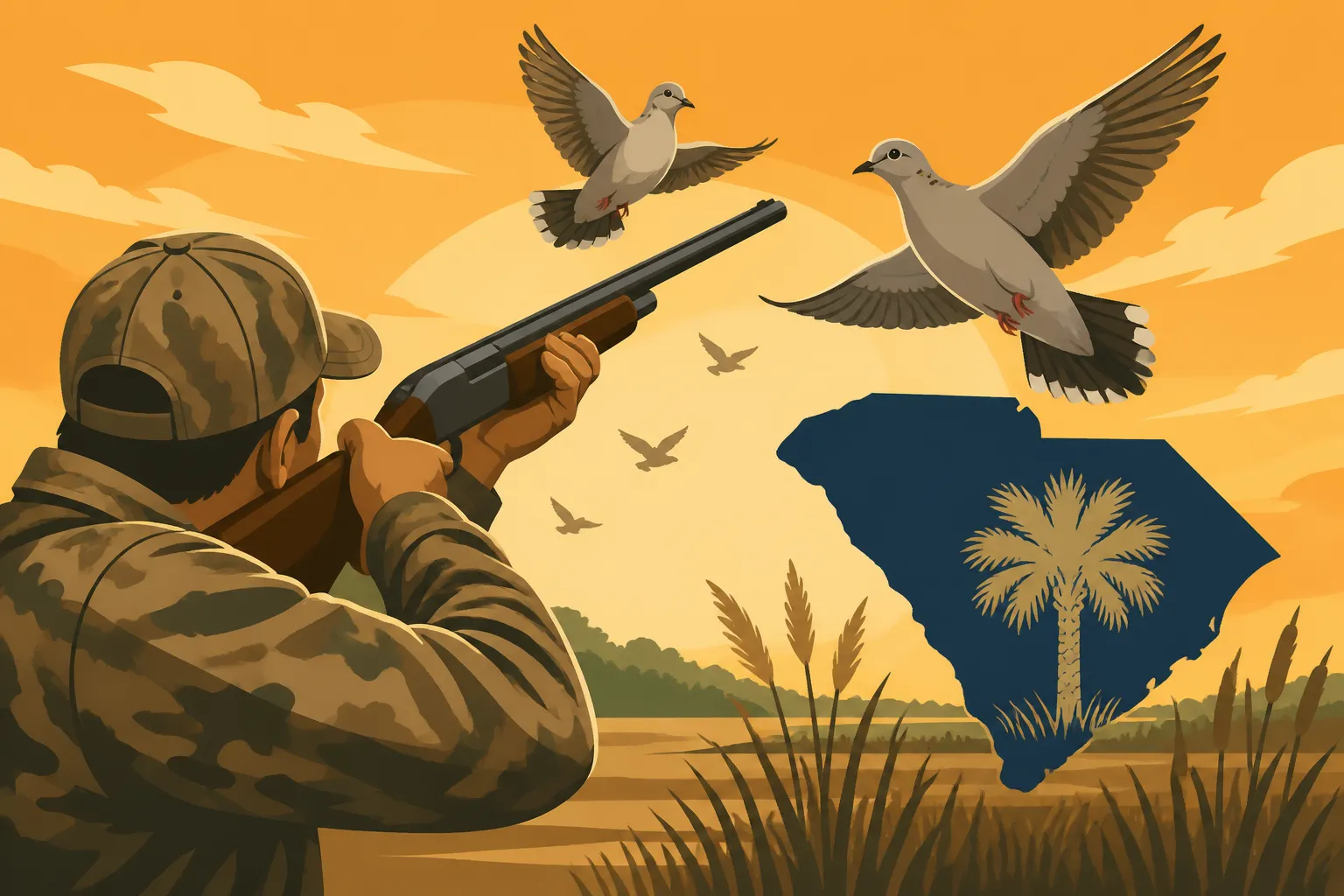
That explosive energy of South Carolina dove season opener is a memory now, and as October rolls around, many hunters feel like the best opportunities are behind them. You might be staring down a second split feeling a bit deflated, wondering if it's even worth the effort to hit the fields again. The birds are wilier, the weather can be a gamble, and those frantic, dove-filled skies of early September seem a distant dream. But don't pack away your shotgun just yet! This comprehensive guide will walk you through the nuances of hunting the second dove split in October, helping you understand the changing landscape, locate elusive birds, and adapt your tactics for late-season success.
Understanding the Second Split Dynamics
The first dove split, often aligning with the Labor Day weekend, is usually characterized by eager birds, often local populations still grouped up, and a general air of excitement. By the time the second split opens, typically in early to mid-October, things have changed dramatically. These aren't the same birds, and the environment is vastly different, requiring a shift in mindset and strategy.
Why October is Different from the Opener
The most significant difference between the September opener and the October second split boils down to migratory patterns and hunting pressure. Those early birds, often locally raised, have either been harvested, moved on, or are now incredibly educated. They've been shot at, spooked, and learned to avoid obvious feeding and watering areas. Additionally, migratory doves from further north begin to filter into South Carolina, bringing fresh birds, but these travelers are often more wary from their journey and previous encounters. The weather plays a huge role too; while September can still feel like summer, October starts to usher in cooler temperatures, which influences bird behavior and available food sources. It’s a completely different ballgame, and assuming the same tactics will work is a recipe for frustration.
Typical October Weather and Its Impact
October in South Carolina is a beautiful month, but it can be notoriously unpredictable for hunting. You might start a morning with a crisp chill, needing a light jacket, only for the afternoon to heat up into the high 70s or even low 80s. This fluctuation directly impacts dove activity. On cooler days, birds might feed more aggressively to build reserves, and they might be more concentrated around water in the drier periods. Warmer days can mean slower mid-day flights. Furthermore, the foliage is usually more substantial than in early September, offering better natural cover for both the birds and the hunter. This thicker cover means birds might be harder to spot and will utilize it for escape, making pass-shooting more challenging if you're not positioned correctly. The key is to be prepared for anything, from a light drizzle to a warm, sunny afternoon, and understand how each condition influences where doves will be and how they'll behave.
The Role of Hunting Pressure
After the initial rush of " Dove Hunting South Carolina Opening Weekend ," many hunters hang up their dove guns, especially on public lands. This reduction in pressure can be a double-edged sword. On one hand, less human activity means birds might settle into more predictable patterns and use areas they previously avoided. On the other hand, the birds that have survived the first few weeks of the season are often the smartest and most evasive. They’ve learned to spot hunters, recognize decoys as threats, and adjust their flight paths accordingly. You'll likely see fewer massive flocks and more small groups or singles, often flying higher and faster, making for more challenging shots. This necessitates a more patient, strategic approach rather than expecting high-volume shooting.
Locating October Doves
Finding doves in October requires a different kind of detective work than the early season. Gone are the days of simply driving past a cut sunflower field and seeing hundreds of birds. Now, you need to understand their shifting priorities, especially regarding food, water, and security.
Shifting Food Sources
By October, many of the prime agricultural fields from the first split—like sunflowers, millet, and wheat—have been heavily picked over or are no longer as attractive. Doves will start to focus on natural food sources and waste grain from other harvests. Look for fields of mature corn that have been harvested, as the waste kernels provide excellent forage. Similarly, cut soybean fields, while not traditionally thought of as dove magnets, can hold a surprising number of birds feeding on fallen beans, especially if combined with nearby gravel for grit. Natural food sources also become critical. Dove weed (Croton capitatus), pokeberries, and various grass seeds are all highly attractive to doves, particularly in fallow fields, along field edges, or in clearings. Scouting for these lesser-known, natural buffets can lead to untapped honey holes. A great way to identify these areas is to use a mapping tool, like the one offered by GoHunt, to scan aerial photos for different field types and natural edges.
Critical Watering Holes
As the South Carolina landscape can dry out through late summer and early fall, readily available water sources become incredibly important for doves. While they might have found water just about anywhere in September, by October, they'll concentrate around specific, dependable spots. Look for shallow, muddy edges of ponds, creeks, or even drainage ditches where they can land and drink without fear of predators. Doves prefer open access to water, so dense vegetation right up to the edge will be less appealing. Pay close attention to cattle ponds or any low-lying areas that collect water, especially if they have some exposed mudflats. Observing flight patterns in the early morning or late afternoon can often reveal these vital watering points. These locations are perfect for a classic " Pass-Shooting Doves Over a Water Hole " tactic.
Roosting and Loafing Areas
Doves don't just feed and drink; they also need places to rest, digest, and escape from predators. These are called loafing areas. They also need safe roosting sites for the night. In October, with more foliage, birds might use denser stands of pines, hardwoods, or even thick fencerows as loafing cover, especially during the warmer midday hours. Pay attention to areas adjacent to prime feeding fields or watering holes, as doves often stage in nearby trees before flying to feed or drink. Their roosting habits tend to be in taller, denser trees, providing safety in numbers. Identifying these spots can give you a strategic advantage, allowing you to intercept birds as they move between roosts, feed, and water. A quiet scout during the middle of the day, carefully observing flight paths, can reveal these crucial travel corridors and holding patterns.
October Dove Hunting Tactics
Hunting doves in October requires a more refined approach. You're not just setting up and waiting for a deluge of birds; you're actively trying to outsmart educated, wary individuals.
Decoy Strategies for Wary Birds
Gone are the days when a handful of static decoys in a cut field were enough. For the second split, you need to step up your decoy game. Movement is key. Using Mojo decoys or other spinning-wing models becomes almost essential to grab the attention of high-flying, hesitant doves. Place these movement decoys strategically at the edges of your spread, mimicking birds coming in for a landing. Combine them with static decoys arranged realistically, as if they are feeding or resting. Don't overdo it; a smaller, well-placed, and realistic spread with plenty of motion can be far more effective than a massive, static spread. Position your decoys where birds will see them against a natural background, and try to make them visible from multiple flight directions. Consider placing them near any natural cover or subtle terrain changes that birds might use as an approach.
Superior Concealment and Blinds
In September, you might get away with sitting on a bucket in the open, but in October, doves are far more "eye-shy." Excellent concealment is paramount. The increased foliage helps, but you need to blend in seamlessly. Natural blinds made from cut branches, palmetto fronds, or cane are often more effective than artificial pop-up blinds because they look more natural and don't introduce foreign shapes into the landscape. If you do use a pop-up blind, make sure it's brushed in thoroughly with local vegetation so it breaks up its outline. Pay attention to your background; don't sit directly against a sky background, which will silhouette you. Instead, position yourself against a dark tree line or thick cover. Minimize movement in the blind, especially when birds are approaching. Remember, doves have exceptional eyesight, and any unusual shape or movement will send them flaring. A good way to prepare is to consider advice for " Using a Ground Blind on South Carolina Public Land " and apply those principles rigorously.
Shotgun and Ammo Considerations
While the core principles of " Shotguns for South Carolina Dove and Quail " remain the same, late-season doves often require a slight adjustment. A 12-gauge or 20-gauge shotgun remains the most popular choice, offering a good balance of payload and maneuverability. For chokes, you might lean towards a modified or even improved modified in October. Why? Because birds are often flying higher and faster, requiring a tighter pattern to ensure clean kills at longer ranges. As for ammunition, stick with your preferred " Shot Size for Quail and Dove ," typically 7 ½ or 8 shot. However, you might opt for slightly heavier loads with more consistent patterns. The goal isn't necessarily more pellets, but a more uniform pattern at extended distances. Always pattern your shotgun with your chosen choke and ammo before the season to understand its capabilities.
Gear and Preparation for the Second Split
Success in the second split isn't just about tactics; it's also about being properly equipped and putting in the legwork before you even step into the field.
Clothing for Variable October Weather
Layering is your best friend when hunting in South Carolina in October. You'll often start the morning in temperatures that require a light jacket or fleece, but by midday, you might be down to a long-sleeve shirt. Choose moisture-wicking base layers to manage sweat, an insulating mid-layer for warmth, and a quiet, breathable outer layer in appropriate camouflage. Lightweight gloves can keep your hands warm in the morning chill but are easily removed as it heats up. Don't forget a hat for sun protection and to help break up your silhouette. Remember that sudden thunderstorms can still pop up, so a lightweight, packable rain jacket isn't a bad idea, especially if you plan on an all-day sit. This multi-layered approach helps you adapt to the day's conditions, keeping you comfortable and focused, much like a " Warm-Weather Sitting Strategy in South Carolina " would advise.
Essential Field Gear
Beyond your shotgun and ammo, there are a few items that are non-negotiable for an October dove hunt. A comfortable, portable seat or " Dove Stools and Field Gear " is essential, as you might be sitting for longer periods. A small backpack or dove vest will hold your shells, water, snacks, and any harvested birds. Hydration is crucial, even if the temperatures are cooler than September, so bring plenty of water. A good pair of binoculars can help you spot distant birds, observe their flight paths, and identify key feeding or watering areas from a distance without disturbing them. Don't forget bug spray, as mosquitoes and gnats can still be active, especially in shaded, damp areas. A cooler with ice will be vital for keeping your birds fresh, especially if you're hunting on a warmer day.
Scouting for Success
October dove hunting is far more about scouting than hoping. Before the season, or even the day before you plan to hunt, dedicate time to observing fields, water sources, and roosting areas. Drive slowly around agricultural areas, looking for birds flying in and out, or feeding on the ground. Pay attention to utility lines where birds might be perched. Walk field edges, looking for droppings, feathers, and any signs of recent activity. Utilize mapping apps like GoHunt to analyze different fields, tree lines, and water bodies on potential hunting properties. Look for areas with a mix of food, water, and cover—these are the prime locations. Don't be afraid to try different spots. What worked in September probably won't be a hot spot in October, so be proactive in finding where the birds are now. This diligent scouting is akin to " Reading Aerial Photos for Upstate Deer ," but applied to the smaller, faster dove.
| Feature | First Dove Split (Early Sept) | Second Dove Split (Oct) |
|---|---|---|
| Bird Behavior | Eager, less pressured, often local flocks | Warier, educated, often migratory birds, smaller groups |
| Primary Food | Sunflowers, millet, cut wheat, readily available | Waste grain (corn, beans), natural seeds (dove weed, pokeberry) |
| Water Needs | Abundant, less concentrated; widespread | Critical, concentrated around specific, reliable sources |
| Cover | Less dense foliage, easier to spot birds | Denser foliage, better concealment for birds (and hunters) |
| Weather | Typically hot, humid; summer-like | Variable, cooler mornings, warm afternoons; fall transitions |
| Hunting Pressure | High, especially opening weekend | Lower, birds more spread out and elusive |
| Tactics Focus | Volume shooting, large static decoy spreads | Precision shooting, movement decoys, superior concealment |
Maximizing Your October Dove Harvest
While the second split might not offer the same sheer numbers as opening day, it can still provide incredibly rewarding hunting experiences. It's often a more challenging, nuanced hunt, forcing you to become a better, more observant hunter.
Patient Observation and Strategic Shots
In October, you'll likely encounter fewer birds, but those you do see will offer more challenging shots. Instead of emptying your gun at every passing flock, practice patience. Let the birds commit to your decoy spread, or wait for them to fly within your effective range. Focus on one bird at a time, aiming for clean, ethical kills. Observe their flight patterns closely. Do they always approach from the same direction? Do they shy away from a particular part of your blind? Use this information to adjust your position or decoy spread for subsequent birds. This level of observation is crucial, as the birds you’re encountering are likely seasoned veterans. Think about how you would study the movements of bigger game; the same principles apply, just on a smaller, faster scale.
Adapting to Changing Conditions
October's fickle weather means you need to be flexible. If it's a particularly warm day, focus on areas near water or shady loafing cover. If a cold front rolls through, birds might be more aggressively feeding in sunny fields. Wind direction is always important; doves will typically fly into the wind when landing. Position yourself so approaching birds are flying into the wind, presenting a slower, more predictable target. Don't be afraid to move if a spot isn't producing. Sometimes, a change of just 50 yards can put you right in a flight path you weren't seeing before. This adaptability is key to success on the " Hunting Pressure on South Carolina Public Land " or private property.
Enjoying the Late-Season Experience
Beyond the harvest, the second dove split offers a unique experience. The oppressive heat of early September has usually broken, replaced by more pleasant, crisp air. The fall foliage, even in the Lowcountry, begins to show its colors, making for a beautiful backdrop. You'll likely encounter fewer crowds, providing a more peaceful and solitary hunting experience. It’s a chance to truly connect with the outdoors, hone your shooting skills, and appreciate the subtle art of dove hunting when the birds are at their wiliest. So, grab your gear, put in the scouting, and embrace the challenges and rewards that late-season doves in South Carolina offer.
Disclaimer
The information provided in this article is for general guidance and informational purposes only. Hunting regulations, seasons, and licensing requirements can change. Always consult the most current South Carolina Department of Natural Resources (SCDNR) regulations and local ordinances before engaging in any hunting activities. Adherence to all applicable laws is the hunter's responsibility.