South Carolina Deer Camp Traditions
There's a special kind of bond forged in the humid air of South Carolina's deer woods, particularly within the rustic walls or under the simple awnings of a deer camp. For many, the true heart of hunting isn't just the thrill of the chase, but the shared camaraderie, the stories told, and the traditions upheld when hunters gather. This guide will walk you through the rich tapestry of South Carolina deer camp traditions, exploring everything from the enduring rituals to the evolving customs that make these camps so much more than just a place to sleep.
The Heart of the Pines: What Defines a South Carolina Deer Camp
When you picture a "deer camp" in South Carolina, it's rarely a grand lodge with all the modern amenities. More often, it's a collection of tents, travel trailers, a rustic shack, or even just a well-worn truck parked under a canopy of pines. But regardless of its physical form, a South Carolina deer camp is a hub of anticipation, storytelling, and shared experiences that runs deeper than any structure. It’s where the hard work of scouting and hunting meets the comfort of fellowship, creating memories that last long after the last deer is tagged and the season closes.
Beyond the Hunt: The Social Fabric of Camp Life
A deer camp, whether it's for an opening weekend blitz in the Lowcountry or a late-season push in the Upstate, is fundamentally about community. It’s about more than just bagging a deer; it’s about reconnecting with friends and family, often spanning generations, who share a common passion. You’ll see grandfathers teaching grandsons how to properly Field Dressing a Deer in Warm Weather, mothers sharing family recipes for venison chili, and uncles recounting legendary hunts of years past. These interactions are the very essence of the tradition, solidifying bonds that sometimes only annual camp gatherings can truly nurture.
Imagine pulling into a camp after a long day, perhaps during Hunting the Rut in the Coastal Zones, feeling the weight of the humid air and the exhaustion from hours in a treestand. The sight of smoke curling from a fire pit, the smell of dinner cooking, and the sound of laughter and friendly banter instantly revitalizes you. It’s a place where the daily grind of life melts away, replaced by the simple, profound joy of shared purpose and genuine connection. Everyone has a role, from fetching firewood to brewing the coffee at an ungodly hour, and these shared responsibilities only strengthen the collective spirit.
The Importance of a Home Base, No Matter How Humble
Whether your deer camp is a permanent fixture on a private hunting lease or a pop-up arrangement on public land within the Francis Marion National Forest, having a designated "home base" is crucial. This is where plans are made, gear is organized, and weary hunters find respite. For many, setting up camp is an annual pilgrimage, often involving a bit of light construction or maintenance on existing structures. It's a place where traditions are visibly manifested – the same old coffee pot, the worn-out poker table, the antler shed proudly displayed over the doorway.
This home base acts as a central command for the hunt. It’s where you review your maps, check the latest weather forecasts, and strategize for the next morning's hunt. Modern hunters might use tools like GoHunt to mark prospective stand locations or review aerial photography of an area they’re targeting, using the camp as their tactical headquarters. It’s also where hunters return to compare notes, discuss deer movement, and perhaps vent frustrations about a missed shot or a buck that just wouldn't cooperate. The simplicity of these camps often belies their importance as the strategic and social anchor of the entire hunting experience.
Rituals, Roasts, and Raconteurs: Core Deer Camp Traditions
Every deer camp, no matter where it's located in the Palmetto State, develops its own unique blend of rituals and customs. These traditions often evolve organically over time, influenced by the personalities of the camp members, the local hunting culture, and even the type of game pursued. But some elements are universal, creating a sense of shared identity and belonging that transcends individual differences.
The Ever-Present Fire and Food Sharing
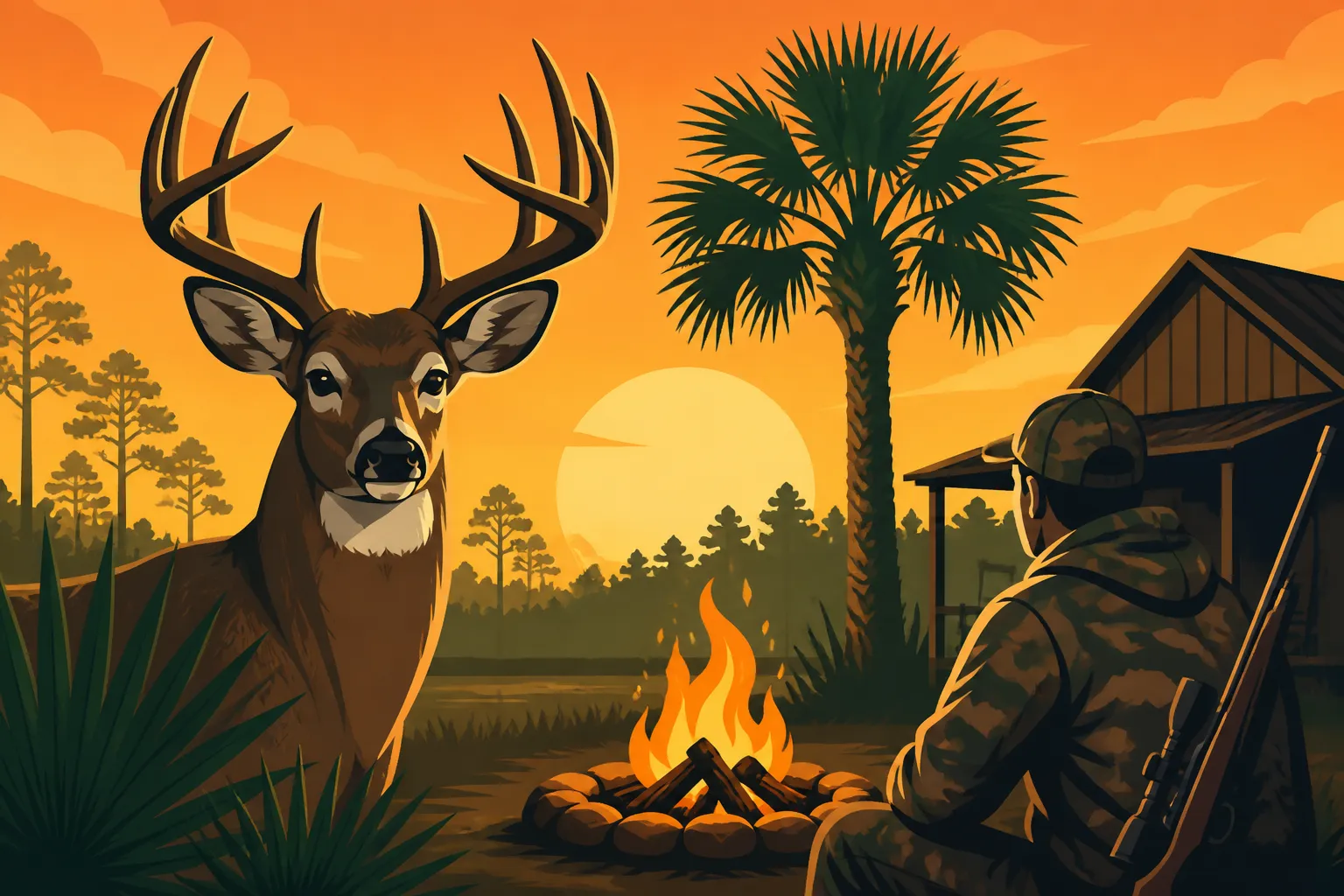
Perhaps the most quintessential South Carolina deer camp tradition is the gathering around a crackling fire, especially as the cool evening air begins to settle. This isn't just about warmth; it's the primitive hearth of the camp, where stories are amplified, friendships deepened, and plans whispered into the night. Around this fire, the culinary traditions of the camp truly shine. Whether it's a venison stew simmering for hours, a Lowcountry boil, or simply hot dogs roasted on sticks, food plays a central role. Everyone contributes, often bringing their signature dish or a favorite snack.
Think of those cool mornings before dawn, when the only light is from the campfire, and the aroma of coffee permeates the air. Hunters gather, quiet and focused, fueled by a hearty breakfast before heading out. Or the evenings, where a big meal is shared, celebrating the day's successes or commiserating over its challenges. Learning Butchering a Deer at Camp becomes a communal affair, with everyone pitching in, and the fresh venison often becomes the star of the next meal. These food-centric rituals are a cornerstone of camp life, reinforcing the idea that hunting is as much about sustenance and sharing as it is about sport.
The Unwritten Rules of the Hunt and the Camp
Every deer camp operates on a set of unspoken rules, a code of conduct that ensures harmony and respect among its members. These rules cover everything from who gets the prime stand location to how responsibilities like washing dishes or cleaning game are divvied up. For instance, in many camps, seniority or the number of deer harvested might dictate certain privileges, while in others, it's a strict rotation. Understanding the local customs and regulations, like those found in South Carolina Deer Season Structure Explained, is paramount, but respecting the camp's internal "constitution" is just as vital.
Beyond the logistical rules, there's often a strong emphasis on ethics and safety. Discussions about safe firearm handling, the importance of blaze orange, and proper shot placement are common. A new hunter, perhaps using an Apprentice Hunter License Rules, would quickly learn these rules through observation and gentle guidance from veterans. There's also the tradition of respect for the land and the animals, ensuring that every harvest is handled with care and purpose, and that nothing is wasted. These unwritten codes create an atmosphere of mutual respect and accountability, which are essential for any successful and enjoyable camp experience.
Celebrating Success and Sharing Hard Luck
When a deer is harvested, the celebration at camp is often a communal affair. It might involve a round of high-fives, a ceremonial "first blood" marking for a new hunter, or simply the quiet pride of a seasoned veteran. The act of bringing a deer back to camp, checking it in via Checking a South Carolina Deer Harvest Online, and processing the meat is a shared activity, offering opportunities for teaching, learning, and storytelling. These moments are often punctuated by detailed retellings of the hunt – the stalk, the shot, the retrieve – which grow in vividness with each retelling around the fire.
But deer camp isn't just about success. It's also a place to commiserate over the deer that got away, the missed shots, or the days spent seeing nothing but squirrels. There's a shared understanding that hunting involves both triumphs and tribulations, and the camp provides a safe space to share both. These moments of hard luck often lead to advice, encouragement, and sometimes, good-natured teasing, all contributing to the rich tapestry of camp life. It’s this blend of shared joy and understanding that makes deer camp so powerful, reinforcing the idea that the experience itself, not just the harvest, is what truly matters.
Modern Adaptations and Evolving Camp Culture
While the core spirit of South Carolina deer camp traditions remains timeless, the practicalities of hunting and camp life are constantly evolving. Modern technology, changing demographics, and increasing awareness of conservation all play a role in shaping how these camps operate today. Far from diminishing the experience, these adaptations often enhance it, allowing for more efficient hunting and a more comfortable camp.
Integrating Technology into Time-Honored Practices
Today's deer camps often blend old-school wisdom with cutting-edge technology. While old-timers might still swear by topo maps and a compass, many hunters now rely on GPS devices or smartphone apps like GoHunt for precise navigation, marking stand locations, and understanding property boundaries. Trail cameras send real-time photos to phones, allowing hunters to monitor deer movement even when they're not in the woods. These tools, when used thoughtfully, can greatly improve success rates and efficiency, giving hunters a better understanding of deer behavior in their area.
Discussions around the campfire might now include debates over the best Scent Control Gear for South Carolina Humidity or the latest thermal optics for hog hunting. Portable generators power everything from coffee makers to charging stations for phones and e-callers. Even though the essence of camp remains rustic, these technological additions are seamlessly woven into the fabric of the experience, helping hunters stay informed, connected, and ultimately, more effective.
Public Land Camps vs. Private Lease Gatherings
The type of land you hunt often dictates the nature of your deer camp. On private leases, hunters might invest in more permanent structures, elaborate food plots, and year-round maintenance, leading to a camp that feels more like a seasonal home. These camps often have a strong emphasis on quality deer management and long-term habitat improvement, which hunters might learn about from resources like South Carolina Hunting Lease Costs. The camaraderie here often extends beyond the hunting season, with work parties and social gatherings throughout the year.
Public land hunting, on the other hand, necessitates a more mobile and adaptable camp. Hunters setting up for a weekend within the Sumter National Forest or a specific Wildlife Management Area (WMA) often rely on tents, pop-up campers, or simply their vehicles. The focus shifts to efficient scouting, utilizing resources like Scouting South Carolina Public Land Before Season and understanding South Carolina WMA Permit Requirements. While less permanent, these camps still foster deep bonds, often emphasizing resourcefulness and resilience. The shared challenge of hunting pressured public land creates its own unique traditions and stories, perhaps even more so because of the transient nature of the camp. For those looking to set up a quick and effective base, exploring various Treestand Setups in Francis Marion National Forest becomes a popular camp discussion.
Establishing Your Own Deer Camp Culture
If you're looking to start your own deer camp or join an existing one, understanding and contributing to the camp's culture is key. Whether it’s a group of seasoned veterans or a fresh crop of new hunters, every camp has the potential to become a cherished annual tradition, a place where memories are made and skills are honed.
Finding the Right Spot and the Right People
The first step in establishing a deer camp is, of course, finding a place to hunt and a place to set up camp. This could be on private land, through a lease, or by identifying suitable public hunting areas. Once the location is secured, gathering the right group of people is paramount. Look for individuals who share your passion for hunting, but also for camaraderie, respect, and a willingness to contribute. A successful deer camp thrives on mutual respect and shared responsibility, not just individual hunting prowess.
Consider whether you prefer a more laid-back atmosphere or a highly structured one. Some camps are primarily about intense hunting, while others prioritize the social aspect. Discuss expectations regarding game management, camp rules, and shared expenses upfront. Understanding what makes a particular area accessible and productive, along with ensuring everyone has the necessary South Carolina Hunting Licenses and What They Cost, will contribute to a smooth and enjoyable experience for all.
Laying Down Your Own Camp's Rules and Rhythms
Once you have a location and a group, it’s beneficial to establish some foundational rules and rhythms for your camp. This doesn't mean a rigid bureaucracy, but rather a flexible framework that ensures everyone knows what's expected. Decide on meal rotations, chore assignments, and safety protocols. Agree on morning wake-up times and evening curfews, especially if some members want to stay up late telling stories while others need their sleep for an early hunt.
Encourage sharing of knowledge and skills, especially with new or younger hunters. Foster an environment where hunters feel comfortable asking questions, learning from mistakes, and celebrating each other's successes. Maybe your camp's tradition becomes the pre-dawn coffee ritual, or the post-hunt poker game, or a specific type of wild game cookout. Even developing a Warm-Weather Sitting Strategy in South Carolina or a method for retrieving game from challenging terrain can become a defining camp tradition. Over time, these shared experiences and common practices will solidify into the unique culture of your very own South Carolina deer camp, creating a legacy that can be passed down for generations.
Disclaimer
The information provided in this guide is for general informational purposes only and does not constitute legal advice. Hunting regulations, license requirements, and WMA rules in South Carolina can change. Always consult the official South Carolina Department of Natural Resources (SCDNR) regulations and guidelines before planning any hunting trip. It is your responsibility to know and follow all applicable laws.