Recovering a Deer From a Lowcountry Swamp
There’s almost nothing more disheartening than making what felt like a perfect shot on a South Carolina whitetail, only to watch it crash into a seemingly impenetrable lowcountry swamp. The dread of losing your hard-earned harvest to the murky waters and tangled undergrowth is a feeling all too familiar to hunters in our region. This guide is dedicated to helping you navigate the unique challenges of tracking and recovering a deer from these notoriously difficult swamp environments, ensuring your efforts don't go unrewarded.
Preparing for the Worst Before the Shot
The truth is, the successful recovery of a deer from a lowcountry swamp often starts long before you ever pull the trigger or release an arrow. It begins with meticulous planning, understanding your hunting area, and making wise decisions in the moments leading up to the shot. Thinking ahead can save you hours of frustration and heartache later.
Scouting and Stand Placement in Swamp Terrain
Effective scouting is paramount when you're hunting near or in swampy areas. You need to understand the lay of the land, not just where the deer are moving, but also where they might go after the shot. Use tools like topographical maps and satellite imagery to identify higher ground, natural funnels between swamps, and potential escape routes. Knowing these details will allow you to anticipate where a deer might expire and plan a recovery path.
When you're looking for that perfect spot, consider areas that offer some form of access. A deer driven into a thick, boggy bottom can be nearly impossible to extract, even if you find it. Look for edges where the swamp meets more solid ground, or a rise of land within the swamp itself that might provide a natural bedding area or a deer crossing. If you're Hunting Lowcountry Swamp Deer, positioning your stand on a slight elevation or along a travel corridor that parallels a drier path can be a game-changer. Consider the wind and thermals carefully; in a swamp, these can be tricky, often swirling as they interact with the dense canopy and humid air. Being able to use a platform like GoHunt to mark potential recovery points, high ground, and even treacherous areas you want to avoid, can give you a crucial edge.
Shot Placement and the Waiting Game
In a lowcountry swamp, a marginal shot can quickly turn into a lost deer. This is why shot placement is more critical here than almost anywhere else. Aim for an ethical shot, specifically focusing on the vitals—the heart and lungs. A double-lung shot will typically result in a shorter track and more blood, increasing your chances exponentially. Avoid shoulder or gut shots if at all possible, as these can lead to long, sparse blood trails, and a deer that travels a considerable distance into the most unforgiving terrain.
Even after what feels like a perfect shot, resist the urge to immediately jump out of your stand. Patience is your best friend. A deer that is left undisturbed after the shot is far more likely to bed down and expire quickly than one that is pushed. For a heart or lung shot, waiting 30-60 minutes is usually sufficient. For a suspected liver or gut shot, extend that waiting period to 4-6 hours, or even overnight if conditions allow. In warm South Carolina weather, however, you must balance patience with the risk of meat spoilage. This is where your judgment comes into play. If you're tracking in warm conditions, you might need to adjust your Warm-Weather Sitting Strategy in South Carolina and your wait time to prevent spoilage, but never sacrifice a proper wait if you suspect a gut shot.
Essential Swamp Recovery Gear
You absolutely cannot go into a lowcountry swamp unprepared. The right gear can make the difference between a successful recovery and a dangerous, frustrating ordeal. Before you even head out to hunt, assemble a dedicated recovery kit.
Your footwear is non-negotiable. Quality Snake Boots for South Carolina Swamp Ground are a must to protect against venomous snakes common in these environments, like cottonmouths. Equally important are sturdy rubber boots or waders, as you're almost guaranteed to be slogging through water and mud. A powerful headlamp or two with fresh batteries is essential, even if you plan to recover during daylight hours, as swamps can become incredibly dark under the dense canopy. Bring plenty of brightly colored flagging tape to mark the trail. A sharp knife, game bags, and a good first aid kit are also critical. Don't forget ample water for yourself and, if you're taking one, your canine companion.
Here’s a quick overview of essential gear:
| Item | Purpose | Considerations for Swamp Recovery |
|---|---|---|
| Snake Boots/Waders | Protection, dry feet | Crucial for snake bites, deep mud, and water crossings. |
| Headlamp (x2) | Illumination, hands-free work | Powerful beam, fresh batteries. Swamps get dark fast. |
| Flagging Tape | Marking blood trail and direction | Bright colors for visibility, waterproof, biodegradable options. |
| Recovery Rope/Drag | Aid in moving deer | Durable, long enough for deep mud, comfortable handles. |
| Game Bags | Protecting meat, cooling | Breathable, sturdy, essential for warm weather to prevent spoilage. |
| Knife (Sharp) | Field dressing, clearing brush | Fixed blade preferred, easy to clean, always sharp. |
| First Aid Kit | Treating injuries, snake bite kit | Comprehensive, waterproof, includes essentials for cuts, scrapes, and emergencies. |
| Water/Snacks | Hydration, energy | More than you think you'll need; recovery is physically demanding. |
| GPS/Mapping App | Navigation, marking points | GoHunt or similar app for marking last blood, kill site, and route. |
| Insect Repellent | Protection from mosquitoes, ticks | Strong, long-lasting, especially in humid swamp environments. |
Tracking Through the Lowcountry Maze
Once the shot is made and the waiting period observed, the real challenge begins: tracking. Lowcountry swamps present a unique set of obstacles that can test even the most experienced hunter's resolve. You'll need keen observation skills, patience, and often, a willingness to get wet and dirty.
Reading Sign in Waterlogged Terrain
Blood trails in a typical South Carolina pine forest can be tough enough, but in a swamp, they can vanish almost instantly. Water dilutes blood, thick mud obscures tracks, and dense vegetation hides almost everything. You'll need to look for every possible clue. Don't just focus on blood; look for disturbed leaves, broken branches, overturned moss, and fresh tracks in soft mud. In water, look for bubbles or oily sheens on the surface. If the deer was wounded in the body cavity, you might even find stomach contents or bone fragments.
When you find a sign, mark it immediately with flagging tape and scan ahead for the next sign. This helps you maintain direction, especially when the trail becomes faint. If you lose the trail, return to your last marked spot and begin searching in a grid pattern. Expand your search outward in ever-widening circles, moving slowly and methodically. This isn't a race; it's a meticulous investigation. A good mapping app, like the one offered by GoHunt, can be invaluable here. Use it to drop pins at your last blood, the suspected hit site, and any major turns in the trail. This allows you to visualize your progress and helps prevent getting disoriented in dense cover. For more general tracking tips, consider reading about Tracking a Deer Through South Carolina Pine Straw, as many principles remain the same even with different ground conditions.
Dealing with Difficult Blood Trails
It's inevitable that you'll encounter a difficult or vanishing blood trail in a swamp. When this happens, it's crucial not to panic and not to push too hard, especially if you suspect a gut shot. If the trail is sparse, slow down even more. Get down on your hands and knees if necessary to find specks of blood or tiny disturbances. Pay attention to the color and consistency of the blood; bright red and frothy often indicates a lung hit, while dark, thick blood can point to a liver or muscle hit. Greenish material or stomach contents indicates a gut shot, which means a very long wait and a much tougher recovery.
If the trail disappears completely, return to your last confirmed sign and start "quartering" the area. This involves walking in a zigzag pattern, slowly expanding your search in the direction the deer was heading. Sometimes, a deer will circle back on itself or make a sharp turn to thicker cover. Look for high ground or dense thickets where a wounded deer might seek refuge. If you've been tracking for hours and daylight is fading, you might need to consider a night recovery. This presents its own challenges, but for some tips, check out Blood Trailing After Dark in South Carolina. Remember, exhaustion and frustration can cloud your judgment, so take breaks and stay hydrated.
Enlisting Help and K9 Trackers
There comes a point when pride needs to take a backseat to practicality. If you're struggling, don't hesitate to call for help. A fresh set of eyes, particularly someone who hasn't been mentally fatigued by hours of tracking, can often spot something you missed. If you're hunting public land, it's courteous to let others know you're tracking a wounded animal. If you're Deer Drives With Three or Four Hunters, your hunting partners can be invaluable in a grid search.
Even better, consider enlisting the help of a trained tracking dog. South Carolina has several excellent blood-trailing dog services that specialize in recovering wounded game, even in the most challenging terrain. These dogs are truly remarkable, capable of finding deer that human trackers would never locate, especially in waterlogged, scent-confused environments. They can pick up on minute scent trails that we simply can't perceive. While there's a cost involved, the satisfaction of recovering a deer you thought was lost, and ensuring the animal doesn't go to waste, is well worth it. Using a resource like GoHunt might even help you locate such services in your area.
The Difficult Art of Extracting Your Harvest
Finding your deer in a lowcountry swamp is a huge victory, but it's often only half the battle. Now comes the physically demanding and often dangerous task of getting your trophy out. This phase requires strength, cunning, and an unwavering commitment to safety.
Strategic Extraction Methods
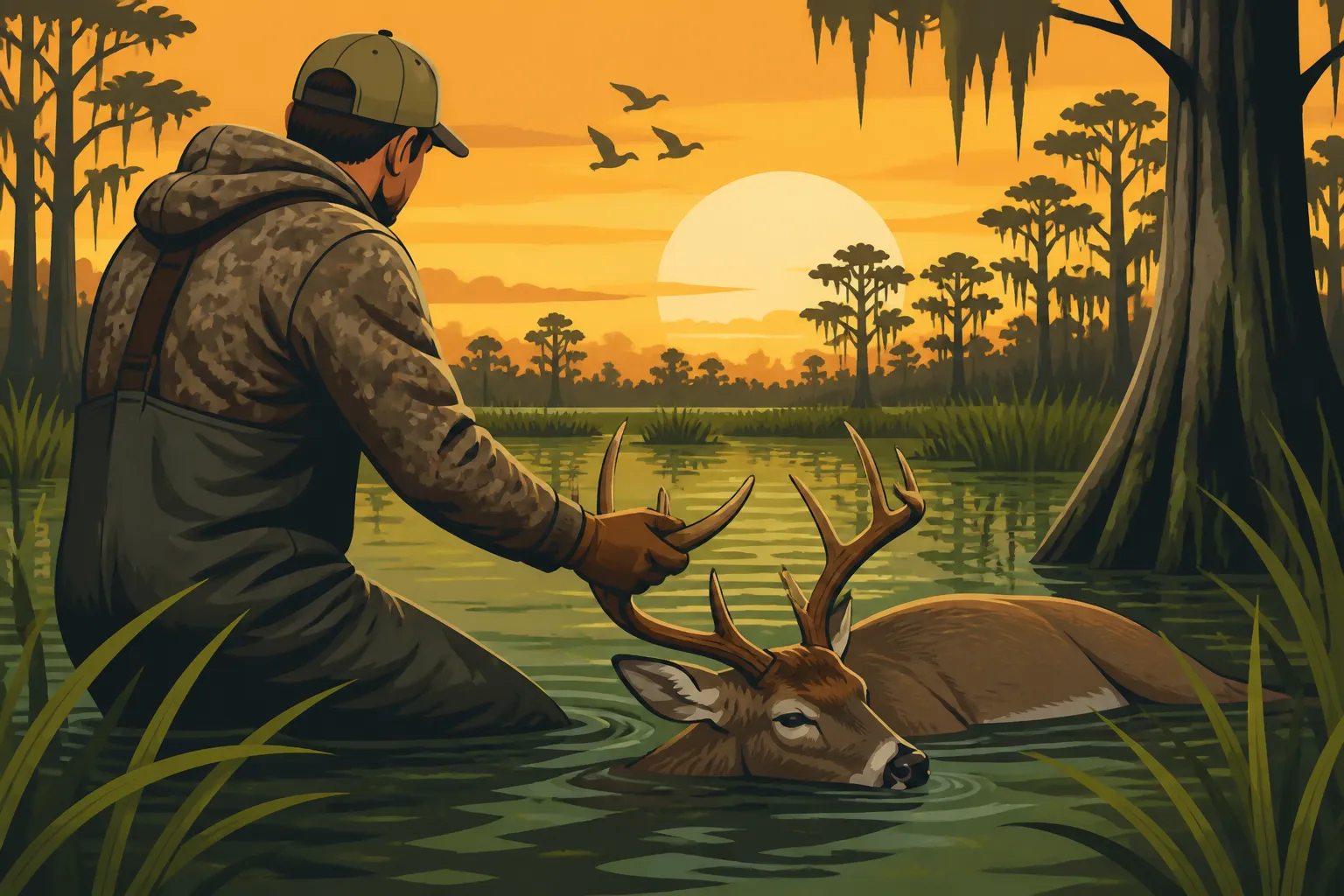
Once you've located your deer, assess the situation. Is it in deep water? Thick muck? Dense palmetto thickets? Traditional deer carts are almost useless in these conditions. Your primary tools will be ropes, strong backs, and ingenuity. If the deer is in relatively shallow water, you might be able to drag it to a slightly drier spot. If it's in a bog, you'll need to carefully maneuver it onto firmer ground, even if that means cutting a path through heavy brush.
In particularly dense or difficult terrain, quartering the deer in the field might be your only option. This involves skinning and butchering the animal where it lies, carrying out the meat in game bags. While it's more work upfront, it can drastically reduce the weight and bulk you need to transport. This is especially true if you're deep in the swamp and faced with water crossings or incredibly thick cover. Always remember to pack out all parts of the animal, as per ethical hunting guidelines. If you’ve managed to get the deer out and need to report it, remember your South Carolina Deer Reporting Requirements which are mandatory for all harvested deer. For more specific advice on this grueling task, a deeper dive into Dragging a Deer Out of a Swamp might be beneficial.
Safety First in Dangerous Terrain
Lowcountry swamps are not just inconvenient; they can be genuinely dangerous. Beyond the venomous snakes that your snake boots protect you from, you need to be constantly aware of other hazards. Alligators are a real concern, especially in larger bodies of water or tidal creeks. Always be alert and use caution when crossing water or retrieving a deer from it. Deep mud can trap you, leading to exhaustion or even injury. Uneven ground, submerged logs, and roots can cause falls.
Carry a fully stocked first aid kit and let someone know your general hunting and tracking plans. Never go into a deep, unfamiliar swamp alone for a recovery, especially if you anticipate it being a prolonged effort. Stay hydrated, take breaks, and listen to your body. Exhaustion can lead to mistakes and accidents. Even a simple fall into deep water with heavy gear can turn serious quickly. Always prioritize your safety over the deer. A mapping application can help you pinpoint your location if you need to call for emergency assistance, and having marked your intended route on GoHunt earlier will help rescuers find you.
Immediate Field Care Post-Recovery
Once you've successfully extracted your deer, the clock is ticking, especially in South Carolina's warm climate. Field dressing should be done as quickly and efficiently as possible to begin the cooling process. Remove the entrails, and if possible, wipe out the cavity. If you have access to ice, pack it into the chest cavity to accelerate cooling.
Game bags are invaluable here. They protect the meat from flies and dirt while allowing air to circulate, aiding in cooling. Get the deer to a cooler place or a processing facility as soon as you can. If you're far from home, having Coolers and Game Bags for a South Carolina August ready in your vehicle is essential. Neglecting proper field care in warm weather can lead to spoiled meat, rendering all your hard work pointless. For a complete guide on how to handle your harvest after the shot, refer to Field Dressing a Deer in Warm Weather.
Disclaimer
Hunting and wildlife recovery involve inherent risks. The information provided in this guide is for informational purposes only and should not replace proper training, local regulations, or professional advice. Always prioritize safety, ethical hunting practices, and adherence to all South Carolina Department of Natural Resources (SCDNR) rules and regulations.