Game Bags for Warm September Days
Hunting in South Carolina during September often means battling more than just wily whitetails; you're also fighting against Mother Nature herself with high temperatures and humidity threatening your hard-earned venison. Ensuring your meat stays fresh from the moment of harvest until it's safely in the cooler is a critical concern for any hunter, and this guide will walk you through how game bags become your best ally on those warm early-season days.
The Unique Challenges of September Deer Hunting in South Carolina
Let's be honest, hunting in September down here isn't like those crisp, cool hunts you see on TV in the Midwest. South Carolina's early deer season, especially in the coastal zones that open in mid-August, throws a whole different set of environmental challenges at hunters. The air can still be thick with humidity, and daytime temperatures often hover in the high 80s or even low 90s, even into early fall. These conditions are brutal on both hunters and harvested game.
Heat and Humidity: The Silent Enemy of Venison
The biggest adversary for your deer meat in September is unequivocally heat. As soon as an animal is harvested, its internal temperature begins to drop, but in warm ambient air, this process is painfully slow. Meat starts to spoil rapidly when it stays above a certain temperature for too long. The high humidity in South Carolina exacerbates this problem by limiting evaporative cooling, which is usually one of nature's ways to help meat shed heat. This creates a perfect breeding ground for bacteria, turning what should be a delicious meal into a disappointing loss. Imagine finally getting that buck down after a long Warm-Weather Sitting Strategy in South Carolina only to realize the meat is already compromised because you couldn't cool it fast enough. It's a gut-wrenching experience that many of us have faced.
Insects and Contaminants: Unwanted Guests
Beyond bacterial growth, those warm September days are also prime time for insects. Flies, gnats, and other unwelcome critters quickly descend upon a freshly harvested animal. These insects not only make the field dressing process more unpleasant, but they can also lay eggs that hatch into maggots, further contaminating the meat and making it unappetious, if not outright unsafe. Furthermore, the sheer act of dragging or handling a deer in the field inevitably exposes the meat to dirt, leaves, pine straw, and other debris. Without proper protection, this external contamination can stick to the exposed muscle, requiring more trimming and potential waste later on.
The Race Against Time After the Shot
In cooler weather, you might have a few hours to track a deer, field dress it, and get it back to camp. In a warm South Carolina September, that timeline shrinks dramatically. Every minute counts. The longer the carcass sits without being cooled, the greater the risk of spoilage. This pressure can add significant stress to an already exciting, yet demanding, experience. Hunters often find themselves rushing the field dressing process or making hasty decisions about transport, which can sometimes lead to mistakes or further damage to the meat. That's why having a plan and the right gear, like quality game bags, is so crucial for success in these conditions.
The Essential Role of Game Bags in Warm Weather Meat Care
When you're dealing with the intense heat and humidity of South Carolina's early deer season, game bags aren't just an accessory; they're a non-negotiable part of responsible meat care. They act as a critical barrier and aid in cooling, helping to preserve your venison when the odds are stacked against you. Many seasoned hunters, especially those familiar with the challenges of Southern hunting, wouldn't think of heading into the woods in September without them.
Protecting Against Insects and Debris
The most immediate and obvious benefit of game bags is their ability to shield your meat from flies, dirt, and other contaminants. As soon as you begin the Field Dressing a Deer in Warm Weather process, the exposed meat becomes a magnet for insects. A good game bag provides a physical barrier, preventing flies from landing on the meat and laying eggs. This simple act alone can save you hours of meticulous trimming later and prevent the stomach-churning discovery of maggots. Beyond bugs, game bags keep your quarters clean. Whether you're dragging the animal out on a Deer Carts for Coastal Plain Ground or carrying quarters in a pack, the bags prevent dirt, leaves, and pine needles from sticking to the meat, reducing waste and making the butchering process much more hygienic back at camp.
Facilitating Air Circulation and Cooling
Unlike plastic bags or tarps, which trap heat and moisture, high-quality game bags are designed to be breathable. This breathability is absolutely vital in warm weather. Once the animal is field dressed and quartered, and the individual pieces are placed into game bags, the air can circulate freely around the meat. This airflow allows for evaporative cooling, which helps the meat shed heat more efficiently. Hanging bagged quarters in a shaded, airy spot, even if the ambient temperature is warm, will start the cooling process much faster than leaving them unprotected or wrapped in non-breathable materials. This active cooling is the first crucial step in preventing spoilage before you can get the meat into a proper cooler.
Enhancing Hygiene and Ease of Transport
Game bags make the entire handling and transport process significantly cleaner and easier. Instead of handling bloody, messy quarters directly, the bags provide a clean exterior. This is particularly beneficial when you're packing meat out on your back, as it keeps your pack and clothing from becoming excessively soiled. When you finally get to your vehicle, bagged quarters are much easier to load and unload without making a huge mess. Plus, for those longer hauls back home, keeping the meat clean and protected in bags inside your Coolers for a Warm August Kill helps maintain its quality and extends its freshness. Think of it as an extra layer of peace of mind, knowing you’ve done everything you can to protect your hard-earned protein.
Types of Game Bags and What to Look For
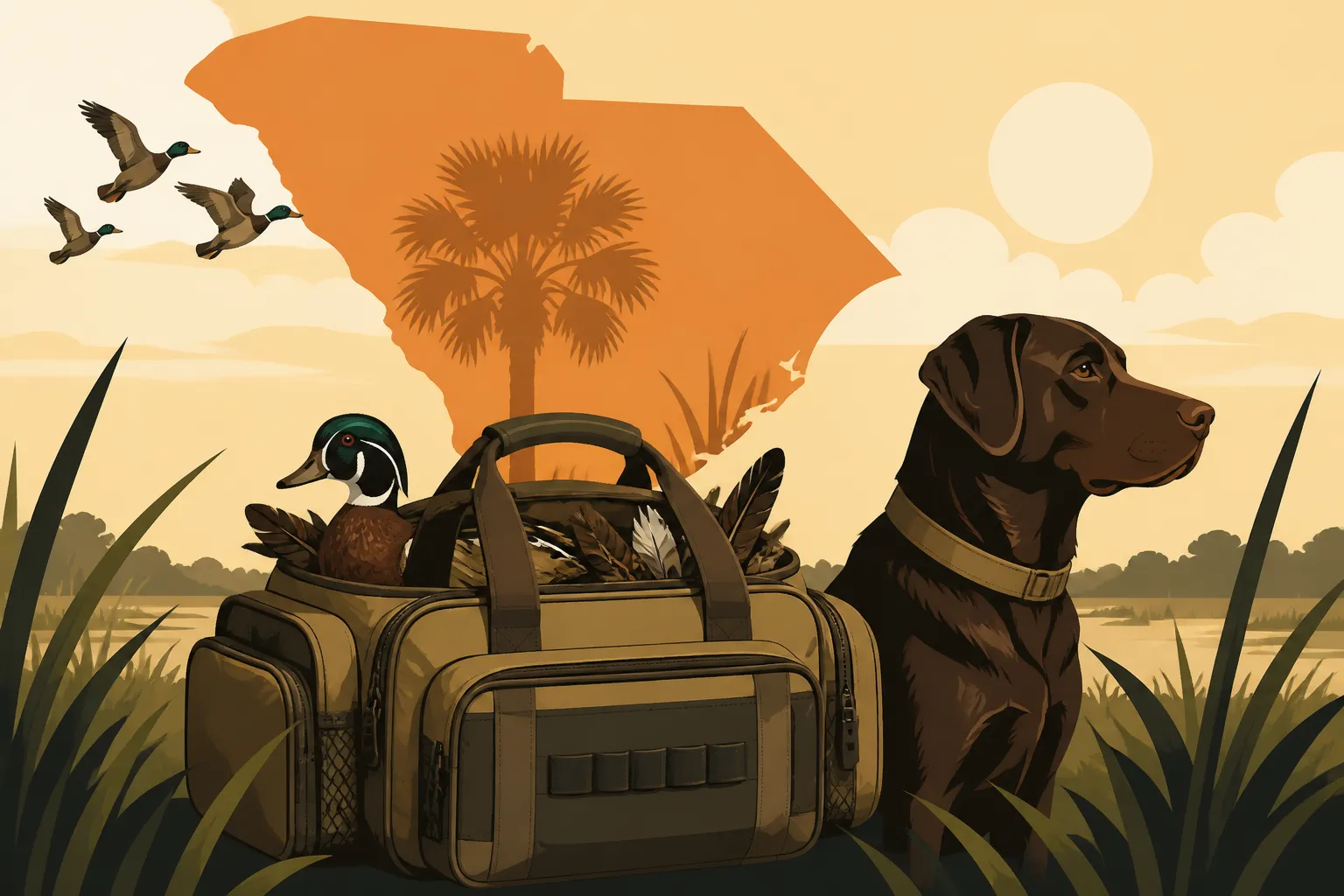
Choosing the right game bags for your South Carolina hunt involves understanding the different materials and features available. Just like you wouldn't use a dove load for a turkey, you wouldn't pick just any bag for a warm-weather deer. What works for a late-season elk hunt in Montana might not be ideal for a September whitetail in the humid Lowcountry. Brands like GoHunt often carry a variety of options specifically designed for these different scenarios, so it's worth exploring their range.
Material Matters: Cotton, Synthetic, and Blends
The material of your game bag is perhaps the most important consideration.
- Cotton Bags: Traditional cotton game bags are often biodegradable and very affordable. They breathe well and are usually washable and reusable. However, cotton can absorb moisture, which can be a double-edged sword in high humidity. While they allow air circulation, if the bag itself gets saturated with blood or water, it can actually hinder cooling and promote bacterial growth. They can also be a bit heavier when wet and more prone to tearing if snagged on brush.
- Synthetic Mesh Bags: Many modern game bags are made from synthetic materials like nylon or specialized blends. These often feature a finer mesh that provides excellent breathability while still being durable and resistant to tears. They don't absorb moisture like cotton, making them ideal for humid environments. Many synthetic bags are also designed to be lightweight, compact, and easy to clean, often machine washable, offering great reusability. Some advanced synthetic options, like those you might find on GoHunt, are treated with antimicrobial properties to further inhibit bacterial growth, an excellent feature for warm conditions.
- Specialized Blends: Some companies offer bags made from proprietary blends that combine the best aspects of different materials, focusing on maximizing strength, breathability, and moisture-wicking properties. These are often the most effective for challenging conditions but might come at a higher price point. They are typically engineered to be incredibly tough yet extremely lightweight, perfect for those long pack-outs from deep in the woods.
Size and Quantity: Quarter Bags Versus Full Carcass Bags
The size and number of game bags you need depend largely on how you plan to field dress and transport your deer.
- Quarter Bags: For most warm-weather deer hunting in South Carolina, quarter bags are the way to go. You'll typically need four bags for the four main quarters (front and hind legs), plus a smaller fifth bag for the backstraps and tenderloins. Quartering a deer in the field dramatically speeds up the cooling process because you're breaking down the large, heat-retaining mass of the carcass into smaller, more manageable pieces. This also makes the meat much easier to carry out, especially if you're hunting public land far from vehicle access. If you're using a game cart or packing out on your back, individual quarters are much more feasible than trying to move an entire deer.
- Full Carcass Bags: These are large bags designed to encase an entire field-dressed deer. While they offer protection from insects and dirt, they are less effective for cooling in warm weather because the carcass remains a large, insulated mass. They are generally better suited for cooler climates where rapid cooling isn't as critical, or for situations where you can get the whole animal into a walk-in cooler very quickly. For South Carolina's September heat, it's almost always better to break the animal down into quarters. Even with a full carcass bag, you'd still want to get that animal into a cooler as fast as possible.
Key Features to Look For
Beyond material and size, keep an eye out for these features:
- Drawstrings or Closures: Make sure the bags have a reliable way to close tightly, preventing insects from sneaking in.
- Hanging Loops: These are incredibly useful for hanging quarters in a tree, allowing maximum airflow around the meat for cooling.
- Durability: Look for reinforced seams and strong fabric that won't tear easily, especially when loaded with heavy meat or dragged across rough terrain. A small tear can compromise the whole purpose of the bag.
- Washability/Reusability: Investing in bags that can be easily cleaned and reused is more economical in the long run. Many hunters prefer to have a dedicated set of bags that they can wash and store for the next season.
- Visibility: Some bags come in bright colors or have reflective strips, which can be helpful if you’re leaving quarters to hang overnight, though this is less common for quick, warm-weather pack-outs.
Best Practices for Using Game Bags on Warm South Carolina Hunts
Having the right game bags is only half the battle; knowing how to use them effectively in challenging conditions like a warm South Carolina September is what truly makes the difference. This isn't just about bagging meat; it's about a systematic approach to preserving your harvest. Adhering to these practices will maximize your chances of bringing home high-quality venison.
Rapid Field Dressing and Quartering
The absolute first step in warm weather is speed. As soon as you recover your deer, begin the field dressing process immediately. The goal is to remove the entrails as quickly as possible to allow the body cavity to begin cooling. For early season South Carolina hunts, it's often best to quarter the deer in the field, especially if you're far from your vehicle. This means removing the four legs and potentially the backstraps and tenderloins right there on site. This breaks the large, insulating mass of the deer into smaller, more manageable pieces that can cool down much faster. Learn how to do this efficiently and cleanly; it’s a game-changer for meat preservation. For instance, removing the hide immediately after quartering allows even more rapid cooling of the exposed meat.
Protecting Your Quarters Immediately
Once you have your quarters separated, place them into individual game bags without delay. Cinch the bags tightly to prevent any insects from getting in. If you've removed the hide, ensure the exposed meat is covered. Do not use plastic bags, garbage bags, or tarps directly on the meat as these will trap heat and moisture, promoting spoilage rather than preventing it. The breathability of the game bags is paramount. As you bag each quarter, wipe away any visible dirt or debris with a clean cloth or even some leaves if you're careful, minimizing contaminants before bagging.
Maximizing Airflow and Cooling
After bagging the quarters, the next critical step is to get them cooling. If you’re not immediately transporting them, hang the bagged quarters from a sturdy branch in the deepest shade you can find. The higher off the ground, the better, as it allows for maximum air circulation around the meat and helps keep it away from ground-dwelling scavengers. Ensure there's a good breeze if possible. The air flow through the breathable game bags will begin the crucial evaporative cooling process. Even if the ambient temperature is high, this method is far superior to letting quarters lie on the ground. If you're on public land, remember to abide by rules regarding leaving game overnight, though in warm weather, leaving it overnight is generally a bad idea unless you have a secure, refrigerated setup.
Proper Transport and Storage
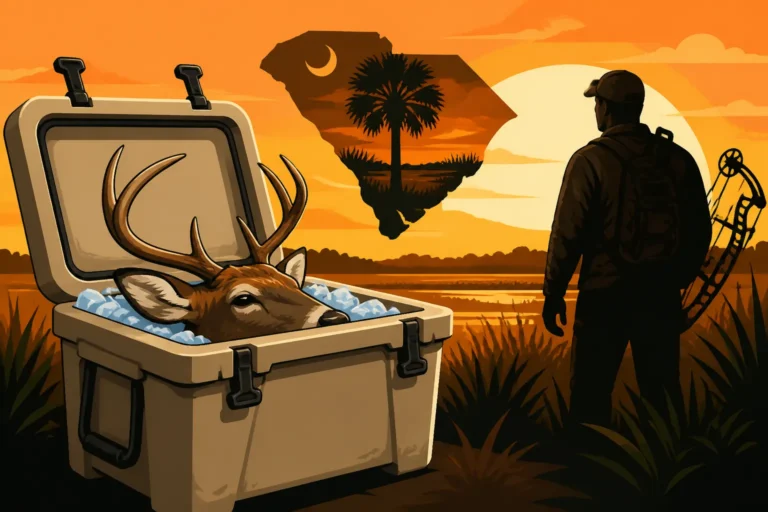
As soon as the quarters are bagged and have had a chance to start cooling, your next priority is to get them into a proper cooler with ice. Pack your coolers well in advance with plenty of ice, making sure to consider the volume of venison you’ll be handling. A mix of block ice and cubed ice works well – block ice lasts longer, while cubed ice can fill voids and make more contact with the meat. Place the bagged quarters directly on or between the ice. Keep the drain plug open on your cooler to allow meltwater to escape, as sitting in water can also promote spoilage. Some hunters will place a grate at the bottom of the cooler to keep meat out of the pooling water, further protecting it. Once in the cooler, the meat needs to be kept cold until it can be processed. Remember that good quality venison often benefits from a period of Aging Venison in Warm Weather in a controlled, refrigerated environment before you get to the Butchering a Deer at Camp stage. GoHunt often features articles on optimal cooler packing strategies for such conditions.
| Game Bag Material | Pros | Cons | Ideal Use Case |
|---|---|---|---|
| Cotton | Breathable, affordable, reusable | Absorbs moisture (blood/water), can tear, heavier when wet | Good for dry, cooler climates or short transport if well-managed |
| Synthetic Mesh | Highly breathable, durable, tear-resistant | Higher initial cost, not biodegradable (unless specified) | Excellent for warm, humid conditions; long pack-outs; heavy use |
| Treated Blends | Max durability, antimicrobial properties | Highest cost, specific care instructions | Premium choice for extended trips, extreme heat, or maximum hygiene control |
Remember to always check South Carolina Deer Reporting Requirements and make sure you understand how to process your deer after a successful hunt, including Checking a South Carolina Deer Harvest Online. Using game bags is a crucial step in a longer chain of events that ensures your efforts in the field translate into delicious, high-quality meat on your table.
Disclaimer
This article is for general informational purposes only and does not constitute professional advice. Laws, prices and regulations vary by location and change over time. Consult a qualified professional for guidance on your specific situation.