20 Gauge Doubles for Plantation Walks
There's nothing quite like the experience of walking a quail plantation in South Carolina, the crisp morning air, the anticipation building with every step of the bird dogs. But that romantic ideal can quickly fade if you're wrestling with a heavy, cumbersome shotgun all day long, leading to fatigue, missed shots, and a less enjoyable outing. This guide is all about why a 20 gauge double barrel shotgun is often the perfect companion for those long, rewarding walks, offering a blend of tradition, balance, and quick handling that can elevate your experience from good to absolutely unforgettable.
The Enduring Charm of the 20 Gauge Double for Quail
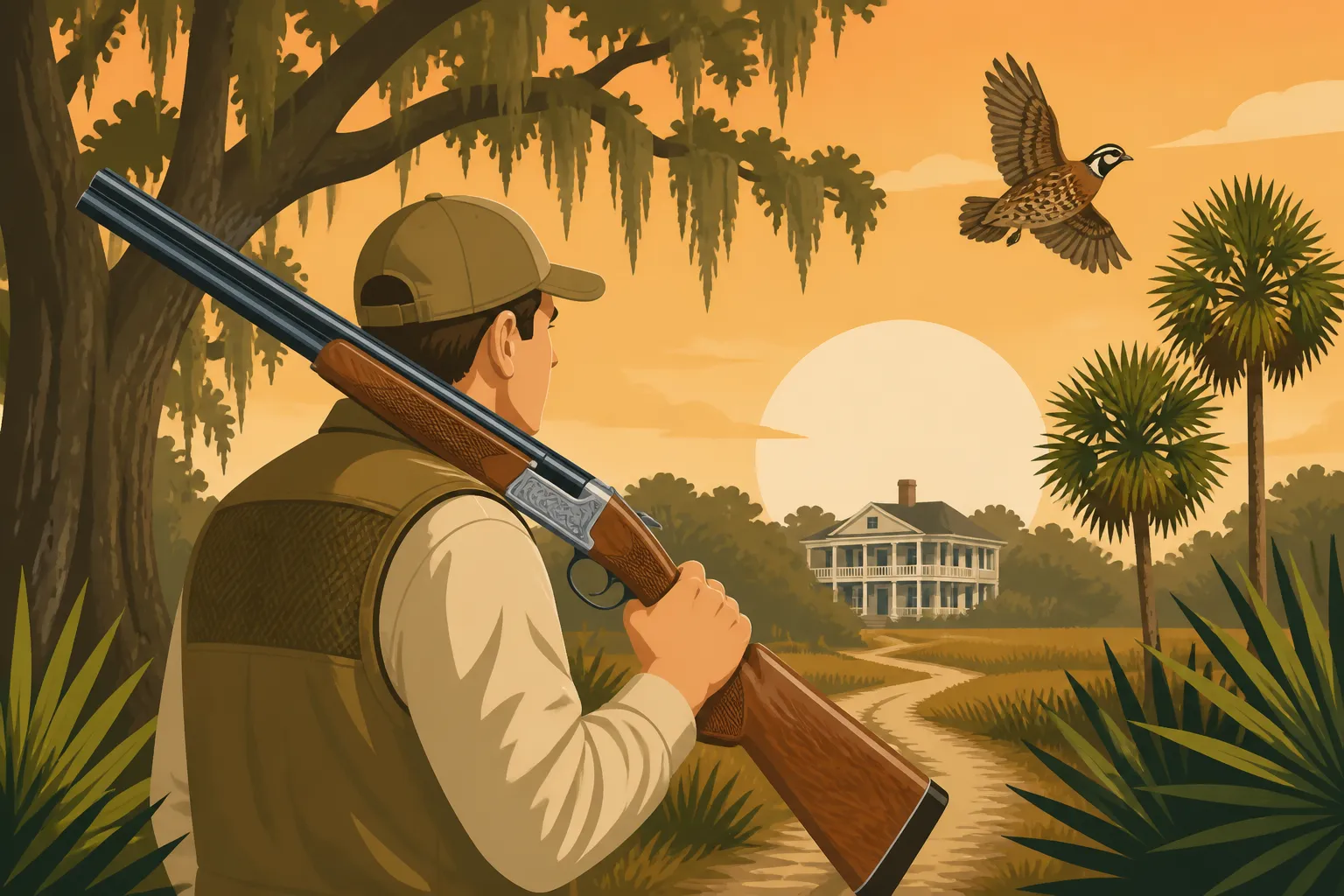
When you picture quail hunting, especially on a classic South Carolina plantation, what often comes to mind is the iconic image of a hunter, dogs locked on point, and a beautiful double barrel shotgun at the ready. It's more than just aesthetics; there's a deep, practical reasoning behind the enduring popularity of the 20 gauge double for this specific pursuit. Many hunters find that the experience itself is as important as the birds in the bag, and a well-balanced 20 gauge double contributes significantly to that tradition.
Why a Double Barrel? Quick Second Shots and Classic Balance
One of the primary benefits of a double barrel shotgun, whether it's an over/under or a side-by-side, is the immediate availability of a second shot. Quail, when flushed, are often referred to as "feathered rockets." A covey rise can explode in front of you, with birds scattering in every direction, and the ability to get off a quick second shot without the mechanics of cycling an action can be absolutely crucial. You’re not fumbling with a pump or waiting for a semi-auto to eject a shell and chamber another; it’s simply pulling the second trigger. This can be the difference between connecting with a second bird or watching it disappear into the pines.
Beyond the quick follow-up, double barrels are renowned for their balance. A quality double gun is typically designed with a center of gravity that sits right between your hands, making it feel lively and quick to the shoulder. This balance aids in smooth swings, allowing you to track those erratic quail flights more naturally. Imagine walking for miles across varied terrain – through field edges, pine stands, and brushy draws. A gun that feels like an extension of your body, rather than a heavy club, makes all the difference in maintaining your energy and accuracy throughout the day. It truly enhances the flow of the hunt.
The 20 Gauge Advantage: Weight, Recoil, and Nimbleness
Now, let's talk about why the 20 gauge, specifically, shines in this role. While a 12 gauge certainly brings more payload to the party, it often comes with increased weight and recoil. For a long day of walking, especially for younger hunters, new shooters, or those sensitive to recoil, the lighter weight of a 20 gauge can't be overstated. You're carrying this gun for hours, bringing it to shoulder dozens of times, potentially taking many shots. Reducing that physical burden means less fatigue and more focus on the hunt itself.
The reduced recoil of a 20 gauge also means you're less likely to flinch or develop bad shooting habits, especially when trying to connect with those fast-flying birds. It allows for a quicker recovery for that crucial second shot, keeping your eye on the target and smoothly transitioning to another bird if the opportunity arises. Furthermore, the 20 gauge platform often results in a more svelte receiver and barrels, making the gun inherently more nimble. This nimbleness is invaluable when you're swinging through thick South Carolina brush or trying to get on a bird that bursts from cover unexpectedly. It's all about making those instinctive shots feel natural and effortless. For many, it strikes that perfect balance between sufficient firepower and comfortable handling for an entire day in the field.
Selecting Your Ideal 20 Gauge Double for South Carolina Quail
Choosing the right 20 gauge double for your South Carolina quail adventures involves considering several key factors. It's not just about picking any double; it's about finding one that fits your shooting style, the terrain you'll be hunting, and your personal preferences. The details can make a significant difference in how the gun performs and how much you enjoy carrying it all day long.
Over/Under Versus Side-by-Side: A Matter of Preference
The classic debate for double guns is always over/under (O/U) versus side-by-side (SxS). Both have their devout followers, and both are excellent choices for quail.
- Over/Under Shotguns: O/Us are generally favored for their single sighting plane, which many shooters find easier to align on a moving target. The barrels are stacked vertically, creating a narrow profile that can feel more precise. They often have a slightly more modern feel and tend to be very robust. If you're coming from shooting a pump or semi-auto, the single sighting plane of an O/U might feel more familiar and intuitive. Brands like Browning and Beretta make fantastic O/Us that hunters swear by for their balance and reliability.
- Side-by-Side Shotguns: SxS shotguns embody a more traditional, old-world aesthetic that many quail hunters absolutely adore. With barrels placed horizontally, they offer a wider field of view, which some argue helps with peripheral vision, especially when coveys explode. They often feel exceptionally nimble and quick to shoulder, though the wider profile can take a bit of getting used to for some shooters accustomed to a single barrel. They exude a timeless charm, and holding a well-made SxS feels like stepping back in time to the golden age of bird hunting.
Ultimately, the choice comes down to what feels best in your hands and what you shoot most effectively. Spend some time shouldering both types, if possible, to see which one naturally points for you.
Barrel Length and Choke Options for Fast Flushes
For quail hunting, shorter barrels are generally preferred due to their quicker swing and lighter overall weight, which are assets when walking long distances and making fast, instinctive shots. Most quail hunters opt for barrel lengths between 26 and 28 inches on their 20 gauge doubles. A 26-inch barrel will feel incredibly fast and handy, perfect for close-quarters flushes in thick cover, while a 28-inch barrel provides a slightly smoother swing for birds that might get out a little further.
Choke selection is also paramount for quail. Given the close range at which most quail are shot, especially during a covey rise, open chokes are almost universally recommended.
- Fixed Chokes: Many traditional double guns come with fixed chokes, often improved cylinder (IC) and modified (Mod). An IC in the first barrel (for the initial, closer shot) and a Mod in the second barrel (for a bird that might be flying away a bit further) is a classic and highly effective combination for quail.
- Interchangeable Chokes: Modern double guns often come with interchangeable choke tubes, offering tremendous versatility. This allows you to tailor your choke combination precisely to the conditions of your hunt. You might use Skeet 1 and Skeet 2, or Cylinder and Improved Cylinder, for those really tight, fast covey flushes. If you're hunting smaller pockets of birds or expecting slightly longer shots on singles, you might go with IC and Light Modified. This flexibility means your gun can adapt to varying conditions on different plantations or even different parts of the same property. Choosing the right Choke Choice for Fast Covey Flushes is critical for consistent success.
Fit and Balance: The Key to Instinctive Shooting
No matter how fancy your shotgun is, if it doesn't fit you, you won't shoot it well. A properly fitted shotgun points naturally, almost like an extension of your arm and eye. The comb height, length of pull, and cast all play a role. When you mount the gun to your shoulder, your eye should naturally align with the rib, and you shouldn't have to crane your neck or lift your head.
For upland hunting, where shots are often taken quickly and instinctively, a gun that balances well is just as important as fit. A well-balanced gun feels "alive" in your hands, not muzzle-heavy or butt-heavy. It pivots smoothly on its hinge pin, allowing for fluid swings and quick target acquisition. When you're constantly shouldering the gun after a dog locks on point, a good balance prevents fatigue and ensures you're ready when the covey bursts. If you have the chance, try to shoulder a few different models. Swing them, practice mounting them, and see what feels most natural and comfortable for you. This often means visiting a gun shop or finding a friend with a collection and seeing what truly sings in your hands.
Practical Considerations for Your Plantation Walk
A successful quail hunt on a South Carolina plantation isn't just about the shotgun; it's about preparation, understanding the environment, and respecting the tradition. From the gear you carry to how you interact with your hunting party, every detail contributes to a memorable experience. Upland Guns for Quail Plantation Walks discusses some general considerations, but here we'll hone in on the unique aspects of using a 20 gauge double.
Ammunition and Shot Size
For 20 gauge quail hunting, most hunters opt for lighter loads with smaller shot sizes. Number 7.5 or 8 shot is typically ideal for bobwhite quail. These smaller pellets create a denser pattern, increasing your chances of hitting the fast-moving birds, without over-penetrating and damaging the meat too much. While quail are tough for their size, they don't require heavy loads. Standard field loads or light game loads are usually more than sufficient. You're looking for a good pattern and sufficient energy, not bone-crushing power.
Consider carrying a good supply of shells, but not so many that you're overburdening yourself. A common practice is to carry a pouch or vest with 25-50 shells, knowing that you'll likely have a vehicle nearby for resupply if needed. Shot Size for Quail and Dove provides more detail on selecting the right ammunition for various small game.
Clothing and Footwear for South Carolina Terrain
South Carolina's diverse terrain and often mild to warm weather call for specific clothing choices. Even in winter, temperatures can be quite pleasant, and you'll be exerting yourself walking.
- Brush Pants: Absolutely essential. You'll be walking through briars, tall grasses, and thick underbrush. Good quality brush pants or chaps will protect your legs from thorns, ticks, and scrapes. Brands like Browning or Filson offer durable options that stand up to the rigors of the field.
- Layering: Dress in layers. Even if it starts cool, you'll warm up quickly once you start walking. A moisture-wicking base layer, a light shirt, and a vest or light jacket you can shed are perfect.
- Footwear: Comfortable, waterproof, and supportive boots are a must. Many hunters prefer snake boots in South Carolina, especially when walking through thicker cover, to protect against potential snake encounters. Look for something that offers good ankle support and traction, as you'll encounter uneven ground, muddy spots, and potentially slick leaves. Check out Snake Boots for Coastal Plain Walking for more specific recommendations.
- Blaze Orange: Safety is paramount, especially when hunting with a group and dogs. Always wear blaze orange, typically a vest or hat, to ensure you're visible to other hunters.
Working with Dogs and a Hunting Party
Quail hunting on a plantation often involves a well-trained string of bird dogs, a dog handler, and typically a small group of hunters. Your 20 gauge double fits perfectly into this scenario.
- Safety First: Always keep your muzzle pointed in a safe direction, especially when dogs are working close by or when crossing obstacles. Only load your shotgun when the dogs are on point and you are preparing for the flush. Unload immediately after the flush, or when moving between coveys or getting back into a vehicle.
- Respect the Dogs: The dogs are the stars of the show. Pay attention to their signals and the handler's instructions. When a dog locks on point, approach cautiously and be ready for the flush. Avoid shooting low, which could endanger the dogs.
- Communication: Clear communication with your hunting partners is vital. Know who is taking which shot, especially on a covey rise. Often, shooting lanes are assigned to ensure everyone has a safe shot and no one is swinging on another hunter or dog. Using a platform like GoHunt, you can sometimes find reviews or even direct contacts for outfitters who host these walks, often highlighting their dog programs and safety protocols.
Field Care and Maintenance
Even a rugged 20 gauge double needs proper care, especially in South Carolina's sometimes humid and dusty conditions. After a long day of walking, your gun will likely accumulate dust, sweat, and perhaps some moisture.
- Wipe Down: As soon as you finish hunting, give your gun a quick wipe down with a cloth to remove any surface moisture, dirt, or dust. This prevents rust and keeps the finish looking good.
- Bore Cleaning: At the end of the day, or as soon as possible, run a bore snake or cleaning rod through your barrels to remove powder residue. This is crucial for maintaining accuracy and preventing corrosion.
- Lubrication: A light coat of gun oil on all metal surfaces, especially moving parts like the hinge pin and locking lugs, will keep your gun functioning smoothly and protected from the elements. Don't over-lubricate, as excess oil can attract more dirt.
- Storage: Store your gun in a breathable gun sock or case to prevent moisture buildup. Avoid leaving it in a sealed, hard case for extended periods in humid environments, as this can trap moisture and promote rust.
Taking good care of your 20 gauge double ensures it will be a reliable and beautiful companion for countless quail hunts to come. And while you're thinking about the gear, remember to check out resources for planning your hunts, like Scouting South Carolina Public Land Before Season or even specific advice on Bird Dog Gear for South Carolina Cover.
The Timeless Experience of South Carolina Quail Hunting
Hunting quail in South Carolina, particularly on a well-managed plantation, is more than just a hunt; it's an experience rooted in tradition and camaraderie. It's about connecting with nature, watching skilled bird dogs work their magic, and enjoying the thrill of a covey rise. Your choice of firearm plays a significant role in shaping that experience, and a 20 gauge double barrel shotgun, with its elegant balance, quick handling, and lighter recoil, truly complements the classic nature of the sport.
As you spend hours walking through picturesque pine savannas and field edges, a lightweight and responsive gun makes all the difference. It reduces fatigue, allows for quicker target acquisition, and helps you stay engaged and focused on the dogs and the birds. Whether you opt for an over/under or a side-by-side, finding a gun that fits you well and feels good in your hands will enhance every flush, every shot, and every moment spent afield.
Beyond the firearm itself, remember the importance of preparation: the right ammunition, protective clothing like Brush Pants for South Carolina Fencerows, and safety practices. These elements combine to create a seamless and enjoyable day. Consider using tools like GoHunt to research potential hunting destinations or find information on managed quail habitats in South Carolina. The decline of wild quail populations has made managed plantation hunts increasingly important for experiencing this incredible bird, and these operations often represent some of the best conservation efforts for the species, as discussed in How Managed Pine Could Restore South Carolina Quail.
Embrace the tradition, enjoy the walk, and savor the unique thrill of a South Carolina quail hunt with a 20 gauge double in hand. It’s a combination that has stood the test of time for a very good reason.
Disclaimer
This article is for general informational purposes only and does not constitute professional advice. Laws, prices and regulations vary by location and change over time. Consult a qualified professional for guidance on your specific situation.