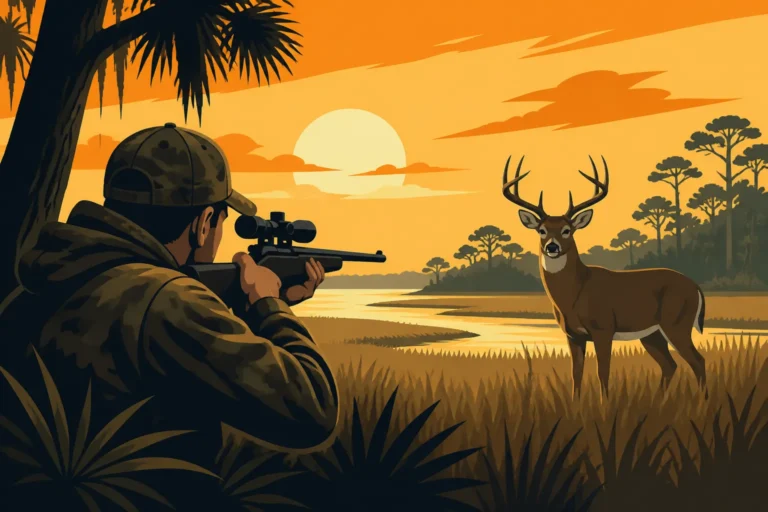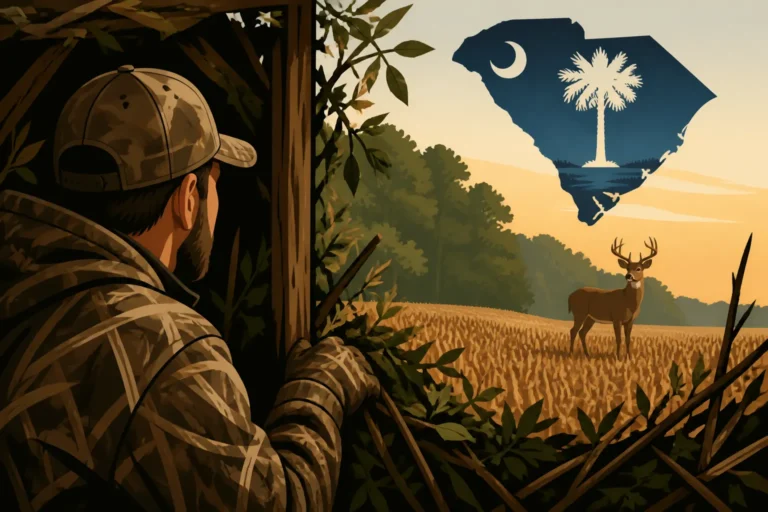
Hunting the Earliest Coastal Zone Opener
The sweltering heat of August in South Carolina brings a unique blend of excitement and challenge for deer hunters. When that earliest coastal zone opener rolls around, you’re not just battling cunning whitetails; you're going head-to-head with oppressive humidity, relentless insects, and deer behavior drastically different from the crisp, cool days of fall. This guide will walk you through everything you need to know to not only survive but thrive in the Lowcountry's demanding early season, turning those frustrations into successful hunts.
Understanding the South Carolina Coastal Zone Opener
The Lowcountry's early deer season isn't just a quirk of the calendar; it's a testament to the unique ecological dynamics of South Carolina's coastal plains. Opening on August 15th for archery, it presents a vastly different hunting experience compared to the later dates in other parts of the state.
Why the Coast Opens First
The early opening of the deer season in South Carolina's coastal counties, primarily within Zone 4, is rooted in biological factors and deer management strategies. Unlike the colder climates where deer fawns are typically born in late spring or early summer, the Lowcountry's longer growing season and milder winters allow for an earlier fawn drop, often in late winter or early spring. This means the deer herd reaches maturity sooner. By mid-August, many fawns are already several months old, and bucks have completed antler growth and are entering hard horn, though their velvet may only be recently shed.
The South Carolina Department of Natural Resources (SCDNR) manages deer populations on a zone-by-zone basis, acknowledging these regional differences. The goal is to maximize hunting opportunities while maintaining a healthy, sustainable deer herd. With a generally higher deer density in the coastal plains compared to the mountains, and a longer reproductive cycle, the coastal zone can sustain an earlier start to the season. This staggered approach allows hunters across the state to experience different phases of the deer's annual cycle, but for those venturing into the coastal zone, it means embracing the unique challenges of summer hunting. For a deeper dive into how the state's hunting calendar is structured, you might want to explore topics like South Carolina's Four Game Zones, which details the differences between the regions.
Key Dates and Regulations
Mark your calendars: the earliest coastal zone opener for archery season consistently falls on August 15th. This date applies specifically to those counties designated within Zone 4. While this guide focuses on the archery opener, it's worth noting that primitive weapons and firearms seasons follow later. Understanding these precise dates is paramount for planning your hunts, and you can always verify the current year's specifics by looking at the official Zone 4 Coastal Season Dates.
When it comes to regulations, the core rules for deer hunting apply, but the early season emphasizes certain aspects. You'll still need your base hunting license and a big game permit. The statewide antlered deer bag limit applies, as does the daily antlerless limit, which can fluctuate based on zone and specific WMA rules. Don't forget the mandatory harvest reporting; every deer taken must be reported through the SCDNR's Game Check system. Details on this crucial step can be found under South Carolina Deer Reporting Requirements. For archery hunters, specific equipment requirements are also in place. While compound bows and recurves are standard, some hunters might consider crossbows, which have specific rules you should familiarize yourself with, especially if you're curious about Crossbow Rules During South Carolina Archery Season. Always carry your physical or digital license and permits, and double-check any specific rules for the Wildlife Management Area (WMA) you plan to hunt, as WMAs often have more restrictive regulations.
Tackling the Warm Weather Challenge
Hunting in South Carolina in August is not for the faint of heart. The heat and humidity are oppressive, and the insect population is at its peak. Successfully navigating these conditions requires a strategic approach to both your personal comfort and your hunting tactics.
Managing Heat and Humidity
The sheer intensity of August heat and humidity in the Lowcountry is arguably your biggest adversary, even more so than the deer themselves. Temperatures can easily soar into the 90s, with humidity making it feel even hotter, often well above 100 degrees Fahrenheit in the heat index. This isn't just uncomfortable; it's potentially dangerous. Staying hydrated is non-negotiable. Carry more water than you think you'll need, and consider electrolyte-rich drinks. Plan your hunts around the coolest parts of the day – the first few hours after sunrise and the last few hours before sunset. During midday, deer are almost entirely bedded down in the thickest, shadiest cover they can find, making your efforts in a treestand largely futile and yourself extremely vulnerable to heatstroke.
Your clothing choices are critical. Forget heavy camouflage; opt for lightweight, moisture-wicking fabrics that are designed to breathe and dry quickly. Brands like Under Armour, Sitka, and Kuiu offer excellent warm-weather lines. Light-colored camo can also help reflect some of the sun's rays. Positioning your stand for maximum shade and air movement, such as on the shaded side of a thick pine or along a natural funnel where even a slight breeze might be channeled, can make a significant difference in your ability to sit still and stay alert. Avoid direct sunlight at all costs, especially during mid-morning and mid-afternoon. Understanding how to adapt your strategy to the conditions is key, and you'll find more insights on this in our guide on Warm-Weather Sitting Strategy in South Carolina.
The Battle Against Insects
If the heat doesn't get you, the insects just might. South Carolina's Lowcountry in August is a haven for mosquitoes, gnats (often called "no-see-ums"), and ticks. These aren't just annoying; they can transmit diseases like West Nile virus, Eastern equine encephalitis, and various tick-borne illnesses. Preparing for them is as essential as preparing your archery equipment.
Permethrin-treated clothing is a game-changer. Apply it to your hunting clothes, boots, and even your backpack a day or two before your hunt (and allow it to dry completely). Permethrin kills ticks and mosquitoes on contact and remains effective for several washes. For exposed skin, a quality repellent containing at least 20-30% DEET or 20% Picaridin is highly effective. Sawyer Products offers excellent options in both categories, and their Picaridin lotion is often favored for its non-greasy feel. A head net is another absolute must-have, especially for morning sits when gnats can be particularly aggressive. Nothing ruins a hunt faster than constantly swatting at insects around your face, breaking your concentration and spooking game with your movements. Some hunters even carry a small, battery-operated Thermacell unit to create a mosquito-free zone around their stand, which can be surprisingly effective in still air. When you're using advanced mapping tools like GoHunt, you can even use their satellite imagery to identify areas with dense, low-lying vegetation or stagnant water, which are prime insect breeding grounds, helping you plan your approach to minimize exposure.
Scouting and Stand Selection in the Coastal Zone
Effective scouting is always crucial, but it takes on a different dimension for the early coastal opener. Deer behavior is heavily influenced by the summer conditions, making keen observation and strategic placement paramount.
Pre-Season Reconnaissance
Long before opening day, your scouting efforts should be in full swing. This means putting boots on the ground, even in the heat, to understand deer patterns before the pressure sets in. Focus on identifying early season food sources. While acorns might not be on the ground yet, look for soft mast like wild plums, persimmons, or muscadines if present. Agricultural fields, such as soybeans, peanuts, or chufas, can be major draws in the Lowcountry. Deer will be consistently hitting these food sources, especially in the cooler evening hours. Additionally, observe natural browse, as deer feed heavily on various plants during the summer.
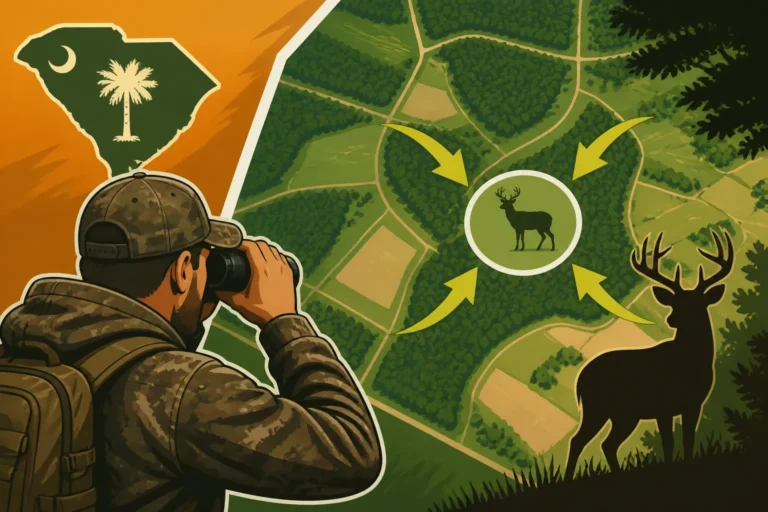
Look for fresh tracks, rub lines (even small ones from velvet shedding), and any established travel corridors between bedding areas and food. Water sources are also critical; in hot weather, deer need to drink regularly. Pay attention to how deer might move between thick cover, food, and water. Public lands like Francis Marion National Forest Hunting offer vast opportunities but also require more intensive scouting to locate these prime spots away from other hunters. Utilize digital mapping tools extensively. GoHunt, for example, allows you to overlay aerial photos, topographical maps, and public/private land boundaries, helping you identify potential pinch points, hidden clearings, and access routes without disturbing the area. It’s like having an eagle’s eye view, and it can save you countless hours of sweaty walking. Even if you don't have cell service in remote areas, many apps, including the Go Outdoors SC app, allow you to download maps for offline use, which is invaluable for Using Go Outdoors SC Without Cell Service. This way, you always know where you are and where those property lines fall.
Strategic Stand Placement
Once you've identified key areas, the next step is strategic stand placement. In the early season, deer movement is often limited to low-light conditions, primarily around dawn and dusk. This means your stand needs to be perfectly positioned for these limited windows. Consider morning stands and evening stands separately. For mornings, set up on the edges of bedding areas or along primary travel routes leading away from food sources, catching deer as they return to cover. For evenings, position your stand between bedding areas and food sources, or directly on the edge of a feeding area, like a field. An ideal spot might be Setting Up on a Lowcountry Field Edge, where deer often emerge from the woods to feed as the sun begins to set.
Thermals play a significant role, especially in the Lowcountry. In the mornings, air usually flows downhill, so set up above likely deer movement if possible. In the evenings, air often rises, so adjust accordingly to avoid your scent drifting into an approaching deer's path. Always prioritize stands that offer ample shade, especially for morning hunts that can quickly heat up. Also, scrutinize your entry and exit routes. The goal is to get to and from your stand without spooking any deer, even those bedded nearby. This often means using natural terrain features, thick cover, or walking through non-deer habitat as much as possible. Consider using different stand types: climbing stands offer flexibility for moving with changing deer patterns, hang-on stands allow for precise placement in specific trees, and ground blinds can provide excellent concealment, especially in areas with thick undergrowth or where suitable trees for treestands are scarce.
Effective Hunting Tactics for Early Season Coastal Deer
Hunting the earliest coastal opener requires tactics specifically tailored to the hot weather, abundant food, and sometimes-pressured deer. Adaptability is key, as conditions can change rapidly.
Hunting Early Food Sources
During the late summer, deer in the Lowcountry are highly focused on food that provides both nutrition and hydration. Their preferences can be quite varied. While acorns are the go-to in fall, they are typically not yet widely available in August. Instead, focus your efforts on readily available natural soft mast. Look for stands of wild persimmon trees, which drop ripe fruit in late summer, or muscadine vines, which produce juicy grapes that deer love. Wild plums and various berries can also be hot spots.
Beyond natural sources, agricultural fields are deer magnets. Soybeans are a prime example; deer will browse the green plants and then switch to the beans once they start to mature. Peanuts are another popular crop, as are chufas, which are small, tuber-like plants often planted for turkey but equally relished by deer. When scouting, pay close attention to which fields show the most consistent deer activity – fresh tracks, droppings, and browse lines. Deer will typically feed heavily during the cooler hours of dawn and dusk, so position your stand to intercept them as they enter or exit these feeding areas. Understanding the specific phenology of crops and wild plants in your area will give you a significant advantage in predicting deer movement.
Utilizing Cover and Water
In the stifling heat of August, deer seek out the coolest, densest cover available during the day. This often means thickets of briars, dense pine plantations, or the cool, damp environs of a Lowcountry swamp. Bucks especially will find these areas to bed down and avoid both the heat and biting insects. Your best bet for encountering deer during daylight hours will often be right on the edges of these heavy cover areas, or along travel corridors that connect them to food and water.
Water is another critical component of early season deer habitat. South Carolina's coastal plain is crisscrossed with creeks, rivers, and low-lying areas. Deer will utilize these waterways for drinking and often for travel, especially in the relative coolness and security of a swamp. Exploring specific tactics for Hunting Lowcountry Swamp Deer can provide valuable insights. Look for trails leading to and from watering holes, or even tracks along creek banks. Sometimes, deer will even stand in shallow water to cool off and escape insects. Using mapping tools like GoHunt, you can zoom in and identify these features – the winding paths of tidal creeks, the darker green patches indicating dense swamp, or isolated ponds. Overlaying topography can also reveal subtle changes in elevation that might concentrate deer movement. These digital tools can help you pinpoint areas where deer will naturally gravitate, even if you’re miles from the nearest agricultural field.
Post-Shot Considerations in the Coastal Heat
Successfully taking down a deer in the coastal heat is only half the battle. The warm temperatures present unique challenges for tracking and meat care, making your post-shot actions critical to ensure a successful recovery and preserve your hard-earned venison.
Tracking and Recovery Challenges
One of the most disheartening aspects of early season hunting is a poor blood trail. In warm weather, a deer's blood tends to coagulate much faster than in colder temperatures. This means that even with a good shot, the blood trail might be sparse, short, or dry up quickly. Patience becomes an even greater virtue. After the shot, resist the urge to immediately pursue the deer. Give it ample time, at least an hour or more for a questionable shot, to lie down and stiffen. Pushing a marginally hit deer can cause it to run much further, making recovery nearly impossible.
When you begin tracking, move slowly and systematically. Mark the last blood or sign you found with flagging tape or a bright object. Look not just for blood, but for disturbed leaves, broken twigs, or tracks in soft ground. Pay close attention to the direction of travel and the deer’s behavior after the shot. If the trail is indeed minimal, expanding your search in ever-widening circles around the last known sign can sometimes reveal where the deer veered off. If darkness falls, it might be necessary to retreat and return at first light, as tempting as it is to continue. For specific strategies on navigating low-visibility tracking, our guide on Blood Trailing After Dark in South Carolina offers detailed advice. In truly desperate situations, professional tracking dogs are legal in South Carolina and can be a lifesaver, so it's wise to have a contact or two stored in your phone, just in case.
Immediate Meat Care
Once you've recovered your deer, the clock is ticking. The warm, humid air of the Lowcountry is a breeding ground for bacteria, and meat spoilage can occur rapidly. Immediate and thorough field dressing is paramount. Get the guts out as quickly as possible to allow the carcass to begin cooling from the inside out. Don't waste time on excessive cleaning at this stage; simply remove the internal organs and get the body cavity open.
Next, you need to cool the meat down rapidly. If you’re hunting close to your vehicle, have large coolers filled with ice ready. Get the deer into the cooler as soon as it's field-dressed. If the deer is too large, quarter it in the field. Placing ice bags directly into the body cavity can help accelerate the cooling process. For more remote hunts, consider boning out the meat in the field, placing it into game bags, and then into coolers. This reduces weight and allows for more efficient cooling. Even if it's a short drive home, having a cooler ready with ice at the truck is a non-negotiable step. Our article on Field Dressing a Deer in Warm Weather provides additional tips and best practices for these critical moments, emphasizing how crucial quick action is to ensure your venison is prime for the table.
Essential Gear for the Coastal Opener
Going into the Lowcountry in August unprepared is a recipe for a miserable, unproductive hunt. Your gear choices, from clothing to tools, need to be specifically adapted for the unique challenges of heat, humidity, insects, and dense cover.
Warm-Weather Apparel and Protection
Forget your heavy flannel and insulated boots; this is a completely different ballgame. Your clothing needs to be lightweight, breathable, and designed to wick moisture away from your body. Look for technical fabrics that dry quickly and offer good ventilation. Many reputable hunting brands like Sitka, Kuiu, and even more budget-friendly options, offer excellent early-season lines. Light-colored camo patterns can help reflect some of the sun's rays, keeping you a bit cooler.
Footwear is another critical consideration. Given the possibility of wet, muddy, or even submerged terrain, waterproof rubber boots are often a wise choice. However, if your hunting area is generally dry, a comfortable, breathable, and supportive hiking boot might be preferred. Regardless, consider investing in quality Snake Boots for South Carolina Swamp Ground. The Lowcountry is home to several venomous snake species, and these boots offer invaluable peace of mind when walking through thick brush or swamps. Beyond clothing, a wide-brimmed hat or a baseball cap, along with quality sunglasses, will protect you from the sun. A good headlamp with a red light setting is essential for navigating to and from your stand in the dark. Lastly, don't forget a compact first aid kit; scrapes, cuts, and insect bites are common occurrences in the dense cover.
Archery Setup and Meat Handling
For the archery portion of the opener, your bow setup should be meticulously tuned and reliable. Ensure your broadheads are razor-sharp and matched to your arrows for optimal flight and penetration. Given that shots are often at close range in thick cover, and you want maximum penetration for quick kills and better blood trails, fixed-blade broadheads can be a good choice, but modern mechanicals are also very effective. Our guide on Broadheads for Swamp Timber Shots offers more detailed advice on selection.
Beyond your weapon, consider your meat handling equipment. As discussed, preserving venison in the heat is critical. Pack several good quality, breathable game bags – the kind that allow air circulation but keep insects away from the meat. Our article on Game Bags for Warm September Days can help you choose the right ones. These are invaluable for keeping quarters clean if you need to debone in the field. A sturdy, large cooler, ideally with wheels for easier transport, pre-chilled and filled with ice, should be waiting at your vehicle. A quality field dressing knife, a small bone saw (if you plan to quarter the deer), and a pair of latex gloves are also essential. For hydration, a water filter or purification tablets can be useful if you're on a long trek and need to replenish from a natural water source. Finally, use the GPS tracking features on apps like GoHunt to mark your stand location, the shot location, and where you found your deer. This provides an invaluable digital breadcrumb trail for efficient recovery and navigation, especially if you have to leave the field and return later.
| Consideration | Morning Hunt in Coastal Zone | Evening Hunt in Coastal Zone |
|---|---|---|
| Deer Movement | Returning to bedding, often slow | Heading to food, often deliberate |
| Sun Position | Rising, plan for shade on eastern side | Setting, plan for shade on western side |
| Thermals | Generally falling (downhill) | Generally rising (uphill) |
| Food Source Focus | Routes from food to bedding | Routes to food from bedding, field edges |
| Insect Activity | Peak for mosquitoes/gnats (dawn) | High as evening cools |
| Hydration Needs | Critical; start hydrated, carry extra | Critical; carry extra for walk-in/out |
| Recovery Strategy | Need to cool meat quickly before heat peaks | Must field dress and cool ASAP, potential night tracking |
Disclaimer
Always remember that hunting regulations can change, and it is your responsibility to consult the most current South Carolina Department of Natural Resources (SCDNR) hunting digests and regulations before heading afield. This guide provides general information and recommendations for hunting in South Carolina.